
Desserts
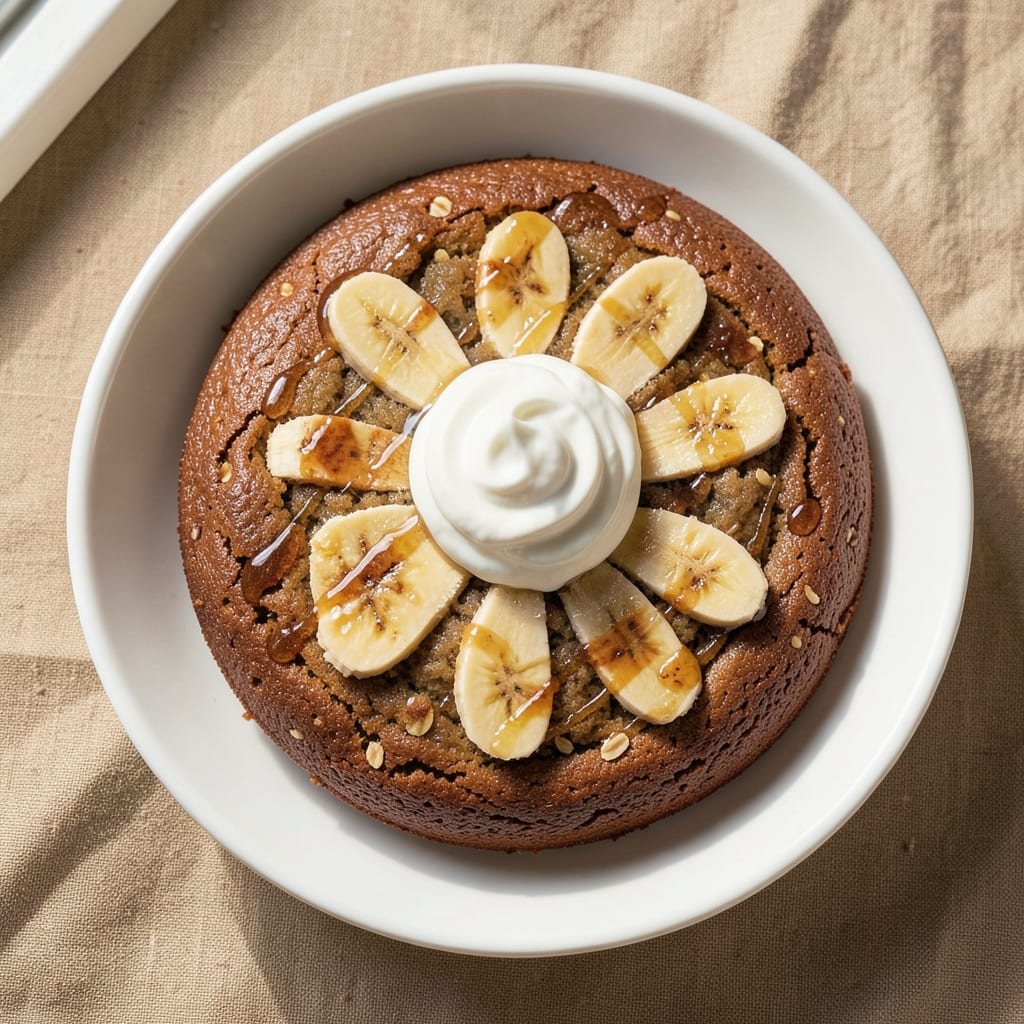
This banana cake recipe with oat flour delivers the perfect balance of gluten-free texture and moist richness, with a subtle nutty depth that sets it apart from traditional recipes. The secret lies in oat flour's ability to absorb moisture while adding a gentle earthiness that complements ripe bananas beautifully. I developed this version after years of baking gluten-free desserts that either turned dense or crumbly—this one solves both problems with a simple technique.
What makes this cake truly special is how the oat flour creates a tender crumb without relying on gluten for structure. The key is combining it with a touch of xanthan gum (just ½ teaspoon) to mimic wheat flour's binding properties, while keeping the flavor clean and naturally sweet. Unlike almond flour cakes that can taste heavy, this version stays light and airy—perfect for those who want to avoid gluten but still crave a classic banana cake experience.
By the time it emerges from the oven, you'll have a cake with golden edges and a moist, slightly crumbly interior that stays fresh for days. The nutty undertones from the oat flour pair perfectly with the banana's natural sweetness, creating a flavor profile that's both comforting and sophisticated. This recipe proves gluten-free baking can be just as indulgent as traditional versions—without compromising on texture or taste.
The best part? It requires no special equipment—just a standard mixing bowl and one 350°F oven. Whether you're baking for dietary needs or simply exploring gluten-free options, this cake delivers restaurant-quality results with minimal effort. Here's everything you need to make it perfectly the first time.
Ingredients for banana cake recipe with oat flour
Oat flour's nutty magic meets ripe banana sweetness in this gluten-free masterpiece.
| Ingredient | Amount | Notes |
|---|---|---|
| Ripe Bananas 🍌 | 2 cups | Mashed, about 2 medium bananas |
| Oat Flour 🌾 | 2 cups | Blended from rolled oats |
| Large Eggs 🥚 | 2 whole | Room temperature preferred |
| Unsalted Butter 🧈 | ¾ cup | Melted, full-fat for moisture |
| Pure Maple Syrup 🍯 | ½ cup | Or honey for vegan option |
| Plain Greek Yogurt 🥛 | ½ cup | Full-fat for richness |
| Xanthan Gum 🍞 | ½ tsp | Gluten-free binder |
| Baking Soda 🧂 | 1 tsp | Diamond Crystal preferred |
| Ground Cinnamon 🌿 | 1 ½ tsp | Freshly ground preferred |
| Vanilla Extract 🌸 | 1 tsp | Pure alcohol-free if needed |
| Salt 🧂 | ½ tsp | Fine sea salt preferred |
| Walnuts 🌰 | ½ cup | Chopped, optional topping |
| Unsweetened Applesauce 🍎 | ¼ cup | Substitute for butter if vegan |
Oat flour is your secret weapon here—Bob's Red Mill or Quaker Steel Cut work best for that perfect texture. Blended fresh from rolled oats gives the most flavor, but pre-made oat flour is fine in a pinch. The bananas need to be ripe with brown spots—that's where the natural sweetness and moisture come from. For the butter, Plugrá or Land O'Lakes are reliable choices, but any full-fat works. Pro tip: Let the butter sit out for 30 minutes before melting to avoid lumps in your batter.
No Greek yogurt? Coconut yogurt or sour cream keeps the richness. Short on maple syrup? Agave or brown sugar works one-to-one. The xanthan gum is non-negotiable for gluten-free structure—Bob's Red Mill sells it in tiny bottles perfect for this recipe. For a vegan version, swap the eggs for flax eggs (2 tbsp ground flax + 6 tbsp water) and use applesauce instead of butter. The walnuts add crunch, but pecans or almonds work too if that's what you've got.
This cake stays moist for 5 days wrapped at room temperature or 2 weeks in the fridge. For longer storage, freeze slices wrapped in parchment for 3 months. The batter can be prepped ahead and refrigerated overnight—just bake straight from the fridge (add 5-10 minutes to baking time). I always make a double batch because it disappears fast, especially with the nutty crumb topping.
Why You'll Love This Recipe
- No Muffin Tin Needed: I just toss ripe bananas, oat flour, and eggs into one bowl—no sifting, no measuring cups, no mess. The butter and maple syrup come together while I’m still scraping the last spoonful of batter.
- Maple-Kissed Moisture Magic: That pure maple syrup isn’t just sweet—it keeps the cake tender for days. Honestly, the first slice out of the oven tastes like dessert, but the second slice? That’s when you realize it’s better the next day.
- Breakfast or Dessert: Pack slices for school lunches or serve warm with yogurt for a weekend brunch. My kids beg for it after soccer practice, and my husband sneaks bites straight from the pan—no judgment here.
- Pantry Staples Only: Oat flour and ripe bananas? I’m always stocked. This recipe turns grocery day into dessert night without extra shopping trips. Plus, the leftovers? They disappear faster than my willpower when I bake it.
Step-by-step instructions for banana cake with oat flour
This gluten-free banana cake delivers perfect moisture and nutty depth—every step ensures a tender crumb and rich flavor.
Prep Ingredients for Maximum Flavor
Start by mashing the 2 cups ripe bananas until completely smooth with no lumps—this ensures even distribution and prevents dense pockets. I press the bananas through a fine-mesh sieve for extra silky texture. In a separate bowl, measure out the 2 cups oat flour (blended from rolled oats) and sift it lightly to aerate the mixture.
Melt the 0.75 cup unsalted butter over low heat or in the microwave, then let it cool slightly. This prevents scrambling when mixed with eggs. Meanwhile, whisk together the 2 whole large eggs, 0.5 cup plain Greek yogurt, 0.5 cup pure maple syrup, 1 tsp vanilla extract, and 0.5 tsp salt in a separate bowl until fully combined. The yogurt adds tangy richness that balances the sweetness.
Combine Wet and Dry Ingredients Gently
In a large mixing bowl, combine the mashed bananas, melted butter mixture, and the egg-yogurt blend. Stir just until smooth—overmixing develops gluten-like proteins in the oat flour, which can make the cake dense. In a small bowl, whisk together the 0.5 tsp xanthan gum, 1 tsp baking soda, and 1.5 tsp ground cinnamon to create the leavening and flavor base.
Gradually fold the dry ingredients into the wet mixture using a spatula, mixing just until no dry spots remain. The xanthan gum acts as a binder, crucial for gluten-free structure, while the cinnamon infuses warmth. Add the 0.25 cup unsweetened applesauce (or melted butter if not vegan) and mix briefly—this keeps the cake tender without adding extra fat.
Fold in Walnuts and Prepare the Pan
Chop the 0.5 cup walnuts into small pieces—this prevents large chunks that might make the cake uneven. Gently fold them into the batter last, reserving a few for topping. Preheat your oven to 350°F and grease an 8-inch round cake pan or line it with parchment paper for easy removal. The oat flour batter is thick but won’t stick if the pan is properly prepared.
Pour the batter into the pan and smooth the top with a spatula. Sprinkle the reserved walnuts evenly over the surface for texture and crunch. Bake for 35-40 minutes, or until a toothpick inserted in the center comes out clean with just a few moist crumbs clinging to it. The cake should pull away slightly from the edges but remain tender in the middle—this ensures perfect moisture.
Cool and Serve for Best Texture
Remove the cake from the oven and let it cool in the pan for 10 minutes before transferring to a wire rack. This gradual cooling prevents cracking. For extra moisture, brush the warm cake with a simple glaze made from 2 tablespoons maple syrup and 1 tablespoon melted butter, if desired.
Serve slices at room temperature—the flavors deepen as the cake sits. The oat flour gives a subtle nutty undertone, while the bananas keep it naturally sweet. Store leftovers in an airtight container for up to 3 days or freeze for longer shelf life. This cake stays moist even after baking, thanks to the applesauce and yogurt working together to retain moisture.
Pro Tips For Making Banana Cake Recipe With Oat Flour
- Mash Bananas First: I learned this the hard way—adding whole bananas to the batter means uneven texture and underbaked spots in the center. Use a fork to mash them until smooth, then press through a fine-mesh sieve to remove skins and fiber. The batter will be silky, and the cake will rise evenly.
- Preheat Pan and Butter Generously: Oat flour cakes stick like glue if you skip this. Preheat your pan for 5 minutes, then rub 2 tablespoons of softened butter on the bottom and sides—don’t be shy. A light dusting of oat flour afterward guarantees easy release, even if you’re not using parchment.
- Don’t Overmix the Batter: After burning three batches, I finally figured out the real enemy isn’t the bananas—it’s overworking the batter. Mix just until the oat flour is barely incorporated, then fold in the eggs gently. Lumps are fine; a dense, tough cake isn’t.
- Use Room-Temp Eggs and Butter: Cold eggs and butter make the batter fight you. Let both sit out for 30 minutes before mixing—this ensures the maple syrup blends smoothly and the cake bakes uniformly. (Yes, even if you’re impatient like me.)
Regional styles of these flavors
Scandinavian Oat-Crusted
In Sweden, oat flour isn't just an ingredient—it's a staple that transforms this cake into a hearty, rustic dessert. The Swedes add a thick oatmeal crust to the top before baking, made by pressing ½ cup rolled oats mixed with 2 tablespoons melted butter into the batter. This creates a crispy, nutty exterior that contrasts beautifully with the soft interior. I've found that toasting the oats first with ½ teaspoon cinnamon adds an extra layer of warmth that pairs perfectly with the banana's sweetness. 🌾
Japanese Matcha Twist
For a modern Japanese-inspired version, replace ½ teaspoon of the cinnamon with 1 teaspoon high-quality matcha powder (like Ippodo Tea), and add 1 tablespoon of honey to the batter. The earthy matcha complements the oat flour's nuttiness while keeping the cake's natural sweetness. Top with crushed senbei (rice crackers) for an authentic crunch that feels both nostalgic and sophisticated. This variation is perfect for tea lovers and adds a vibrant green hue to the cake. 🍵
Southern U.S. Buttermilk Version
In the Southern United States, this cake gets a tangy kick by swapping the Greek yogurt for ½ cup buttermilk and adding 1 teaspoon lemon zest to the batter. The buttermilk enhances the cake's moisture while cutting through the richness of the oat flour. For extra Southern flair, fold in ½ cup chopped pecans and top with a honey drizzle after baking. This version has a lighter texture and a bright citrus note that feels like a classic banana pudding come to life. 🍯
German Spiced Adaptation
German bakers often infuse their desserts with warm spices, so this version calls for replacing the cinnamon with a German-style spice blend—mix ½ teaspoon cinnamon, ¼ teaspoon cardamom, and ¼ teaspoon cloves. The cardamom adds a floral note that elevates the oat flour's earthiness, while the cloves bring a subtle warmth. Top the cake with a caramelized apple compote made from 1 small apple, 1 tablespoon brown sugar, and ½ teaspoon butter, baked until soft. This adaptation feels cozy and festive, perfect for autumn gatherings. 🍏
Australian Nutty Crunch
Down under, this cake gets a textural upgrade by folding in ½ cup chopped macadamia nuts (toasted lightly in the oven for 5 minutes at 350°F) and topping with a salted caramel sauce. The macadamias add a buttery richness that balances the oat flour's nuttiness, while the caramel sauce ties everything together with a salty-sweet finish. Australians often serve this cake warm with a scoop of vanilla bean ice cream for a decadent dessert experience. 🥥
Canadian Maple-Glazed
Canada's love for maple syrup shines in this variation, where the cake is brushed with a maple glaze made from ½ cup powdered sugar, 2 tablespoons maple syrup, and 1 tablespoon cream after baking. The glaze soaks into the cake, enhancing its moisture and adding a sticky, sweet finish. For extra Canadian flair, fold in ½ cup chopped walnuts and top with crumbled maple leaf-shaped cookies (like McVitie's). This version is a showstopper for holidays and celebrations. 🍁
Nutrition facts
Frequently asked questions
Why does this banana cake use oat flour instead of regular flour?
Oat flour creates a naturally moist, tender crumb without gluten while adding subtle nutty depth that pairs perfectly with bananas. The xanthan gum (½ tsp) mimics gluten's binding properties, preventing crumbly results. Unlike almond flour, oat flour stays light and doesn't overpower the banana's sweetness. Plus, it's budget-friendly and widely available!
Can I make this cake without xanthan gum?
Yes, but the texture will be slightly denser. Replace the ½ tsp xanthan gum with ½ tsp psyllium husk powder (mixed with 1 tsp water) or 1 tbsp ground flaxseed. For best results, use a gluten-free baking blend with built-in binders. The cake will still be delicious, just with a slightly heavier crumb.
How do I know when the bananas are ripe enough?
Look for bananas with speckled brown spots and slightly soft flesh when pressed. The riper the bananas, the sweeter and more moist your cake will be. If yours aren't ripe enough, place them in a paper bag with an apple for 1-2 days—the apple's ethylene gas speeds up ripening. Overripe bananas (black with mushy spots) work too but may make the cake slightly denser.
What's the best way to store leftovers?
Wrap cooled slices in plastic wrap or store in an airtight container at room temperature for up to 3 days. For longer storage, freeze slices (wrapped individually) for up to 3 months. The oat flour helps preserve moisture, so the cake stays fresh longer than traditional versions. Reheat frozen slices in the microwave for 10-15 seconds to restore softness.
Can I make this cake vegan?
Replace the 2 eggs with 2 flax eggs (2 tbsp ground flaxseed + 6 tbsp water, mixed and rested for 5 minutes), swap the butter for applesauce, and use coconut yogurt instead of Greek yogurt. The texture remains tender, though vegan versions may be slightly denser. The cake's natural sweetness shines even without dairy!