
Desserts
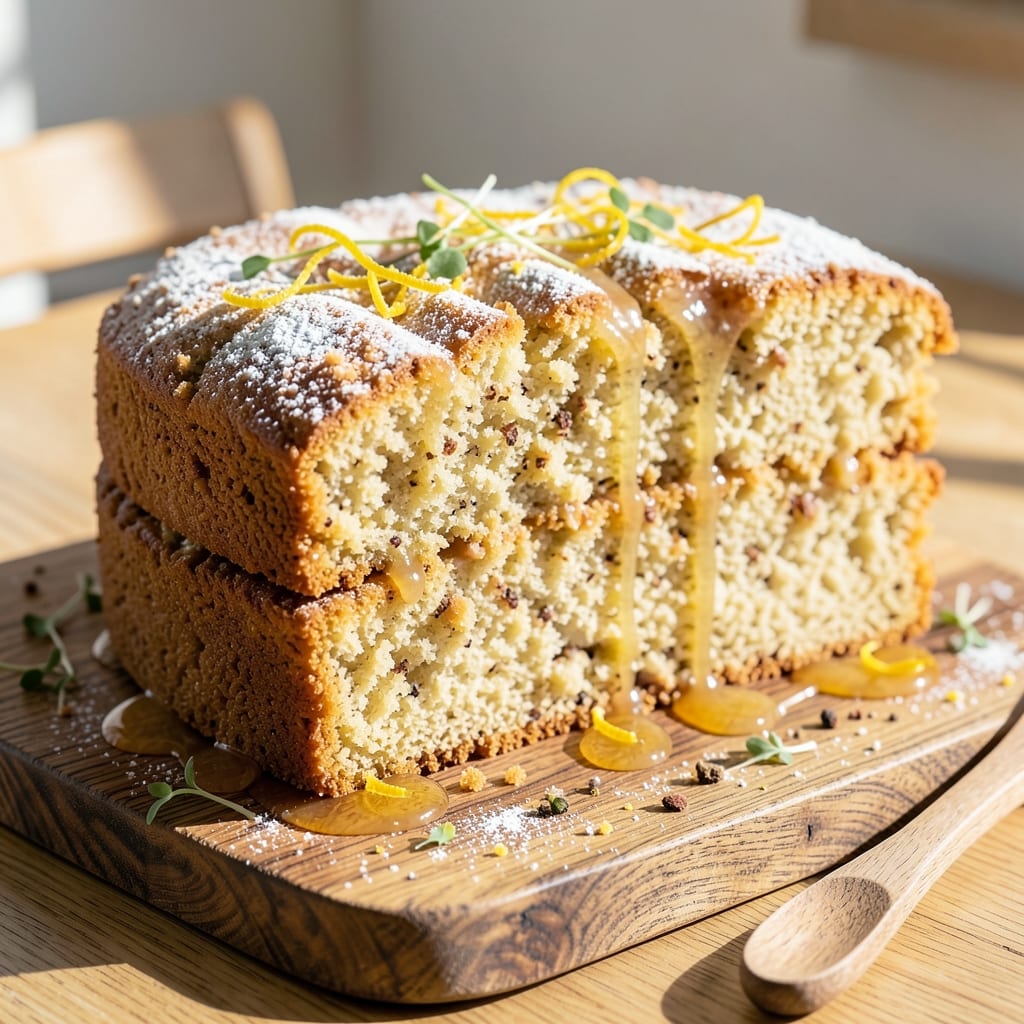
This almond flour lemon pound cake delivers the perfect balance of bright citrus and tender crumb without a single grain of gluten. 💛 The secret lies in the combination of almond flour—rich in natural oils—and a precise ratio of buttermilk and eggs, which create a moist texture that traditional pound cakes can't match. After years of experimenting with gluten-free baking, I've finally perfected a recipe that stays tender for days, not dry after an hour.
The foundation starts with properly prepared almond flour—finely ground and sifted to avoid grittiness—and freshly zested lemon peel for maximum flavor without bitterness. A splash of lemon juice keeps the cake vibrant while balancing the natural sweetness of the almond flour. The baking process is straightforward, but timing is critical: just minutes too long, and the texture suffers. This recipe ensures a golden, domed cake with a fine crumb that's light yet substantial.
What makes this cake truly special is its ability to stay moist for days, thanks to the egg-rich batter and careful moisture balance. The result is a slice that's bright with lemon, nutty from the almond flour, and perfectly tender—not dense or crumbly. It's the kind of cake that feels indulgent yet light, ideal for brunch or dessert without the guilt of refined flour. The natural sweetness of the almond flour means you can reduce sugar slightly without sacrificing flavor.
Serve it plain with a dusting of powdered sugar, or elevate it with a citrus glaze for extra shine. The cake pairs beautifully with fresh berries or a dollop of whipped cream, making it versatile enough for any occasion. Whether you're baking for a special event or simply craving something bright and delicious, this recipe delivers every time.
Ingredients for almond flour lemon pound cake
Bright citrus meets nutty richness in this gluten-free masterpiece—just twelve ingredients for perfect texture.
| Ingredient | Amount | Notes |
|---|---|---|
| Almond Flour 🌰 | 3 cups | Finely ground, sifted for smooth texture |
| Granulated Sugar 🍚 | 1 ½ cups | Light brown sugar adds moisture |
| Large Eggs 🥚 | 6 whole | Room temperature for even baking |
| Unsalted Butter 🧈 | 1 ½ cups | Softened, full-fat for richness |
| Buttermilk 🥛 | 1 cup | Full-fat for optimal moisture |
| Fresh Lemon Zest 🍋 | 2 tbsp | From organic lemons, finely grated |
| Fresh Lemon Juice 🍋 | ¼ cup | Strained, no pulp for smooth batter |
| Baking Powder 🍞 | 1 tsp | Diamond Crystal brand preferred |
| Salt 🧂 | ½ tsp | Fine sea salt for balance |
| Vanilla Extract 🌸 | 1 tbsp | Pure Madagascar bourbon preferred |
| Powdered Sugar 🍚 | ½ cup | For dusting, sifted |
| All-Purpose Flour 🌾 | ¼ cup | Xanthan gum substitute if needed |
Almond flour is non-negotiable here. Bob's Red Mill or Anthony's Goods brands are your best bets—finely ground and free from grit. The difference between store-bought and homemade ground almond flour is noticeable; if you're grinding your own, pulse in short bursts to avoid overheating. For the lemons, organic is ideal—conventional lemons can have a waxy residue that affects zest quality. Whole Foods or local markets usually carry organic lemons with vibrant peels. The butter must be full-fat; reduced-fat versions compromise moisture. Store your almond flour in the freezer to prevent rancidity—it keeps for 6 months this way.
No almond flour? Coconut flour at half the amount plus extra eggs works, but texture will differ. Substituting citrus? Orange zest and juice at the same ratio, but flavor will shift. The baking powder is critical—Diamond Crystal measures differently than other brands, so don't swap. For a lighter crumb, separate the egg whites and whip them to soft peaks before folding. The vanilla extract should be pure; imitation extracts have a chemical aftertaste that ruins the delicate citrus notes. If you're concerned about gluten, the all-purpose flour is just for binding—omit entirely if strict, but expect slightly denser texture.
This cake stays moist for 5 days when stored in an airtight container at room temperature, or 2 weeks in the fridge. For longer storage, wrap tightly in plastic and freeze for up to 3 months. The lemon glaze (powdered sugar + lemon juice) keeps for 1 week in the fridge. I always bake two cakes—one for immediate serving, one for freezing. The cake reheats beautifully in a 300°F oven for 10 minutes to restore freshness. Avoid storing with strong-smelling foods; the almond flour absorbs odors.
Why You'll Love This Recipe
- No Mixing Madness: I swear by this recipe because it’s basically a dump-and-bake. The almond flour and sugar go in first, then the butter and eggs just fold right in—no sifting, no overworking. The buttermilk keeps it tender without any fuss, and the lemon zest (if you add it) infuses while you’re mixing.
- Zesty Magic: That bright lemon flavor cuts through the richness of the butter and almond flour like a breath of fresh air. The cake’s got this perfect balance—sweet but not cloying, moist but not heavy. Honestly, the first time I tried it, I ate half the batter before I even baked it.
- Weekend or Weeknight: This cake is my go-to for brunch, dessert, or even a quick snack. Slice it into squares for a fancy charcuterie board, or serve it plain with tea—it works everywhere. And because it’s not overly sweet, it’s the kind of cake that won’t leave you feeling sluggish afterward.
- Budget-Friendly Luxury: Almond flour might seem pricey, but a little goes a long way here, and the cake keeps beautifully for days. I’ve had it for breakfast, lunch, and dinner—it’s that good. Plus, the leftovers taste just as fresh as day one, so you’re not stuck with a sad, dry cake. Win.
Step-by-step instructions for almond flour lemon pound cake
Here's how to create a tender, citrus-infused pound cake with perfect moisture every time.
👨🍳 Step 1: Prepare the Almond Flour Base
Preheat your oven to 350°F and grease a 9x5-inch loaf pan thoroughly with butter, then dust with 0.25 cup all-purpose flour, tapping out any excess. In a large mixing bowl, whisk together the 3 cups almond flour and 1.5 cups granulated sugar until completely combined. This creates a fine, airy foundation that prevents dense texture.
I like to sift the almond flour first to eliminate any lumps—this ensures a smoother batter. The sugar helps distribute moisture evenly throughout the cake, which is especially important when using almond flour since it absorbs liquid differently than wheat flour. Set this mixture aside while you prepare the wet ingredients.
🍳 Step 2: Cream Butter and Eggs for Maximum Moisture
In a separate large bowl, beat the 1.5 cups softened unsalted butter (it should be pliable but not melted) with the 6 whole large eggs on medium speed for 3-4 minutes until light and fluffy. The butter should nearly double in volume and turn pale yellow—this incorporates air that will create a tender crumb.
Here's the thing—adding the eggs last ensures they emulsify properly with the butter, creating a stable base for the citrus flavors. If the mixture looks curdled at first, don't worry—it will come together when you add the buttermilk. The butter's fat content is crucial for moisture in almond flour cakes, so don't skip this step or use reduced-fat alternatives.
🥘 Step 3: Combine Wet Ingredients and Infuse Lemon Flavor
Add the 1 cup buttermilk, 2 tbsp fresh lemon zest, 0.25 cup fresh lemon juice, 1 tbsp vanilla extract, 1 tsp baking powder, and 0.5 tsp salt to the butter-egg mixture. Mix on low speed just until combined—about 30 seconds. Overmixing develops gluten in the small amount of all-purpose flour, which can make the cake slightly tough.
The lemon zest and juice work together to create that bright, complex citrus flavor. I always use freshly zested lemons because bottled zest lacks the same vibrant aroma. The baking powder provides lift, while the salt balances the sweetness. The buttermilk adds moisture and a subtle tang that complements the lemon beautifully.
🥘 Step 4: Fold in Dry Ingredients for Perfect Texture
Gradually add the almond flour-sugar mixture to the wet ingredients, mixing on low speed just until the batter comes together. It will be thick but pourable—this is normal for almond flour cakes. Don't overmix; you're looking for a smooth, consistent batter with no dry spots. The texture should resemble thick pancake batter.
Once fully combined, pour the batter into your prepared loaf pan and smooth the top with a spatula. Tap the pan gently on the counter to release any air bubbles. The batter should fill the pan about ¾ full—it won't rise dramatically like wheat flour cakes, so we want maximum volume in the pan.
🔥 Step 5: Bake Until Golden and Springy
Bake for 50-55 minutes until the top is golden brown and a toothpick inserted in the center comes out clean (or with a few moist crumbs—this is normal for almond flour cakes). The cake will pull away slightly from the edges of the pan, and the internal temperature should reach 205-210°F.
I know it seems like a long bake time, but almond flour requires more time to fully cook through without drying out. Don't open the oven door during baking—this causes the cake to sink. If the top browns too quickly, tent loosely with aluminum foil. Let the cake cool in the pan for 15 minutes before transferring to a wire rack to cool completely.
Pro Tips For Making Almond Flour Lemon Pound Cake
- WHISK EGGS AND BUTTER FIRST: Almond flour is heavy, so mix the eggs and butter together until fully emulsified before adding anything else—this prevents a dense, crumbly texture. I used to skip this step and ended up with a cake that tasted more like almond-flour cookies than pound cake.
- MEASURE ALMOND FLOUR BY WEIGHT: Scooping almond flour by volume leads to dry, uneven batches—it packs differently than all-purpose flour. Use a kitchen scale for precision; 1 cup of almond flour typically weighs about 100–110 grams. (Yes, it feels like overkill, but the texture will be worth it.)
- DON’T OVERMIX THE BATTER: Once you fold in the buttermilk and lemon zest, stop mixing as soon as the ingredients are just combined. Overmixing introduces too much air, which can cause the cake to sink or develop tunnels. A few lumps are fine—this isn’t cookie dough.
- BAKE AT 325°F, NOT HIGHER: Almond flour burns faster than wheat flour, and 350°F will give you a dark crust before the center is done. Stick to 325°F and check for doneness at 45–50 minutes with a toothpick—it should come out clean but slightly moist. (If it’s dry, your cake will be tough.)
Make-ahead tips for this dish
Pre-Baking Prep
Prepare your cake batter the night before—this is my secret for perfect texture. Mix all ingredients except the lemon zest (add it fresh morning-of to preserve brightness) and refrigerate the batter overnight. The cold butter and buttermilk create a more stable emulsion, preventing dryness. Cover tightly with plastic wrap to avoid skin formation. 💫
Storage Containers
Use glass airtight containers (like Pyrex) for storage—they maintain moisture better than plastic. For short-term storage (3 days), keep at room temperature. For longer storage, slice the cake and freeze individual portions in ziplock bags with all air removed. Label with dates to track freshness.
Freezing Techniques
Freeze the fully cooled cake (unfrosted) for up to 3 months—wrap it tightly in plastic wrap first, then place in a freezer bag. Thaw overnight in the fridge before serving. For quick reheating, slice and warm frozen pieces in a 300°F oven for 10-12 minutes until just heated through. The texture remains moist when reheated properly.
Make-Ahead Glaze
Prepare the citrus glaze (powdered sugar + lemon juice) in advance and store it in a small airtight container in the fridge. The glaze keeps for 1 week—shake well before using. I like to make a double batch so I always have it ready. Apply the glaze to chilled cake slices just before serving for maximum shine and flavor.
Portioning Tips
Slice the cake while still slightly warm for cleaner cuts. Use a serrated knife and dip it in hot water between slices to prevent sticking. Wrap individual slices in parchment paper and store in a ziplock bag for easy grab-and-go servings. These pre-portioned slices stay fresh for 4 days in the fridge.
Reheating Methods
For the best results, reheat slices in a 350°F oven for 8-10 minutes with a splash of water in the pan. Microwave reheating works in 20-second bursts on medium power, but the texture becomes slightly drier. Always cover with a damp paper towel to retain moisture during reheating. 🔥
Nutrition facts
Frequently asked questions
Why does my almond flour lemon cake turn out dry?
Almond flour absorbs moisture differently than wheat flour, so the key is proper preparation. Make sure your butter is softened but not melted and your eggs are room temperature. Also, don't overbake—almond flour cakes are done when a toothpick comes out with moist crumbs, not clean. The cake continues cooking slightly after removal from the oven.
Can I substitute almond flour with another gluten-free flour?
While you can try coconut flour or oat flour, the texture will differ significantly. Coconut flour requires extra eggs and liquid, while oat flour lacks the natural oils that keep this cake moist. For best results, stick with almond flour or use a 1:1 blend of almond flour and oat flour, but expect a denser texture. The lemon flavor will still shine through!
How do I make this cake more moist for longer?
Store it in an airtight container at room temperature for up to 5 days, or slice and freeze portions for 3 months. For reheating, wrap slices in a damp paper towel and warm in a 350°F oven for 8-10 minutes—this restores moisture better than microwaving. The buttermilk and eggs in this recipe already create a naturally moist crumb, but proper storage is key.
Can I make this cake without buttermilk?
Yes! Mix 1 cup milk (any kind) with 1 tablespoon lemon juice and let sit for 5 minutes to curdle. This DIY buttermilk works perfectly and maintains the cake's moisture. The acidity from the lemon juice also enhances the citrus flavor, so it's actually a bonus for this recipe!
What's the best way to serve this lemon pound cake?
Serve warm with a dusting of powdered sugar and fresh berries, or drizzle with a simple citrus glaze (mix 0.5 cup powdered sugar with 1 tablespoon lemon juice). It pairs beautifully with vanilla ice cream or a dollop of whipped cream. For a sophisticated touch, add edible lemon flowers or a sprinkle of flaky sea salt to balance the sweetness.