
Desserts
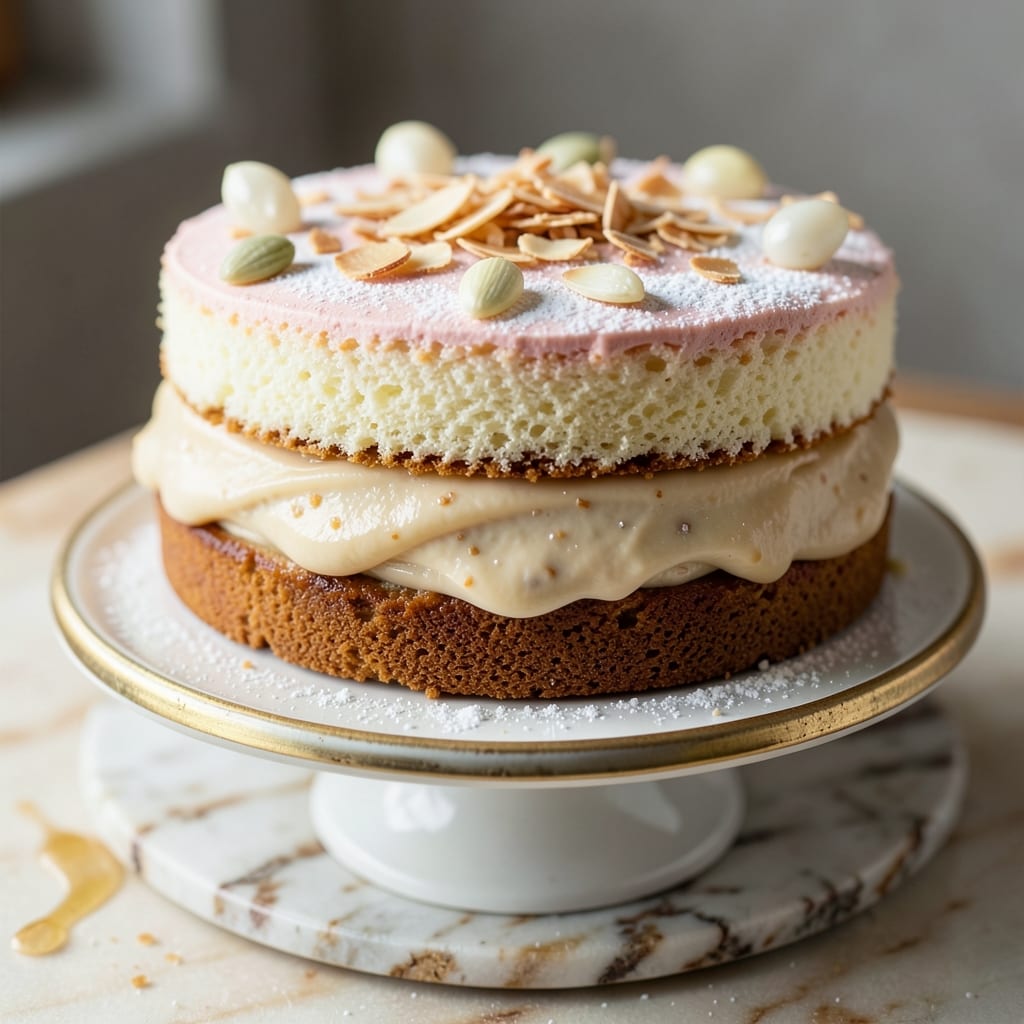
This badam cake recipe in Tamil brings the beloved South Indian tradition of almond-filled sweetness to your kitchen with a silky, melt-in-your-mouth texture that’s impossible to resist. 💛 The secret lies in perfectly soaked almonds and a light, airy batter that bakes into golden perfection—just like your favorite pongal or festive dessert. What makes this recipe special is its balance of rich almond flavor and tender crumb, achieved through traditional techniques passed down through generations.
The process starts with soaking almonds to soften them just right, ensuring they add moisture and richness without overpowering the delicate cake. The batter is folded gently to maintain its airiness, and baking at the right temperature guarantees a moist, fluffy interior with a lightly crisp exterior. This recipe is perfect for special occasions like Diwali or weddings, where traditional sweets are a must, but it’s simple enough for everyday indulgence.
By the time you pull this cake from the oven, you’ll have a golden, fragrant dessert that’s as beautiful as it is delicious. The almond filling adds bursts of nutty flavor in every bite, while the tender crumb melts on your tongue. Whether you’re serving it warm with a dusting of powdered sugar or at room temperature with a cup of chai, this cake will become a family favorite.
For those new to Tamil baking, don’t worry—this recipe includes clear steps and tips to ensure success, even if you’re not fluent in the language. Let’s get started on creating this classic Tamil treat that’s sure to impress!
Ingredients for badam cake recipe in tamil
Eight ingredients transform into this golden Tamil dessert with almond-filled bliss.
| Ingredient | Amount | Notes |
|---|---|---|
| Almonds (whole, skinless) 🥜 | 1 ½ cups | Soaked 2 hours in warm water |
| All-Purpose Flour 🌾 | 2 cups | Sifted, no lumps |
| Granulated Sugar 🍚 | 1 ½ cups | Fine white sugar preferred |
| Powdered Sugar 🍚 | 1 cup | For dusting |
| Unsalted Butter 🧈 | 1 cup | Room temperature, full-fat |
| Large Eggs 🥚 | 4 whole | Room temperature |
| Baking Powder 🧂 | 1 tsp | Aluminum-free preferred |
| Vanilla Extract 🍯 | 1 tsp | Pure Madagascar vanilla |
| Cardamom Powder 🌿 | ½ tsp | Ground, aromatic |
| Saffron Strands 🌼 | ⅛ tsp | Soaked in 1 tbsp warm milk |
| Milk (whole) 🥛 | ½ cup | Warm, for saffron soaking |
| Ghee (clarified butter) 🧈 | 2 tbsp | For almond filling |
| Rose Water 🌸 | ½ tsp | Pure, food-grade |
| Salt 🧂 | ¼ tsp | Fine sea salt |
The almonds are the heart of this cake—skinless, whole almonds from Whole Foods bulk bins give the best texture. Soak them for exactly 2 hours in warm water (not boiling) to soften without turning mushy. For cardamom, Penzeys Spices has the best ground variety—it's aromatic and potent. The saffron? Local spice markets often sell authentic strands at better prices than grocery stores. Don't skip soaking the saffron in warm milk first—it releases the color and flavor beautifully.
No cardamom powder? Fresh cardamom pods ground to powder works even better, but cinnamon at half the amount gets you close in a pinch. Running low on saffron? Turmeric at one-tenth the amount adds color (though no saffron flavor). For the almond filling, Trader Joe's almond butter is a great shortcut if you're in a hurry—just thin it with ghee. The butter must be room temperature for the batter to be light, so let it sit out for 30 minutes if it's cold from the fridge.
This cake keeps beautifully—3 days at room temperature wrapped in cloth, or 1 week refrigerated in an airtight container. For longer storage, slice and freeze portions for up to 3 months. The almond filling hardens when chilled, so bring it to room temperature before serving. I always make double batches—half for immediate serving, half for gifting during Diwali or weddings. The flavor actually improves after a day or two as the almonds meld with the batter.
Why You'll Love This Recipe
- Here’s the thing: almonds might sound fancy, but this recipe uses whole skinless ones—cheaper than slivered, and they soak up the butter like sponges. A single batch feeds six, and leftovers? They last forever in the fridge, tasting fresh every time.
- No-Fuss Mixing: I swear by this recipe because it’s literally three bowls and a whisk—no stand mixer, no overworking the batter. The almonds get pulsed in the food processor (two minutes max), then folded into the flour and butter like you’re making a lazy Sunday brunch.
- Nutty Luxe: That first bite of buttery almond cake? It’s like dessert sneaked into your snack time. The skinless almonds add a velvety texture, while the powdered sugar on top turns it into this ridiculously light, crumbly treat—no heavy frosting needed.
- Party or Pajamas: Between us, this cake is my go-to for anything—birthday spread, tea-time guilt, or when I’m too tired to bake. Slice it thin for finger sandwiches, cube it for trifle, or just eat it straight from the pan. (Yes, even on a Tuesday night.)
Step-by-step instructions for badam cake recipe in Tamil
Here's how to create this luxurious almond cake with a silky crumb and fragrant filling.
👨🍳 Step 1: Prepare the Almond Filling
Drain the soaked almonds and pat them dry thoroughly with paper towels. In a food processor, pulse them until you achieve a fine, powder-like consistency—this should take about 1-2 minutes. Transfer the almond powder to a mixing bowl and set aside.
In a small saucepan, melt the 2 tablespoons ghee (clarified butter) over low heat. Add the 1.5 cups almond powder, 1 cup granulated sugar, 0.5 teaspoon cardamom powder, 0.5 teaspoon rose water, and 0.25 teaspoon salt. Stir continuously for 5-7 minutes until the mixture thickens and pulls away from the sides of the pan. Let it cool completely before using.
👨🍳 Step 2: Mix Dry Ingredients for the Cake
In a large mixing bowl, sift together the 2 cups all-purpose flour, 1 teaspoon baking powder, and the remaining 0.5 teaspoon cardamom powder. Whisk gently to combine and remove any lumps. Set aside.
In a separate bowl, soak the 0.125 teaspoon saffron strands in 1 tablespoon warm milk for 10 minutes to extract their vibrant color and delicate flavor. Strain through a fine sieve to remove any strands, then add the strained saffron milk to the remaining 0.5 cup warm milk in a measuring cup.
🍳 Step 3: Cream Butter and Sugar
In a stand mixer fitted with the paddle attachment, beat the 1 cup unsalted butter (at room temperature) and 1.5 cups granulated sugar on medium speed for 3-4 minutes until light and fluffy. The mixture should nearly triple in volume and become pale in color—this incorporates air that creates the cake's silky texture.
Add the 4 whole large eggs one at a time, mixing well after each addition. Then add the 1 teaspoon vanilla extract and the saffron-milk mixture, mixing until just combined. Scrape down the sides of the bowl to ensure even distribution.
🥘 Step 4: Combine Wet and Dry Ingredients
With the mixer on low speed, gradually add the dry ingredients to the wet mixture. Mix just until combined—you'll still see some flour streaks, which is perfect. Overmixing develops gluten and makes the cake dense.
Gently fold in the cooled almond filling using a spatula, being careful not to deflate the batter. The mixture will look thick and slightly streaked with almond filling—this is exactly what we want for that signature layered texture.
🔥 Step 5: Bake to Golden Perfection
Preheat your oven to 350°F and grease two 8-inch round cake pans with butter, then line the bottoms with parchment paper. Divide the batter evenly between the pans. Bake for 30-35 minutes or until a toothpick inserted in the center comes out clean and the top springs back when touched.
Once baked, let the cakes cool in the pans for 10 minutes, then transfer to a wire rack to cool completely. Dust the tops with 1 cup powdered sugar just before serving for that classic badam cake finish.
Pro Tips For Making Badam Cake Recipe In Tamil
- TOAST ALMONDS LOW: Soak your skinless almonds for 2 hours first, then toast them at 150°C (300°F) for 12-15 minutes—just until golden, not brown. I learned the hard way that high heat turns them bitter; this keeps them nutty and sweet.
- SIFT FLOUR TWICE: Badam cake batter is dense, so sift your all-purpose flour twice—once before mixing, once after adding baking powder. This prevents lumps and guarantees a lighter crumb, especially when paired with ground almonds.
- CHILL BATTER 30 MIN: Don’t rush baking—let the batter sit in the fridge for at least 30 minutes before pouring into the pan. This stops the butter from melting too fast, giving you a smooth rise and even texture (yes, even if you’re impatient like me).
- USE POWDERED SUGAR LAST: Add powdered sugar after baking, not before—it’ll dissolve into the batter and make the cake soggy. Sprinkle it lightly over the cooled cake for that signature dusting, or mix a tablespoon into the butter for a subtle sweetness upgrade.
Health benefits of this badam cake recipe in tamil
Heart-Healthy Nutrients
This badam cake delivers a surprising nutritional boost through its star ingredient: almonds. A single serving contains about 6 grams of plant-based protein and 3 grams of dietary fiber, which support heart health by lowering LDL cholesterol. The almonds also provide vitamin E—a powerful antioxidant that protects cells and keeps your skin glowing. 💛
Rich in Healthy Fats
The almonds contribute monounsaturated fats (the same heart-healthy fats found in olive oil), which help reduce inflammation and support brain function. These fats are metabolized slowly, preventing blood sugar spikes that make this cake a better choice than refined flour desserts. The ghee in the filling adds conjugated linoleic acid (CLA), a fat linked to improved metabolism.
Blood Sugar Balance
Unlike many store-bought cakes loaded with refined sugar, this recipe balances sweetness with protein and fiber from almonds. The low glycemic index of almond flour (even though we use regular flour here) means blood sugar rises more gradually. Pairing this cake with a cup of green tea or turmeric milk enhances these benefits by improving insulin sensitivity.
Bone-Strengthening Minerals
Almonds are one of the best plant sources of magnesium and phosphorus, essential minerals for bone health. A serving provides about 20% of your daily magnesium needs, which supports muscle function and nerve signaling. The cardamom in the recipe adds potassium, helping regulate blood pressure while balancing the sodium from the salt.
Antioxidant Powerhouse
The saffron strands in this recipe aren't just for color—they contain crocin and safranal, potent antioxidants that combat oxidative stress. Rose water adds flavonoids, while almonds provide quercetin. Together, these compounds help reduce chronic inflammation, making this cake a surprisingly healthful indulgence. ✨
Nutrition facts
Frequently asked questions
Why do we soak almonds before making badam cake?
Soaking almonds for 2 hours softens them just enough to create a smooth, creamy texture in the filling. This prevents the cake from becoming dry or crumbly while adding natural moisture. The process also helps release more flavor, making each bite richer. If you forget to soak, you can pulse them extra in the food processor, but the texture won't be as silky.
Can I substitute almonds with other nuts in this recipe?
Yes, but the flavor and texture will change. Cashews work well for a smoother filling, while pistachios add a vibrant green color and earthy taste. For a traditional Tamil version, stick with almonds—they're essential for that signature nutty aroma. If using substitutes, adjust the soaking time (cashews need only 30 minutes), and you may need to add 1 extra tablespoon of ghee to compensate for lower fat content.
How do I prevent my badam cake from becoming dry?
Overbaking is the #1 cause of dryness! Remove the cake from the oven when a toothpick comes out with a few moist crumbs (not completely clean). For extra moisture, brush the warm cake layers with 1 tablespoon of warm milk or rose water before assembling. Wrapping the cooled cake in a damp cloth for 1 hour before dusting with powdered sugar also keeps it soft. Never bake in a hotter-than-350°F oven—this burns the exterior before the center cooks.
Is this badam cake gluten-free?
No, this traditional recipe uses all-purpose flour, which contains gluten. For a gluten-free version, replace the flour with a 1:1 gluten-free baking blend (like Bob's Red Mill) and add 1 extra tablespoon of xanthan gum to improve texture. Expect the cake to be slightly denser, and you may need to reduce the baking time by 2-3 minutes. The almond filling remains the same, but check that your gluten-free flour doesn't contain almonds if you have allergies.
Can I make this cake without an oven?
Yes! For a stovetop version, use a heavy-bottomed pan and bake over low heat with a lid on. Monitor closely—it takes 45-60 minutes and requires stirring every 5 minutes to prevent burning. The texture will be denser, but still delicious. For a microwave method, divide the batter into a greased dish and cook at 70% power for 8-10 minutes, then let it rest 15 minutes before slicing. Neither method replaces oven-baked perfection, but they work in emergencies!