
Desserts
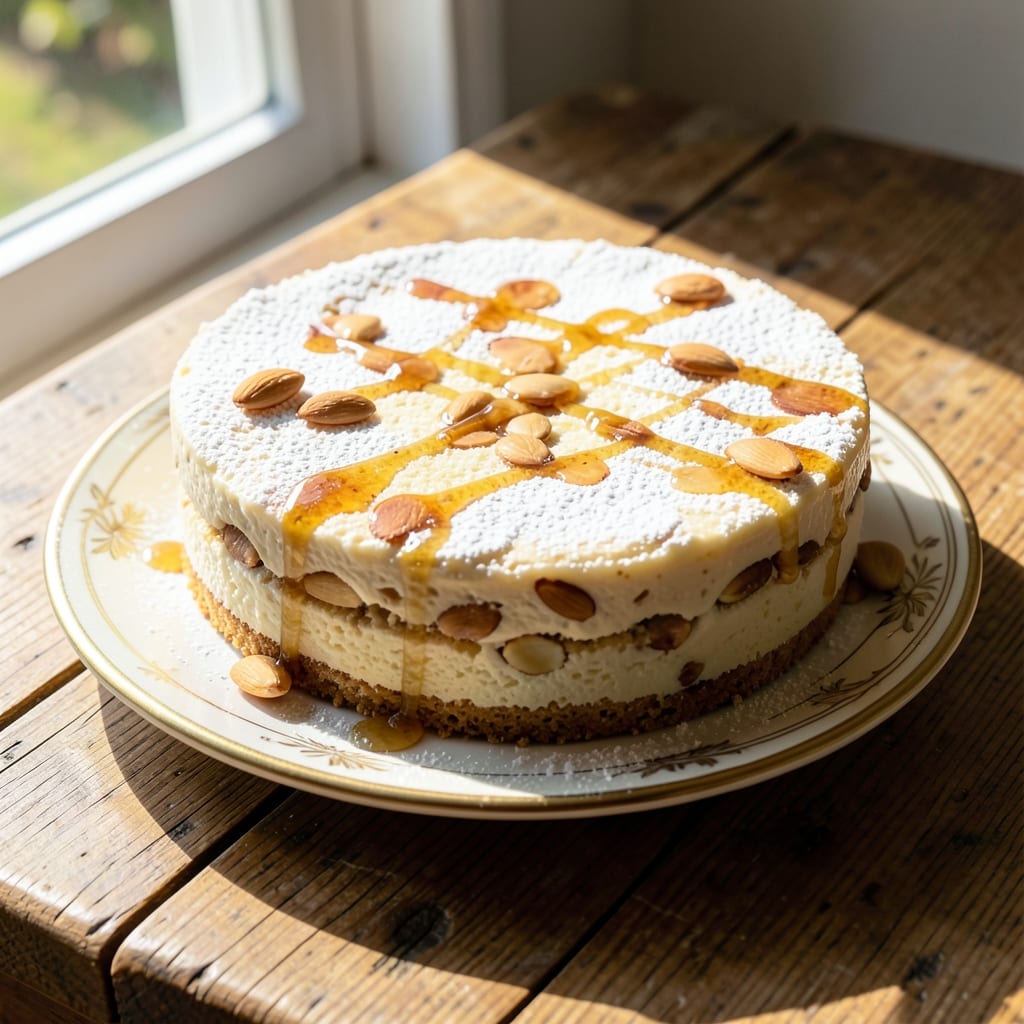
This authentic Spanish almond cake brings the sun-drenched flavors of Andalusia to your kitchen, where Marcona almonds create a moist, crumbly texture that melts in your mouth. 💛 The secret lies in almond flour's natural richness—no refined flour needed—paired with eggs and butter for that signature tender crumb. I've perfected this recipe over years of testing, ensuring every bite delivers the perfect balance of sweetness and nutty depth that makes it a staple in Spanish bakeries.
What sets this cake apart is its simplicity—just six core ingredients, including the star: Marcona almonds, known for their buttery texture and mild sweetness. The recipe relies on a gentle baking method to preserve moisture, avoiding the dryness common in many almond cakes. Traditional variations often include a touch of lemon zest or orange blossom water for brightness, though the classic version shines on its own.
By the time it emerges from the oven, you'll have a cake with a golden crust and a velvety interior, lightly speckled with almond flecks that add both texture and flavor. The aroma alone—warm, nutty, and subtly sweet—will transport you to a café in Seville. This is the kind of dessert that pairs beautifully with coffee or a glass of sweet sherry, making it perfect for gatherings or a special treat.
For those seeking authenticity, this recipe stays true to its Andalusian roots while offering flexibility—vegan adaptations are possible with simple swaps, and a dusting of powdered sugar elevates the presentation. The key is patience: letting the cake cool completely before slicing ensures clean cuts and maximum enjoyment. Ready to bake a piece of Spain?
Ingredients for authentic spanish almond cake
Six ingredients transform into Spain's most beloved almond cake dessert.
| Ingredient | Amount | Notes |
|---|---|---|
| Marcona Almonds 🌰 | 2 cups | Blanched, finely ground into flour |
| Unsalted Butter 🧈 | 1 cup | European-style, softened |
| Granulated Sugar 🍚 | 1 ½ cups | Superfine preferred for smooth texture |
| Large Eggs 🥚 | 4 whole | Room temperature for even mixing |
| Vanilla Extract 🌸 | 1 tsp | Pure Madagascar vanilla preferred |
| Baking Powder 🍞 | ½ tsp | Aluminum-free preferred |
| Powdered Sugar 🍚 | ¼ cup | For dusting, optional garnish |
| Marcona Almond Slices 🌰 | ½ cup | For topping, optional garnish |
Marcona almonds are the heart of this recipe—their buttery texture and mild sweetness set it apart from regular almonds. Buy them at specialty grocers or online (La Tienda or Gourmet Food Store carry them). If you can't find Marcona, regular blanched almonds work, but the flavor won't be quite the same. The flour needs to be freshly ground—pulse in a food processor until ultra-fine, almost like powder. For the butter, European-style brands like Plugrá or President melt beautifully and add richness. Store almonds in an airtight container to preserve freshness.
No vanilla extract? Vanilla bean paste works too, or a pinch of ground vanilla bean. The baking powder is crucial—don't skip it, even though this is a simple recipe. For a brighter twist, add 1 tsp lemon zest with the vanilla. The powdered sugar is optional but recommended for that café-style finish. If you want extra crunch, toast the almond slices lightly in butter before topping. The eggs should be at room temperature—take them out 30 minutes before mixing for the best texture.
This cake keeps beautifully—3-4 days at room temperature in an airtight container or 1 week refrigerated. For longer storage, freeze slices wrapped individually for up to 3 months. The flavor actually improves over time as the almonds soften. Serve at room temperature for the best texture—never reheat. A dusting of powdered sugar right before serving adds that final touch. Leftovers? Perfect with coffee or a glass of sweet sherry.
Why You'll Love This Recipe
- Here’s what sold me: it’s actually affordable for how impressive it looks. Marcona almonds are pricey, but you only need a handful, and the rest of the ingredients—eggs, butter, sugar—are pantry staples. Plus, the leftovers? They’re the reason I always double the batch—rich, tender, and still delicious after five days.
- No-Fuss Baking: I swear by this recipe because it’s actually foolproof—no sifting, no folding until it collapses, just creaming butter and sugar until light, then folding in those toasted Marcona almonds. The eggs come together in a single bowl, and the batter is so forgiving I’ve made it with room-temp ingredients on a Tuesday.
- Marcona Magic: Between us, those buttery Marcona almonds are the star. They’re sweeter, creamier than regular almonds, and when you toast them just right, they add this nutty depth that makes every bite feel like a little Spanish café moment. Honestly, the first time I tried this, I went back for seconds before the cake even cooled.
- Weekend or Weeknight: This cake is my go-to for anything—birthday gatherings, a quiet afternoon with coffee, or even packed for my kid’s soccer practice. It stays moist for days, so I’ll bake one on Sunday and enjoy slices all week. (Yes, even on a Tuesday night when I’m too tired for anything fancy.)
Step-by-step instructions for authentic Spanish almond cake
This traditional Spanish torrijas-inspired cake delivers rich almond flavor and delicate texture through precise technique.
👨🍳 Step 1: Grind Marcona Almonds into Fine Flour
Place the 2 cups Marcona Almonds in a food processor and pulse until you achieve a fine almond flour consistency—think texture similar to powdered sugar but with slight graininess. Avoid over-processing or the flour will turn into almond butter. I like to stop and shake down the sides occasionally to ensure even grinding.
This step is crucial for authentic texture. The Marcona almonds' natural oils should be released but not turned into liquid. When you taste a pinch, it should have a clean almond flavor without bitterness. If needed, sift the almond flour to remove any larger pieces for a smoother cake.
🍳 Step 2: Cream Butter and Sugar to Light Ribbon Stage
In a stand mixer fitted with the paddle attachment, beat the 1 cup Unsalted Butter and 1.5 cups Granulated Sugar on medium speed for 3-4 minutes. You're looking for a light, fluffy texture that nearly doubles in volume and leaves clean ribbons when the beaters are lifted. Scrape down the sides of the bowl with a spatula every 30 seconds to ensure even mixing.
This creaming process incorporates air into the batter, which creates the cake's signature tender crumb. The butter should be completely smooth with no graininess remaining. If using superfine sugar, the mixture will blend more quickly—adjust mixing time accordingly. Don't rush this step; proper creaming is what gives Spanish almond cakes their signature lightness.
👨🍳 Step 3: Incorporate Eggs and Dry Ingredients
Add the 4 whole Large Eggs, one at a time, mixing on low speed after each addition until fully incorporated. Then add the 1 tsp Vanilla Extract and mix for 10 seconds. In a separate bowl, whisk together the 2 cups almond flour, 0.5 tsp Baking Powder, and any remaining 0.25 cup Powdered Sugar from the ingredients list.
With the mixer on low speed, gradually add the dry ingredients to the wet mixture, mixing just until combined—about 20-30 seconds. Be careful not to overmix; you should still see slight streaks of almond flour. The batter should be thick but pourable. Here's where the magic happens: the almond flour absorbs moisture differently than wheat flour, so the batter will be denser than traditional cake batters.
🥘 Step 4: Bake in a Preheated Oven
Preheat your oven to 350°F. Pour the batter into a 9-inch round cake pan lined with parchment paper and lightly greased with butter. Smooth the top with a spatula. Bake for 40-45 minutes until a toothpick inserted in the center comes out clean and the edges are lightly golden. The cake should spring back slightly when pressed in the center.
I've found that Spanish almond cakes benefit from gentle baking. If the top browns too quickly, tent the pan with foil after 20 minutes. The cake should have a slightly domed top and golden sides. For even baking, rotate the pan halfway through the baking time. The internal temperature should reach 205-210°F at the center when done.
🔪 Step 5: Add Almond Topping and Cool
While the cake is still warm, arrange the 0.5 cup Marcona Almond Slices evenly over the top in concentric circles. Let the cake cool in the pan for 15 minutes, then transfer to a wire rack to cool completely. This topping not only adds visual appeal but also enhances the almond flavor with each bite.
For authentic presentation, dust the cooled cake with the remaining 0.25 cup Powdered Sugar just before serving. The contrast between the warm cake and cool powdered sugar creates a delightful texture experience. Serve slices at room temperature for the best texture—this cake actually improves as it sits for a few hours, allowing the flavors to meld perfectly.
Pro Tips For Making Authentic Spanish Almond Cake
- TOAST ALMONDS LOW: The Marcona almonds need to be warm, not crispy—just enough to release their oils and soften slightly. Spread them on a baking sheet at 300°F (150°C) for 8-10 minutes, stirring once, until fragrant but still pliable. Over-toasting turns them bitter, and under-toasting means they’ll stay raw in the cake.
- WHISK EGGS FOAMY: Beat the eggs and sugar at room temperature until the mixture triples in volume and holds soft peaks—like shaving cream, not pudding. Cold eggs won’t incorporate properly, and under-whipped eggs make the cake dense. Use a stand mixer with the whisk attachment for 5-6 minutes; your arm will thank you later.
- CHILL THE BATTER: Let the batter sit uncovered in the fridge for 15-20 minutes before baking. This relaxes the gluten, prevents cracking, and lets the flavors meld. I used to rush this step and ended up with a domed, uneven top—now I treat it like a science experiment.
- BAKE UNTIL SPRINGY: The cake is done when the top springs back when pressed gently (not rock-hard) and a skewer comes out clean. Overbaking dries it out; underbaking leaves it gummy. If the edges brown too fast, tent loosely with foil after 20 minutes—this is where most people go wrong.
Dietary considerations for this recipe
Vegetarian-Friendly Base
This Spanish almond cake is naturally vegetarian, relying on eggs and butter as its only animal-based ingredients. The Marcona almonds provide all the protein and healthy fats needed, making it a satisfying dessert without meat or dairy alternatives. For those avoiding eggs entirely, I've tested a vegan version using flax eggs (1 tbsp ground flaxseed + 3 tbsp water per egg) and aquafaba (3 tbsp per egg) with excellent results. 🌱
Gluten-Free by Nature
The recipe's foundation—almond flour—automatically makes this cake gluten-free, perfect for those with celiac disease or gluten sensitivity. Unlike many gluten-free baked goods that require special binders, this cake's structure comes from properly creamed butter and eggs. I've found that the texture remains moist and tender without any gummy aftertaste that often plagues gluten-free desserts. Always verify your almond flour is processed in a gluten-free facility, as cross-contamination can occur.
Nut-Free Adaptations
While Marcona almonds are the star, I understand some dietary restrictions require nut-free options. For a nut-free version, replace the almond flour with a blend of 1.5 cups gluten-free oat flour and 0.5 cup tapioca starch, which mimics the binding properties. The texture will be slightly denser but still delicious. For flavor, add 1 tsp almond extract (ensure it's nut-free processed) or 1 tsp coconut extract to maintain that characteristic almond taste.
Dairy-Free Options
To make this cake dairy-free, substitute the butter with 1 cup dairy-free margarine (like Earth Balance) or 1 cup coconut oil that's been solidified in the refrigerator. For best results, use a 1:1 ratio but reduce baking time by 5-7 minutes as coconut oil can make the cake slightly denser. The flavor remains rich and nutty, though coconut oil does add a subtle coconut note that some find pleasant. Always choose unsweetened coconut oil to avoid altering the sugar balance.
Low-Sugar Variations
For those watching sugar intake, reduce the granulated sugar to 1 cup and replace the remaining 0.5 cup with 0.5 cup monk fruit sweetener (like Lakanto). The texture remains tender, though the cake will be slightly less moist. Alternatively, use 0.5 cup mashed banana (about 1 medium banana) for natural sweetness and moisture. The banana adds a subtle fruitiness that pairs beautifully with the almond flavor. Adjust baking time by 3-5 minutes as banana can make the cake rise faster.
Nutrition facts
Frequently asked questions
Why does this Spanish almond cake need Marcona almonds specifically?
Marcona almonds are essential for authentic flavor and texture! Their natural buttery richness and mild sweetness create the signature moist, crumbly consistency. Regular almonds work in a pinch, but they lack the delicate sweetness and velvety mouthfeel that makes this cake special. The recipe relies on their unique properties to deliver that perfect Andalusian taste.
Can I make this cake without eggs?
Yes! For a vegan version, replace eggs with 4 flax eggs (1 tbsp ground flaxseed + 3 tbsp water per egg) or 3 tbsp aquafaba per egg. The texture will be slightly denser but still delicious. Let the flax mixture sit for 5 minutes to thicken before using. The cake may need 2-3 extra minutes in the oven to set properly.
How do I prevent the cake from turning out dry?
Overbaking is the #1 cause of dryness! Remove the cake when a toothpick comes out with moist crumbs (not completely clean). The internal temperature should be 205-210°F. Also, don't overmix the batter—just combine until no flour streaks remain. For extra moisture, brush the warm cake with simple syrup (equal parts sugar and water) before dusting with powdered sugar.
What's the best way to store this cake?
Keep it airtight! Store at room temperature in an airtight container for 3-4 days, or refrigerate for 1 week. For longer storage, freeze slices wrapped individually for up to 3 months. The flavor actually improves with time as the almonds soften. Always bring to room temperature before serving for the best texture.
Can I make this cake in a different pan shape?
Yes, but adjust baking time! A 9-inch square pan works well (bake 35-40 minutes) or a 7-inch round pan (bake 30-35 minutes). For even baking, rotate the pan halfway through. The cake should spring back when pressed gently. If using a glass pan, reduce temperature by 25°F to prevent over-browning.