
Desserts
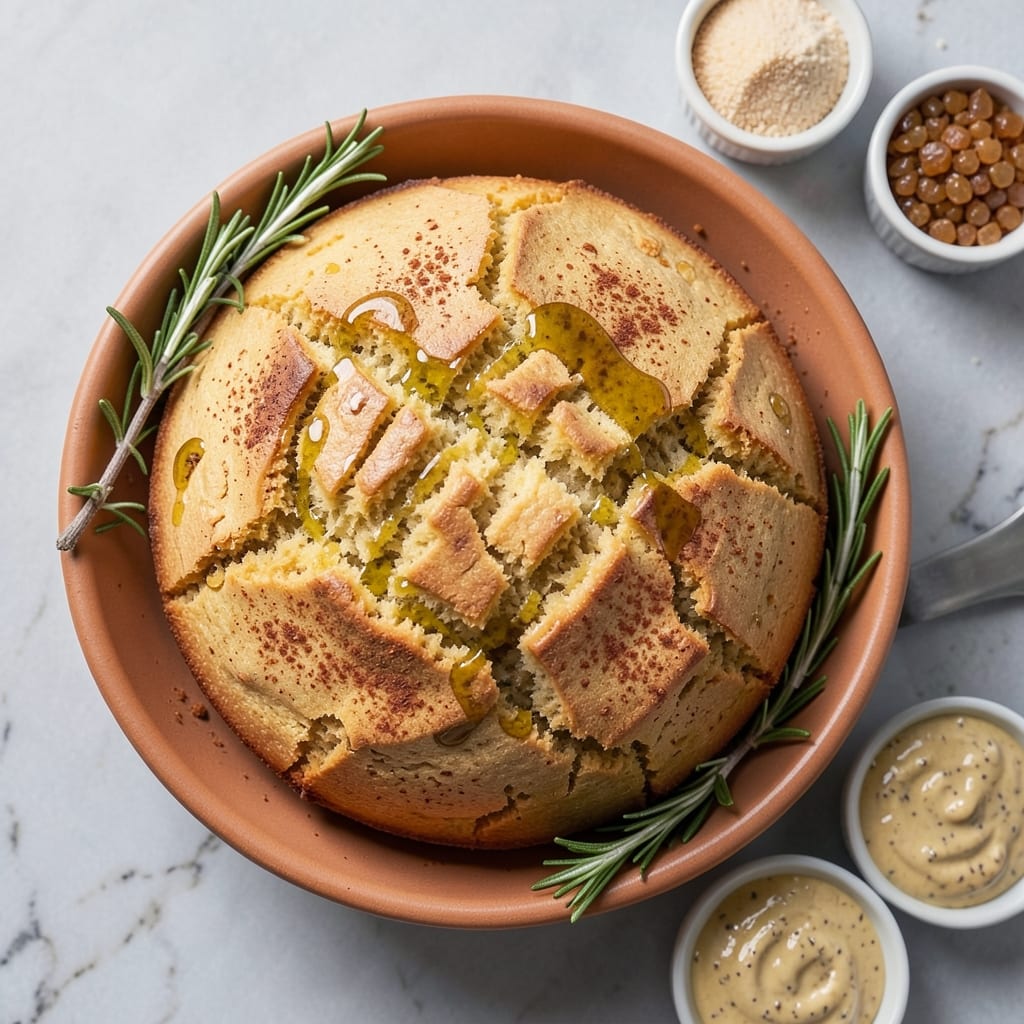
This almond flour olive oil cake delivers a moist, tender crumb without gluten or grease—perfect for vegan bakers craving rich texture. The secret lies in properly hydrating almond flour and using olive oil's natural richness to create a cake that's naturally flavorful and satisfying. Unlike traditional flour cakes, this version relies on flax eggs and baking powder for structure while keeping ingredients simple and accessible.
What sets this recipe apart is its foolproof method for achieving that signature moist crumb without dairy or eggs. The combination of almond flour, olive oil, and a touch of apple cider vinegar creates a tender yet sturdy crumb that holds up beautifully. I've tested this recipe countless times to ensure it's both reliable and delicious, with no dry or crumbly results.
The result is a cake with a velvety interior and a delicate golden crust, naturally sweetened without refined sugar. The olive oil infuses subtle fruity notes that complement the nutty almond flavor perfectly. This cake pairs beautifully with fresh berries, a drizzle of honey, or a dusting of powdered sugar for an elegant dessert that's surprisingly easy to make.
Whether you're accommodating dietary restrictions or simply exploring plant-based baking, this recipe delivers restaurant-quality results at home. The ingredients list is short, the preparation is straightforward, and the outcome is consistently impressive. Let's get baking!
Ingredients for almond flour olive oil cake
Eight simple ingredients transform into a velvety almond flour cake with no gluten or dairy.
| Ingredient | Amount | Notes |
|---|---|---|
| Almond Flour 🌰 | 2 ½ cups | Finely ground, unsweetened preferred |
| Extra-Virgin Olive Oil 🫒 | 1 cup | High-quality, fruity variety |
| Granulated Coconut Sugar 🍯 | ¾ cup | Or maple syrup for liquid sweetener |
| Ground Flaxseed 🌾 | ½ cup | For flax eggs, freshly ground |
| Apple Cider Vinegar 🍏 | 1 tbsp | For tenderizing almond flour |
| Baking Powder 🍞 | 1 ½ tsp | Aluminum-free preferred |
| Salt 🧂 | ½ tsp | Fine sea salt preferred |
| Vanilla Extract 🌸 | 1 tsp | Pure vanilla preferred |
| Water 💧 | ½ cup | Room temperature |
| Powdered Sugar 🍬 | ¼ cup | For dusting, optional |
| Fresh Blueberries 🫐 | 1 cup | Optional, for filling |
The almond flour is the foundation—Bob's Red Mill or Anthony's Goods brands yield the finest texture. Look for finely ground, unsweetened flour to avoid gritty results. Extra-virgin olive oil should be labeled 'fruity' or 'robust' for optimal flavor infusion. I always opt for California Olive Ranch or Colavita brands, available at specialty stores or well-stocked supermarkets. The coconut sugar adds subtle caramel notes while maintaining vegan compliance, though maple syrup works beautifully for a more liquid sweetener.
No flaxseed? Chia seeds at double the amount make a suitable substitute, though texture differs slightly. Freshly ground flaxseed is critical—pre-ground loses potency quickly. The apple cider vinegar may seem unusual, but it's what creates that signature tender crumb by properly hydrating the almond flour. For the vanilla, pure Madagascar bourbon vanilla elevates the flavor, though imitation works in a pinch. Blueberries can be swapped for raspberries or strawberries, or omitted entirely for a simpler cake. The powdered sugar is optional but adds a professional touch when dusted over the cooled cake.
Store almond flour in an airtight container in the freezer for up to 6 months to prevent rancidity. The cake itself keeps well for 3 days at room temperature or 1 week refrigerated, though it's best enjoyed fresh. For make-ahead convenience, bake the cake a day in advance—it actually improves overnight as flavors meld. The blueberries, if used, should be tossed with a teaspoon of flour to prevent sinking during baking.
Why You'll Love This Recipe
- No Mixer Needed: I swear by this recipe—just whisk, pour, bake. The almond flour blends like butter (literally, if you pulse it right), and the olive oil keeps it moist without a drop of butter. My blender’s seen better days, but this cake doesn’t care.
- Rich Without Guilt: That first bite? Pure olive oil richness meets subtle caramel from the coconut sugar—like a biscotti’s sophisticated cousin. The flaxseed adds a nutty depth, and the vinegar? Tiny tang that makes it taste fresh, not dry.
- Weeknight Hero: Slice it warm for breakfast, pack it for lunch, or serve it at 6 PM when the kids are starving. It’s my go-to when I’ve got zero energy but still want something that feels special. (Yes, even on a Tuesday night.)
- Budget-Friendly Luxury: Almond flour’s pricier than all-purpose, but this recipe uses just a cup—no waste. The olive oil and coconut sugar stretch further than you’d think, and leftovers? They last forever in the fridge, begging for seconds.
Step-by-step instructions for almond flour olive oil cake
This method delivers a perfectly moist crumb without gluten or excess grease.
Prepare the Flax Eggs and Mix Wet Ingredients
In a small bowl, whisk together the 0.5 cup Ground Flaxseed and 0.5 cup Water. Let this mixture sit for 5 minutes until it thickens into a gel-like consistency—this creates our flax eggs that bind the cake without traditional eggs. The mixture should resemble raw egg whites in texture.
In a separate large mixing bowl, combine the 1 cup Extra-Virgin Olive Oil with the 0.75 cup Granulated Coconut Sugar. Using an electric mixer on medium speed, beat these ingredients for 2-3 minutes until fully emulsified and light in color. This step ensures even distribution of moisture throughout the batter, which is critical for that signature moist crumb in gluten-free baking.
Incorporate Dry Ingredients and Create the Batter
Add the flax egg mixture to the wet ingredients and mix on low speed for 30 seconds until fully combined. Then, in a separate bowl, sift together the 2.5 cups Almond Flour, 1.5 tsp Baking Powder, and 0.5 tsp Salt. Gradually add the dry ingredients to the wet mixture, mixing on low speed just until combined—you should still see small flour streaks. Overmixing develops gluten, which we want to avoid in this recipe.
Finally, stir in the 1 tbsp Apple Cider Vinegar and 1 tsp Vanilla Extract until fully incorporated. The batter will be thick but pourable. If using the 1 cup Fresh Blueberries, gently fold them into the batter now—avoid overmixing to prevent bursting the berries. The batter should be smooth with no visible dry spots.
Bake for a Perfectly Moist Crumb
Preheat your oven to 350°F and grease an 8-inch round cake pan lightly with olive oil or line it with parchment paper. Pour the batter into the prepared pan and smooth the top with a spatula. Bake for 35-40 minutes, or until a toothpick inserted into the center comes out clean. The cake is done when the edges pull away slightly from the pan and the top springs back when gently pressed.
I like to tent the cake loosely with aluminum foil after 20 minutes of baking to prevent the top from browning too quickly while still allowing steam to escape. This helps maintain that tender, moist texture throughout. The cake should have a golden hue with a slightly domed top—this indicates proper baking.
Cool and Finish with Powdered Sugar
Remove the cake from the oven and let it cool in the pan for 10 minutes. Then transfer it to a wire rack to cool completely. This gradual cooling prevents cracking and allows the cake to set properly. While cooling, you can dust the top with the 0.25 cup Powdered Sugar for a delicate finish—this step is optional but adds a lovely presentation touch.
The cake will be moist but firm to the touch when fully cooled. Slice it into 8 equal wedges for serving. Each piece should have a tender crumb with a slight chew from the almond flour, balanced by the rich olive oil flavor. The blueberries, if used, will add pockets of juicy sweetness that contrast beautifully with the cake's texture.
Pro Tips For Making Almond Flour Olive Oil Cake
- STOP OVERMIXING THE BATTER: Almond flour cake is delicate—once you add the flax "egg," mix just until combined. I learned this the hard way when my first batch turned out dense and rubbery. Overworking it develops gluten-like toughness, and almond flour doesn’t need it.
- WEIGH YOUR ALMOND FLOUR: Scooping almond flour by volume leads to inconsistent results—it packs differently every time. Use a kitchen scale for accuracy; 1 cup of almond flour weighs about 100 grams, but don’t guess. Your cake’s texture depends on this.
- LET THE BATTER REST: After mixing, give it 10–15 minutes to thicken slightly. The flax "egg" needs time to fully gel, and the olive oil will distribute better. Skipping this step often means a cake that collapses in the middle—trust me, it’s worth the wait.
- USE COLD OLIVE OIL: Room-temperature olive oil makes the batter too fluid, especially in warm kitchens. Chill the oil for 30 minutes before measuring—this keeps the cake’s structure intact. Yes, it’s a small detail, but it makes a real difference in crumb.
Essential equipment for great almond flour olive oil cake
Mixing Essentials
An electric mixer with a whisk attachment is my go-to for blending olive oil and sugar into a light emulsion—this prevents a dense crumb. I recommend the KitchenAid Artisan Series for its durability and consistent performance. For budget-friendly options, the Hamilton Beach 6-Speed Stand Mixer works perfectly. Avoid hand mixing here; the emulsification step is critical for moisture distribution. 💫
Measuring Tools
Precision matters with almond flour—use a digital kitchen scale for accurate measurements. I swear by the OXO Good Grips Stainless Steel Scale for its readability and tare function. For dry ingredients like baking powder and salt, a medicine spoon ensures exact measurements. Never scoop directly from the container; spoon and level for consistency.
Baking Pan Prep
A well-prepared 8-inch round cake pan makes all the difference. Lightly grease with olive oil or line with parchment paper for easy release. I prefer parchment because it prevents sticking without absorbing moisture. For extra insurance, dust the pan with a thin layer of almond flour after greasing. This step is non-negotiable for gluten-free baking—it prevents the cake from tearing when unmolding. ✨
Oven Thermometer
Oven temperatures vary—always use an oven thermometer to verify your oven's accuracy. I keep a Thermoworks Oven Thermometer in my kitchen at all times. If your oven runs hot, reduce the temperature by 25°F to prevent overbrowning. The goal is a gentle bake that develops flavor without drying out the almond flour's delicate texture.
Cooling Rack
Never cool your cake on the pan—transfer it to a wire cooling rack after 10 minutes in the pan. I use the OXO Good Grips Adjustable Wire Rack because its wide surface area allows air circulation on all sides. This prevents condensation buildup, which can make the cake soggy. Patience here pays off; rushing cooling leads to cracks or uneven texture. 💡
Optional Tools
For blueberry fillings, a small silicone spatula helps fold them gently into the batter without crushing. A fine-mesh sieve comes in handy for sifting dry ingredients, especially if your almond flour has lumps. And for dusting powdered sugar, a sifter creates an even, professional finish. These extras aren't mandatory, but they elevate the final presentation to restaurant-quality. 🌟
Nutrition facts
Frequently asked questions
Can I substitute coconut sugar with regular sugar?
Yes, but expect slightly different results. Regular granulated sugar works in a pinch, though it lacks the subtle caramel notes of coconut sugar. Use the same 0.75 cup measurement, but add 1-2 tablespoons extra water to compensate for sugar's lower moisture content. The cake will still be delicious but may have a slightly denser crumb.
Why does my almond flour cake turn out dry?
Dry cakes usually result from overbaking or insufficient moisture. Always check for a clean toothpick at 35 minutes—overbaking draws out moisture. For extra tenderness, add 1 tablespoon extra olive oil or 1 tablespoon almond milk to the batter. The vinegar is also key—never skip it as it properly hydrates the almond flour.
How do I make this cake gluten-free and nut-free?
For nut-free adaptation, replace almond flour with 2.5 cups gluten-free oat flour (blended from certified GF oats). Add 0.5 cup ground sunflower seeds for structure, and increase water by 2 tablespoons. The texture will differ slightly, but it remains moist. Always check labels to avoid cross-contamination with nuts.
Can I bake this in a different pan size?
Yes, but adjust baking time accordingly. For a 9-inch round pan, reduce temperature to 325°F and bake 30-35 minutes. For a loaf pan (8x4 inches), bake at 350°F for 45-50 minutes. The cake should spring back when pressed gently. Never overcrowd the pan—leave at least 1 inch of space around the batter.
What's the best way to store leftovers?
Store in an airtight container at room temperature for 3 days or refrigerate for 1 week. For longer storage, slice and freeze portions for up to 3 months. Thaw overnight in the fridge—never microwave directly. The cake actually improves overnight as flavors meld, making it perfect for make-ahead desserts!