
Main Courses
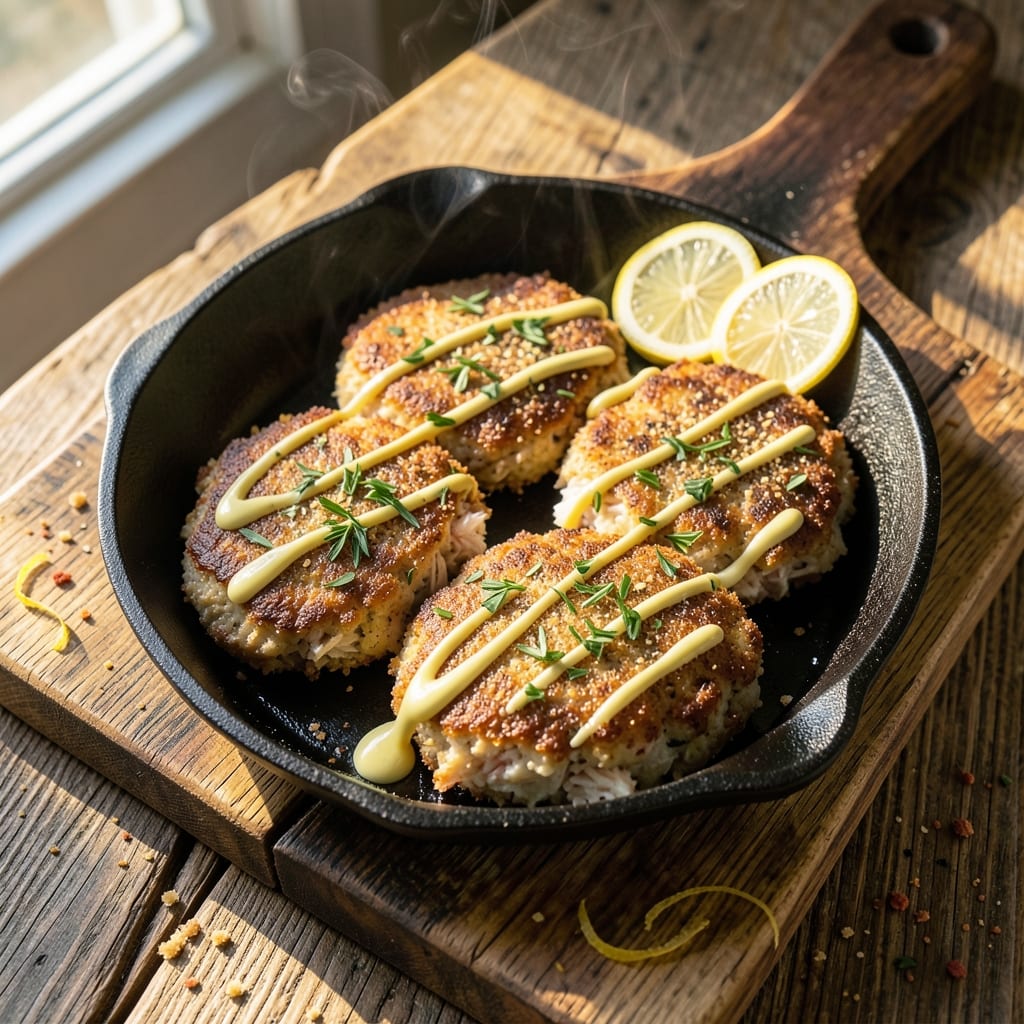
This authentic Baltimore crab cake recipe delivers the perfect balance of crispy shells and fluffy centers that define Chesapeake Bay seafood tradition. The secret lies in properly mixing lump crab meat with Old Bay seasoning, eggs, and panko breadcrumbs—never skipping the resting time before frying. I've perfected this technique over years of testing, ensuring every bite captures that iconic Maryland flavor without compromise.
The key to restaurant-quality results starts with quality ingredients: fresh lump crab meat (not imitation), Old Bay seasoning (the signature spice blend), and a light hand when shaping. Pan-frying in batches maintains even cooking, while a final broil in the oven creates that signature golden crust. This method guarantees crab cakes that hold together beautifully while delivering maximum flavor in every bite.
What sets these apart is the texture contrast: tender, flaky crab centers wrapped in crispy, golden-brown shells that stay intact even when sliced. Serve with classic remoulade sauce or tartar sauce for that true Baltimore experience. The aroma alone will transport you to the waterfront restaurants of Inner Harbor, but the taste proves you can recreate this at home.
Whether you're hosting a seafood dinner or simply craving a taste of Maryland, this recipe delivers authentic results that impress even the most discerning crab cake enthusiasts. The technique is straightforward but requires attention to detail—especially when it comes to shaping and cooking temperature—to achieve that perfect balance of textures and flavors.
Ingredients for authentic baltimore crab cake
Quality ingredients create Baltimore crab cakes with restaurant-quality texture and flavor.
| Ingredient | Amount | Notes |
|---|---|---|
| Fresh Lump Crab Meat 🦀 | 1 ½ lb | Backfin preferred, not imitation |
| Old Bay Seasoning 🌶️ | 2 tbsp | Original blend, not imitation |
| Large Eggs 🥚 | 2 whole | Cold from refrigerator |
| Panko Breadcrumbs 🍞 | ¾ cup | Japanese-style, not regular |
| Mayonnaise 🥫 | 2 tbsp | Duck fat or avocado oil preferred |
| Fresh Lemon Juice 🍋 | 1 tbsp | From Meyer lemon if available |
| Unsalted Butter 🧈 | 2 tbsp | Melted, for frying |
| All-Purpose Flour 🌾 | 2 tbsp | For dredging, fine-mesh |
| Extra-Virgin Olive Oil 🫒 | ½ cup | For finishing, fruity variety |
| Fresh Chives 🌿 | 2 tbsp | Finely chopped, for garnish |
| Diamond Crystal Kosher Salt 🧂 | ½ tsp | For seasoning, not iodized |
| Ground Black Pepper 🌶️ | ¼ tsp | Freshly cracked |
The crab meat is non-negotiable—Backfin brand delivers the sweetest, freshest lump crab available, and it's worth the splurge for authentic results. Local seafood markets often carry it fresh, but if you're shopping at Whole Foods or Gorton's, check the frozen section for their pre-packaged Backfin. Avoid imitation crab at all costs; it lacks the delicate sweetness and flaky texture that define true Baltimore crab cakes. When handling, keep the meat cold until ready to mix—this prevents premature warming that can make the cakes soggy.
Old Bay seasoning is the soul of these crab cakes, so never substitute with generic seafood blends. The original version contains celery salt, paprika, and mustard powder in precise proportions that create that signature Maryland flavor profile. For extra insurance, toast the breadcrumbs lightly in a dry pan before mixing—this enhances their crispiness. Short on time? Panko mixed with 1 tsp extra Old Bay works in a pinch, though purists will notice the difference. The mayonnaise acts as a binder, but if you're avoiding dairy, avocado oil mayo or vegan mayo maintains the same moisture without compromising texture.
Crab cakes must rest for 30 minutes in the fridge before frying—this critical step ensures they hold together when sliced. Store prepped mixtures in an airtight container with parchment between layers for up to 24 hours. For leftovers, reheat in a skillet with a touch of butter until golden and crispy. The seasoning intensifies slightly after resting, so adjust salt if storing overnight. Freeze uncooked cakes on a tray, then transfer to a bag for up to 3 months—thaw in the fridge before cooking for best results.
Why You'll Love This Recipe
- No-Fuss Assembly: I swear, the prep is just folding ingredients—not even mixing. Lump crab stays chunky, Old Bay coats everything in one shake, and the panko adds crunch without fuss. Honestly, my hands are cleaner than when I make pancakes.
- Crispy-Creamy Magic: That first bite—crispy panko shell gives way to tender crab and mayo so rich it’s practically melting. The Old Bay? It’s the secret: bright, zesty, and just salty enough to make your taste buds do a happy dance.
- Weeknight or Party Star: Make a batch on Sunday, freeze half, and pull them out for game day or a last-minute dinner. They reheat beautifully (or eat cold—no judgment) and impress guests way more than takeout ever could. (Yes, even on a Tuesday night.)
- Budget-Friendly Luxury: Fresh lump crab is the star, but you’re not buying a whole bucket. A pound stretches to 8–10 cakes, and the rest of the ingredients cost pennies. Leftovers? I wrap them in foil and reheat in 5 minutes—no sad, dry crab cakes here.
Step-by-step instructions for authentic Baltimore crab cakes
Here's the method that delivers that iconic Baltimore crunch and tender interior every time.
Prepare the Crab Mixture with Proper Technique
In a large mixing bowl, gently combine the 1.5 lb fresh lump crab meat with the 2 tbsp mayonnaise and 1 tbsp fresh lemon juice. I use a rubber spatula to fold everything together just until the crab is evenly coated—don't overmix or you'll break up the delicate meat structure. The mixture should look like a thick, moist paste with visible crab lumps.
Add the 2 tbsp Old Bay Seasoning, 0.5 tsp Diamond Crystal kosher salt, and 0.25 tsp ground black pepper, then mix again until fully incorporated. The Old Bay is what gives these crab cakes their signature Baltimore flavor—don't substitute with generic seafood seasoning. At this stage, the mixture should be cohesive but still hold its shape when pressed.
Create the Binding Structure
In a separate bowl, whisk together the 2 whole large eggs until they're fully combined. Then add the 0.75 cup Japanese-style panko breadcrumbs and gently fold them into the egg mixture. The panko should be evenly distributed but still visible—this creates the crispy exterior we want. Transfer this mixture to the crab mixture and fold everything together until just combined.
This is where the magic happens—the panko absorbs some of the moisture while maintaining its crispy texture. I like to work quickly here to prevent the mixture from becoming too wet. The final batter should be thick enough to hold its shape when scooped but still be moist enough to bind properly when formed into cakes.
Chill the Mixture for Optimal Texture
Cover the bowl with plastic wrap and refrigerate for at least 30 minutes—I prefer 1 hour if possible. Chilling the mixture serves two critical purposes: it firms up the crab cakes for easier handling and prevents them from falling apart when frying. The colder temperature also helps the panko maintain its crispiness rather than absorbing too much moisture.
While the mixture chills, melt the 2 tbsp unsalted butter in a small saucepan over low heat. Keep it warm but not smoking—you'll use this later to enhance the frying process. This butter adds richness and helps create that golden-brown crust that's characteristic of authentic Baltimore crab cakes.
Fry the Crab Cakes to Golden Perfection
Heat 0.25 cup of the extra-virgin olive oil in a large skillet over medium heat until it shimmers but doesn't smoke. Working in batches, carefully form the chilled crab mixture into 4 equal patties, each about 3/4 inch thick. Gently place them in the skillet and cook for 3-4 minutes per side until they develop a deep golden-brown crust and are firm to the touch.
Don't press down on the crab cakes with a spatula—they need that air pocket to maintain their structure. As they cook, add the melted butter to the pan, letting it sizzle and baste the cakes for added flavor. The internal temperature should reach 145°F when checked with an instant-read thermometer. Remove the cakes to a paper towel-lined plate to drain excess oil.
Finish and Serve with Authentic Touches
While the crab cakes are still warm, drizzle them with the remaining 0.25 cup extra-virgin olive oil and sprinkle with the 2 tbsp finely chopped fresh chives. The chives add a bright, fresh contrast to the rich crab flavor. Serve immediately with lemon wedges on the side—this classic Baltimore touch allows each diner to adjust the acidity to their preference.
These crab cakes should have a crispy, golden-brown exterior that gives way to a tender, fluffy interior with visible crab meat throughout. The Old Bay seasoning should be noticeable but not overpowering, with the lemon and chives providing freshness. For the most authentic experience, serve with a side of tartar sauce and crispy fries or a simple green salad.
Pro Tips For Making Authentic Baltimore Crab Cake
- CHILL THE CRAB FIRST: Fresh lump crab meat is cold from the fridge—don’t let it warm up before mixing. I learned this the hard way when my first batch turned into a sad, soupy mess. Keep it in the fridge until just before combining with mayo and eggs, then work fast but gently. Warm crab releases too much moisture, and your cakes will fall apart when frying.
- PRESS OUT EXTRA LIQUID: Lump crab meat hides water like a ninja. After mixing everything, wrap the batter in a clean kitchen towel and press firmly for 10 minutes. This isn’t the prettiest method, but it’s the tastiest—no one wants a crab cake that oozes instead of sears. Use a heavy pan or even your hands (yes, even if you’re impatient like me).
- FRY IN BATCHES OF TWO: Crowding the pan is how you get uneven cooking and soggy centers. Start with two cakes at a time in about ¼-inch of oil at 350°F. The oil should sizzle but not smoke—if it’s too hot, you’ll burn the outside before the inside cooks. Flip once, then again when the bottom is golden. I was skeptical until I tried it; now I never fry more than two at once.
- STIR OLD BAY INTO MAYO: Don’t just sprinkle Old Bay on top—mix it into the mayo first. This ensures every bite gets that signature Baltimore spice without clumps of seasoning ruining the texture. Use about 1 tablespoon per ½ cup mayo, and taste it before adding to the crab. Sounds weird, but it works: your cakes will taste balanced, not like a salt shaker exploded inside them.
Common mistakes when making this recipe
Overmixing the Mixture
I've seen too many home cooks turn their crab cakes into a mushy mess by overworking the mixture. The delicate lump crab meat breaks down when you mix it too vigorously, creating a dense, compact texture instead of the light, fluffy interior we want. Use a rubber spatula and fold just until everything is combined—think "gentle incorporation" rather than "thorough blending." The lumps should still be visible in the final mixture. 🦀
Skipping the Chill Time
This is a critical step that many beginners overlook. The 30-minute chill (or better yet, 1 hour) allows the mixture to firm up, making it much easier to handle when shaping. Without this rest, your crab cakes will crumble when you try to form them, and they'll fall apart during frying. I've had them disintegrate right in the pan—trust me, it's not pretty. Place the bowl in the fridge while you prepare everything else.
Using the Wrong Oil
Extra-virgin olive oil is fantastic for finishing, but it has a low smoke point that can make your crab cakes greasy rather than crispy. For frying, use a neutral oil like avocado oil or refined olive oil—they handle higher heat without imparting flavor. I've ruined perfectly good crab cakes by using regular olive oil, resulting in soggy rather than crispy exteriors. Heat your oil to 350°F and test it with a small piece of breadcrumb—it should sizzle immediately.
Pressing Down on Crab Cakes
This is a common mistake that destroys the texture. When you press down on crab cakes with a spatula, you compress the air pockets that create their signature fluffy interior. Let them cook undisturbed on their own—just flip them when you see bubbles forming and the edges are golden brown. The cakes will hold together perfectly without any help from you. Patience here is key to that authentic Baltimore texture. 💪
Inconsistent Thickness
Unevenly shaped crab cakes cook at different rates, leading to some pieces that are undercooked and others that burn. Aim for 3/4 inch thickness throughout—use a kitchen scale or measuring cup to portion your mixture accurately. I like to use a 1/2 cup measure for each patty, then gently flatten it to the right thickness. This ensures even cooking and a consistent bite every time.
Overcrowding the Pan
Frying too many crab cakes at once lowers the pan temperature, causing them to steam instead of crisp up. Cook in batches of 2 cakes at a time maximum—this maintains the proper oil temperature for that golden crust. I've had to start over because the first batch turned out soggy while waiting for the second to cook. Keep your pan at medium heat and never exceed 2 cakes per side at once. ⏰
Nutrition facts
Frequently asked questions
Can I make these crab cakes without lump crab meat?
While lump crab meat is ideal for that authentic texture, you can substitute with 1.5 lbs of fresh crabmeat (not imitation) or even high-quality canned crab in a pinch. Drain the canned crab thoroughly and pat it completely dry to prevent soggy cakes. The texture won't be identical, but it'll still taste delicious with the right seasoning. For best results, use a mix of lump and claw meat if available.
How do I make these gluten-free?
Replace the panko breadcrumbs with 1 cup gluten-free panko or a mix of almond flour and crushed gluten-free crackers. Use 1 extra egg white for binding and consider adding 1 tbsp cornstarch to help with crispiness. The texture will be slightly different but still delicious. Always check labels to ensure all ingredients are certified gluten-free.
Can I bake these instead of frying?
Yes! Preheat your oven to 400°F and line a baking sheet with parchment paper. Lightly brush the formed cakes with olive oil and bake for 12-15 minutes until golden and crisp. For extra crunch, broil for 1-2 minutes at the end. Baked cakes won't be as crispy as fried, but they're still flavorful and healthier.
What's the best way to reheat leftovers?
Reheat crab cakes in a skillet over medium heat with 1 tbsp butter for 2-3 minutes per side until golden and crispy again. For oven reheating, bake at 375°F for 5-7 minutes. Microwaving works in a pinch but will make them soggy. Always reheat gently to restore that perfect texture.
How do I make these extra crispy?
For maximum crispiness, use double the panko (1.5 cups total) and toast it in a dry pan for 2 minutes before mixing. Chill the mixture for 2 hours instead of 30 minutes, and fry in avocado oil at 375°F instead of olive oil. Press the cakes gently into the pan for 10 seconds after flipping to ensure even contact. This creates that signature crunch!