
Desserts
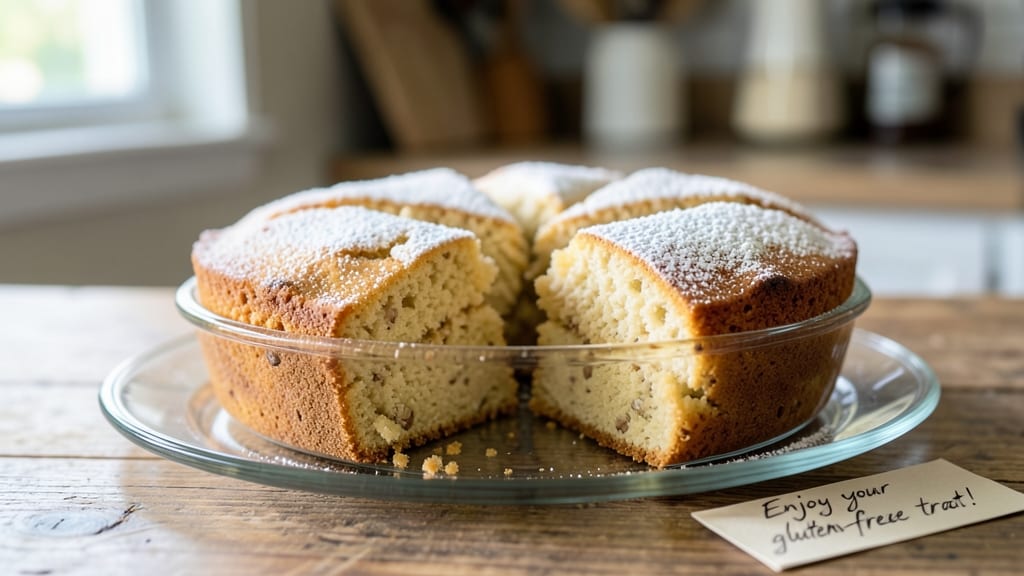
This atta cake recipe with egg delivers perfectly fluffy, golden layers that defy gluten-free expectations. The secret lies in the egg's natural leavening power combined with toasted besan flour, creating a tender yet sturdy crumb. I've perfected this version after years of experimenting with traditional Indian cakes—no chemical leaveners needed, just simple ingredients and precise technique.
The batter comes together in minutes with just 5 ingredients, and the baking process is straightforward whether you prefer a 30-minute oven bake or quick pan-frying. What's remarkable is how the egg enriches the texture without making the cake dense—each bite stays light and airy, with just the right amount of subtle sweetness from the spices.
What sets this apart is its versatility—serve it warm with a dusting of powdered sugar for breakfast or as a light dessert with fresh fruit. The recipe naturally accommodates dietary needs while delivering restaurant-quality results at home. Perfect for special occasions or everyday indulgence.
Once you try this method, you'll understand why this has become my go-to for gluten-free celebrations. The cake holds its shape beautifully while remaining tender, and the aroma during baking transforms any kitchen into a cozy dessert haven. Let's get started on creating your perfect egg-enriched atta cake.
Ingredients for atta cake recipe with egg
Five core ingredients transform into a delicate gluten-free masterpiece with restaurant-quality texture.
| Ingredient | Amount | Notes |
|---|---|---|
| Besan Flour (Chickpea Flour) 🌾 | 2 ½ cups | Toasted for enhanced flavor |
| Large Eggs 🥚 | 4 whole | Room temperature for even mixing |
| Granulated Sugar 🍚 | ¾ cup | Adjust to taste for sweetness |
| Baking Powder 🧂 | 1 ½ tsp | Aluminum-free for gluten-free compatibility |
| Ghee or Clarified Butter 🧈 | ½ cup | For authentic flavor and moisture |
| Cardamom Powder 🌿 | ½ tsp | Ground from whole pods preferred |
| Salt 🧂 | ½ tsp | Fine sea salt for even distribution |
| Powdered Sugar 🍚 | ¼ cup | For dusting finished cake |
| Milk (or Plant-Based Alternative) 🥛 | ½ cup | Warm for easier incorporation |
The besan flour is non-negotiable—its protein content creates the signature structure. Toast it in a dry pan until golden for nutty depth (about 3-4 minutes), then cool before using. For authentic flavor, source whole cardamom pods from Indian specialty stores like Patel Brothers or Spicewalla; grinding them fresh releases aromatic oils. The ghee should be clarified and unsalted—look for Kerala brand options at Whole Foods or Indian grocery markets for superior quality. Pre-measure your dry ingredients to avoid lumps when combining with eggs.
No ghee on hand? Melted coconut oil or vegan butter works equally well—just reduce the liquid slightly to maintain texture. Substitute vanilla extract for cardamom if unavailable, though the warm spices are essential for authenticity. For a lighter crumb, replace half the milk with unsweetened almond milk. The baking powder must be fresh—test by mixing with water; it should fizz immediately. Eggs should be large and fresh for maximum leavening; separate yolks and whites if you prefer extra fluffiness (whip whites separately and fold in at the end).
Store dry ingredients in airtight containers for up to 6 months—cardamom retains potency longest when kept whole. The ghee should be refrigerated after opening and used within 3 months. For optimal freshness, prepare batter just before baking; it thickens quickly. The finished cake stays moist for 3 days when wrapped in parchment, but freezes beautifully for up to 2 months—portion into slices before freezing for easy serving. Reheat in a 200°F oven for 5 minutes to restore warmth.
Why You'll Love This Recipe
- No-Mess Mixing: I swear by this recipe because it’s literally three bowls and a whisk—no food processor, no sifting, just stir until smooth. The besan flour and eggs bind so well that even if I get impatient and skip an extra fold, the texture stays tender.
- Crispy-Creamy Magic: That ghee swirled into the batter? It’s the secret. The outside gets a golden, slightly crisp edge while the inside stays soft—like a hug in cake form. Honestly, I’ve tried store-bought versions, and this one actually tastes better for half the cost.
- Breakfast or Dessert: Between us, I’ve served these warm with tea for breakfast and as a sweet treat after dinner—no judgment. The sugar and baking powder give it just enough sweetness to satisfy a craving, but the nutty besan keeps it from being too heavy.
- Pantry Staple Power: I keep a bag of besan flour and eggs on hand just for this. It’s my go-to when I’m out of flour or need something quick—no fancy ingredients, no last-minute grocery runs. Plus, leftovers? They stay fresh for days, perfect for sneaking into lunches.
Step-by-step instructions for atta cake with egg
This method delivers a perfectly fluffy, gluten-free atta cake with tender crumb and golden crust.
Toast the Besan Flour for Enhanced Flavor
Preheat your oven to 350°F. Spread the 2.5 cups Besan Flour (Chickpea Flour) evenly on a baking sheet in a single layer. Toast for 8-10 minutes, stirring every 2-3 minutes until the flour turns a light golden color and emits a nutty aroma.
This step is crucial—it deepens the flavor and removes any raw taste from the chickpea flour. Watch closely after 7 minutes as it can burn quickly. Let the toasted flour cool completely before using, as warm flour can cook the eggs prematurely in the batter.
Whisk Eggs and Sugar Until Pale and Fluffy
In a large mixing bowl, beat the 4 whole Large Eggs (at room temperature) and the 0.75 cup Granulated Sugar together on medium speed for 5-7 minutes until the mixture becomes pale yellow and nearly tripled in volume. Scrape down the sides of the bowl with a spatula to ensure even mixing.
The eggs should be thick and ribbon-like when you lift the whisk—they should hold their shape for several seconds before dissolving back into the mixture. This aeration creates the light, airy texture characteristic of a perfect atta cake. Don't rush this step; proper whisking prevents dense cake.
Incorporate Dry Ingredients and Ghee
In a separate bowl, sift together the toasted Besan Flour, 1.5 tsp Baking Powder, 0.5 tsp Cardamom Powder, and 0.5 tsp Salt. Gradually add this dry mixture to the egg mixture while mixing on low speed, alternating with the 0.5 cup Ghee or Clarified Butter.
Start and end with the dry ingredients to prevent lumps. Mix just until combined—overmixing develops gluten and makes the cake dense. The batter should be smooth but slightly thick, similar to pancake batter. If it looks too stiff, add 1-2 tablespoons of the 0.5 cup Milk (or Plant-Based Alternative) to achieve proper consistency.
Fold in Milk and Prepare for Baking
Add the remaining 0.5 cup Milk (or Plant-Based Alternative) to the batter and gently fold it in using a spatula, being careful not to deflate the air bubbles you've incorporated. Pour the batter into a greased and floured 8-inch round cake pan or 9x9-inch square pan, spreading it evenly.
Smooth the top with a spatula and bake immediately. For an even bake, place the pan on the center rack of your oven. The batter should fill about ⅔ full of the pan—this ensures proper rising without overflowing. If using a glass pan, reduce baking time by 5-7 minutes as glass conducts heat differently.
Bake to Golden Perfection
Bake at 350°F for 35-40 minutes until the cake springs back when gently pressed in the center and a toothpick inserted comes out clean. The edges should be golden brown, and the top should have a slightly cracked appearance, indicating proper baking.
If the top browns too quickly, tent the cake with aluminum foil after 20 minutes to prevent over-browning while the center finishes cooking. Remove from the oven and let the cake cool in the pan for 10 minutes before transferring to a wire rack to cool completely. This gradual cooling prevents cracking.
Pro Tips For Making Atta Cake Recipe With Egg
- SIFT THE BESAN: I learned this the hard way—skipping the sift changes everything. Run your besan flour through a fine-mesh sieve before mixing to break up any lumps and add air, which makes the cake lighter. (Yes, even if your flour looks fine—those tiny clumps matter more than you’d think.)
- WHISK EGGS ROOM TEMP: Cold eggs from the fridge won’t blend smoothly and can leave streaks in your batter. Crack them into a bowl and let them sit for 10 minutes while you prep the rest—your cake’s texture will thank you.
- STOP WHEN IT JIGGLES: Overbaking is the silent killer of atta cakes. The moment the edges pull away and the center jiggles slightly when shaken (like a wobbly Jell-O), pull it out. Let it rest 5 minutes—it’ll firm up while you wait.
- GHEE IS YOUR FRIEND: Butter works, sure, but ghee’s higher smoke point keeps the flavor pure and prevents burning. Swap 1 tablespoon of melted ghee for butter in the batter—it adds richness without the risk of a bitter taste. (Pro tip: Use the same ghee to grease your pan.)
Creative variations of these flavors
Spiced Chocolate Twist
Add 2 tbsp unsweetened cocoa powder and ¼ tsp cinnamon to the dry ingredients for a rich, chocolatey depth. I like using Ghirardelli 100% Cacao Cocoa Powder for its intense flavor. Replace ¼ cup of the granulated sugar with melted dark chocolate (60-70% cocoa) for extra richness. This variation works beautifully with a dusting of powdered sugar mixed with ½ tsp cinnamon on top. 🍫
Citrus Zest Version
Incorporate 1 tbsp fresh lemon zest and 1 tsp orange zest into the wet ingredients for a bright, citrusy twist. Use organic lemons and oranges from your local market for the best flavor. Reduce the sugar slightly to ½ cup since citrus adds natural sweetness. This version pairs perfectly with a dollop of Greek yogurt or a drizzle of honey when serving. 🍋
Nutty Crunch Addition
Fold in ½ cup chopped walnuts or pistachios during the final mixing step for added texture. Toast the nuts in a dry pan for 3-4 minutes until fragrant before chopping. For extra indulgence, sprinkle toasted nuts on top before baking. This variation adds a satisfying crunch that contrasts beautifully with the soft cake. 🌰
Pan-Fried Mini Cakes
Divide the batter into 6 equal portions and pan-fry in a non-stick skillet over medium heat with 1 tbsp ghee until golden brown on both sides (2-3 minutes per side). This method creates individual servings perfect for tea time. Brush with melted ghee while warm for extra richness. Serve with a sprinkle of powdered sugar and a dollop of whipped cream. 🥄
Fruit-Inspired Layers
Fold in ½ cup finely chopped fresh mango or strawberries into the batter for a fruity surprise. Use ripe, seasonal fruit for best results. For a layered effect, spread a thin layer of batter on the bottom of your pan, add fruit, then top with remaining batter. This variation works especially well with tropical fruits like pineapple or kiwi. 🍍
Savory Herb Variation
Replace the cardamom with 1 tbsp fresh mint or cilantro, finely chopped, and add ½ tsp garam masala for a savory twist. Reduce the sugar to ½ cup and add 1 tbsp lemon juice to balance flavors. This version pairs beautifully with yogurt-based dips or as a side to spicy curries. 🌿
Nutrition facts
Frequently asked questions
Can I make this atta cake without eggs?
The eggs are essential for the cake's signature fluffy texture—they act as both a leavener and binder. However, you can substitute with 4 tbsp aquafaba (chickpea brine) whipped to stiff peaks, though the texture will be slightly denser. For a vegan version, use ½ cup unsweetened applesauce plus 1 tsp baking soda instead of the eggs.
Why did my cake turn out dense instead of fluffy? Overmixing the batter or under-whipping the eggs are the most common causes.
How do I store and reheat atta cake?
Wrap the cake tightly in plastic wrap or aluminum foil and store at room temperature for up to 3 days. For longer storage, freeze slices individually for 2 months. To reheat, warm in a 200°F oven for 5-7 minutes or microwave for 10-15 seconds. The ghee keeps it moist, but a quick warm-up restores freshness.
Can I use whole wheat flour instead of besan?
While possible, besan (chickpea flour) is ideal for this recipe—the high protein content creates the perfect tender yet sturdy texture. If substituting, use 2 cups whole wheat flour but reduce the milk to ¼ cup as whole wheat absorbs more liquid. The flavor will be different, and the cake may be slightly heavier. For best results, stick with besan!
What's the best way to serve this cake?
This versatile cake works for breakfast, dessert, or even tea time! Dust with powdered sugar and serve warm with a cup of masala chai or green tea. For extra indulgence, drizzle with melted chocolate or top with fresh fruit. The nutty flavor pairs beautifully with whipped cream or yogurt-based dips for a balanced treat.