
Desserts
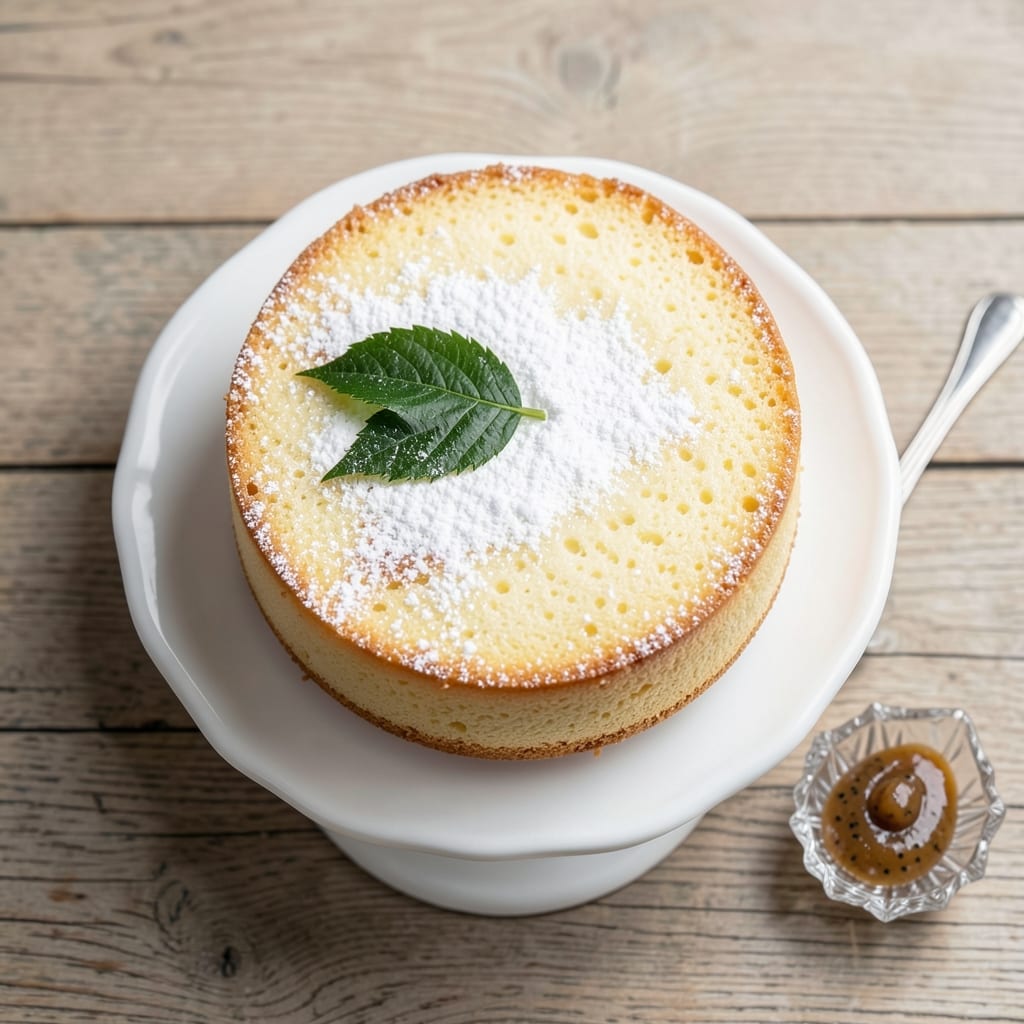
This Asian vanilla sponge cake recipe delivers the perfect balance of light, airy layers with a fragrant pandan twist that elevates every bite. The secret lies in a precise mixing technique that creates a tender crumb while maintaining structure—no dense, heavy cake here. I’ve refined this recipe over years of baking, ensuring it stays moist for days without drying out, a common issue with traditional sponge cakes.
The beauty of this recipe is its adaptability—whether you prefer a classic baked version or a steamed take inspired by Southeast Asian desserts, the same foundational method applies. Pandan extract adds a subtle floral aroma that pairs beautifully with vanilla, while a touch of coconut milk in the batter enhances the tropical notes. This isn’t just a cake; it’s a versatile canvas for creativity, from layering with mango jam to dusting with matcha powder.
What makes this recipe stand out is its foolproof approach: no complicated steps, just a simple technique that yields restaurant-quality results. The cake rises evenly, with a delicate crumb that melts in your mouth, and the pandan-infused flavor lingers just enough to satisfy cravings without overpowering. Perfect for celebrations, afternoon tea, or a special dessert moment, this cake is designed to impress with minimal effort.
Pair it with Thai iced tea for a refreshing contrast or serve it with a glass of champagne for a sophisticated touch. The possibilities are endless, but the foundation remains the same: a light, airy sponge that’s both comforting and elegant. Let’s get baking!
Ingredients for asian vanilla sponge cake
Light, airy layers begin with these quality ingredients designed to create restaurant-quality texture and flavor.
| Ingredient | Amount | Notes |
|---|---|---|
| All-Purpose Flour 🌾 | 2 cups | Sifted for lighter texture |
| Granulated Sugar 🍚 | 1 ½ cups | Superfine preferred for smoothness |
| Unsalted Butter 🧈 | 1 cup | Room temperature, cubed |
| Large Eggs 🥚 | 4 whole | Room temperature, separated |
| Vanilla Extract 🌸 | 1 tbsp | Pure vanilla extract preferred |
| Pandan Extract 🌿 | ½ tsp | Adjust to taste for fragrance |
| Coconut Milk 🥥 | ¼ cup | Full-fat for creaminess |
| Baking Powder 🧂 | 1 tsp | Diamond Crystal preferred |
| Salt 🧂 | ¼ tsp | Fine sea salt preferred |
| Cornstarch 🌾 | 1 tbsp | For tender crumb texture |
| Mango Jam 🍈 | ½ cup | For filling layers (optional) |
| Powdered Sugar 🍚 | ½ cup | For dusting layers |
The flour is non-negotiable here—King Arthur or Gold Medal brands work best for that tender crumb. Room-temperature butter (the key to fluffy layers) should be soft but not melted—press a finger into it; if it springs back, it's ready. Eggs must be separated carefully, and room temperature is critical for proper volume. I always use pasture-raised eggs from the grocery store's refrigerated section—they whip up lighter. For pandan extract, Thai Kitchen brand is my go-to; it's potent and affordable. If you can't find it, green curry paste (a tiny pinch) works in a pinch, though the flavor will differ slightly.
No pandan extract? A drop of green food coloring plus vanilla mimics the hue, though the aroma won't match. Substitute coconut milk with light cream for richness, but the tropical notes will be lost. For sugar, superfine is ideal, but if you only have granulated, pulse it in a food processor for 30 seconds to break up the crystals. The mango jam can be swapped for guava or lychee jam—just ensure it's seedless. If you're steaming instead of baking, reduce the baking powder to 0.5 tsp and add 1 tsp arrowroot powder for stability. The cornstarch is essential for that signature tender crumb; don't skip it.
Store the cake in an airtight container at room temperature for up to 3 days, or in the fridge for 5 days—though it's best enjoyed fresh. For longer storage, freeze fully assembled layers for up to 3 months. To reheat, wrap the cake in foil and warm at 300°F for 10 minutes. The powdered sugar should be sifted through a fine mesh sieve to avoid clumps. I always make a double batch—one for immediate serving and one to freeze for later. The cake reheats beautifully, making it perfect for unexpected guests.
Why You'll Love This Recipe
- No-Mix Wonder: This cake comes together with just a whisk and a bowl—no stand mixer, no fuss. The butter gets creamed with sugar until light, eggs fold in like magic, and the vanilla? That’s the secret weapon making it taste like a bakery’s dream.
- Vanilla Bomb: The real star here is how the vanilla extract—used twice, in both the batter and the syrup—lingers in every bite. It’s sweet but not cloying, with that warm, cozy aroma that hits you the second you slice it. (Yes, even on a Tuesday night.)
- Slice It Any Way: Serve it warm with a drizzle of syrup for breakfast, cut into squares for a snack, or stack it with whipped cream for dessert. It’s the one cake that works for brunch, potlucks, or just because you’re craving something soft and sweet.
- Pantry Staples Only: You’re using flour, sugar, butter, and eggs—ingredients you already have. No weird substitutions, no last-minute grocery runs. And leftovers? They stay moist for days, so you’ll actually want to make a whole batch. (I’ve been there.)
Step-by-step instructions for Asian vanilla sponge cake
Here's how to create perfectly light, fragrant layers with that signature pandan-vanilla aroma.
Prepare the Dry Ingredients
Sift together the 2 cups all-purpose flour, 1.5 cups granulated sugar, 1 tsp baking powder, 0.25 tsp salt, and 1 tbsp cornstarch in a medium bowl. I like to sift everything through a fine-mesh sieve to eliminate any lumps and incorporate air, which helps create that signature light texture. Use a rubber spatula to gently fold the dry ingredients until just combined—don't overmix or you'll develop gluten and end up with a dense cake.
In a separate small bowl, whisk together the 0.5 tsp pandan extract and 1 tbsp vanilla extract. This aromatic blend is what gives the cake its distinctive fragrance. I find it's best to measure the pandan extract carefully—too much can overpower the delicate vanilla notes. Set this mixture aside until ready to use.
Cream Butter and Eggs
In a large mixing bowl, beat the 1 cup room-temperature unsalted butter on medium speed until completely smooth and creamy—about 2-3 minutes. This step is crucial for incorporating air into the batter. Add the 4 whole large eggs, one at a time, beating well after each addition until fully incorporated. The mixture should become pale and slightly thickened, almost like a ribbons when you lift the beaters.
Gradually add the dry ingredient mixture in three additions, mixing on low speed just until combined after each addition. This gentle folding maintains the airiness we worked so hard to create. With the mixer still running on low, add the 0.25 cup coconut milk and the pandan-vanilla extract mixture. Mix until just combined—again, we're looking for a smooth batter without overmixing.
Divide and Bake the Layers
Preheat your oven to 350°F and grease three 8-inch round cake pans thoroughly with butter and flour, tapping out any excess. Divide the batter evenly among the prepared pans. I use a kitchen scale for precision—each layer should weigh approximately 12 ounces. Tap each pan gently on the counter to remove any air bubbles and ensure even distribution of batter.
Bake for 25-30 minutes or until a toothpick inserted into the center comes out clean. The cakes should be golden on top with slightly domed centers. I recommend rotating the pans halfway through baking to ensure even browning. Remove from the oven and let cool in the pans for 10 minutes, then transfer to a wire rack to cool completely before assembling.
Assemble the Cake
Once completely cooled, place one cake layer on a serving plate. Spread a thin layer of 0.5 cup mango jam evenly over the top—about 2 tablespoons per layer. I like to use a small offset spatula for this to ensure even distribution without overfilling. Place the second cake layer on top and repeat the jam layering process. Finally, top with the third layer.
Dust the top and sides of the cake with 0.5 cup powdered sugar using a fine-mesh sieve for an elegant finish. For extra presentation, you can also dust powdered sugar between the layers before assembling. The cake keeps well at room temperature for up to 3 days when stored in an airtight container, though it's best enjoyed fresh for optimal texture and flavor.
Pro Tips For Making Asian Vanilla Sponge Cake
- Whisk Eggs to Ribbon Stage: Stop when the egg mixture holds a slow ribbon for 2 seconds—no more, no less. Over-whisking adds air but can deflate the batter later, leaving you with a cake that’s dense instead of light. I used to push it until it looked like meringue, and the result was always sad.
- Sift Flour Twice: First sift the flour with baking powder to distribute it evenly, then sift it again directly into the butter-egg mixture. This keeps lumps from forming, which is especially important in Asian sponge cakes where the texture relies on a tender crumb. Skip this, and you’ll taste it in every bite.
- Don’t Overmix the Batter: Once you fold in the flour, stop after 10-12 strokes—just until combined. Overmixing develops gluten, and that’s the fast track to a cake that’s chewy instead of airy. I’ve ruined batches by thinking "more mixing = better," but less is always better here.
- Bake in Two Stages: Start at 350°F (175°C) for 10 minutes to set the edges, then drop to 325°F (160°C) for the rest of the time. This prevents the top from browning too fast while the center stays undercooked. My first cakes always had a dry crust because I ignored this—now I swear by it.
Flavor customization for these flavors
Pandan-Infused Variations
Boost the fragrance by adding ½ tsp pandan extract to the batter for a classic Southeast Asian touch. For a bolder flavor, swap ½ cup coconut milk with ½ cup coconut cream—it adds richness without altering the cake's light texture. If you can't find pandan extract, 1 tsp green tea powder (sifted) mimics the earthy aroma beautifully. 🌿
Tropical Fruit Twists
Replace the mango jam with ½ cup passionfruit curd for a tangy contrast or ½ cup lychee jam for floral notes. For a modern twist, layer with ½ cup guava paste and dust with toasted coconut flakes on top. I love adding ½ cup macadamia nuts crushed between layers for crunch.
Spiced Adaptations
Add warmth with ½ tsp cardamom powder or ¼ tsp cinnamon to the dry ingredients for a Middle Eastern-inspired version. For a Thai-inspired cake, fold in 1 tbsp toasted rice flour and top with crushed peanuts. These spices complement the pandan beautifully while adding depth.
Matcha-Inspired Version
Swap the pandan extract for 1 tsp matcha powder (sifted) and reduce the vanilla to ½ tbsp. The result is a vibrant green cake with earthy notes. Pair it with white chocolate ganache for a Japanese-inspired twist. This version works especially well with red bean paste between layers.
Steamed Alternative
For a Southeast Asian-inspired steamed cake, reduce the baking powder to ½ tsp and add 1 tsp arrowroot powder to the dry mix. Bake in steam pans at 325°F for 35-40 minutes until set. This method creates a denser, moister texture perfect for tropical flavors like jackfruit or pineapple. 🥥
Nutrition facts
Frequently asked questions
Why does this Asian vanilla sponge cake need coconut milk?
The 0.25 cup coconut milk adds subtle tropical richness that complements the pandan and vanilla flavors while keeping the cake tender. It also helps create a lighter texture compared to traditional butter-based sponge cakes. For a richer version, you can substitute with coconut cream instead.
Can I make this cake without pandan extract?
Yes! If you can't find pandan extract, try 1 tsp green tea powder (sifted) for an earthy aroma or ½ tsp cardamom powder for warmth. For just the visual effect, a drop of green food coloring plus vanilla works, though the fragrance will differ. The cake will still taste delicious—just with a different flavor profile.
How do I prevent the cake from drying out?
Store the cake in an airtight container at room temperature for up to 3 days or refrigerate for 5 days. For longer storage, freeze fully assembled layers for 3 months. To refresh, wrap the cake in foil and warm at 300°F for 10 minutes. The cornstarch in the recipe helps maintain moisture, but keeping it sealed is key.
What's the best way to steam this cake instead of baking?
For a steamed version, reduce baking powder to 0.5 tsp, add 1 tsp arrowroot powder, and bake at 325°F for 35-40 minutes in steam pans. This creates a denser, moister texture perfect for tropical flavors like jackfruit or pineapple. The steaming method is popular in Southeast Asian desserts and adds a unique texture contrast.
Can I use this recipe for a gluten-free version?
Yes! Replace the all-purpose flour with a 1:1 gluten-free baking flour blend (like Bob's Red Mill) and add 0.5 tsp xanthan gum to improve structure. Keep all other ingredients the same, but expect slightly denser layers. For best results, use a gluten-free flour blend designed for cakes.