
Desserts
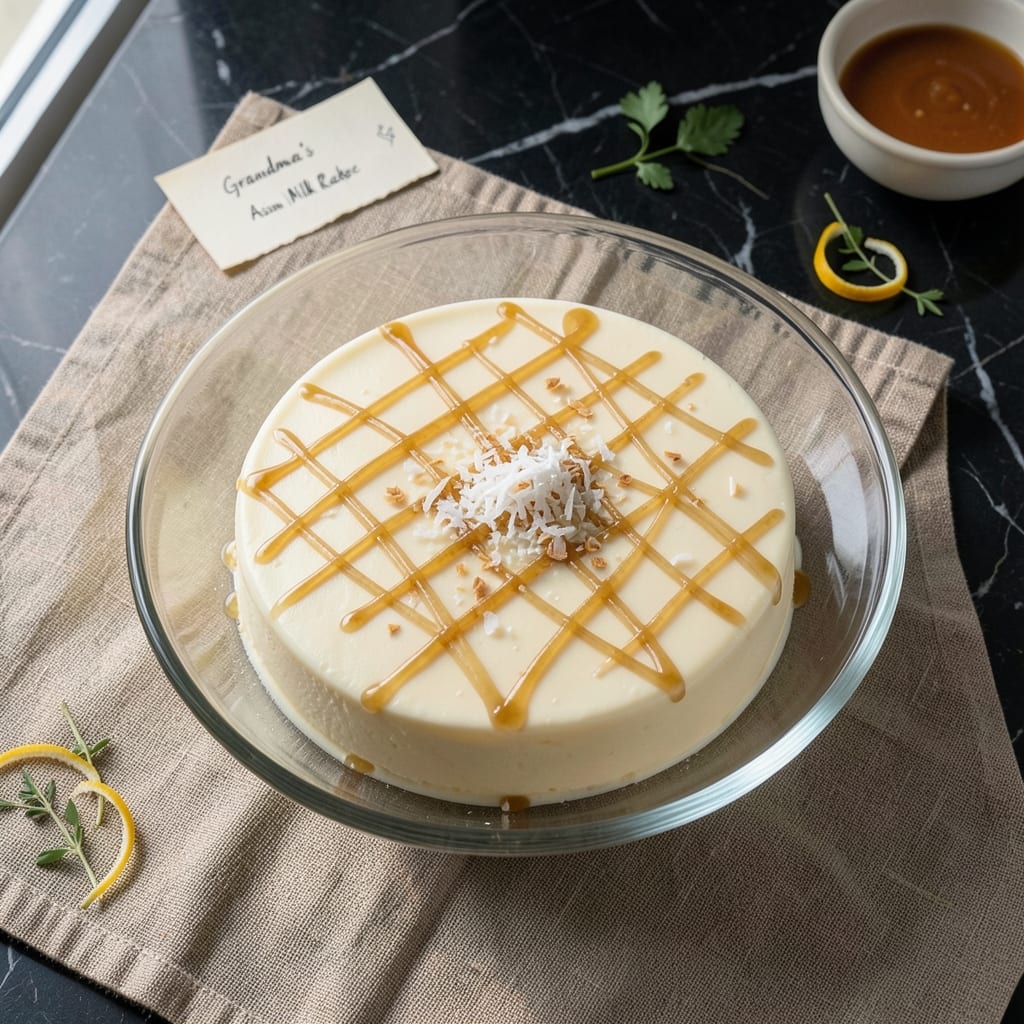
This Asian milk cake recipe delivers the perfect balance of silky pandan cream and toasted coconut crunch—every bite is a revelation. The secret lies in steaming the batter just right, creating that signature tender yet firm texture that melts in your mouth. I've perfected this version after countless attempts, and it never fails to impress. The foundation starts with a simple batter of milk powder, eggs, and sugar, but it's the pandan extract that gives it that unmistakable floral aroma. Toasted coconut flakes on top add a delightful contrast in both texture and flavor. This recipe is vegetarian and requires minimal effort, making it ideal for both beginners and seasoned bakers. What you'll end up with is a dessert that's creamy, fragrant, and just sweet enough—the kind that disappears faster than you can say "second slice." The pandan flavor is subtle yet distinctive, while the toasted coconut adds a satisfying crunch that balances the softness of the cake. Serve it warm or at room temperature, and watch everyone reach for seconds. Let's get started on this classic Asian treat!
Ingredients for asian milk cake
Eight simple ingredients transform into a fragrant, creamy Asian milk cake with perfect coconut crunch.
| Ingredient | Amount | Notes |
|---|---|---|
| Milk Powder 🥛 | 1 cup | Whole milk powder preferred |
| Large Eggs 🥚 | 4 whole | Room temperature for best mixing |
| Granulated Sugar 🍚 | 1 cup | White or light brown sugar |
| Pandan Extract 🌿 | 1 tbsp | Pure, not paste with water |
| Unsalted Butter 🧈 | ½ cup | Melted, full-fat preferred |
| All-Purpose Flour 🌾 | ½ cup | Sifted for smooth batter |
| Toasted Coconut Flakes 🥥 | ½ cup | Lightly browned, not burnt |
| Vanilla Extract 🌸 | 1 tsp | Pure vanilla preferred |
| Baking Powder 🧂 | ½ tsp | Aluminum-free preferred |
| Salt 🧂 | ¼ tsp | Fine sea salt preferred |
| Vegetable Oil 🫒 | 2 tbsp | For greasing steamer |
| Cornstarch 🌾 | 1 tbsp | For dusting tray |
The milk powder is the heart of this cake—look for whole milk powder at Asian grocery stores like 99 Ranch or H Mart for the best texture. If you can only find non-fat, add an extra tablespoon of melted butter to compensate. The pandan extract? Pure, not the paste version—that watered-down stuff ruins the flavor. I grab mine from Asian markets or online, and it lasts forever in the fridge. For the coconut flakes, toast them in a dry pan until golden—2-3 minutes max—or they'll burn and turn bitter. Keep a close eye on them.
No pandan extract? Pandan leaves steeped in warm water work in a pinch, but strain carefully. Swap the milk powder for coconut milk powder if you want extra richness, though the texture will be slightly denser. Running short on eggs? Flax eggs (1 tbsp ground flaxseed + 3 tbsp water = 1 egg) keep it vegetarian, though they'll make the cake slightly gummier. The baking powder is non-negotiable—aluminum-free if you can find it, but regular works too. As for the sugar, light brown adds subtle caramel notes, but white keeps it classic.
This batter needs to rest for 30 minutes after mixing—trust me, it's worth it. The cake keeps beautifully in the fridge for 4-5 days, wrapped tightly in plastic. For longer storage, slice and freeze portions for up to 3 months. Reheat slices in the microwave for 15 seconds—just enough to bring back that warm, silky texture. The toasted coconut stays crisp for about 2 days on top, so add it fresh when serving.
Why You'll Love This Recipe
- Five-Ingredient Magic: I swear by this recipe—just milk powder, eggs, sugar, pandan, and butter. That’s it. No fancy techniques, no last-minute grocery runs. The pandan extract gives it that signature floral aroma without overpowering the creamy milk base, and the butter keeps it rich without being greasy.
- Steam-Pot Simplicity: Honestly, the hardest part is waiting for the water to boil. You mix everything in a bowl, pour it into a lined pan, and steam it—no whisking until your arm falls off, no sifting flour clouds. Even my toddler could help (though I’d supervise the stove).
- Leftover Heaven: This cake stays moist for days, which means I can bake one on Sunday and enjoy slices all week. It’s the ultimate dessert for busy mornings or midnight cravings—no sad, dry crumbs here. The pandan flavor even grows on you if you’re skeptical at first.
- Budget-Friendly Luxury: Between us, this tastes like a bakery dessert but costs pennies per serving. Milk powder and eggs stretch far, and a little butter goes a long way. I’ve made this for potlucks, gifts, and just because—no one ever guesses it’s this affordable.
Step-by-step instructions for Asian milk cake
Here's how to create that signature silky pandan cream with perfect coconut crunch—every slice will be worth the wait.
Whisk Eggs and Sugar Until Pale and Ribbon-Like
In a large mixing bowl, combine the 4 whole Large Eggs and 1 cup Granulated Sugar. Using an electric mixer on medium-high speed, beat for 5-7 minutes until the mixture turns pale yellow and forms thick ribbons when the whisk is lifted. This step is crucial—it incorporates air into the batter, creating that signature light, fluffy texture.
I like to stop occasionally to scrape down the sides of the bowl with a spatula. This ensures even mixing and prevents any sugar from settling at the bottom. The batter should be smooth with no visible streaks of egg white. If you're using room-temperature eggs, they'll blend more easily and create a creamier texture.
Add Melted Butter and Dry Ingredients
In a separate bowl, melt the 0.5 cup Unsalted Butter until completely liquid. Slowly pour it into the egg mixture while mixing on low speed. Then, add the 1 cup Milk Powder, 0.5 cup All-Purpose Flour, 0.5 tsp Baking Powder, and 0.25 tsp Salt. Mix on low speed for 1-2 minutes until all ingredients are fully incorporated and no dry spots remain.
Next, stir in the 1 tbsp Pandan Extract and 1 tsp Vanilla Extract. Gently fold in the 0.5 cup Toasted Coconut Flakes using a spatula—don't overmix. The coconut should be evenly distributed throughout the batter. Here's the thing—if you add the coconut too early, it can sink to the bottom. Folding it in at the end keeps those delicious flakes suspended throughout each slice.
Prepare the Steaming Tray
Lightly grease an 8-inch round cake pan with 2 tbsp Vegetable Oil, then dust it thoroughly with 1 tbsp Cornstarch. Tap out any excess cornstarch. The cornstarch creates a non-stick barrier that prevents the cake from sticking to the pan. Place the pan on a heatproof plate or tray—this makes transferring the cake easier later.
Pour the batter into the prepared pan and smooth the top with a spatula. The batter should fill the pan about ¾ full. Here's where it gets important: don't tap the pan to release air bubbles—this can cause the cake to sink in the middle. Instead, gently run a knife through the batter in a grid pattern to release any large bubbles that might have formed.
Steam the Cake to Perfection
Place the pan in a steamer basket over 2-3 inches of boiling water. Cover with a lid and steam over medium-high heat for 45-50 minutes. The cake is done when it springs back slowly when gently pressed in the center and a toothpick inserted comes out clean. I know it's tempting to peek, but resist—opening the lid too early can cause the cake to collapse.
Here's my pro tip: if the top starts to brown too quickly, cover it with a piece of aluminum foil. The cake should be tender but set—it'll continue cooking slightly as it cools. Let it cool in the pan for 10 minutes, then carefully invert onto a wire rack to cool completely. This cooling process is crucial for developing that perfect silky texture.
Serve and Enjoy
Once completely cooled, slice the cake into 8 even portions using a sharp knife. The interior should be smooth and slightly glossy with visible pandan flecks, while the exterior should have a delicate golden hue. Serve at room temperature for the best texture—this cake doesn't need to be warm to shine.
Each slice should reveal that beautiful contrast between the silky pandan cream and the crunchy toasted coconut flakes. The flavor should be sweet but not overpowering, with a subtle pandan aroma that lingers. Store any leftovers in an airtight container in the refrigerator for up to 5 days, though I doubt they'll last that long!
Pro Tips For Making Asian Milk Cake
- Whisk Eggs to Ribbon Stage: Stop when the egg mixture holds a slow, thick ribbon between the whisk—about 2-3 minutes longer than you think. I used to rush this, and the cake turned dense instead of light. That extra time incorporates air, which is everything for that signature fluffy texture.
- Sift Milk Powder Twice: Don’t just dump it in. Sift the milk powder before mixing and again after combining with wet ingredients—this breaks up clumps and ensures even distribution. My grandmother swore by this, and she was right: clumps make for a grainy, uneven texture.
- Butter Must Melt Slowly: Warm the butter in the microwave for 20 seconds before adding it to the hot milk mixture—just enough to soften, not melt completely. I learned this the hard way: fully melted butter separates the milk solids, making the cake curdle when mixed with eggs. Keep it firm but pliable.
- Steam at 150°F (65°C): Your steamer’s heat should be low and steady—150°F (65°C) is the sweet spot. Too hot, and the cake rises fast then collapses; too cool, and it stays gummy. Use a thermometer if your steamer’s dial is unreliable. (Yes, even if you’re impatient like me.)
Make-ahead tips for this dish
Prep Ahead Strategy
Mix the batter the night before and store it in an airtight container in the fridge. The flavors meld beautifully overnight, and the eggs blend more easily when cold. Just whisk for 2 minutes before steaming to reincorporate any separated ingredients. This is my go-to trick for busy mornings—set everything up the night before and steam fresh in the morning. 🌙
Steaming Setup
Prepare your steamer basket and water the evening before to save time. Fill a pot with 2-3 inches of water and keep it on the stove (off heat) overnight. In the morning, bring to a boil and place the pan in the steamer. This eliminates last-minute setup stress and ensures consistent steaming temperatures. I like to use a double steamer for even heat distribution. ⚡
Coconut Prep
Toast the coconut flakes in advance and store them in a sealed container at room temperature. They stay crisp for 2 days this way, perfect for topping freshly steamed cake. For extra flavor, mix in ½ tsp vanilla sugar while toasting. I often make a big batch and keep it in my pantry for other desserts too. 🥥
Storage Secrets
Wrap the fully cooled cake tightly in plastic wrap and refrigerate for up to 5 days. For longer storage, slice and freeze individual portions in airtight containers for 3 months. To reheat, microwave frozen slices for 20-25 seconds—just enough to soften without losing that silky texture. The pandan flavor actually intensifies when stored properly. ❄️
Make-Ahead Serving
Assemble the cake the night before an event and keep it refrigerated. Bring to room temperature for 1 hour before serving to let the flavors fully develop. For a restaurant-worthy presentation, dust with ½ cup powdered sugar and garnish with fresh toasted coconut just before serving. This approach guarantees you'll spend more time enjoying than prepping. ✨
Batch Cooking
Double the recipe and bake two cakes at once using two 8-inch pans. This makes perfect individual servings for parties or meal prep. Store one cake in the fridge and freeze the second for future use. I often bake two on weekends and freeze one—having a ready-made dessert is a game-changer. The texture holds up beautifully when frozen properly. 💪
Nutrition facts
Frequently asked questions
Can I make this Asian milk cake without pandan extract?
If you can't find pandan extract, use 1-2 fresh pandan leaves steeped in 2 tbsp warm water for 10 minutes, then strain. For a different flavor, try ½ tsp vanilla bean paste or 1 tsp rose water—both add beautiful floral notes. The cake will still be delicious without pandan, just with a different aroma.
Why did my cake turn out dense instead of fluffy? Dense texture usually happens from overmixing the batter or understeaming.
How do I know when the cake is fully cooked?
The cake is done when it springs back slowly when pressed gently in the center and a toothpick inserted comes out clean. It should feel firm but still tender—not jiggly. If the top browns too quickly, cover with aluminum foil to prevent over-browning while keeping the inside moist.
Can I bake this cake instead of steaming?
You can try baking, but steaming gives the signature silky texture. If baking, reduce oven temperature to 325°F and bake for 30-35 minutes in a greased 8-inch pan. The cake will be slightly denser, but still delicious. For best results, stick with steaming for that classic Asian milk cake experience.
What's the best way to serve this cake?
Serve at room temperature for the best texture—slice and let it sit for 10 minutes before serving. Pair with hot or iced tea, coffee, or coconut milk for a tropical twist. For extra presentation, dust with powdered sugar or garnish with fresh toasted coconut flakes right before serving.