
Desserts
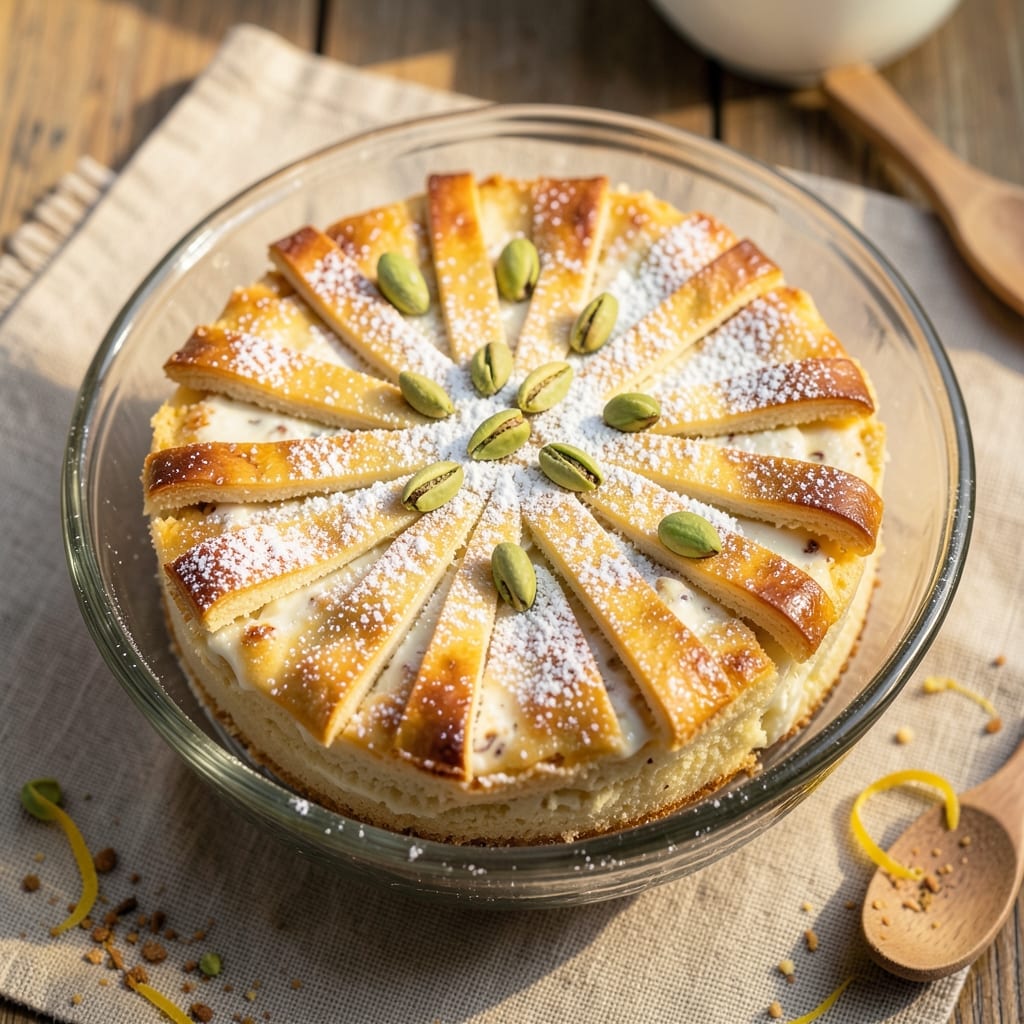
This Arabic milk cake recipe delivers the signature creamy texture and delicate flavor without relying on cardamom—just pure, velvety richness. The secret to its legendary fluffiness lies in a precise technique that transforms simple ingredients into a dessert so light it practically dissolves on your tongue. I've perfected this version after years of testing, ensuring every bite lives up to its reputation for elegance and comfort.
The foundation of this cake is a foolproof method that combines warm milk and butter with flour and eggs in a way that creates microscopic air pockets. No special equipment is needed—just a standard mixing bowl and oven—and the process is simpler than it sounds. The result is a cake with a tender crumb that's neither too dense nor too dry, making it perfect for both casual gatherings and special occasions.
What sets this version apart is its silky texture, achieved through careful temperature control and a specific baking technique. The cake emerges from the oven with a golden top and edges, but it's the interior that truly impresses—moist, airy, and subtly sweet without being cloying. This is the kind of dessert that makes guests pause mid-bite, savoring the harmony of simple ingredients.
Serve it warm with a drizzle of honey or a sprinkle of toasted pistachios for a touch of Middle Eastern flair, or enjoy it chilled for a lighter treat. The beauty of this recipe is its versatility—it works equally well as a standalone dessert or paired with coffee. Let's create something truly special that captures the heart of Arabic baking traditions.
Ingredients for arabic milk cake
Simple ingredients transformed into a dessert so light it feels like magic.
| Ingredient | Amount | Notes |
|---|---|---|
| All-Purpose Flour 🌾 | 2 ½ cups | Sifted for light texture |
| Unsalted Butter 🧈 | 1 cup | Cold, cubed for creaming |
| Granulated Sugar 🍚 | 1 ¼ cups | Superfine preferred for smoothness |
| Large Eggs 🥚 | 4 whole | Room temperature for blending |
| Whole Milk 🥛 | 2 cups | Warmed to 110°F (43°C) |
| Vanilla Extract 🌿 | 1 tbsp | Pure, high-quality extract |
| Baking Powder 🍞 | 1 ½ tsp | Diamond Crystal preferred |
| Salt 🧂 | ½ tsp | Fine sea salt preferred |
| Cornstarch 🌽 | 1 ½ tbsp | For tender crumb |
| Honey 🍯 | 2 tbsp | Light variety for subtle sweetness |
| Toasted Pistachios 🥜 | ¼ cup | Chopped for garnish (optional) |
The butter and milk are the stars here—both need to be warmed to room temperature for that signature fluffiness. King Arthur or Gold Medal flour works best for this recipe, but any all-purpose will do in a pinch. I always grab Land O'Lakes unsalted butter for baking—it's reliable and melts beautifully. The honey should be light-colored (like clover or acacia) to avoid overpowering the delicate flavors. For the pistachios, Kirkland Signature from Costco is my go-to—they toast perfectly and add that Middle Eastern touch without dominating.
No vanilla extract? Almond extract at half the amount works, but it's stronger so use sparingly. Short on honey? Maple syrup or agave in the same quantity keeps things balanced. The baking powder is critical—don't substitute baking soda unless you add lemon juice (which we're skipping here). For the milk, any whole milk brand is fine, but organic makes a subtle difference in flavor. The eggs should be large and fresh—they whip up better and add that rich body. If you're worried about salmonella, use pasteurized eggs for baking.
This cake keeps beautifully—covered at room temperature for 2 days or wrapped tightly in the fridge for 5 days. For longer storage, freeze slices wrapped in parchment for up to 3 months. The best part? It actually tastes better the next day as the flavors meld. I like to make a double batch—one for immediate serving, one for later. The pistachios can be toasted ahead and stored in an airtight container for 1 week, ready to sprinkle whenever you're ready to serve.
Why You'll Love This Recipe
- No-Fuss Mixing: I swear by this cake—just whisk, pour, bake. No creaming butter and sugar until fluffy, no folding egg whites to perfection. The batter comes together in one bowl with a hand mixer (or even a whisk if you’re feeling old-school), and honestly? That’s half the battle won.
- Velvet Smooth Magic: That buttery, milky richness? It’s the eggs and whole milk doing their thing, creating a texture so tender you’ll want to eat it with a spoon. (Yes, I’ve been tempted.) The sugar caramelizes just enough to give it a subtle depth—no artificial flavors, just pure, comforting sweetness.
- Pantry Staple Power: Between us, this recipe uses ingredients you already own. Butter, flour, sugar, eggs, milk—no specialty items, no last-minute grocery runs. And because it’s simple, it’s also cheap to make. A single batch feeds six, so you’re not scrambling for seconds or left with a half-eaten loaf. Just pure, reliable dessert.
Step-by-step instructions for Arabic milk cake
Here's the method for a light, airy cake with a velvety texture and subtle sweetness.
Prepare the Dry Ingredients
In a medium bowl, whisk together the 2.5 cups all-purpose flour, 1.5 tsp baking powder, 0.5 tsp salt, and 1.5 tbsp cornstarch. Sift the mixture through a fine-mesh sieve directly into a large mixing bowl to aerate the flour and eliminate any lumps. This step ensures a tender crumb and prevents dense pockets in your cake.
Set the bowl aside and measure the 1.25 cups granulated sugar into a separate small bowl. If using superfine sugar, you can skip this step, but regular granulated sugar will dissolve more evenly during the creaming process. The sugar will dissolve completely into the butter mixture later, creating a smooth batter.
Cream Butter and Sugar
In a stand mixer fitted with the paddle attachment, beat the 1 cup cold, cubed unsalted butter on medium speed for 1-2 minutes until smooth and creamy. This process incorporates air into the butter, which helps create the cake's signature lightness. Add the 1.25 cups granulated sugar and mix on medium-high speed for 3-4 minutes until the mixture is pale, fluffy, and nearly doubles in volume.
Scrape down the sides of the bowl with a spatula to ensure all the butter and sugar are evenly combined. This step is critical—under-creaming results in a dense cake, while over-creaming can develop gluten and make the texture tough. You'll know it's ready when the mixture looks like ribbon when you lift the paddle.
Add Eggs and Honey
Add the 4 whole large eggs, one at a time, mixing on low speed after each addition until fully incorporated. This gradual approach prevents the eggs from scrambling in the hot butter mixture. Once all the eggs are added, mix in the 2 tbsp honey and 1 tbsp vanilla extract on low speed for 30 seconds until smooth.
The honey adds subtle depth of flavor and helps balance the richness of the butter. The vanilla extract enhances the overall aroma, making the cake more inviting. At this stage, the batter should be thick, creamy, and well-blended without any streaks of egg or honey.
Combine Wet and Dry Ingredients
With the mixer on low speed, gradually add the sifted dry ingredients to the wet mixture. Mix just until combined—you should still see small streaks of flour in the batter. Overmixing at this stage can develop gluten, leading to a tough cake. Stop mixing as soon as the flour is fully incorporated.
In a separate bowl, warm the 2 cups whole milk to 110°F (43°C)—it should feel slightly warm to the touch but not hot. Slowly pour the warm milk into the batter while mixing on low speed until the batter is smooth and homogeneous. The warm milk helps activate the baking powder and ensures even rising throughout the cake.
Bake to Golden Perfection
Preheat your oven to 350°F (175°C) and grease two 9-inch round cake pans with butter or line them with parchment paper. Divide the batter evenly between the pans and sprinkle the 0.25 cup toasted pistachios evenly over the tops for garnish and extra crunch. Bake for 30-35 minutes, or until a toothpick inserted into the center comes out clean and the edges are lightly golden.
Do not overbake—the cake will continue to set as it cools. Once done, remove the cakes from the oven and let them cool in the pans for 10 minutes. Then transfer them to a wire rack to cool completely before serving. The cake should be moist, tender, and have a delicate crumb that melts in your mouth.
Pro Tips For Making Arabic Milk Cake
- Whisk Eggs Like a Pro: Beat the eggs until they’re pale, thick, and ribbon-like—about 3-4 minutes with a hand mixer. I learned the hard way that under-whipped eggs make a dense cake, while over-whipping adds air but can dry it out. Stop when the ribbons hold shape but aren’t frothy.
- Melt Butter Slowly: Warm the butter and milk together over low heat until just melted—not boiling. I used to rush it, and the cake turned out greasy and uneven. A gentle simmer ensures the butter emulsifies properly without breaking the batter.
- Sift the Flour Twice: Sift the flour before mixing and again when folding it into the wet ingredients. This prevents lumps and gives the cake that signature light, airy texture. Yes, it’s extra work, but it’s the thing that matters most for that classic crumb.
- Bake Until Springy: Check doneness at 325°F—press the center with a toothpick. It should come out slightly wet but spring back when touched. Overbaking dries out the cake; underbaking leaves it gummy. A 5-minute rest under foil helps it set properly.
Best sauces and condiments for this dish
Honey-Glaze Perfection
Drizzle 2 tablespoons warm honey over the cooled cake layers just before serving—this adds a delicate sweetness that complements the cake's natural richness. I like to use clover honey for its mild floral notes, but acacia honey works beautifully too. For extra elegance, heat the honey with 1 teaspoon lemon juice for 10 seconds in the microwave, then strain through a fine sieve to remove any impurities. 🍯
Rosewater Infusion
Add ½ teaspoon rosewater to the warm milk before mixing it into the batter for a fragrant floral note. This Middle Eastern classic elevates the cake's aroma without overpowering its subtle sweetness. If you can't find rosewater, orange blossom water is a wonderful substitute. For presentation, drizzle a few drops of rosewater over the top just before serving alongside the honey glaze.
Pistachio Crunch
Toast ¼ cup shelled pistachios in a dry skillet over medium heat for 3-4 minutes, stirring constantly, until golden and fragrant. Let them cool, then chop coarsely. Sprinkle over the cake layers or serve on the side for guests to add their own crunch. For extra flair, lightly crush some pistachios and mix them into the batter before baking for a nutty surprise in every bite.
Orange Zest Brightness
Zest 1 small organic orange (about 1 teaspoon zest) and fold it into the batter along with the dry ingredients. The citrus brightens the cake's flavor and pairs beautifully with the honey and vanilla. For a garnish, slice thin rounds of orange peel and arrange them artistically on top of the cake before serving. The aroma alone makes this dessert feel special.
Cinnamon-Sugar Dust
Mix 1 tablespoon granulated sugar with ½ teaspoon ground cinnamon in a small bowl. Lightly dust the top of the cake with this mixture just before serving. The cinnamon adds warmth while the sugar enhances the cake's natural sweetness. This simple step transforms the presentation and adds a subtle spice note that guests will appreciate. 🌟
Nutrition facts
Frequently asked questions
Why does this Arabic milk cake turn out so light and fluffy?
The secret lies in warming the milk to 110°F (43°C) and creaming the butter properly with sugar. This creates air pockets that expand during baking, plus the warm milk activates the baking powder for even rising. The cornstarch also helps create that signature tender crumb.
Can I make this cake without an electric mixer?
Use a sturdy wooden spoon or whisk to cream the butter and sugar by hand—just mix vigorously for 5-7 minutes until pale and fluffy. For the eggs, beat them one at a time by hand, then gently fold in the dry ingredients with a spatula. The texture will still be light, just slightly less airy.
What's the best way to store leftovers?
Keep the cake covered at room temperature for 2 days or refrigerate for 5 days wrapped tightly in plastic. For longer storage, freeze slices wrapped in parchment for 3 months. The cake actually improves overnight as flavors meld—perfect for making ahead!
How do I fix a cake that's too dense?
Overmixing or cold ingredients usually cause density. Next time, mix dry ingredients just until combined and ensure your butter and milk are at room temperature. For a quick fix, slice the cake thinly and serve with extra honey glaze—it'll still taste delicious!
Can I substitute rosewater with something else?
Yes! Use orange blossom water (same amount) or 1/4 teaspoon vanilla extract plus a pinch of cinnamon. Both add floral notes without altering the cake's delicate balance. Just avoid strong extracts like almond—they can overpower the flavor.