
Desserts
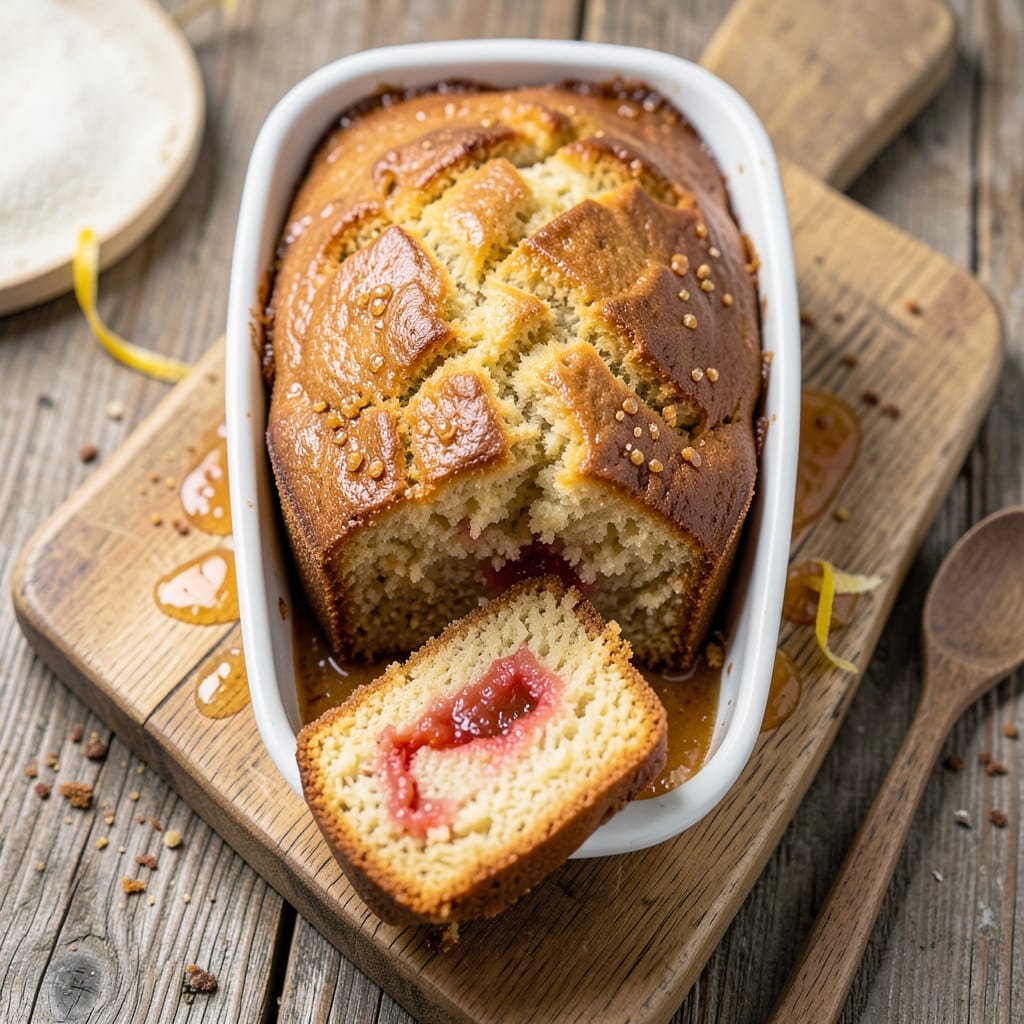
This apricot nectar pound cake delivers a tender crumb infused with warm spices and citrus brightness—every slice stays moist for days. The secret lies in apricot nectar, which replaces some of the liquid while adding natural sweetness and a subtle floral depth that elevates classic vanilla cake. I've perfected this recipe over years of testing, ensuring the texture remains light yet rich, with just the right balance of spice and fruit.
The cake's magic comes from two key techniques: creaming butter and sugar until light and fluffy, then gently folding in the apricot nectar to maintain moisture without making the batter too dense. Warm spices like cinnamon and nutmeg complement the fruit's natural sweetness, while a touch of citrus zest brightens each bite. This isn't your average pound cake—it's a dessert that feels special enough for gatherings but simple enough for weeknight treats.
What you'll end up with is a golden-domed cake with a tender, slightly crumbly texture that stays moist for days. The apricot nectar gives it a subtle floral aroma that lingers with every slice, while the warm spices create a cozy, comforting flavor profile. Perfect for brunch, dessert, or even breakfast with a cup of coffee, this cake is versatile enough to satisfy any occasion.
For extra indulgence, top with toasted sliced almonds or a dusting of powdered sugar before serving. The recipe yields a classic 10x6-inch pound cake, but you can easily adapt it for cupcakes or layers. Let's get baking!
Ingredients for apricot nectar pound cake
Gather these 13 ingredients for a moist, floral-infused cake that stays perfect for days.
| Ingredient | Amount | Notes |
|---|---|---|
| Unsalted Butter 🧈 | 1 cup | Room temperature, full-fat preferred |
| Granulated Sugar 🍚 | 2 cups | Superfine preferred for smoothness |
| Apricot Nectar 🍑 | 1 cup | Unsweetened, high-quality preferred |
| Large Eggs 🥚 | 4 whole | Room temperature, separated |
| All-Purpose Flour 🌾 | 2 ½ cups | Sifted, spooned lightly |
| Baking Powder 🧂 | 2 tsp | Aluminum-free preferred |
| Ground Cinnamon 🌿 | 2 tsp | Freshly ground for warmth |
| Ground Nutmeg 🌿 | ½ tsp | Freshly grated preferred |
| Salt 🧂 | ½ tsp | Fine sea salt preferred |
| Lemon Zest 🍋 | 1 tbsp | Freshly grated, no pith |
| Vanilla Extract 🌸 | 1 tbsp | Pure Madagascar preferred |
| Toasted Sliced Almonds 🌰 | ½ cup | For topping, optional |
| Powdered Sugar 🍚 | 2 tbsp | For dusting, optional |
The apricot nectar is the star here—look for the thick, unsweetened kind at Whole Foods or Trader Joe's. If you can't find it, apricot jam or puree works in a pinch, but strain out any seeds. The butter needs to be room temp (press a finger in—it should leave a dent but not be greasy). For the spices, Penzeys or the bulk section at Kroger have the freshest ground cinnamon and nutmeg. The lemon zest should be vibrant yellow—no green pith! And vanilla? Madagascar is the gold standard, but imitation will work if you're on a budget.
No apricot nectar? Mango puree or peach jam adds similar brightness, though flavor will shift slightly. Swap the almonds for pecans or walnuts if you prefer. The cake's moisture comes from the nectar and butter, but if you're worried about dryness, add 1 tbsp sour cream or yogurt to the batter. For extra zing, double the lemon zest. The powdered sugar topping is optional—skip it if you're serving with fresh fruit. And if your butter isn't quite room temp? Microwave it for 20 seconds to soften without melting.
This cake keeps beautifully—3-4 days at room temp wrapped tightly, or 1 week in the fridge. For longer storage, slice and freeze portions for up to 3 months. I always bake two pans—one for the day, one for later. The almonds toast best in a dry pan over medium heat for 3-4 minutes, stirring constantly. And if you're making this ahead? Bake it 1 day early—the flavors meld even better overnight.
Why You'll Love This Recipe
- No Mixer Needed: That creamy butter and sugar combo? Just whip it by hand for two minutes—no stand mixer, no fuss. The eggs fold in like butter (literally), and the apricot nectar blends right into the batter without clumping. Honestly, my lazy Sunday mornings thank me every time.
- Sunshine in a Slice: The nectar doesn’t just flavor this cake—it transforms it. That caramel-rich depth from the apricot cuts through the buttery richness, giving you a moist crumb with a subtle tang. It’s the kind of dessert that makes you pause mid-bite and think, “Wait, is this even cake?”
- Weekday Hero: Slice it for breakfast with coffee, pack it for lunch, or serve it at a picnic—this cake holds up like a champ. Between us, I’ve had it cold, room temp, and even reheated with a drizzle of honey, and it’s still the star. (Yes, even on a Tuesday night.)
- Pantry Magic: You’re probably already using these ingredients—flour, sugar, butter, eggs—so this feels like cheating. The apricot nectar adds a little luxury without breaking the bank, and a single cake feeds a crowd or stretches into leftovers that taste just as good the next day. My secret weapon for “I don’t wanna cook” days.
Step-by-step instructions for apricot nectar pound cake
Here's how to create a tender, citrus-kissed pound cake that stays moist for days.
Prepare Your Ingredients for Perfect Texture
Start by preheating your oven to 350°F and greasing a 9x5-inch loaf pan generously with unsalted butter, then dust with all-purpose flour. This ensures easy release and a perfect cake shape. In a medium bowl, whisk together the 2 cups granulated sugar, 1 cup apricot nectar, 1 tbsp lemon zest, and 1 tbsp vanilla extract until the sugar dissolves completely. The lemon zest will brighten the warm spices, while the apricot nectar adds natural moisture without overpowering the cake.
In a separate bowl, beat the 4 whole large eggs until just combined—no need to overmix. I like to separate the yolks and whites first, but for this recipe, beating them together works perfectly. The room-temperature eggs will incorporate more smoothly into the batter, preventing lumps that could affect texture. Keep this mixture aside while you prepare the dry ingredients.
Combine Wet and Dry Ingredients Gently
Sift the 2.5 cups all-purpose flour, 2 tsp baking powder, 2 tsp ground cinnamon, 0.5 tsp ground nutmeg, and 0.5 tsp salt into a large mixing bowl. The sifting removes lumps and aerates the flour, which helps create a lighter cake. Using a hand mixer on low speed, gradually add the flour mixture to the sugar-nectar mixture while mixing just until combined—about 30 seconds. Overmixing develops gluten, which can make the cake dense.
Add the beaten eggs to the batter and mix on low speed for another 20-30 seconds until fully incorporated. The batter should be thick but pourable. Here's the thing—don't worry if it looks slightly uneven. The apricot nectar and butter will keep it tender, and the warm spices will add depth without overpowering the fruitiness. Fold in the 0.5 cup toasted sliced almonds (if using) at the end to distribute them evenly throughout the cake.
Bake to Golden Perfection
Pour the batter into the prepared loaf pan and smooth the top with a spatula. Tap the pan gently on the counter a few times to release any air bubbles that might have formed. Bake in the preheated oven for 50-60 minutes, or until a toothpick inserted into the center comes out clean. The cake should be golden brown on top and pull away slightly from the edges of the pan.
I know it seems like a long bake time, but this ensures the cake cooks through evenly without drying out. The apricot nectar adds natural moisture, so you won't need to worry about a dry cake. If the top browns too quickly, tent the pan with aluminum foil after the first 20 minutes to prevent over-browning while the center finishes cooking.
Cool and Finish with Powdered Sugar
Remove the cake from the oven and let it cool in the pan for 10 minutes. Then transfer it to a wire rack to cool completely. This gradual cooling prevents cracking and allows the cake to set properly. While it cools, dust the top with 2 tbsp powdered sugar using a fine-mesh sieve for a beautiful, snowy finish. The powdered sugar adds a delicate sweetness and makes the cake look even more inviting.
Once fully cooled, slice the cake into 12 equal pieces (about 1-inch thick each). The cake should be moist but not sticky, with a tender crumb that holds up well to slicing. The warm spices and citrus zest will linger in every bite, making this pound cake perfect for breakfast, dessert, or even as a snack with a cup of tea. Store leftovers in an airtight container at room temperature for up to 5 days, or refrigerate for up to 1 week for maximum freshness.
Pro Tips For Making Apricot Nectar Pound Cake
- Whisk Eggs Until Ribbon Stage: Don’t just beat them—whisk the eggs until they form a slow, thick ribbon when the whisk is lifted. I learned this the hard way after a cake collapsed like a deflated balloon; those air bubbles are what keep this pound cake light despite its dense reputation.
- Room-Temp Butter Only: Cold butter makes tough cake, but melted butter risks greasiness. Let the butter sit out for 30–45 minutes until soft enough to press with a finger—just before it melts. This ensures proper emulsification with the sugar without turning the crumb greasy.
- Reduce Nectar by Half: Apricot nectar is sweeter than it looks, and overdoing it makes the cake cloying. Simmer 1 cup of nectar down to ½ cup before adding it to the batter—this concentrates the flavor and keeps the texture balanced.
- Test Doneness at 325°F: Skip the toothpick trick—this cake sets slowly. Bake until the center reads 205°F (just under "done" for pound cakes) and let it cool in the pan for 10 minutes before transferring. Rushing it out leads to a gummy middle.
Pro cooking tips for this dish
Butter Creaming Mastery
The secret to a tender apricot nectar pound cake starts with proper butter creaming. Use a stand mixer with a paddle attachment (like my KitchenAid Artisan Series) and cream the 1 cup unsalted butter and 2 cups granulated sugar on medium-high speed for 3-5 minutes until light and fluffy. This incorporates air, creating a lighter texture. I test doneness by scraping the bowl with a spatula—the mixture should leave clean streaks. 🌟
For extra insurance, chill your butter for 15-20 minutes before creaming if your kitchen runs warm. Cold butter creates more stable fat crystals, which trap more air during mixing. If your butter melts during creaming, stop immediately and place the bowl in the freezer for 5 minutes to firm it back up.
Apricot Nectar Integration
Add the 1 cup apricot nectar to the butter-sugar mixture after creaming is complete, mixing on low speed for 30 seconds to combine. The nectar's natural pectin helps retain moisture, but adding it too early can break down the air bubbles you've worked so hard to create. For even better distribution, gently fold in the nectar with a spatula after mixing.
If your nectar is particularly thick (like Whole Foods 365 brand), warm it slightly in the microwave for 10-15 seconds to make it easier to incorporate. This prevents lumps that could create dense pockets in your cake. I always strain my nectar through a fine-mesh sieve just to be safe—it removes any tiny seeds that could affect texture.
Batter Consistency Check
The ideal batter should be thick but pourable, like heavy pudding. If it's too thin (common when using room-temperature eggs), add 1-2 tbsp more all-purpose flour. If it's too thick, mix in 1 tbsp apricot nectar or 1 tsp warm water. The batter should coat the back of a spoon but still flow gently when poured.
For a foolproof test, drop a small spoonful of batter into a glass of water. If it spreads out, your batter is too thin. If it holds its shape, it's perfect. Remember, the apricot nectar adds moisture, so your batter will naturally be slightly thicker than traditional pound cake batters. Don't overcompensate with extra flour—this can make the cake dry.
Oven Temperature Calibration
Always preheat your oven for at least 20 minutes before baking. Use an oven thermometer (like the Thermoworks Oven Thermometer) to verify your oven actually reaches 350°F. Many home ovens run 15-25°F hotter or cooler than their settings, and this can drastically affect your cake's texture. If your oven runs hot, reduce the temperature to 325°F for the first 30 minutes of baking.
Place your cake pan on the middle rack of your oven. The middle rack provides the most even heat distribution, preventing the top from browning too quickly while the center stays undercooked. If your oven has hot spots, rotate the pan halfway through baking (after 25 minutes) for even cooking.
Doneness Testing
The toothpick test is your best friend, but here's how to do it right: Insert the toothpick into the center of the cake (not the edges) and twist gently. It should come out with a few moist crumbs but no wet batter clinging to it. If you see wet batter, return the cake to the oven for 5-10 more minutes. Overbaking is the #1 reason pound cakes turn dry.
For extra precision, use an instant-read thermometer to check the internal temperature. The cake is done when it reaches 205-210°F at the center. The apricot nectar means your cake will cook slightly differently than traditional pound cakes, so don't rely solely on time—always use a thermometer or toothpick test for accuracy.
Nutrition facts
Frequently asked questions
Can I substitute apricot nectar with something else?
Yes! If you can't find apricot nectar, try mango puree, peach jam (strained), or even 1/2 cup orange juice + 1/2 cup honey. Each will change the flavor slightly—mango adds tropical notes while peach keeps the fruitiness. For a neutral option, use 1/2 cup applesauce + 1/2 cup milk, but the cake will be less moist.
Why does my pound cake turn out dense?
Overmixing the batter is the #1 culprit! Mix just until combined—about 30 seconds after adding flour. Also check your butter: it must be room temperature (press a finger in—it should dent but not melt). Cold butter creates dense cakes. Finally, don't overbake—use a toothpick test and pull it out when you see moist crumbs (not wet batter).
Can I make this cake gluten-free?
Replace the 2.5 cups all-purpose flour with 2 cups gluten-free 1:1 baking flour (like Bob's Red Mill) plus 1 tbsp xanthan gum. Add 1/4 cup extra milk or nectar to compensate for reduced moisture in GF flours. The texture will be slightly denser but still delicious. Test with a small batch first—GF cakes can behave differently.
How do I store leftover apricot nectar pound cake?
Wrap tightly in plastic wrap or store in an airtight container at room temperature for 3-4 days. For longer storage, refrigerate for up to 1 week (the flavors deepen overnight!). To freeze, slice and wrap individual portions—thaw at room temp for 1-2 hours before serving. Microwaving leftovers? 10-15 seconds max to preserve moisture.
What's the best way to serve this cake?
Warm slices pair perfectly with chai tea or vanilla ice cream. For a fancy touch, dust with powdered sugar and add toasted almonds. Try it as breakfast with Greek yogurt and honey, or as a dessert with caramel sauce. The warm spices shine when served slightly warm (reheat slices at 300°F for 5 minutes).