
Desserts
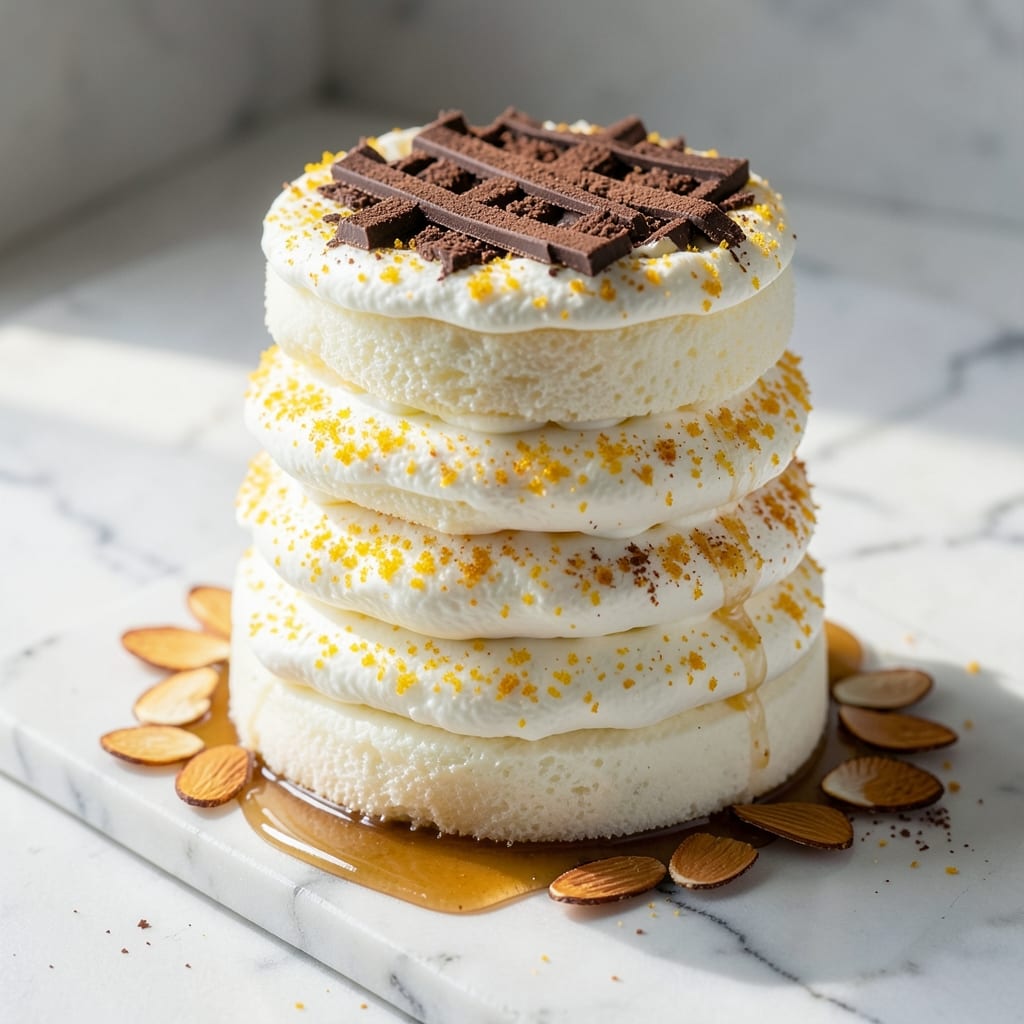
This angel food pound cake recipe delivers the perfect balance of light, airy layers and rich citrus notes that elevate every slice. 🌟 The secret lies in properly whipped egg whites and a touch of zest that brightens the classic vanilla flavor without overpowering it. Unlike dense pound cakes, this version stays remarkably light thanks to a few key techniques that create that signature fluffy texture.
What sets this recipe apart is the combination of traditional pound cake richness with the freshness of citrus zest, which adds a subtle brightness that cuts through the sweetness. The cake bakes up with a golden crust and tender, moist layers that crumble just slightly—ideal for serving with fresh berries or a dollop of whipped cream. This version maintains the classic angel food cake's egg-based foundation while incorporating the structure of a pound cake for a satisfyingly substantial dessert.
Achieving that signature light-as-air texture requires precise egg white whipping and careful folding, but the process is simpler than you might think. With just 10 ingredients and 40 minutes in the oven, you'll end up with a cake that's impressive enough for special occasions but easy enough for weeknight treats. The citrus zest not only enhances the flavor but also adds beautiful color contrast to each slice.
Perfect for brunch gatherings, holiday desserts, or as a showstopper for dinner parties, this cake pairs beautifully with fruit compotes or a dusting of powdered sugar. The recipe also works well as a base for trifles or layer cakes, making it incredibly versatile. Let's get started on creating your lightest, most flavorful pound cake yet.
Ingredients for angel food pound cake
Ten essential ingredients transform into a cake that’s light as air yet rich with citrus brightness.
| Ingredient | Amount | Notes |
|---|---|---|
| Large Egg Whites 🥚 | 12 whole | Room temperature, pasteurized preferred |
| Granulated Sugar 🍚 | 2 cups | Superfine for even dissolving |
| Unsalted Butter 🧈 | 1 cup | Cold, cubed for even distribution |
| All-Purpose Flour 🌾 | 2 cups | Sifted, plus extra for dusting |
| Lemon Zest 🍋 | 1 tbsp | Fresh, finely grated |
| Orange Zest 🍊 | 1 tbsp | Fresh, finely grated |
| Vanilla Extract 🌸 | 1 tbsp | Pure, high-quality extract |
| Baking Powder 🍞 | 1 tsp | Aluminum-free for lightness |
| Salt 🧂 | ¼ tsp | Diamond Crystal preferred |
| Lemon Juice 🍋 | 2 tbsp | Freshly squeezed |
The egg whites are the foundation—room temperature and pasteurized for optimal volume. Kirkland Signature or Vital Farms brands ensure quality without compromise. For zest, use organic lemons and oranges from the produce section—their vibrant color and intense flavor elevate the cake. The butter should be cold and cubed, not melted, to prevent dense layers. Plugrá or Land O'Lakes unsalted butter works perfectly. Measure flour by weight if possible for precision, but sifting is non-negotiable—it ensures even distribution and prevents dense pockets.
No superfine sugar? Pulse granulated sugar in a food processor for 2-3 minutes to achieve the same fine texture. Substitute 1 tbsp honey or agave for the lemon juice if needed, though the acidity helps stabilize the egg whites. For vanilla, imitation extracts lack depth—stick to pure Madagascar bourbon or Tahitian vanilla. The baking powder must be aluminum-free (like Bob’s Red Mill) to maintain the cake’s signature lightness. If you’re short on zest, 1 tsp bottled citrus zest works, but fresh is ideal for that bright pop of color and flavor.
Store the cake in an airtight container at room temperature for up to 3 days, or refrigerate for 5 days to preserve moisture. For longer storage, freeze slices wrapped in plastic for up to 3 months. The citrus zest intensifies over time, so reheat slices at 300°F for 5-10 minutes to restore freshness. This cake also freezes beautifully as a pre-baked layer for trifles or layer cakes—just thaw at room temperature before serving.
Why You'll Love This Recipe
- No Mixer Needed: I swear by my hand mixer, but honestly? This cake thrives on the simplicity of a whisk and a bowl—no fancy equipment required. The egg whites fold in like a dream, and that butter gets creamed with sugar in minutes. (Yes, even when I’m in a rush.)
- Zesty Magic: That lemon zest isn’t just decoration—it’s the secret weapon. Bright, citrusy, and just enough to cut through the sweetness without overpowering. It’s the kind of flavor that makes you want to bake it again immediately.
- Leftover Hero: This cake stays fresh for days, which means I can bake one batch and slice it for breakfast (toasted with jam), dessert (drizzled with honey), or even a quick snack. No sad, dried-out cake here—it’s the ultimate make-ahead win.
- Budget Baking: The ingredient list is short, and most of it is pantry staples. Egg whites are cheap, flour is cheap, and a stick of butter goes a long way. It’s the kind of recipe that feels special but won’t break the bank—especially when you’re feeding a crowd.
Step-by-step instructions for angel food pound cake
Here's the method for a cloud-like pound cake with perfect citrus-infused layers.
👨🍳 Step 1: Prepare the Egg Whites and Sugar Mixture
Separate the 12 whole large egg whites from yolks, ensuring no traces of yolk remain—this is critical for stable meringue. Place them in a spotlessly clean, grease-free bowl. Using a stand mixer fitted with the whisk attachment, beat them on low speed until frothy, then gradually add the 2 cups granulated sugar while increasing speed to high. Beat for 8-10 minutes until the meringue forms stiff, glossy peaks that hold their shape when the whisk is lifted.
Here's the thing—your bowl must be immaculate. Any grease or yolk residue will prevent proper volume development. I like to wipe the bowl with lemon juice first, then rinse thoroughly before using. The sugar should dissolve completely, and the mixture should become thick enough to hold its shape when you turn the bowl upside down briefly.
👨🍳 Step 2: Incorporate Butter and Flavorings
In a separate medium bowl, combine the 1 cup cold cubed unsalted butter, 2 cups sifted all-purpose flour, 1 tbsp lemon zest, 1 tbsp orange zest, 1 tbsp vanilla extract, 1 tsp baking powder, and 0.25 tsp salt. Mix with a whisk until just combined—you should still see small flour streaks. Gently fold this mixture into the egg white meringue using a spatula in a J motion, being careful not to deflate the air incorporated during beating.
I press down gently on the meringue with the spatula during the first few folds—this prevents it from curdling when the heavier dry ingredients are added. The batter should have a thick, glossy consistency, like soft peaks of meringue with visible streaks of flour. Don't overmix here; you want to preserve as much air as possible for that signature light texture.
🥘 Step 3: Fold in Lemon Juice and Prepare Pans
Add the 2 tbsp freshly squeezed lemon juice to the batter and gently fold it in using the same careful technique. This brightens the flavor and adds moisture without weighing down the structure. Lightly grease two 9-inch round cake pans with nonstick spray and dust them generously with flour, tapping out any excess. Line the bottoms with parchment circles for easy removal.
This is where precision matters. The batter should be smooth but still hold its shape when spooned into the pans. If it looks too thin, it's been overmixed—this will result in a dense cake. If it's too thick, add just enough extra flour to bring it to a consistency that clings slightly to the spatula but still holds its form when spooned.
🔥 Step 4: Bake at Low Temperature for Even Rise
Divide the batter evenly between the prepared pans, filling them about ¾ full. Place them in a preheated 325°F oven and bake for 45-50 minutes, or until the tops spring back when gently pressed and a toothpick inserted comes out clean. Rotate the pans halfway through baking for even browning.
Don't be tempted to open the oven door early to check—this causes the cakes to sink. The reason we bake at this lower temperature is to allow the cakes to rise gradually without collapsing. You'll know they're done when the tops are golden and the edges pull away slightly from the pan. Let them cool in the pans for 10 minutes, then transfer to a wire rack to cool completely before removing the parchment.
⏰ Step 5: Layer and Chill for Maximum Lightness
Once completely cool, place one cake layer on a serving plate and spread ½ cup lemon curd (optional but recommended) over the top. Dust the curd lightly with powdered sugar if desired, then place the second layer on top. Dust the entire cake generously with powdered sugar and serve immediately or store covered at room temperature for up to 2 days. For best texture, serve within 4 hours of baking.
The citrus zests and lemon juice create a bright, refreshing flavor profile that pairs beautifully with the delicate sweetness. The key to this recipe's success lies in the careful handling of the egg whites and the low-temperature baking—these steps ensure that signature angel food cake lightness that makes every bite feel like a cloud.
Pro Tips For Making Angel Food Pound Cake
- Whip Whites to Stiff Peaks: Use a stand mixer with the whisk attachment—no hand whisks here. Beat the egg whites on medium-high until they hold stiff peaks that don’t flop over when you lift the bowl. If they’re just soft peaks, you’re not there yet. I’ve seen cakes collapse because of this, and it’s a shame when a little extra time fixes it.
- Sift Flour Like You Mean It: Sift that all-purpose flour with the lemon zest twice—once before mixing, once after. The zest clumps like a stubborn guest at a party, and unsifted flour weighs down the batter. Do this in a separate bowl, not directly into the mixer, or you’ll end up with a dense brick.
- Skip the Butter Grease-Up: This isn’t a butter cake—don’t grease the pan with butter. Use a nonstick spray or brush with melted butter, then dust with flour lightly. Too much butter = soggy cake. I learned this after my first batch turned into a greasy mess that stuck like glue.
- Bake Until the Center Springs: Check doneness with a toothpick, but also give the cake a gentle press in the center—it should spring back immediately, not slowly. If it’s underdone, the middle will stay gummy. Overbaking? The edges will be dry before the center sets. An instant-read thermometer at 200°F (93°C) is your best friend here.
Dietary considerations for this angel food pound cake
Vegetarian Foundation
This recipe naturally falls under vegetarian categories since it contains no meat, poultry, or seafood. The 12 large egg whites provide all the protein, while the unsalted butter and all-purpose flour create a rich, moist texture without animal products beyond eggs. For those avoiding eggs entirely, this isn't a vegan cake—but it's a perfect option for lacto-vegetarians who enjoy egg-based desserts. 🥚
Gluten-Free Adaptation
To make this cake gluten-free, replace the 2 cups all-purpose flour with a 1:1 gluten-free flour blend like Bob's Red Mill 1-to-1 or King Arthur Measure for Measure. Add ½ tsp xanthan gum to help bind the structure since gluten-free flours lack natural elasticity. The citrus zest and lemon juice will still shine, but expect slightly denser layers—this is normal with gluten-free baking. 🌾
Egg Allergy Options
For those with egg allergies, this recipe isn't directly adaptable due to its meringue-based foundation, but you can try a flourless chocolate cake alternative using aquafaba (chickpea brine) whipped to stiff peaks instead of egg whites. Substitute ¼ cup aquafaba for each egg white (so 3 cups total) and reduce sugar slightly since aquafaba is less sweet. The texture will differ but still offer lightness. Always consult an allergist before trying substitutions. 💡
Dairy-Free Modifications
To eliminate dairy, swap the 1 cup unsalted butter for 1 cup dairy-free butter like Miyoko's or Earth Balance. These plant-based butters melt similarly and maintain the cake's moisture. The flavor remains bright and citrus-forward, though the texture may be slightly less rich. For extra richness, add 2 tbsp coconut oil to the dry ingredients. 🧈
Lower Sugar Options
Reduce the 2 cups granulated sugar to 1½ cups for a lighter sweetness while keeping the cake's structure intact. Replace the remaining ½ cup with ½ cup monk fruit sweetener (like Lakanto) or ½ cup coconut sugar for a lower-glycemic option. The citrus flavors will still dominate, but the cake will be less dense. Taste as you go—sometimes less sugar enhances the natural brightness. 🍚
Nutrition facts
Frequently asked questions
Why does this pound cake recipe use egg whites only?
The egg whites create that signature angel food cake lightness by incorporating air when whipped to stiff peaks. Using only whites eliminates fat from yolks, which would make the cake denser. The butter and flour provide richness and structure without weighing down the delicate texture. This balance is what makes the cake both light and moist.
Can I make this cake in a single 9-inch pan instead of two?
Yes, but reduce the baking time to 35-40 minutes and check for doneness at 30 minutes. The cake will be slightly thicker (about 3 inches tall) but still light. For best results, use a pan with a removable bottom and bake at 325°F to prevent over-browning.
What's the secret to preventing a dense cake?
Three critical factors:
- Whip egg whites to stiff peaks (they should hold their shape when the whisk is lifted),
- Fold dry ingredients gently with a J motion to preserve air, and
- Bake at 325°F (not higher) to allow gradual rise. Overmixing or opening the oven early are the biggest culprits for density.
How do I store leftovers without drying out the cake?
Wrap each slice tightly in plastic wrap and store in an airtight container at room temperature for up to 3 days. For longer storage, freeze slices for 3 months. To revive texture, reheat slices at 300°F for 5 minutes before serving. The citrus zest actually intensifies over time, making older slices more flavorful!
Can I substitute the citrus zest with something else?
Yes! Try 1 tbsp lime zest for a tangier profile or ½ tsp almond extract for a nutty twist. For a floral note, add 1 tsp rose water (reduce vanilla to ½ tbsp). The zest adds both flavor and color—if you omit it, increase vanilla to 1½ tbsp to maintain sweetness.