
Desserts
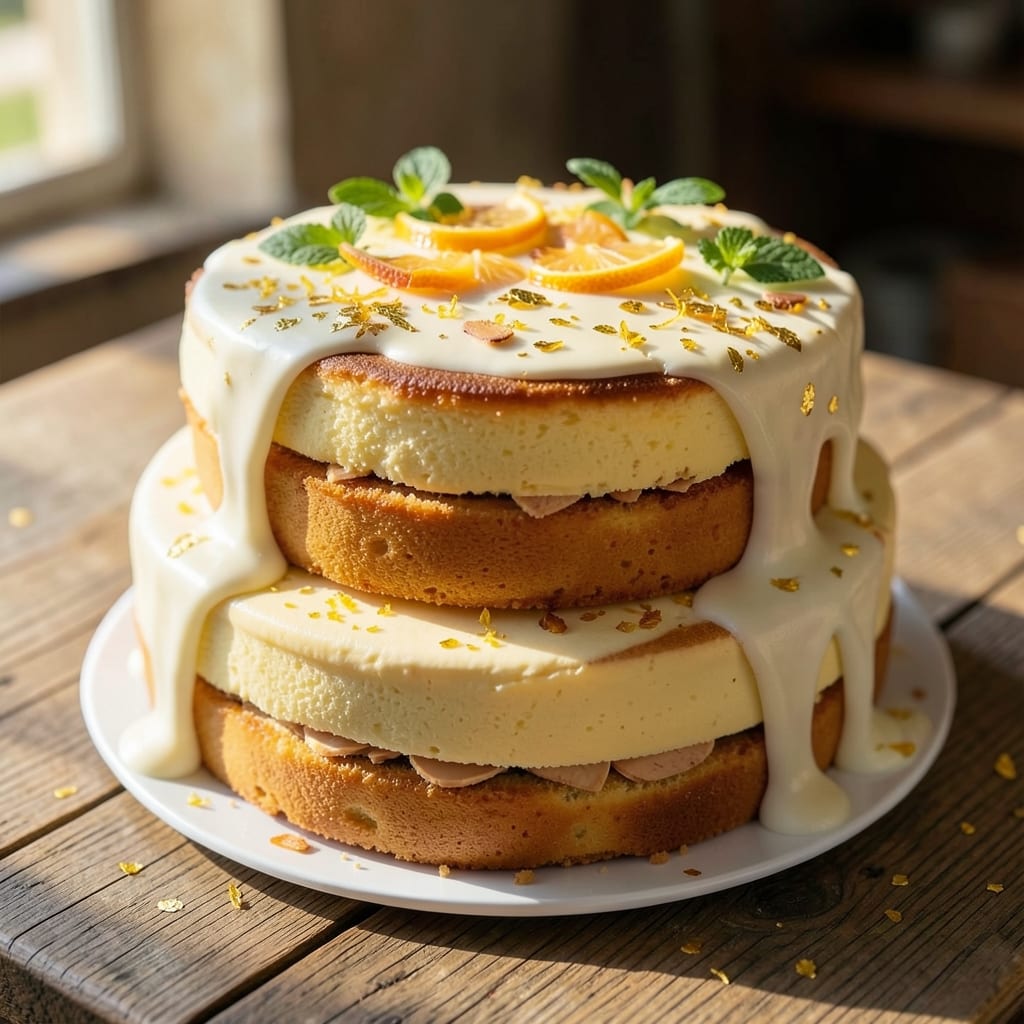
This Aqua Pazzo butter cake delivers layers of velvety perfection with a signature citrus-zest magic that sets it apart from ordinary vanilla cakes. 💛 The secret lies in its delicate balance of buttery richness and bright, aromatic citrus notes that linger with every bite—inspired by the iconic Italian dessert that inspired its name. What makes this recipe special is how the citrus zest infuses through the batter, creating a subtle yet unmistakable flavor that elevates every forkful.
Traditional butter cake techniques form the foundation, ensuring tender crumb and moist texture, while the citrus elements add a sophisticated twist. The recipe uses a precise ratio of ingredients to achieve that signature velvety consistency, with a touch of lemon or orange zest that transforms the cake into something extraordinary. Baking at the right temperature is key—too hot, and the citrus flavors overpower; too cool, and the layers won’t set properly.
What you’ll end up with is a cake that’s as visually stunning as it is delicious—golden layers that slice cleanly and reveal a moist, buttery interior. The citrus notes shine through without overpowering, creating a harmonious balance that makes this cake perfect for celebrations or a special treat. The recipe includes optional decorating tips to enhance its elegance, ensuring it’s as impressive as it tastes.
Perfect for birthdays, anniversaries, or simply indulging in a slice of Italian-inspired dessert, this cake combines classic techniques with a modern twist. The result is a dessert that feels both nostalgic and fresh, delivering on the promise of Aqua Pazzo’s signature flavor profile in every bite.
Ingredients for aqua pazzo butter cake
Buttery richness meets citrus brightness in this elegant cake—just 13 ingredients for velvety layers.
| Ingredient | Amount | Notes |
|---|---|---|
| Unsalted Butter 🧈 | 1 ½ cups | Cold, cubed for creaming |
| Granulated Sugar 🍚 | 2 ½ cups | Superfine preferred for smoothness |
| All-Purpose Flour 🌾 | 2 ½ cups | Sifted for light texture |
| Lemon Zest 🍋 | 1 tbsp | Fresh, finely grated |
| Orange Zest 🍊 | 1 tbsp | Fresh, finely grated |
| Large Eggs 🥚 | 4 whole | Room temperature |
| Vanilla Extract 🌿 | 1 tbsp | Pure vanilla preferred |
| Baking Powder 🧂 | 2 tsp | Aluminum-free recommended |
| Salt 🧂 | ½ tsp | Fine sea salt |
| Whole Milk 🥛 | ¾ cup | Room temperature |
| Lemon Juice 🍋 | 1 tbsp | Freshly squeezed |
| Powdered Sugar 🍚 | 1 cup | For glaze (optional) |
| Heavy Cream 🥛 | ¼ cup | For glaze (optional) |
The butter should be cold and cubed—this creates tender layers. Plugrá or European-style butter has higher fat content, making it ideal for this recipe. For zest, use organic lemons and oranges when possible; conventional citrus can sometimes contain wax. The flour matters too—King Arthur or Gold Medal brands are reliable for consistent results. Measure ingredients precisely, especially the sugar and flour, as this cake relies on delicate balance for its signature texture.
No superfine sugar? Pulse granulated sugar in a food processor for 2-3 minutes—it’ll get you close. Substitute lemon juice with lime juice if needed, but the flavor will shift slightly. For a dairy-free version, replace butter with vegan butter and milk with almond milk, though texture may vary. The optional glaze can be made with powdered sugar and lemon juice if you prefer a lighter finish. If you don’t have vanilla extract, vanilla bean paste works beautifully—just use half the amount.
Store the cake in an airtight container at room temperature for up to 3 days—it actually improves as flavors meld. For longer storage, freeze layers separately for up to 2 months. Reheat slices in the oven at 300°F for 5-10 minutes to restore moisture. The glaze, if used, should be added just before serving—it’s delicate and can soften if applied too early.
Why You'll Love This Recipe
- No-Fuss Layers: This cake comes together in one bowl—no mixing madness, no extra pans. Just cream butter and sugar until light, fold in flour and zests, then bake. Honestly, I’ve made it while scrolling through my phone.
- Zesty Magic: That bright citrus punch from lemon and orange zest? It’s like sunshine in every bite. The butter keeps it rich but never heavy, and the zest lingers just enough to make you reach for seconds.
- Weekend or Weeknight: Slice it fresh for brunch or bake it ahead for a stress-free dessert. Between us, I’ve had it cold with tea or warm with whipped cream—both times, no regrets.
- Budget Luxury: Rich, buttery, and foolproof—this cake doesn’t skimp on flavor but uses pantry staples. The zests add that gourmet touch without breaking the bank, and leftovers? They disappear faster than I can say “second slice.”
Step-by-step instructions for Aqua Pazzo butter cake
Here's how to create the signature velvety layers with vibrant citrus notes that define this classic Italian cake.
🍳 Step 1: Cream Butter and Sugars to Light and Fluffy
In a stand mixer fitted with the paddle attachment, beat the 1.5 cups unsalted butter and 2.5 cups granulated sugar on medium speed for 5-7 minutes. You're looking for a pale, creamy mixture that nearly doubles in volume and leaves faint ribbons when the beaters are lifted. This thorough creaming incorporates air, which creates the cake's signature light texture.
I like to scrape down the sides of the bowl every 2 minutes to ensure even mixing. The butter should be completely smooth with no visible lumps. If using superfine sugar, the mixture will reach this stage slightly faster—just watch for that pale color and ribboning texture.
👨🍳 Step 2: Add Eggs and Citrus Zest Gradually
Add the 4 whole large eggs, 1 at a time, mixing on low speed after each addition until fully incorporated. Then add the 1 tbsp lemon zest, 1 tbsp orange zest, 1 tbsp vanilla extract, and 1 tbsp lemon juice, mixing just until combined. The citrus zest will add that signature bright flavor while keeping the cake moist.
Here's the thing—don't overmix after adding the zest. You want to preserve those tiny citrus particles that give the cake its distinctive character. The batter should be smooth but still slightly thick at this stage.
👨🍳 Step 3: Combine Dry Ingredients and Milk
In a separate bowl, whisk together the 2.5 cups all-purpose flour, 2 tsp baking powder, and 0.5 tsp salt. Then add the dry mixture to the wet ingredients in 3 additions, mixing on low speed just until combined after each addition. Finally, add the 0.75 cup whole milk and mix until the batter is smooth and just combined.
I always use a silicone spatula to gently fold in the last bit of flour mixture by hand—this prevents overmixing that can make the cake dense. The final batter should be thick but pourable, with no visible streaks of flour. If it's too thick, add 1-2 tablespoons more milk to achieve the right consistency.
⏰ Step 4: Bake in Layers for Perfect Rise
Divide the batter evenly between 2 (8-inch) round cake pans lined with parchment paper. Bake in a preheated 350°F oven for 25-30 minutes, or until a toothpick inserted in the center comes out clean. Rotate the pans halfway through baking for even browning.
The key here is patience—don't open the oven door early to check. The cakes should rise gently and develop a golden dome. If the tops brown too quickly, tent loosely with foil after 20 minutes. Let the cakes cool in the pans for 10 minutes, then transfer to a wire rack to cool completely.
🥘 Step 5: Assemble with Optional Citrus Glaze
Once completely cool, level the tops of the cakes if needed. For the traditional Aqua Pazzo finish, whisk together the 1 cup powdered sugar and 0.25 cup heavy cream until smooth. Drizzle between the layers and over the top of the stacked cake.
For extra flavor, you can brush the layers with additional lemon or orange juice before assembling. The glaze should be thin enough to spread smoothly but thick enough to create that signature glossy finish. Let the glaze set for 30 minutes before serving to achieve the perfect balance of texture and flavor.
Pro Tips For Making Aqua Pazzo Butter Cake
- Cream Butter First: Take 5 minutes to beat the butter and sugar until it’s pale yellow and fluffy—no streaks left. I used to skip this, and the cake turned out dense. The butter needs to fully emulsify with the sugar for that signature lightness.
- Sift That Flour: Don’t just dump the flour in—sift it first, then gently fold it into the butter mixture. This keeps the cake tender and prevents a heavy texture. (Yes, even if you’re impatient like me.)
- Don’t Overmix Zests: Lemon and orange zest are potent—use a fine grater and stop when you’ve got about 1 tablespoon total. Overdoing it makes the cake bitter. Taste the batter before baking; if it’s too sharp, cut back.
- Bake Until Just Done: Pull the cake out when the center springs back slowly (not fast) to touch. Overbaking dries it out—this cake should be moist, not cakey. Let it cool in the pan for 10 minutes, then transfer. (Trust me, it’s worth the wait.)
Wine and beer pairings for aqua pazzo butter cake
Bright Whites
This cake’s citrus-forward flavor profile pairs beautifully with crisp, dry white wines that complement its buttery richness without overpowering the delicate zest notes. I always reach for a Pinot Grigio from Italy’s Veneto region—its bright acidity and subtle almond undertones mirror the cake’s lemon and orange accents. A Vermentino from Sardinia works equally well, offering a touch of minerality that cuts through the sweetness. 🍷
Sparkling Citrus
For a celebratory touch, a Prosecco or Cava with their effervescence and citrus notes creates a magical pairing. The bubbles cleanse your palate between bites, while the wine’s natural tartness enhances the cake’s zest. I like to serve chilled glasses alongside slices for a festive dessert experience. A Moscato d’Asti adds a floral sweetness that pairs wonderfully with the glaze.
Honeyed Reds
If you prefer red wine, opt for lighter styles with enough acidity to balance the butter. A Pinot Noir from Oregon or Burgundy offers red fruit notes that harmonize with the cake’s vanilla and citrus. For something fruitier, a Lambrusco from Italy—slightly fizzy and berry-forward—adds a playful contrast. Avoid heavy Cabernets or Syrahs that would clash with the delicate flavors. 🍇
Beer Pairings
For beer lovers, a Belgian Witbier like Hoegaarden or Stella Artois provides a crisp, citrusy counterpoint to the cake’s richness. The coriander and orange peel notes in these beers echo the lemon and orange zest in the dessert. A Pilsner with its clean, refreshing finish also works well, especially if you prefer a lighter pairing. Avoid malty or dark beers that would overpower the delicate citrus flavors.
Coffee or Tea
If alcohol isn’t an option, a strong espresso or Earl Grey tea makes excellent companions. The bitterness of coffee enhances the cake’s sweetness, while the bergamot in Earl Grey complements the citrus notes beautifully. I often serve a small cup of coffee alongside slices for a sophisticated finish. For a non-caffeinated option, chamomile tea with honey adds a soothing contrast to the rich dessert. ☕
Nutrition facts
Frequently asked questions
What makes this butter cake different from regular vanilla cake?
The signature difference is the bright citrus zest—1 tbsp lemon zest and 1 tbsp orange zest infuse the batter with a subtle, aromatic brightness that sets it apart from vanilla cakes. The citrus also keeps the cake moist longer while adding that signature Aqua Pazzo flavor profile.
Can I make this cake in a single layer instead of two?
Yes! For a single 9-inch layer, use the same batter but bake for 35-40 minutes at 350°F. The texture will be slightly denser, but the citrus flavor remains vibrant. Just reduce the glaze to ½ cup powdered sugar + 2 tbsp cream for a thinner finish.
How do I prevent the cake from being too dry?
Overbaking is the most common cause. Check doneness at 25 minutes—the cake should spring back when gently pressed, not feel firm. For extra moisture, brush warm layers with 1 tbsp lemon juice before assembling. Also, store in an airtight container with a slice of bread to absorb excess dryness.
What's the best way to store leftovers?
Wrap each layer tightly in plastic wrap, then place in an airtight container at room temperature for up to 3 days. For longer storage, freeze layers separately for 2 months. Thaw overnight in the fridge and rewarm slices at 300°F for 5-10 minutes to restore moisture.
Can I add fillings like jam or cream?
Traditional Aqua Pazzo cakes often feature lemon curd or orange marmalade between layers. For extra richness, use whipped cream or pastry cream. Just ensure fillings are at room temperature to prevent sogginess. The citrus flavor in the cake pairs beautifully with berry compotes too!