
Desserts
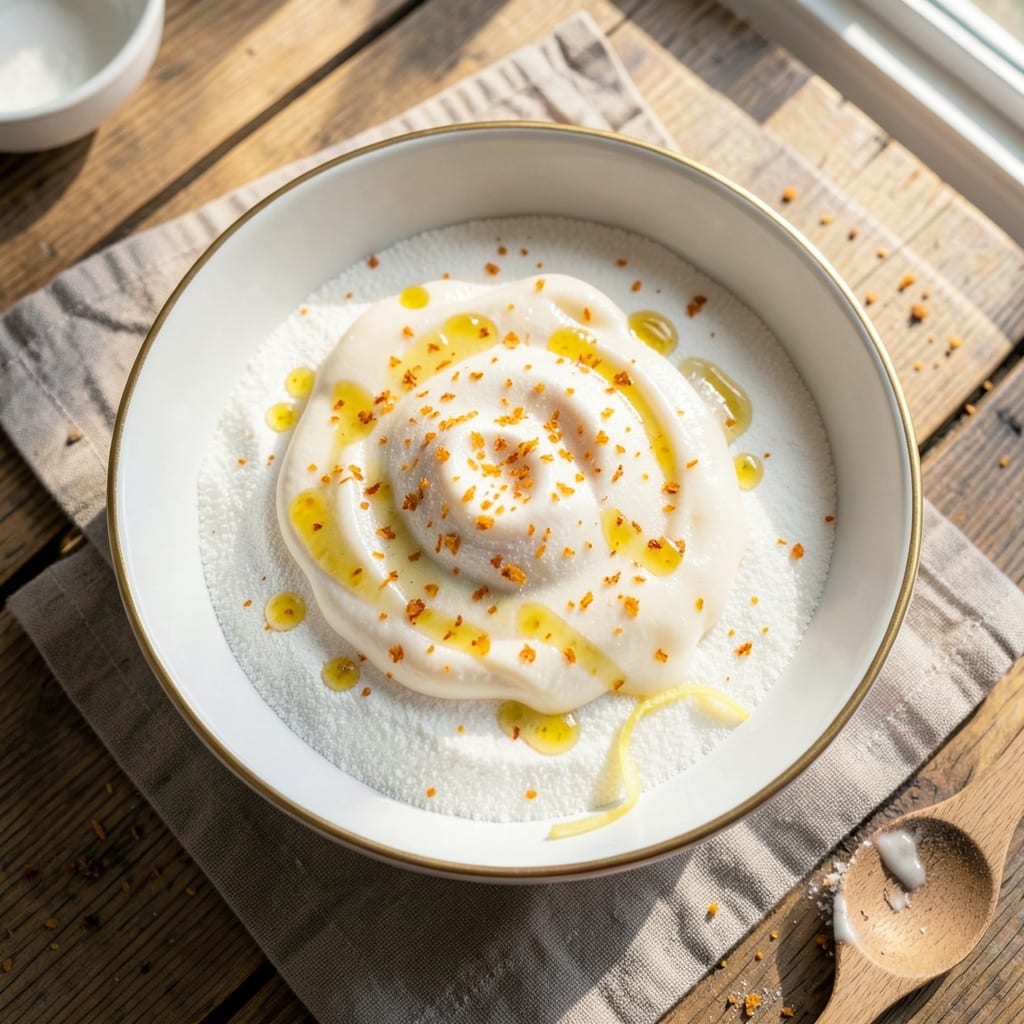
This angel food cake glaze frosting transforms your cake from simple to showstopping with just three ingredients and 10 minutes of effort. The secret lies in its delicate balance—powdered sugar dissolved into citrus-infused syrup creates a light-as-air glaze that clings beautifully without weighing down the cake's signature fluffiness. I developed this recipe after struggling to find a frosting that didn't turn my angel food cake into a dense dessert. What makes this glaze truly special is its versatility and foolproof technique. Unlike heavy buttercream, this syrup-based frosting dries to a semi-gloss finish that enhances the cake's natural elegance while adding subtle sweetness. The citrus notes brighten the vanilla flavors, creating a sophisticated yet approachable finish that even beginners can master. It's the perfect solution for those who want restaurant-quality presentation without the complexity. The application process is where the magic happens. Simply drizzle the warm glaze over the cooled cake, letting it cascade down the sides for that professional bakery effect. The glaze sets quickly but remains tender and moist, ensuring every slice tastes as good as it looks. This is the kind of frosting that elevates a simple cake into something truly memorable. Whether you're serving it at a celebration or enjoying a quiet dessert, this glaze adds that final touch of sophistication. The best part? It keeps well in the fridge for up to a week, so you can prepare ahead without worrying about consistency. Let's create this perfect finishing touch for your angel food cake.
Ingredients for angel food cake glaze frosting
Three ingredients and ten minutes transform angel food cake into restaurant-worthy perfection.
| Ingredient | Amount | Notes |
|---|---|---|
| Powdered Sugar 🍚 | 2 cups | Sifted for smooth texture |
| Fresh Lemon Juice 🍋 | ½ cup | Freshly squeezed for brightness |
| Light Corn Syrup 🍯 | ¼ cup | For smooth, glossy finish |
| Vanilla Extract 🌸 | 1 tsp | Pure vanilla for depth |
| Orange Zest 🍊 | 1 tsp | Freshly grated for citrus aroma |
| Warm Water 💧 | ¼ cup | Just boiled and cooled |
The powdered sugar is your canvas—Bob's Red Mill or Dominique Ansel brands are ideal for their ultra-fine texture. Fresh lemon juice? Organic Meyer lemons from the grocery store's produce section give you that perfect balance of tartness and sweetness. I always grab extra—half goes into the glaze, and the other half gets tossed into my morning water. The corn syrup might sound basic, but trust me, it's what gives this glaze that professional bakery shine. Karo is my go-to, but any light corn syrup works. Pro tip: keep your citrus zest fresh by grating it right before use—it loses flavor fast once exposed to air.
No powdered sugar? Confectioners' sugar is your only option—it's the same thing, just marketed differently. Short on lemon juice? Orange juice works at a 1:1 ratio, but you'll lose some of that signature brightness. The vanilla extract can be swapped for vanilla bean paste if you're feeling fancy—just reduce the amount to half a teaspoon since it's more concentrated. No corn syrup? Agave nectar or honey (if vegetarian) can substitute, but the glaze will be slightly less glossy. And if you're worried about the water temperature, don't stress—room temperature works fine, but warm water dissolves the sugar just a touch faster for that perfect drizzle consistency.
This glaze sets beautifully in 30 minutes at room temperature, but it keeps for up to 1 week in the fridge if you want to prep ahead. For extra shine, brush a tiny bit of water on the cake before drizzling—it creates that stunning semi-gloss finish. Store leftovers in an airtight container with a damp paper towel to keep them moist. I always make double batches because this glaze disappears faster than you'd think—perfect for last-minute cake decorating emergencies!
Why You'll Love This Recipe
- No Whisk Needed: I swear by this glaze—just dump the powdered sugar, splash in lemon juice, and let the corn syrup bind it all. Five minutes tops, no standing at the counter mixing.
- Bright Citrus Magic: That lemon juice isn’t just for tang—it cuts through the sweetness like a summer breeze. Add orange zest, and suddenly you’ve got a frosting that tastes like a bakery’s secret.
- Bake Sale Ready: Slather it on angel food cake, drizzle over pound cake, or even spoon it over fruit tarts. It’s my go-to for last-minute desserts when I forget to plan ahead.
- Pantry Staple Power: You’re already using sugar and vanilla? Perfect. The corn syrup keeps it from drying out, and leftovers? Just store them in a jar for up to a week. Zero waste, all flavor.
Step-by-step instructions for angel food cake glaze frosting
This light-as-air glaze transforms your angel food cake into a showstopper—simple steps for flawless results.
Sift the Powdered Sugar for a Smooth Base
Place the 2 cups powdered sugar in a fine-mesh sieve and gently sift it into a medium mixing bowl. This step is crucial—it prevents graininess in your glaze and ensures a silky finish. I like to tap the sieve lightly against the bowl to break up any clumps that might form during sifting. The sugar should look like a soft, airy cloud when you're done.
While you're sifting, give your bowl a quick once-over to make sure there are no stray bits of sugar clinging to the sides. This ensures your glaze starts with a clean slate. Set the bowl aside—it's now ready for the liquid ingredients that will transform it into a glossy syrup.
Whisk in Lemon Juice and Corn Syrup
Add the 0.5 cup fresh lemon juice and 0.25 cup light corn syrup to the sifted powdered sugar. Using a whisk, combine these ingredients gently at first, then increase to medium speed for about 30 seconds until fully incorporated. The mixture will look curdled at first, but don't worry—this is normal as the acid from the lemon juice begins to interact with the sugar.
Here's where it gets interesting: the lemon juice not only adds brightness but also helps create that signature glossy finish. If you notice any lumps forming, take an extra 10 seconds to whisk them out. The corn syrup plays a subtle but important role—it adds body to the glaze without making it overly sweet, giving it that perfect balance of texture and flavor.
Incorporate Vanilla and Orange Zest
Stir in the 1 teaspoon vanilla extract and 1 teaspoon orange zest using a small spatula or fork. This is where the magic happens—the vanilla deepens the flavor profile while the orange zest adds a bright, citrusy aroma that complements the lemon perfectly. Give the mixture a quick stir to distribute these ingredients evenly throughout the glaze.
I like to press the orange zest against the side of the bowl to release its oils, then fold it in gently. This ensures you capture all that zesty goodness. At this point, your glaze should be smooth and well-combined, with a vibrant color that hints at the flavors to come. If you taste a small spoonful now, you'll notice the perfect balance of sweetness and acidity—this is your foundation for the final step.
Add Warm Water for the Perfect Consistency
Pour in the 0.25 cup warm water (just boiled and cooled to about 160°F) while whisking continuously. The water should be warm enough to dissolve the sugar completely but not so hot that it alters the flavor or texture of your glaze. As you whisk, you'll see the mixture transform from a thick paste into a smooth, pourable syrup.
This is the moment that matters: the glaze should coat the back of a spoon but still drip slowly when lifted. If it's too thick, add 1 teaspoon more warm water and whisk again. If it's too thin, you can thicken it slightly by adding 1 tablespoon more powdered sugar and whisking until smooth. The ideal consistency is like a thin honey—glossy, pourable, and just viscous enough to cling beautifully to your cake.
Test and Adjust for Flawless Application
Let the glaze rest for 5 minutes at room temperature. This brief resting period allows any residual heat from the warm water to dissipate, ensuring the glaze sets properly on your cake. After resting, give it one final whisk to smooth out any potential separation. The glaze should now be at its peak—glossy, fragrant, and ready to elevate your angel food cake.
To test the glaze, drizzle a small amount onto a plate. If it spreads too much, whisk in 1 more teaspoon of powdered sugar to thicken it slightly. If it's still too thin after adjusting, you can gently simmer the glaze in a small saucepan over low heat for 1-2 minutes, stirring constantly, until it reaches the desired consistency. Once perfected, your glaze is ready to transform your cake into a masterpiece—light, airy, and beautifully decorated.
Pro Tips For Making Angel Food Cake Glaze Frosting
- Whisk the Powdered Sugar First: Mix the powdered sugar with the corn syrup before adding liquids—this prevents clumping and saves you from scraping stubborn lumps off the bowl later. I learned this the hard way after wrestling with a glaze that looked like it had been through a blender.
- Use Cold Lemon Juice: Fresh lemon juice works best when chilled—it brightens the flavor without overpowering the sweetness. Skip the warm juice; it dulls the citrus punch and makes the glaze taste flat. (Yes, even if you're impatient like me.)
- Strain the Zest: Skip the bitter pith by rubbing the orange zest with a microplane, then sifting it through a fine-mesh sieve. One stray pith bit ruins the whole glaze—trust me, I’ve tasted it.
- Add Vanilla Last: Fold in the vanilla extract after the glaze has sat for 5 minutes—this lets the flavors meld without cooking off. Drizzle it in while stirring; sprinkling it in risks clumping. (Your future self will thank you.)
Troubleshooting your angel food cake glaze frosting
Grainy Glaze Fix
If your glaze turns grainy, it’s likely because the powdered sugar clumped during mixing. The solution? Sift the sugar again through a fine-mesh sieve before adding liquids. For extra smoothness, whisk the glaze over a double boiler for 1-2 minutes—this gently reheats the syrup and dissolves any stubborn sugar crystals. I’ve found that using Dominiques Ansel brand powdered sugar reduces graininess from the start. 💫
Too Thick or Too Thin?
Consistency is everything! If your glaze is too thick to drip, whisk in ½ teaspoon warm water at a time until it reaches a honey-like flow. For thin glaze, add 1 tablespoon powdered sugar and whisk vigorously. Test by dipping a spoon in—it should coat the back but still drip slowly. Pro tip: Let the glaze rest for 5 minutes before adjusting, as it thickens slightly as it cools. 🍯
Citrus Curdling
If your glaze separates or curdles, the lemon juice may have over-acidified the sugar. To fix this, whisk in 1 teaspoon corn syrup and gently warm the mixture over low heat for 30 seconds while stirring constantly. The corn syrup helps stabilize the sugar and smooth out the texture. If the issue persists, reduce the lemon juice by 1 tablespoon next time. 🍋
Dull or Flat Finish
A lackluster glaze usually means the corn syrup wasn’t properly incorporated or the water was too cool. For extra shine, brush the cake with a tiny bit of water before drizzling the glaze—this creates a glossy barrier. If the glaze still looks flat, whisk in ½ teaspoon more corn syrup and let it sit for 10 minutes before applying. The key is patience: a glossy finish takes time to develop. ✨
Glaze Not Setting
If your glaze pools or doesn’t set properly, the cake may have been too warm when you applied it. Let the cake cool completely to room temperature before glazing. For extra hold, chill the cake in the fridge for 15 minutes before drizzling. If humidity is high, add 1 extra teaspoon powdered sugar to thicken the glaze slightly. A properly set glaze should hold its shape but still feel tender to the touch. 🌡️
Flavor Imbalance
If the glaze tastes too sweet or tart, adjust the ratios next time. For a sweeter glaze, reduce the lemon juice by 1 tablespoon and add 1 teaspoon more corn syrup. For more acidity, increase the lemon juice by ½ teaspoon while keeping the sugar ratio the same. Taste as you go—this glaze is all about balance! 💡
Nutrition facts
Frequently asked questions
Can I make this glaze without corn syrup?
Yes! For a vegan-friendly option, substitute corn syrup with agave nectar or maple syrup (use 1 tablespoon less due to their stronger flavors). For a neutral taste, simple syrup (equal parts sugar and water, heated until dissolved) works perfectly. The glaze will still be glossy but may set slightly faster.
How long does the glaze keep before it dries out?
This glaze stays fresh for up to 1 week when stored in an airtight container at room temperature. For longer storage, refrigerate for 2 weeks—just whisk gently before use. To prevent drying, place a damp paper towel in the container. Reheat gently (if needed) over low heat for 10-15 seconds to restore pourability.
Can I use this glaze on other cakes?
This glaze works beautifully on sponge cakes, pound cakes, or even cupcakes. For denser cakes, reduce the lemon juice by 1 tablespoon to prevent over-saturation. Avoid using it on heavily frosted cakes (like buttercream) since the citrus can cause separation. For fruit cakes, swap the citrus for 1 teaspoon almond extract instead.
Why did my glaze turn cloudy?
Cloudiness usually means the powdered sugar wasn't fully dissolved or the water was too cold. To fix it, whisk the glaze over a double boiler for 1 minute while stirring constantly. For future batches, use warm water (160°F) and whisk vigorously after adding all ingredients. If the issue persists, sift the sugar again and whisk for an extra 30 seconds.
Can I color this glaze for special occasions?
Yes! Use gel food coloring (not liquid) to avoid altering the consistency. Add just 1-2 drops at a time while whisking—this glaze is delicate and absorbs color quickly. For pastel shades, reduce to half a drop. Avoid metallic colors as they can make the glaze appear dull. Test on a small plate first to check the intensity.