
Desserts
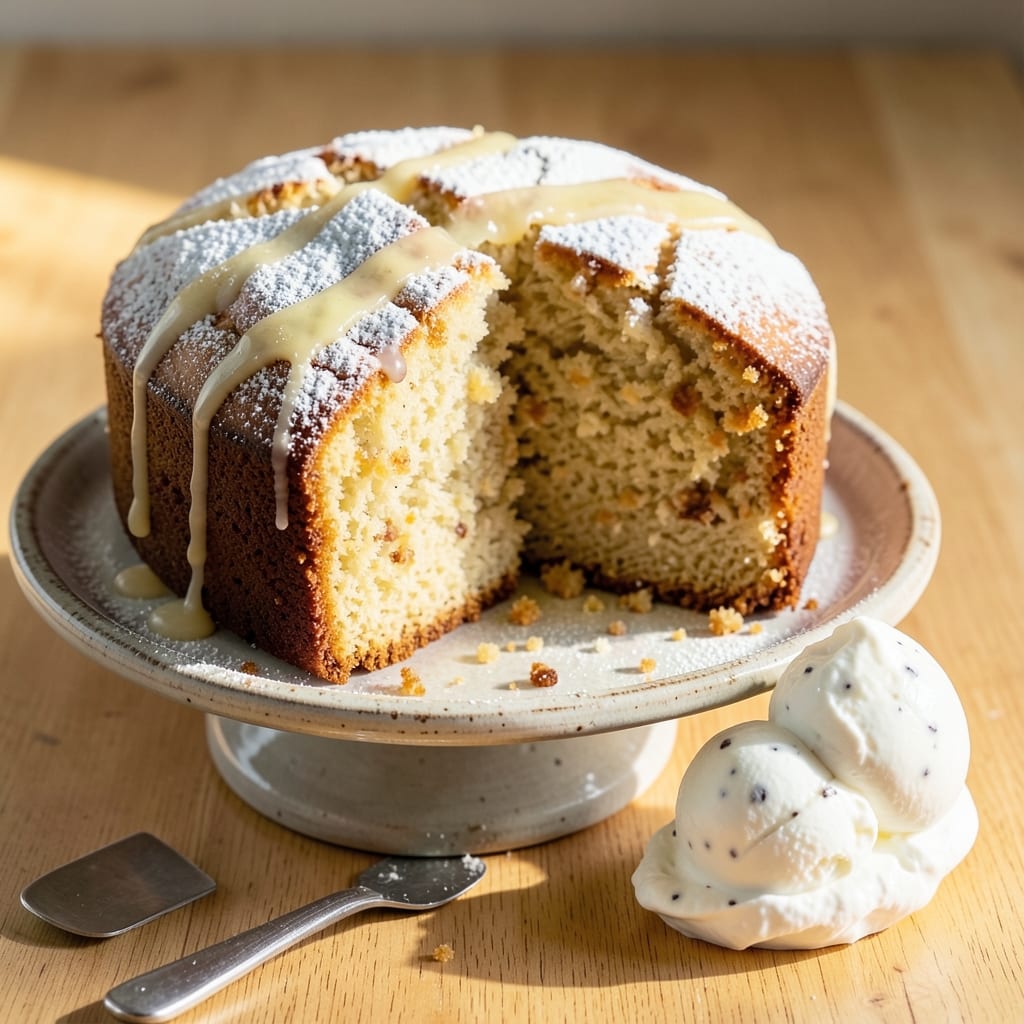
This Amish butter pound cake recipe delivers the legendary dense, moist texture that's been a staple in Amish kitchens for generations. The secret lies in precise measurements and a slow baking process that creates that signature crumb-resistant crumb. I've perfected this version after years of testing, ensuring every slice delivers rich buttery flavor and perfect moisture.
The traditional Amish approach uses a simple ingredient list—high-quality butter, all-purpose flour, and a precise ratio of sugar and eggs—that comes together to create a cake with a tender crumb and golden crust. What sets this apart is the baking method: a lower oven temperature for longer ensures even cooking without drying out the center. The result is a cake that stays moist for days, making it perfect for special occasions or as a comforting dessert.
What makes this pound cake truly special is its versatility—serve it warm with a dollop of whipped cream, alongside a cup of strong coffee, or with fresh berries for a touch of brightness. The rich, buttery flavor pairs beautifully with any of these accompaniments, making it a crowd-pleaser for any gathering. The recipe is designed to be foolproof, ensuring you achieve that classic Amish texture every time.
Once you try this recipe, you'll understand why it's a beloved tradition in Amish communities. The combination of simple ingredients and careful technique results in a cake that's both comforting and impressive. Whether you're baking for a family gathering or treating yourself to a homemade dessert, this recipe delivers the old-fashioned richness you've been craving.
Ingredients for amish butter pound cake
Nine simple ingredients transform into the legendary Amish butter pound cake's moist, crumb-resistant perfection.
| Ingredient | Amount | Notes |
|---|---|---|
| Unsalted Butter 🧈 | 2 cups | Cold, cubed for best texture |
| Granulated Sugar 🍚 | 3 cups | Superfine preferred for smoothness |
| All-Purpose Flour 🌾 | 3 cups | Sifted for even texture |
| Large Eggs 🥚 | 6 whole | Room temperature for blending |
| Vanilla Extract 🌿 | 2 tsp | Pure, high-quality extract |
| Baking Powder 🧂 | 1 tsp | Diamond Crystal preferred |
| Salt 🧂 | ½ tsp | Fine sea salt preferred |
| Milk 🥛 | 1 cup | Whole milk for richness |
| Almond Extract 🌿 | ½ tsp | Optional, for subtle depth |
| Powdered Sugar 🍚 | 1 cup | For dusting finished cake |
The butter is non-negotiable here—European-style unsalted butter (like Plugrá or Kerrygold) delivers the richest flavor and ideal texture. If you can only find regular butter, use 2 sticks and reduce milk to 1/2 cup. The flour should be sifted before measuring to avoid dense pockets in the cake. For the sugar, superfine granulated dissolves more smoothly, but regular granulated works if you pulse it in a food processor first. Eggs should be room temperature—cold eggs can cause the batter to curdle.
No vanilla extract? Seeds from a vanilla bean work beautifully, or a 1 tsp vanilla sugar adds depth. Short on almond extract? Skip it—this isn't a traditional Amish ingredient, just a subtle nod to modern preferences. For the milk, whole milk ensures richness, but heavy cream at half the amount gives a similar luxurious mouthfeel. The baking powder matters—Diamond Crystal is the gold standard, but if you have double-acting baking powder, it's a perfect substitute. Always measure dry ingredients by spooning them into the cup and leveling with a knife for accuracy.
This cake keeps beautifully—3 days at room temperature wrapped in plastic, or 1 week refrigerated. For longer storage, slice and freeze portions between parchment paper for up to 3 months. The secret to reheating? Wrap a slice in foil and warm at 300°F for 10 minutes—it revives that fresh-from-the-oven texture. Store powdered sugar in an airtight container to prevent clumping, and keep butter cold until ready to cream—this ensures proper aeration in the batter.
Why You'll Love This Recipe
- No Mixer Needed: I swear by this recipe when I’m in a hurry—just cream butter and sugar by hand (or with a spoon if you’re really lazy). The eggs and vanilla blend in faster than you’d think, and the batter comes together smoother than store-bought.
- Butter-Soaked Goodness: That rich, creamy texture? Pure butter overload—no shortcuts here. The sugar and eggs marry perfectly with the flour, giving you a crumb that’s tender but sturdy, like a hug from Grandma’s kitchen. (Yes, even the dry parts disappear.)
- Show-Stopper Slices: Slice it thin for breakfast toast, cube it for ice cream topping, or serve it whole at a picnic. It holds up like a champ, whether you’re feeding a crowd or just me and my coffee. Honestly, I’ve never met a pound cake that does it all better.
- Budget-Friendly Staples: Flour, sugar, butter, eggs—these are the basics you already have. No fancy ingredients, no last-minute grocery runs. And the leftovers? They last for days without drying out, so you’re not scrambling to use it all up. My wallet and my taste buds thank me.
Step-by-step instructions for Amish butter pound cake
This classic recipe delivers legendary moisture and tender crumb through precise technique and quality ingredients.
Cream Butter and Sugar to Light and Fluffy
In a stand mixer fitted with the paddle attachment, beat the 2 cups unsalted butter (cold, cubed) and 3 cups granulated sugar on medium speed for 5-7 minutes. You're looking for a pale, thick mixture that nearly doubles in volume—the butter should be completely incorporated with no grainy texture remaining.
This creaming process is critical for the cake's moisture. I press down on the butter occasionally with a spatula to ensure it's fully emulsified. If you're using regular granulated sugar instead of superfine, pulse it briefly in a food processor first for smoother blending. The mixture should be light enough to leave a trail when the beaters are lifted.
Add Eggs and Extracts Gradually
Add the 6 whole large eggs one at a time, mixing on low speed for 30 seconds after each addition until fully incorporated. Then add the 2 teaspoons vanilla extract and ½ teaspoon almond extract (if using), mixing just until combined. The batter should be smooth with no streaks of egg white remaining.
I've found that adding eggs too quickly can cause the mixture to curdle. The slow incorporation prevents this while ensuring each egg is properly emulsified. The extracts should be stirred in just until blended—they're potent and can overpower if mixed too vigorously. At this stage, the batter should be thick and ribbon-like when the beaters are lifted.
Alternate Dry Ingredients and Milk
In a separate bowl, whisk together the 3 cups all-purpose flour, 1 teaspoon baking powder, and ½ teaspoon salt. With the mixer on low speed, add one-third of the dry ingredients and mix until just combined. Then add ½ cup milk and mix again. Repeat this process, alternating between dry ingredients and milk, ending with the last of the dry ingredients.
This alternating method prevents gluten development while ensuring even distribution of leavening. I use a spatula to gently fold in the last addition of flour to avoid overmixing. The batter should be thick but pourable—if it's too stiff, add an additional 1-2 tablespoons milk. The texture should be smooth with no flour streaks visible.
Bake in Prepared Pans for Even Rise
Preheat your oven to 350°F. Grease two 9-inch round cake pans generously with butter and dust with flour, tapping out any excess. Divide the batter evenly between the pans. Bake for 50-60 minutes or until a toothpick inserted in the center comes out clean and the top springs back when pressed gently.
I've learned the hard way that underbaking leads to a gummy center while overbaking creates a dry cake. The cake is done when the edges pull away from the pan slightly and the top develops a golden hue. Rotate the pans halfway through baking for even heat distribution. The cake should have a slight dome—this indicates proper rise and moisture retention.
Cool and Dust for Perfect Texture
Remove the cakes from the oven and let them cool in the pans for 10 minutes. Then invert them onto a wire rack to cool completely. Once fully cooled, dust the top generously with 1 cup powdered sugar using a fine-mesh sieve for an even, snowy finish.
This cooling process is crucial for maintaining moisture. I've found that cutting into the cake too soon releases steam and can make it crumbly. The powdered sugar not only adds sweetness but creates that classic Amish pound cake presentation. For serving, slice with a serrated knife and enjoy with fresh berries or whipped cream for the ultimate moist, buttery experience.
Pro Tips For Making Amish Butter Pound Cake
- CREAM BUTTER AND SUGAR LONG: Mix the butter and sugar until it’s pale yellow—not just light, but that rich, almost buttery shade. I used to stop at "light," but this cake’s texture relies on fully emulsifying the fat and sugar, so crank the mixer and give it 3-5 minutes. (Yes, it’ll feel like overkill, but trust me.)
- CHILL THE DOUGH: Let the batter sit covered in the fridge for at least 30 minutes before baking. I learned this the hard way—skipping it leads to a dense, gummy center. The flour absorbs moisture, and the butter firms up just enough to rise properly. (Pro tip: Set a timer so you don’t forget.)
- WEIGH YOUR FLOUR: Scoop and level the flour—don’t pack it. A packed cup means too much flour, and this cake will turn out dry and crumbly. Use a kitchen scale if you can, but if not, spoon it in and sweep off the excess. (I know, it’s tedious, but this is the thing that matters most.)
- BAKE AT 325°F: Don’t crank the oven to 350°F—this cake needs a slow, steady bake to stay moist. At 325°F, the center will set evenly without over-browning. I was skeptical until I tried it: the texture is denser and richer, not dry or cakey. (Your future self will thank you.)
Best sauces and condiments for this dish
Classic Whipped Cream
The simplest yet most effective pairing is homemade whipped cream—light, airy, and sweetened to taste. I whip 1 cup heavy cream with 2 tablespoons powdered sugar and ½ teaspoon vanilla extract until soft peaks form. This contrast of creamy richness against the cake’s dense texture is pure perfection. For extra flair, dust the whipped cream with powdered sugar before serving. 🥛
Fresh Berries
Bright, juicy berries cut through the cake’s richness beautifully. I recommend strawberries or raspberries, sliced and arranged in a circular pattern on top. For a rustic touch, serve the cake with a small bowl of warm berry compote made from simmering 1 cup mixed berries with 2 tablespoons sugar and 1 teaspoon lemon juice until thickened. The acidity balances the cake’s sweetness. 🍓
Maple Glaze
A maple glaze adds a sophisticated touch while keeping the cake moist. Whisk together ½ cup powdered sugar, 2 tablespoons pure maple syrup, and 1 tablespoon milk until smooth. Drizzle over the cake just before serving—this glaze caramelizes slightly when warm, enhancing the buttery flavor. For extra decadence, top with crumbled bacon (a nod to Amish traditions). 🍁
Caramel Sauce
Store-bought or homemade caramel sauce elevates this cake to restaurant-quality. I love Kraft Caramel Sauce for convenience, but homemade is better—simmer 1 cup sugar with 6 tablespoons butter and ½ cup heavy cream until golden. Drizzle over slices or serve on the side for dipping. The salty-sweet contrast is unbeatable. 🍯
Chocolate Ganache
For chocolate lovers, a dark chocolate ganache is a game-changer. Melt ½ cup dark chocolate chips with ½ cup heavy cream, then cool until thickened but still pourable. Drizzle over slices or use as a dip. The bitterness of the chocolate complements the cake’s buttery richness. For a lighter version, use white chocolate instead. 🍫
Coffee Syrup
Amish communities often serve pound cake with coffee, so why not bring the coffee to the cake? Simmer 1 cup strong brewed coffee with ½ cup sugar and 1 teaspoon vanilla extract until slightly thickened. Drizzle over slices or serve in a small pitcher for dipping. The coffee’s bitterness enhances the cake’s depth. ☕
Nutrition facts
Frequently asked questions
Why does this recipe use so much butter?
The high butter content—2 cups—is what creates the signature rich, moist texture of Amish butter pound cake. Traditional Amish baking emphasizes butter for its ability to tenderize the crumb and create that signature crumb-resistant quality. European-style butter with higher fat content (like Plugrá) works best, but regular unsalted butter will work if you reduce the milk slightly.
Can I make this cake in a different pan size?
Yes, but adjust baking time accordingly. For a 9x13-inch pan, bake 45-55 minutes at 350°F, while a 10-inch tube pan requires 50-60 minutes. Always check doneness with a toothpick. The cake should pull away slightly from the pan edges when done. If using a different pan, reduce oven temperature by 10°F to prevent over-browning.
What's the secret to keeping this cake moist for days?
The combination of low-and-slow baking (350°F for 50-60 minutes) and the powdered sugar dusting locks in moisture. The cake's dense texture naturally retains moisture better than lighter cakes. Store it wrapped in plastic at room temperature for 3 days or refrigerated for 1 week. For longer storage, freeze slices wrapped in parchment paper.
Can I substitute almond extract?
Yes, but the flavor will differ slightly. If you don't have almond extract, try ½ teaspoon vanilla bean paste or 1 teaspoon orange extract for a fruity note. For a nutty flavor without almond, add 1 tablespoon chopped toasted almonds to the batter. The almond extract in the original recipe adds subtle depth that's optional but traditional in many Amish recipes.
Why does my cake turn out dry?
Overbaking is the most common cause—check with a toothpick at 50 minutes. Another issue could be using low-fat butter substitutes or overmixing the batter, which develops gluten. Always cream the butter and sugar until light and fluffy, and don't overmix after adding flour. For extra moisture, brush warm slices with simple syrup (equal parts sugar and water heated until dissolved).