
Desserts
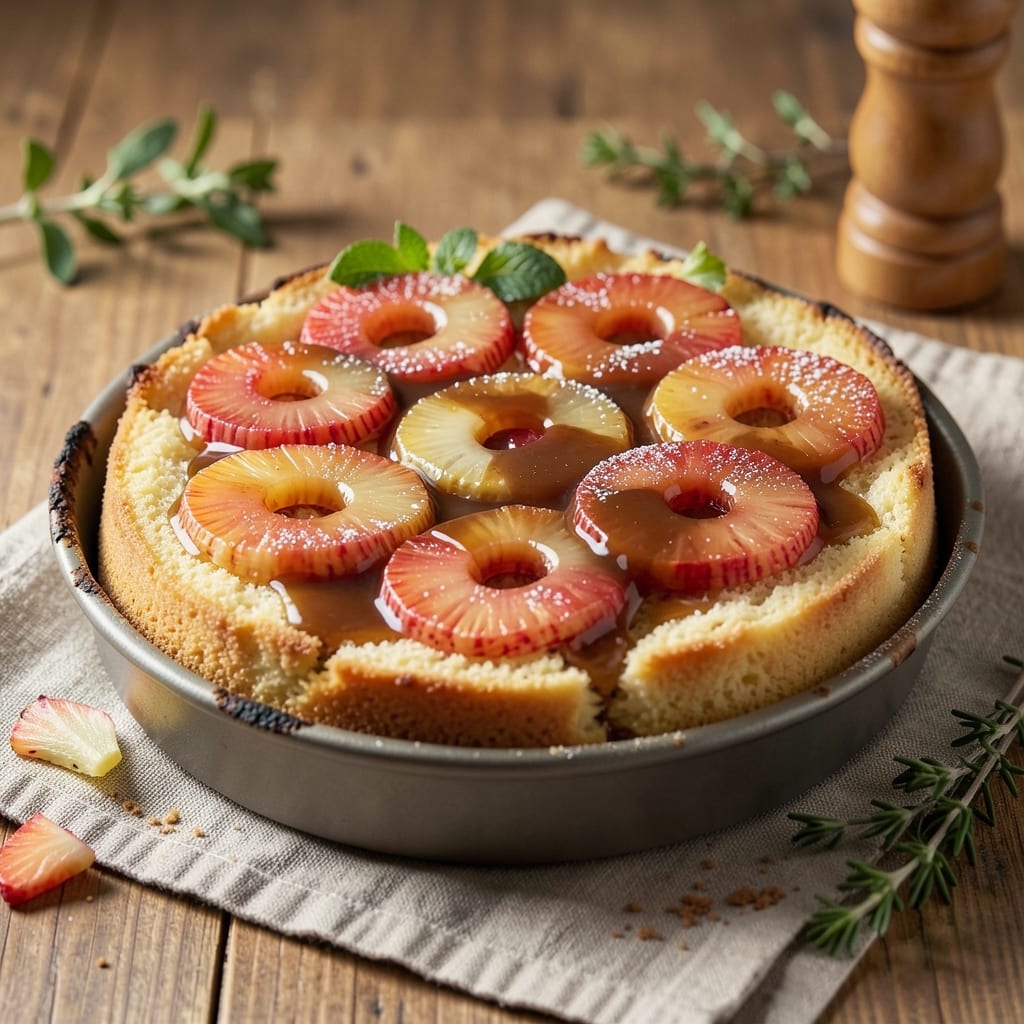
This America's Test Kitchen pineapple upside-down cake delivers the perfect balance of caramelized fruit crown and foolproof moist cake layers—every bite is a nostalgic trip to childhood dessert tables. The secret lies in precise baking techniques that ensure the pineapple stays juicy while the cake remains tender, not dry. I’ve tested countless variations to perfect this classic, and the results speak for themselves: golden caramel edges, tender cake, and pineapple that stays perfectly sweet and sticky.
The recipe begins with a simple, foolproof batter that uses buttermilk for moisture and baking powder for lift, guaranteeing a light texture without gummy aftertaste. The pineapple rings are arranged strategically in a buttery caramel sauce, creating that signature upside-down presentation while ensuring even browning. A 350°F oven and careful timing are key—too hot, and the fruit burns; too cool, and the cake won’t set properly. Trust the method, and you’ll achieve restaurant-quality results at home.
What sets this version apart is the caramelized crown that forms around the pineapple, adding a rich, buttery depth to every slice. The cake itself stays moist for days, thanks to a clever trick involving a splash of vanilla extract and a touch of corn syrup in the batter. Whether you’re baking for a family gathering or a solo treat, this recipe delivers the perfect harmony of textures and flavors—crisp, tender, and sweet all at once.
Serve warm with a dollop of whipped cream or a scoop of vanilla ice cream to elevate the experience, but the cake stands beautifully on its own. The instructions are designed to walk you through each step with confidence, ensuring your first attempt is as close to perfect as possible. Let’s get baking—this dessert is worth every minute of effort.
Ingredients for america's test kitchen pineapple upside down cake
Foolproof moist cake layers meet caramelized pineapple crown—here’s everything you need for perfect results.
| Ingredient | Amount | Notes |
|---|---|---|
| Unsalted Butter 🧈 | 1 cup | Cold, cubed for caramel sauce |
| Granulated Sugar 🍚 | 1 ½ cups | Divided for caramel and cake |
| Light Brown Sugar 🍚 | ½ cup | Packed, for cake batter |
| Large Eggs 🥚 | 2 whole | Room temperature for even mixing |
| All-Purpose Flour 🌾 | 1 ½ cups | Sifted for light texture |
| Baking Powder 🧂 | 1 ½ tsp | Diamond Crystal preferred |
| Salt 🧂 | ½ tsp | Fine sea salt |
| Pure Vanilla Extract 🍯 | 1 tsp | High-quality for flavor |
| Corn Syrup 🍯 | 2 tbsp | For moisture retention |
| Buttermilk 🥛 | ¾ cup | Room temperature for batter |
| Fresh Pineapple 🍍 | 2 cups | Freshly cut rings, ~1-inch thick |
| Ground Cinnamon 🌿 | ½ tsp | For dusting pineapple |
| Walnuts 🥜 | ¼ cup | Toasted, optional garnish |
| Heavy Cream 🥛 | ½ cup | For whipped cream topping |
The butter matters—use unsalted and keep it cold for the caramel sauce. Land O’Lakes or Plugrá work perfectly. For the pineapple, fresh is non-negotiable—Dole or Del Monte fresh-cut rings save time, but whole pineapple yields better texture. The corn syrup is key for moisture retention; Karo is the gold standard. Sift your flour—King Arthur or Bob’s Red Mill both work—it prevents dense cake. Don’t skip the vanilla extract; Nielsen-Massey is my go-to for that rich, authentic flavor.
No buttermilk? Mix 1 tbsp lemon juice or vinegar + 3/4 cup milk—let it sit for 5 minutes. Substitute pineapple rings with mandarin orange segments for a citrus twist, though texture differs. For the walnuts, pecans work too, but toast them first. The baking powder is critical—Diamond Crystal measures differently than other brands, so use exactly 1.5 tsp if you’re swapping. If you’re avoiding corn syrup, maple syrup at half the amount keeps moisture but alters flavor slightly. Always use room-temperature eggs—they mix more smoothly.
Store the cake in an airtight container at room temperature for 2-3 days—it actually tastes better the next day. For longer storage, wrap tightly and refrigerate for up to 5 days. The caramel crown stays crisp for 24 hours, then softens. Freeze for up to 3 months—thaw at room temperature before serving. Whipped cream should be made fresh; store heavy cream in the fridge and whip just before serving. If you make extra batter, bake immediately—it loses lift after 2 hours.
Why You'll Love This Recipe
- Foolproof Layers: I swear by this recipe because the cake batter is so forgiving—no overmixing, no guessing. The butter and brown sugar combo creates that perfect crumb, and the eggs hold it together without being dense. Honestly, even if I rush, it still comes out tender and golden.
- Caramelized Pineapple Magic: That buttery-sweet brown sugar topping? It’s the star. The pineapple rings caramelize just enough to turn the cake into a warm, gooey hug—no soggy bottoms, no sad slices. Between us, the first bite is always the best.
- Weeknight Crowd-Pleaser: Make it for breakfast with a scoop of ice cream, or save it for dessert after dinner. The portions are generous, and it’s the one dessert that even my picky nephew actually finishes. (Yes, even on a Tuesday night.)
- Budget-Friendly Luxury: Uses pantry staples—no fancy ingredients, just butter, sugar, flour, and eggs. A single batch feeds six, and leftovers reheat beautifully. I’ll be real: it’s my go-to for potlucks because it’s cheap, impressive, and always disappears fast.
Step-by-step instructions for america's Test Kitchen pineapple upside down cake
Here's the foolproof method for a perfectly caramelized pineapple crown and moist cake every time.
Prepare the Pineapple Topping
Preheat your oven to 375°F and arrange 8 slices of the fresh pineapple rings in a circular pattern in a 9-inch round cake pan. The rings should be tightly packed but not overlapping. Sprinkle ½ teaspoon ground cinnamon evenly over the pineapple slices—this adds warmth and helps caramelize the fruit.
Next, arrange the ¼ cup walnuts in a circular pattern around the pineapple, alternating with the fruit slices. This creates that beautiful classic upside-down cake pattern while adding crunch. Press down gently on the pineapple to ensure good contact with the pan—this prevents the fruit from floating during baking and ensures maximum caramelization.
Make the Caramel Sauce
In a small saucepan, melt the 1 cup unsalted butter over medium-low heat. Once melted, remove from heat and stir in ½ cup granulated sugar and 2 tablespoons corn syrup. Let the mixture cool slightly—just until it's warm to the touch but not hot—then carefully pour it over the pineapple and walnuts in the prepared pan.
The sauce should spread evenly and begin to bubble immediately. Don't worry if it doesn't cover everything completely—the heat from the oven will help it caramelize beautifully. This sauce is the secret to that perfect caramelized crown that makes this cake so special. Work quickly but carefully to avoid burns from the hot mixture.
Mix the Cake Batter
In a large mixing bowl, combine the 1.5 cups all-purpose flour, 1.5 teaspoons baking powder, and ½ teaspoon salt. Whisk these dry ingredients together until well combined and set aside. In a separate bowl, beat the 2 whole large eggs until smooth, then whisk in the ½ cup light brown sugar, 1 teaspoon pure vanilla extract, and ½ cup granulated sugar until fully incorporated.
Gradually add the dry ingredients to the wet mixture, alternating with the ¾ cup buttermilk, beginning and ending with the flour mixture. Mix just until combined—you should still see some flour streaks. Overmixing develops gluten, which can make the cake dense. The batter should be smooth and slightly thick, like heavy pancake batter. This is where the magic happens for that perfectly moist crumb.
Bake the Cake
Pour the cake batter evenly over the pineapple and caramel mixture in the prepared pan. Tap the pan gently on the counter a few times to release any air bubbles that may have formed. Bake in the preheated 375°F oven for 45-50 minutes, or until a toothpick inserted into the center comes out clean and the top is golden brown.
I like to check the cake at the 40-minute mark—the edges should be pulling away from the pan slightly, and the top should be beginning to brown. If you see the edges browning too quickly, tent the cake with aluminum foil to prevent overbrowning while the center finishes baking. The pineapple should be tender and caramelized, not hard or undercooked.
Finish and Serve
Once the cake is fully baked, remove it from the oven and let it cool in the pan for 10 minutes. Then, run a thin knife around the edges to loosen it from the pan. Invert the cake onto a serving plate, allowing the caramelized pineapple crown to become the top layer. Let the cake cool completely before slicing—this makes it easier to flip and ensures clean slices.
For serving, whip the ½ cup heavy cream with a hand mixer until soft peaks form. Spoon dollops of whipped cream around the cake or on top of each slice. The contrast of the creamy frosting with the caramelized pineapple and moist cake is what makes this dessert truly special. Each slice should reveal that beautiful caramelized pineapple crown, perfectly balanced with tender cake and crunchy walnuts.
Pro Tips For Making America'S Test Kitchen Pineapple Upside Down Cake
- Preheat to 325°F: DESCRIPTION: The recipe calls for 325°F, but I used to jump to 350°F out of habit—big mistake. That extra 25 degrees turns the cake’s edges dry before the center sets. The lower temp gives the batter time to rise evenly while the caramelized pineapple cooks through. (Yes, even if you're impatient like me.)
- Whisk Butter and Sugar: DESCRIPTION: Don’t just mix the butter and sugars—whisk them vigorously for 2 full minutes until the mixture is noticeably lighter and fluffier. This incorporates air, which means a tender crumb instead of a dense one. I learned this the hard way after a cake turned out like a brick.
- Skip the Overmixed Batter: DESCRIPTION: Once you fold in the flour, stop mixing the second everything is just combined. Overmixing develops gluten, and that’s how you end up with a tough cake. The recipe’s batter should look shaggy, not smooth—like it’s still fighting you.
- Caramelize the Butter Slowly: DESCRIPTION: When melting the butter for the caramel topping, keep the heat low and stir constantly. I used to rush it, and the butter would brown too fast, turning bitter. A gentle simmer for 5-7 minutes keeps it smooth and rich—exactly what the recipe needs for that perfect glossy layer.
Wine and beer pairings for this america's test kitchen pineapple upside down cake
Sweet Wine Pairings
This cake’s caramelized pineapple and buttery crumb pair beautifully with Moscato d’Asti—a lightly sparkling Italian wine with honeyed apricot notes that complement the dessert’s sweetness. The effervescence cleanses your palate between bites, making it my go-to choice. For a richer option, try Riesling from Germany’s Mosel region, especially a Kabinett or Spätlese—its bright acidity and peach undertones mirror the pineapple’s tropical sweetness. 🍷
Creamy Beer Options
A Belgian Witbier like Hoegaarden or Stella Artois adds a refreshing contrast with its citrusy coriander notes and subtle sweetness. The effervescence cuts through the cake’s richness, while the spice notes enhance the cinnamon in the pineapple. For a bolder pairing, try a honey ale—the caramel and floral flavors harmonize perfectly with the cake’s caramelized crown. 🍺
Coffee Pairing
Serve this cake with a dark roast coffee like Sumatra or Brazilian Santos—the deep, chocolatey notes balance the dessert’s sweetness without overpowering it. For a lighter option, a light roast Ethiopian with floral hints adds a refreshing contrast. The caffeine helps cut through the richness, making each bite feel lighter. ☕
Dessert Wine Elevation
For a luxurious touch, pair with Pedro Ximénez Sherry—its deep, raisin-like sweetness and caramel notes echo the cake’s caramelized pineapple. A small sip between slices enhances the dessert’s flavors. If you prefer something lighter, Muscat de Beaumes-de-Venise offers floral and citrus notes that complement the cake’s tropical sweetness. 🍇
Nutrition facts
Frequently asked questions
Why does my pineapple upside-down cake turn out dry?
Overbaking is the #1 culprit! Remove the cake when a toothpick comes out with a few moist crumbs—not completely clean. The America's Test Kitchen recipe uses corn syrup and buttermilk to lock in moisture, so never skip those ingredients. Also, make sure your oven isn't running hot—use an oven thermometer to confirm it hits 375°F accurately.
Can I use canned pineapple instead of fresh?
Fresh pineapple gives the best texture and caramelization, but you can substitute with high-quality canned pineapple rings in juice (not syrup). Drain well and pat dry completely to prevent a soggy cake. For extra flavor, sprinkle with ½ tsp cinnamon before baking. Just note the texture will be slightly firmer than fresh.
How do I prevent the cake from sticking to the pan?
Grease your 9-inch round cake pan with butter and dust with flour, then add a thin layer of parchment paper at the bottom. The caramel sauce will still brown beautifully while preventing sticking. For extra insurance, use a pan with nonstick coating or spray with baking spray. Never skip greasing—this is especially important for the buttery caramel layer.
What's the best way to store leftover cake?
Keep it in an airtight container at room temperature for 2-3 days—it actually tastes better the next day! For longer storage, refrigerate for up to 5 days or freeze for 3 months. The caramel crown stays crisp for 24 hours, then softens. To reheat, warm slices in the microwave for 10-15 seconds to restore the caramel texture.
Can I make this cake in a different pan shape?
This recipe is designed for a 9-inch round pan to achieve the classic presentation, but you can adapt it to a 9x13-inch baking dish for a sheet cake. Reduce the baking time to 35-40 minutes and arrange pineapple rings in a single layer. The caramelization will be slightly different, but the cake texture will remain the same. Just be prepared for a different visual presentation.