
Desserts
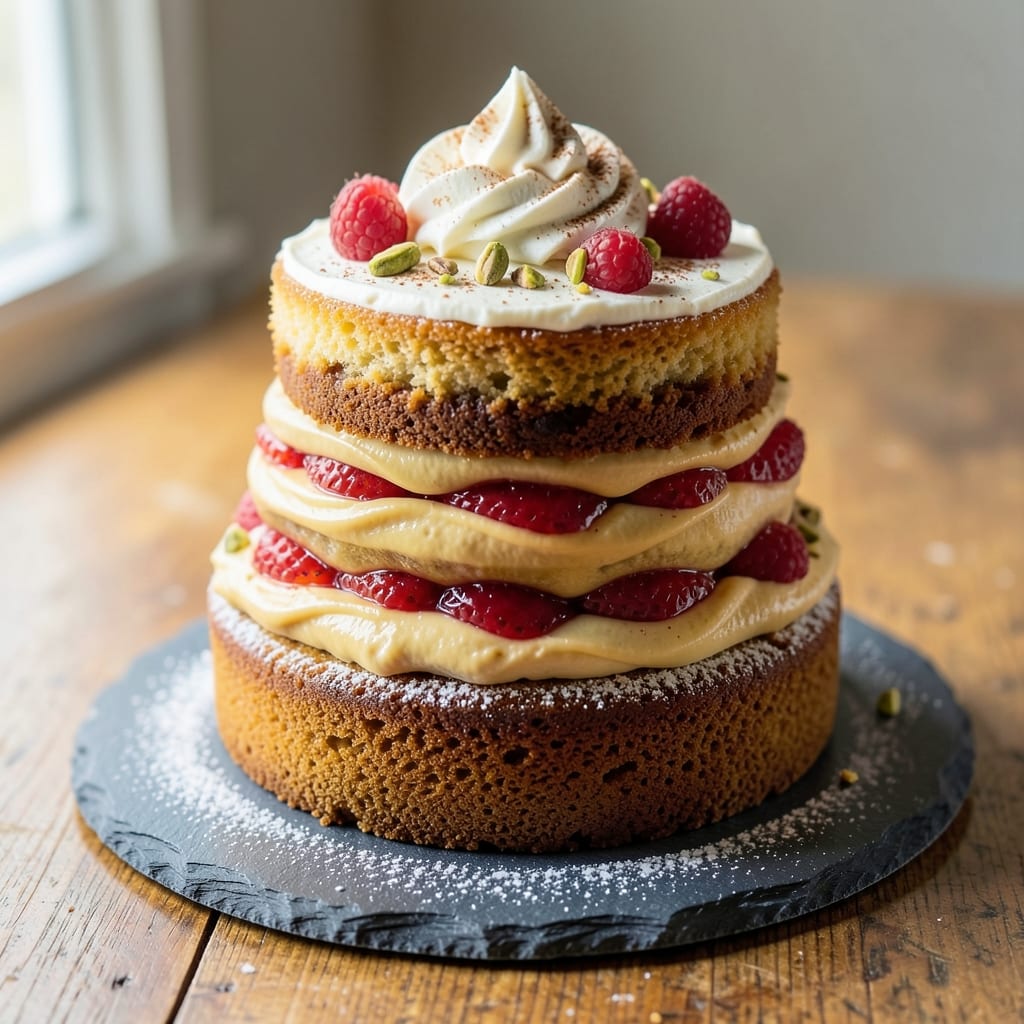
This America cake recipe delivers the perfect balance of tender layers, rich vanilla frosting, and warm spices that define Southern dessert traditions. The secret lies in precise measurements and gentle baking—no shortcuts, just time-honored techniques that create a cake with moist crumb and fragrant cinnamon notes. I've baked this version for family gatherings, and it never fails to become the centerpiece of the dessert table.
The recipe begins with a simple yet foolproof batter that combines all-purpose flour, butter, and eggs to create a tender base. Vanilla extract and a touch of nutmeg infuse each layer with classic Southern warmth, while the vanilla buttercream frosting ties everything together with its velvety smoothness. Baking at 350°F ensures even cooking without drying out the cake.
What you'll end up with is a classic cake that's light yet substantial, with layers that slice cleanly and frosting that melts into every bite. The aroma alone will transport you to a cozy kitchen in the heart of the South, where this dessert has been a tradition for generations. This isn't just a cake—it's a celebration of flavor and memory.
Serve with fresh berries or whipped cream for an extra touch of elegance, or enjoy it as-is for a timeless dessert experience. The recipe scales beautifully for parties or family dinners, making it the perfect choice for any occasion that calls for a classic Southern treat.
Ingredients for america cake
Southern staples that create layers of vanilla perfection with warm spice whispers.
| Ingredient | Amount | Notes |
|---|---|---|
| All-Purpose Flour 🌾 | 3 cups | Sifted for fluffy layers |
| Unsalted Butter 🧈 | 2 cups | Room temperature, full-fat |
| Granulated Sugar 🍚 | 2 ½ cups | White or light brown |
| Large Eggs 🥚 | 4 whole | Room temperature, separated |
| Pure Vanilla Extract 🌿 | 2 tsp | High-quality, not imitation |
| Ground Cinnamon 🌶️ | 1 tsp | Freshly ground preferred |
| Ground Nutmeg 🌶️ | ¼ tsp | Freshly grated for warmth |
| Baking Powder 🍞 | 2 tsp | Aluminum-free preferred |
| Salt 🧂 | ½ tsp | Fine sea salt |
| Whole Milk 🥛 | 1 cup | Room temperature |
| Powdered Sugar 🍚 | 4 cups | For frosting, sifted |
| Heavy Whipping Cream 🥛 | 1 cup | Cold for frosting |
| Fresh Vanilla Bean 🌿 | 1 whole | Seeds scraped for frosting |
The butter and flour are your foundation—Crisco or Land O'Lakes are my go-tos for reliability. The vanilla extract? McCormick or Nielsen-Massey are worth the splurge for that real vanilla aroma. Fresh nutmeg is a game-changer (the pre-ground stuff loses flavor fast), so grab a whole nutmeg at Whole Foods or the spice aisle. For the powdered sugar, Domino is my secret—it's sifted and clump-free straight from the box. Pro tip: measure your dry ingredients by weight if you're feeling fancy—1 cup flour = 4.5 oz—for perfect consistency every time.
No vanilla bean? Double the extract and add a pinch of almond extract for depth. Out of nutmeg? Allspice or pumpkin pie spice works in a pinch, but the warmth won't be quite the same. The frosting calls for heavy cream—Trader Joe's has the best-priced brand, and it whips up fluffier than store brands. For the cake batter, if your eggs are cold, let them sit in warm water for 5 minutes before separating. And if you're baking at high altitude? Reduce the baking powder to 1.5 tsp to prevent a dome-shaped cake.
Store the cake layers in an airtight container with parchment between them for up to 3 days—the frosting can wait until serving. The frosting? It keeps for 5 days in the fridge, but trust me, it'll be gone before then. For make-ahead magic, bake the cake 1 day ahead and let it cool completely before assembling. The flavors actually deepen overnight, making every slice taste like a Southern grandmother's kitchen. And if you're planning for a crowd? Double the recipe—this cake scales beautifully, and the extra layers make it worth it.
Why You'll Love This Recipe
- Here’s what sold me: the way the warm, caramelized butter and sugar blend with vanilla creates this rich crumb that’s neither too sweet nor too dry. It’s the kind of cake that makes you take a second slice without guilt.
- No Mixer Needed: I swear by this—just cream the butter and sugar by hand until it’s light and fluffy. No electric mixer, no fuss, and the result? That perfect airy texture you’d expect from hours of baking.
- Butter-Sugar Magic: Here’s what sold me: the way the warm, caramelized butter and sugar blend with vanilla creates this rich crumb that’s neither too sweet nor too dry. It’s the kind of cake that makes you take a second slice without guilt.
- Weeknight Hero: Between us, this is my go-to for last-minute gatherings. Bake it in the morning, and it’s still moist by dinner—no one will believe it’s not homemade from scratch. (Yes, even on a Tuesday night.)
Step-by-step instructions for America's classic cake recipe
Here's how to create that legendary vanilla cake with spice-kissed layers and velvety frosting.
Cream Butter and Sugar to Light and Fluffy
In a stand mixer fitted with the paddle attachment, beat the 2 cups unsalted butter and 2.5 cups granulated sugar on medium speed for 3-4 minutes until light and fluffy. You'll see the mixture nearly double in volume and turn pale—this incorporates air that creates those signature tender layers. I like to scrape down the sides every minute or so to ensure even mixing.
This step is where the magic happens. The butter should be at room temperature (press your finger into it—if it leaves a slight indent, it's ready). If it's too cold, the mixture will struggle to emulsify properly, leading to dense cake. If it's too soft, you'll end up with a greasy texture. The perfect consistency is what gives this classic cake its legendary moistness.
Add Eggs and Dry Ingredients Alternately
Add the 4 whole large eggs, one at a time, mixing well after each addition. Then stir in the 2 teaspoons pure vanilla extract. Now for the dry ingredients: in a separate bowl, whisk together the 3 cups all-purpose flour, 2 teaspoons baking powder, 1 teaspoon ground cinnamon, ¼ teaspoon ground nutmeg, and ½ teaspoon salt. With the mixer on low speed, add about one-third of the flour mixture, then the 1 cup whole milk, mixing just until combined.
Repeat this process, alternating between remaining flour mixture and milk, ending with flour. Mix only until the dry ingredients disappear—overmixing develops gluten and makes the cake tough. The batter should be smooth and slightly thick, like heavy pudding. This alternating method ensures even distribution of ingredients and prevents dense layers. Here's the thing—don't overthink the mixing time. Once everything is incorporated, stop immediately.
Bake to Golden Perfection in Two Layers
Preheat your oven to 350°F and grease two 9-inch round cake pans (or line with parchment circles). Divide the batter evenly between the pans. Bake for 25-30 minutes, or until a toothpick inserted in the center comes out clean and the tops spring back when touched. Rotate the pans halfway through baking for even browning.
You'll know it's done when the edges are golden brown and the centers are just set. The cake should pull away slightly from the sides of the pan. If you open the oven too early, the tops might dome instead of rising evenly. If you leave it too long, the centers can dry out. This is where patience pays off—every minute counts toward that perfect texture. Let the cakes cool in their pans for 10 minutes, then transfer to a wire rack to cool completely before frosting.
Make the Signature Vanilla Frosting
In a medium bowl, beat the 1 cup heavy whipping cream until soft peaks form. In a separate large bowl, whisk together the 4 cups powdered sugar, scraped seeds from the 1 whole fresh vanilla bean, and the 2 teaspoons pure vanilla extract. Gradually fold the powdered sugar mixture into the whipped cream until smooth and fluffy.
This is where the cake truly becomes classic. The frosting should be thick enough to hold its shape when spread but still pipeable if you prefer decorative touches. For extra flavor, I like to add a pinch of salt to the frosting—it enhances all the sweet vanilla notes. The fresh vanilla bean adds depth that imitation extract can't match. Beat the frosting until it's light and airy, with no lumps remaining. This frosting is what makes this cake feel special and celebratory.
Assemble and Frost the Cake Layers
Place one cake layer on a cake stand or plate. Spread a thin layer of frosting (about ¼ inch) on top, then place the second layer on top. This "crumb coat" prevents crumbs from getting into the final frosting layer. Chill the cake in the refrigerator for 15 minutes to firm up the crumb coat.
Now for the final frosting. Spread the remaining frosting evenly over the top and sides of the cake, using a spatula to create smooth, clean edges. For that classic look, I like to add a simple border of extra frosting around the edges. The cake should be completely covered—this ensures every bite has that perfect balance of cake and frosting. Let the cake sit at room temperature for 30 minutes before serving to allow the frosting to set slightly. This waiting period makes all the difference in presentation and texture.
Pro Tips For Making America Cake
- CREAM BUTTER FIRST: Whip the unsalted butter and sugar until it’s pale yellow and light, not just fluffy—this takes 3-5 minutes with a stand mixer. I used to rush it, and the cake turned dense. The extra air makes all the difference, especially for that classic tall, airy texture.
- WEIGH YOUR FLOUR: Scoop and level your all-purpose flour—don’t pack it or eyeball it. A cup of flour varies wildly by brand, and too much makes the cake dry. I learned this after a batch collapsed like a sad soufflé. Use a kitchen scale if you’re serious about consistency.
- DON’T OVERMIX: Fold in the dry ingredients just until combined—lumps are fine, but overmixing develops gluten and turns your tender cake into a chewy brick. Stop when the batter looks streaky, not smooth. Trust me, your future self will thank you.
- LET IT REST: After mixing, let the batter sit for 10-15 minutes before baking. This lets the flour absorb moisture, preventing cracks and ensuring even rise. I skipped this once and ended up with a lopsided, cracked mess—don’t be that person.
Make-ahead tips for this recipe
Bake Ahead
Bake the cake layers up to 1 day ahead—this is my secret for deeper flavor development. Cool them completely, then wrap each layer tightly in plastic wrap and store at room temperature. The next day, they'll be even more moist and flavorful, with that perfect balance of tender crumb and spice. I always bake mine the night before special occasions so I can focus on decorating and serving without stress. 💫
Frosting Prep
Make the frosting 24 hours before you plan to assemble the cake—it actually tastes better after it rests! Store it in an airtight container in the fridge, and let it sit at room temperature for 30 minutes before using. The powdered sugar absorbs any excess moisture overnight, making the frosting smoother and more stable. This also gives you time to scrape the vanilla bean seeds fresh without rushing. 🥛
Layer Storage
For longer storage, wrap the fully frosted cake in plastic wrap and refrigerate for up to 3 days. If you're serving it cold, let it sit at room temperature for 15 minutes before slicing—this prevents the frosting from melting too quickly. I like to store the cake in its original box or a cake carrier to protect it from any accidental bumps. The flavors actually improve over time, making it perfect for make-ahead dessert prep. ❄️
Freezer Magic
Unfrosted cake layers freeze beautifully for up to 3 months. Wrap each layer individually in plastic wrap, then place them in a freezer bag with all the air squeezed out. When ready to assemble, thaw at room temperature for 2 hours before frosting. The frosting should be made fresh after thawing to maintain its perfect texture. This method is a lifesaver for holiday baking when you know you'll need extra time for decorating. 🧊
Transport Tips
For parties or gatherings, transport the cake in its original box or a sturdy cake carrier. If you're moving it from the fridge, let it sit for 10 minutes first to prevent frosting from sliding. I always pack a small container of extra frosting in case of any minor accidents during transport. The key is to keep the cake upright and protected from temperature changes—this ensures it arrives at your destination looking as good as it tastes. 🚗
Serving Strategies
Serve the cake at room temperature for the best texture and flavor experience. If it's been refrigerated, let it sit for 30 minutes before slicing. I like to serve it with fresh berries or a scoop of vanilla ice cream on the side—this adds a nice contrast to the rich cake. For a crowd, use a serrated knife and dip it in hot water between slices for clean cuts. The presentation matters just as much as the taste, so take your time with this step. 🍓
Nutrition facts
Frequently asked questions
Why does this cake need both cinnamon and nutmeg?
The cinnamon adds warm, sweet depth while nutmeg brings earthy complexity—together they create that classic Southern spice profile. A pinch of each enhances the vanilla flavor without overpowering it. The nutmeg also helps balance the richness of the buttercream frosting.
Can I make this cake without a stand mixer?
Use a hand mixer or even whisk by hand for 5-7 minutes when creaming butter and sugar. For the dry ingredients, mix by hand with a wooden spoon—just be patient and mix gently to avoid overworking the batter. The key is thorough mixing without developing gluten.
What's the best way to test if the cake is fully baked?
Insert a toothpick in the center—it should come out clean with no wet batter. The cake should also spring back when gently pressed. For extra certainty, check the edges are golden brown and the center is just set (not jiggly). Overbaking dries out the cake, so pull it out at the first sign of doneness.
How do I fix a cracked cake top?
Don't worry—this is common! Spread a thin layer of frosting over the cracks, then add a final outer layer. The extra frosting will smooth everything out. For a quick fix, use a spatula to gently press the cracked areas down before adding the final frosting layer.
Can I substitute the vanilla frosting with something else?
For a lighter option, try a whipped cream frosting (whip 2 cups heavy cream + 1 cup powdered sugar + 1 tsp vanilla). For chocolate lovers, replace 1 cup powdered sugar with ½ cup cocoa powder and add melted chocolate. The spice notes in the cake will still shine through!