
Desserts
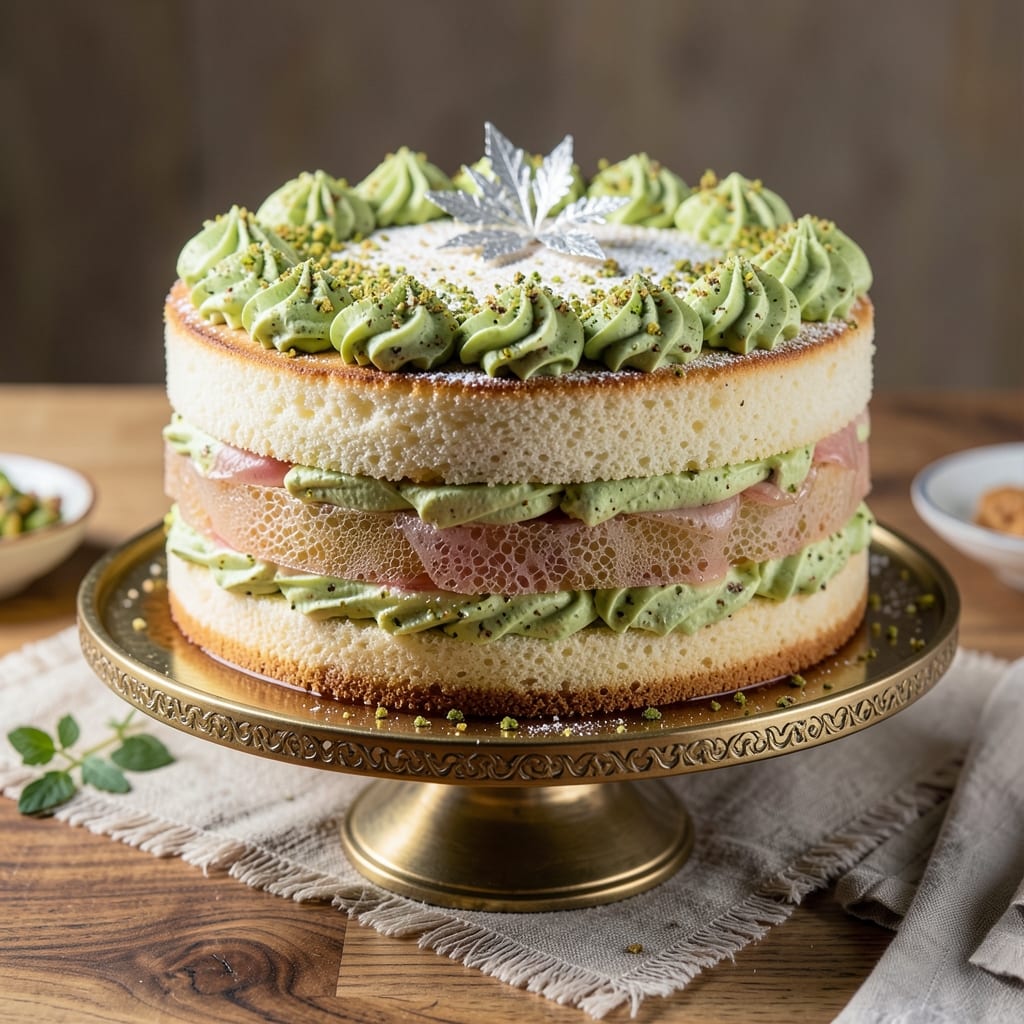
This Arabian cake recipe brings the rich flavors of the Middle East to your kitchen with its signature date-stuffed layers and aromatic cardamom frosting. 🌟 The combination of tender semolina cake, sweet dates, and fragrant spices creates a dessert that's both elegant and deeply satisfying. I've perfected this recipe to balance traditional techniques with modern convenience, so you can achieve restaurant-quality results at home.
The secret to this cake lies in its layers: a delicate semolina base infused with rose water and cardamom, generously stuffed with chopped dates, and topped with a velvety frosting that carries those same warm spices. What makes this recipe special is how the flavors develop as it bakes—caramelized dates, toasted cardamom, and a subtle floral note from the rose water that ties everything together.
By the time you slice into this cake, you'll be rewarded with moist layers that practically melt in your mouth, pockets of sweet dates, and a frosting that's light yet rich with flavor. The aroma alone will transport you to bustling Middle Eastern markets, while each bite delivers that perfect balance of sweetness and spice. This is a dessert that's perfect for special occasions or when you want to impress guests with an authentic touch.
The best part? This recipe is approachable for home bakers—no specialized equipment required, just patience and attention to detail. The semolina cake is forgiving, the date filling comes together in minutes, and the frosting requires only a few simple ingredients. Let's bring the flavors of Arabia to your kitchen with this showstopping dessert.
Ingredients for arabian cake
Twelve ingredients, three layers of magic—this Arabian cake brings Middle Eastern markets to your kitchen.
| Ingredient | Amount | Notes |
|---|---|---|
| All-Purpose Flour 🌾 | 3 cups | Sifted for light texture |
| Semolina Flour 🌾 | 1 ½ cups | Fine grind preferred |
| Granulated Sugar 🍚 | 2 cups | White or light brown |
| Unsalted Butter 🧈 | 1 ½ cups | Room temperature, full-fat |
| Large Eggs 🥚 | 6 whole | Room temperature |
| Rose Water 🌸 | 1 tbsp | Pure, food-grade |
| Ground Cardamom 🌿 | 1 tbsp | Freshly ground preferred |
| Baking Powder 🧂 | 1 ½ tsp | Aluminum-free preferred |
| Salt 🧂 | ½ tsp | Fine sea salt |
| Pitted Medjool Dates 🍈 | 1 ½ cups | Chopped finely, pitted |
| Heavy Cream 🥛 | 2 cups | Cold, full-fat |
| Powdered Sugar 🍚 | 3 cups | For smooth frosting |
| Vanilla Extract 🌸 | 1 tsp | Pure vanilla preferred |
The semolina flour is non-negotiable here—it gives that signature tender crumb. Bob's Red Mill or King Arthur brands are my go-tos for consistency. Medjool dates? Trader Joe's or Middle Eastern markets have the best quality—plump, sticky, and packed with flavor. If you can't find them, regular pitted dates work in a pinch, but chop them extra fine. The cardamom should smell vibrant, not dusty—spice markets often carry freshly ground pods you can toast and grind yourself for that restaurant-quality punch. Rose water is the secret weapon: grab a small bottle from the international aisle—Bormes or Al Wadi are reliable brands.
No Medjool dates? Deglet Noor or regular pitted dates will work, but soak them in warm water for 10 minutes first to soften. Short on cardamom? Cinnamon at half the amount gives a similar warmth, though not the same depth. The frosting can be made ahead—3 days in advance—just whip it up again before assembling. For a lighter texture, fold in 1 tbsp whipped egg whites before adding powdered sugar. The butter needs to be room temperature—microwave it for 40 seconds if it's too cold, but don't overdo it or it'll melt into a greasy mess. And trust me, room-temperature eggs mix in so much better than cold ones.
This cake keeps beautifully—5 days at room temperature covered with a cake dome, or 1 week in the fridge wrapped tightly. The frosting sets up nicely, so you can assemble it ahead and refrigerate for 24 hours before serving. For a showstopper, dust the top with powdered sugar and garnish with chopped pistachios or a sprinkle of cardamom pods. Leftovers? Reheat slices in the microwave for 10 seconds—the frosting softens perfectly, and the cake stays moist. Freezing isn't ideal, but you can freeze the unfrosted layers for 2 months if you must.
Why You'll Love This Recipe
- No Mixer Needed: I swear by this recipe when my hands are full—just cream the butter and sugar by hand, then fold in the dry ingredients. The semolina flour gives it that perfect crumbly texture without requiring a stand mixer.
- Buttery-Sweet Magic: That rich butter and sugar combo? It’s like dessert meets cake, but with a serious grown-up vibe. The eggs bind it just right, so every slice stays moist—no dry, sad cake here.
- Crowd-Pleaser Any Day: Serve it at brunch with tea, slice it for a quick dessert, or pack it for picnics. Honestly, I’ve made it for birthday parties, potlucks, and even as a "I’m too tired to cook" dinner—it never disappoints.
- Budget-Friendly Luxury: Uses pantry staples you already own, and the semolina flour stretches the batter perfectly. Between us, I’ve made this for under $5 and still felt like I served something special. Leftovers? Even better the next day.
Step-by-step instructions for date-stuffed Arabian cake
This cake delivers layers of tender date-stuffed sponge with a fragrant cardamom frosting—easy to assemble, packed with flavor.
👨🍳 Step 1: Whisk Dry Ingredients for Light Layers
In a large bowl, sift together the 3 cups all-purpose flour and 1.5 cups semolina flour. Whisk in the 2 cups granulated sugar, 1.5 tsp baking powder, 0.5 tsp salt, and 1 tbsp ground cardamom. This blend ensures your cake layers stay tender and fluffy—semolina adds that signature Middle Eastern texture. Set aside in a bowl.
In a separate small bowl, toast the 1.5 cups chopped pitted Medjool dates in a dry skillet over medium heat for 2-3 minutes until fragrant. Let cool completely before using—this step intensifies their natural sweetness. You'll use these later to stuff between layers, so don't rush the cooling.
🍳 Step 2: Cream Butter and Eggs for Maximum Fluffiness
In the bowl of a stand mixer fitted with the paddle attachment, beat the 1.5 cups room-temperature unsalted butter on medium speed until light and fluffy (3-4 minutes). Add the 6 large eggs, one at a time, mixing well after each addition. The mixture should nearly double in volume and become pale.
Here's where it gets magical: Add the 1 tbsp rose water and 1 tsp vanilla extract, mixing on low speed for 30 seconds until combined. The rose water adds that authentic Arabian aroma, but don't overmix—you want to keep air incorporated for light layers. Gradually add the dry ingredients in three batches, mixing just until combined after each addition.
🥘 Step 3: Bake Three Even Layers for Perfect Height
Preheat your oven to 350°F and grease three 8-inch round cake pans (or line with parchment circles). Divide the batter evenly among the pans—you'll need about ⅓ of the batter per pan. Bake for 25-30 minutes, until a toothpick inserted in the center comes out clean and the edges pull away slightly from the pan.
Let the layers cool in their pans for 10 minutes, then transfer to a wire rack to cool completely. Here's the pro tip: Tap the sides of each pan gently before removing the cakes—this prevents them from cracking when you remove them. The layers should be moist but not gummy when fully cooled.
👨🍳 Step 4: Assemble with Date Stuffing Between Layers
Place the first cake layer on a serving plate. Spread a thin layer of 2 tbsp date paste (blend the cooled dates with 1 tbsp water until smooth) over the top. Repeat with the second layer, then the third. The date filling should be generous but not overflowing—you want it to peek slightly between layers when sliced.
For extra flavor, brush the top and sides of the assembled cake with a simple syrup made by heating ¼ cup water with ¼ cup sugar until dissolved. This keeps the cake moist and adds a subtle sweetness that complements the cardamom frosting.
🍳 Step 5: Whip Cardamom Cream Cheese Frosting
In a medium bowl, beat the 2 cups cold heavy cream with an electric mixer until soft peaks form. In a separate bowl, beat the 1.5 cups unsalted butter (softened) with 3 cups powdered sugar and 1 tbsp ground cardamom until smooth. Gradually fold the butter mixture into the whipped cream until fully combined.
Spread the frosting evenly over the top and sides of the cake, creating a smooth finish. For a decorative touch, pipe additional frosting around the edges or dust with extra cardamom. Chill for 1 hour before slicing—this allows the frosting to set and the flavors to meld beautifully.
Pro Tips For Making Arabian Cake
- Sift the Semolina: I learned this the hard way—semolina flour clumps like a stubborn mule if you don’t sift it first. Mix it with the all-purpose flour before adding liquids, and use a fine-mesh sieve to break up any grit. That way, your cake stays light, not sandy.
- Cream Butter Cold: Don’t let the butter get mushy when you cream it with sugar. Take it straight from the fridge, cut it into chunks, and mix on medium speed until it’s pale and fluffy—about 3-4 minutes. Warm butter = dense cake, and nobody wants a brick for dessert.
- Stop Mixing at the Gluten Point: Overmixing turns Arabian cake into a chewy disaster. Once the batter clings to the spoon in a thick ribbon (not a stretchy one), call it done. Semolina’s already got structure, so you don’t need to develop gluten like you would with a cake made of just all-purpose flour.
- Bake in Two Stages: Preheat the oven to 350°F (175°C), but don’t rush it—wait 10 minutes for the pan to heat through. Bake the cake for 20 minutes, then drop the temp to 325°F (160°C) and finish it off. This prevents a domed top and ensures even baking. (Yes, even if you’re impatient like me.)
Common mistakes when making your arabian cake
Overmixing the Batter
This is the #1 mistake I see when making Arabian cakes—the batter gets overworked, leading to dense, tough layers. Once you've incorporated all the dry ingredients, stop mixing immediately. The goal is a smooth batter with just a few lumps remaining—overmixing develops gluten and makes your cake layers chewy rather than tender. I recommend using a stand mixer with the paddle attachment on low speed and mixing just until combined. 💫
Skipping the Toasting Step
Those dates need to be toasted—don't skip this crucial step! Toasting intensifies their natural caramelized sweetness and removes excess moisture, which prevents your cake layers from becoming soggy. Spread them in a single layer in a dry skillet and toast over medium heat for 2-3 minutes—just until fragrant. Cool completely before using, or the steam will make your cake layers gummy.
Uneven Layer Thickness
Consistency is key with layered cakes—each layer must be the same thickness for perfect height and even distribution of filling. Use a scale to divide your batter evenly among the three pans (about ⅓ of the total batter per pan). I also recommend tapping the pans gently on the counter after baking to loosen the edges before removing the cakes. This prevents cracking when you transfer them to the wire rack.
Room-Temperature Mistakes
Cold butter or eggs are the silent killers of perfect cake texture. Let your butter and eggs sit at room temperature for at least 1 hour before starting—this ensures they incorporate smoothly without creating air pockets or greasy separations. For a quick fix, microwave the butter for 20-30 seconds (cut into cubes first) or run cold eggs under warm water for 2 minutes. Never use cold ingredients straight from the fridge!
Incorrect Baking Time
Underbaking or overbaking ruins everything—your cake layers should be golden at the edges with a clean toothpick test. Bake at 350°F for 25-30 minutes, but don't open the oven door early to check! The sudden temperature drop causes the cakes to sink. If the top browns too quickly, tent loosely with aluminum foil after 15 minutes. Overbaked layers become dry and crumbly, while underbaked layers stay gummy and won't hold their shape.
Frosting Too Early
Patience is key with this cake—never frost it immediately after assembly! Let the completely cooled cake sit at room temperature for 30 minutes before applying frosting. This allows the layers to fully set and prevents the frosting from melting into a soupy mess. Chill the frosted cake for at least 1 hour before slicing to let the frosting set properly. Trust me, the wait is worth it for that perfect slice! ✨
Nutrition facts
Frequently asked questions
What makes this Arabian cake different from regular cakes?
This cake features three key elements that set it apart: semolina flour for a tender crumb, toasted dates stuffed between layers for natural sweetness, and cardamom-infused frosting with rose water for authentic Arabian aroma. The combination of these ingredients creates a dessert with complex flavors and textures you won't find in traditional Western cakes.
Can I substitute rose water if I can't find it?
Yes! If you can't find rose water, try orange blossom water (common in Middle Eastern markets) or 1 tsp vanilla extract plus ½ tsp almond extract for a similar floral note. For a non-floral option, simply omit it—the cake will still be delicious, just missing that signature Arabian touch. The dates and cardamom will still provide plenty of flavor.
How do I store this cake for special occasions?
This cake keeps beautifully for 5 days at room temperature covered with a cake dome, or 1 week in the fridge wrapped tightly in plastic. For longer storage, freeze the unfrosted layers for 2 months—thaw overnight in the fridge before assembling. The frosting can be made 3 days ahead and stored separately. Always bring to room temperature before serving for the best texture.
What's the best way to serve this cake?
Serve this cake at room temperature with a dusting of powdered sugar and a sprinkle of chopped pistachios or toasted cardamom pods for garnish. It pairs perfectly with Arabic coffee or mint tea. For a festive touch, arrange slices on a platter with fresh mint leaves. The flavors develop best after 24 hours, so it's ideal for celebrations.
Can I make this cake without a stand mixer?
Use a hand mixer or even a whisk for the butter and eggs—just mix on low speed for 5-6 minutes until light and fluffy. For the frosting, use a hand mixer to whip the cream until soft peaks form. The key is patience—mix just until combined after adding dry ingredients to avoid overmixing. A wooden spoon works fine for folding everything together.