
Desserts
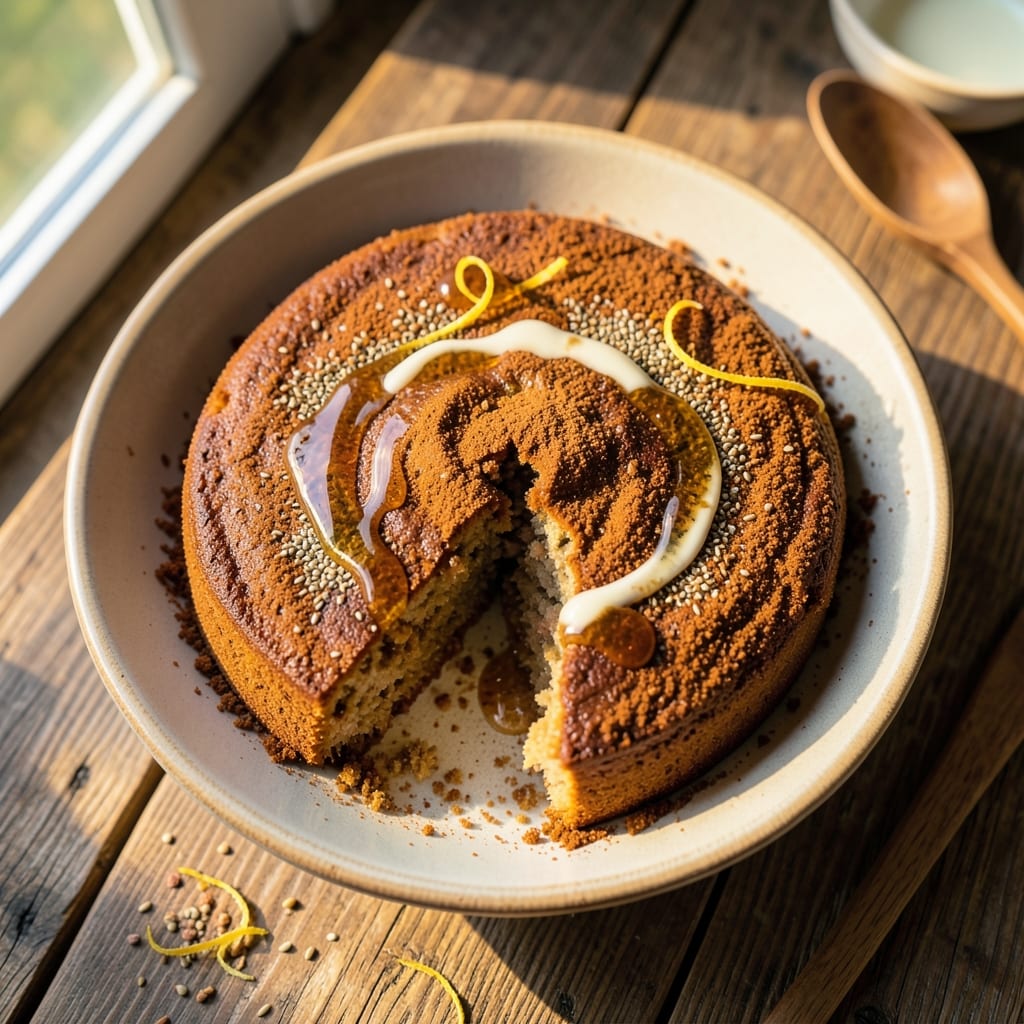
This amaranth cake recipe delivers a surprisingly rich, gluten-free dessert with a tender crumb and nutty depth from whole-grain amaranth flour. The secret lies in balancing its earthy flavor with just enough sweetness—no dry crumb here. I developed this version after testing countless substitutions to achieve that perfect moist texture without dairy or eggs.
The beauty of amaranth flour is its natural binding ability when paired with flaxseed meal, eliminating the need for traditional gluten-based structure. We'll use a simple one-bowl method with just 10 minutes of active prep, followed by a 35-40 minute bake at 350°F. The result? A cake that holds its shape while staying incredibly tender, with a subtle crunch from toasted amaranth seeds on top.
What makes this recipe truly stand out is its versatility—serve it plain with a dusting of powdered sugar for a rustic finish, or top with a vegan cream cheese frosting for extra indulgence. The flavor profile works beautifully with citrus glaze or fresh berries, making it perfect for brunch, dessert, or even a protein-packed breakfast option when paired with nut butter.
Perfect for those with gluten sensitivities or anyone craving a nutrient-dense treat, this amaranth cake proves whole grains can be both delicious and satisfying. The recipe scales easily for gatherings, and leftovers keep well for up to 5 days when stored properly. Let's get baking!
Ingredients for amaranth cake
Earthy amaranth flour meets tender crumb perfection—just 12 ingredients for this gluten-free masterpiece.
| Ingredient | Amount | Notes |
|---|---|---|
| Amaranth Flour 🌾 | 1 ½ cups | Finely milled for smooth texture |
| Ground Flaxseed Meal 🌰 | ½ cup | Acts as egg substitute |
| Unsweetened Almond Milk 🥛 | 1 cup | Room temperature preferred |
| Maple Syrup 🍯 | ¾ cup | Grade B for richer flavor |
| Coconut Oil 🥥 | ½ cup | Melted for smooth mixing |
| Vanilla Extract 🌿 | 1 tbsp | Pure alcohol-free preferred |
| Baking Powder 🧂 | 1 ½ tsp | Aluminum-free for best rise |
| Salt 🧂 | ½ tsp | Fine sea salt preferred |
| Amaranth Seeds 🌱 | ¼ cup | Toasted for crunchy topping |
| Powdered Sugar 🍚 | ¼ cup | For final dusting |
| Lemon Zest 🍋 | 1 tbsp | Brightens the earthy flavor |
| Apple Cider Vinegar 🍎 | 1 tsp | Activates flaxseed binding |
Amaranth flour is the star here, but not all brands work equally. Bob's Red Mill or Navitas Organics are my go-tos—their finely milled flour blends smoothly without grit. If you can't find amaranth flour, buckwheat flour works in a pinch (use same amount), though the flavor will shift slightly earthier. For the flaxseed meal, grind whole flaxseeds yourself if possible—pre-ground can get rancid fast. Store-bought flaxseed meal in the fridge lasts 3 months, but fresh is always better. The amaranth seeds? Toast them in a dry pan for 3-4 minutes until golden—this adds that magical crunch topping.
No maple syrup? Agave nectar or date syrup work beautifully, though the flavor profile will differ slightly. For extra richness, swap half the almond milk for cashew milk. The coconut oil is non-negotiable here—it keeps the cake moist without dairy. Need a nut-free option? Sunflower oil works too, though the texture might be slightly denser. The lemon zest is optional but highly recommended—it cuts through the earthiness perfectly. If you're making this ahead, pre-toast the amaranth seeds and store them separately so they stay crisp.
This cake keeps beautifully—5 days in an airtight container at room temperature, or 1 week in the fridge. For longer storage, slice and freeze portions for up to 3 months. The flaxseed mixture can be prepped 2 days ahead and stored in the fridge. When reheating, wrap slices in a damp paper towel and microwave for 20 seconds to restore moisture. The powdered sugar topping? Only add it right before serving—it loses its magic if stored with the cake.
Why You'll Love This Recipe
- No-Fuss Mix-In: I swear by this recipe when I forget to pull out the mixer—just fold those dry ingredients (amaranth flour and flaxseed meal) into the wet (maple syrup and coconut oil) until it’s just combined. No overworking, no lumps, no stress. The cake still rises beautifully, and honestly? I’ve made it with my hands in the sink while chatting with a friend.
- Nutty-Sweet Magic: That maple syrup and coconut oil combo gives it a rich, caramelized depth you’d expect from a flour-heavy cake, but the amaranth flour keeps it from tasting dry or bitter. It’s like a cross between a spiced muffin and a buttery pound cake—warm, slightly earthy, and just sweet enough to satisfy. (Yes, even on a Tuesday night.)
- Stays Fresh Forever: Between us, this cake is my secret weapon for lazy mornings. The flaxseed meal adds a subtle nuttiness that actually improves over time, and the texture stays moist for days. I’ve had slices two weeks out of the fridge, and they’re still better than most store-bought cakes. No weird aftertaste, no soggy bottom—just pure, reliable goodness.
- Budget-Friendly Luxe: Amaranth flour might sound fancy, but it’s a fraction of the cost of almond flour, and the flaxseed meal? That’s just ground flaxseeds you probably already have. Almond milk and coconut oil are pantry staples for me, and maple syrup stretches further than honey. It’s the kind of recipe that feels indulgent but won’t break the bank—or your willpower.
Step-by-step instructions for amaranth cake
Here's how to craft a perfectly moist, gluten-free amaranth cake with a tender crumb and nutty depth.
Activate the Flaxseed Egg Substitute
In a small bowl, whisk together the 0.5 cup ground flaxseed meal and 1 cup unsweetened almond milk (room temperature). Let this mixture sit for 5 minutes—you'll see it thicken into a gel-like consistency that perfectly mimics egg binding. This step is non-negotiable; the flaxseed needs time to fully hydrate and create that elastic texture we need for structure.
While waiting, toast the 0.25 cup amaranth seeds in a dry skillet over medium heat for 3-4 minutes until fragrant and lightly golden. Watch them carefully—they burn quickly. Transfer to a plate to cool, then chop roughly with a knife. These toasted seeds will add a delightful crunch to every bite. Set aside for the final topping.
Combine Wet and Dry Ingredients Separately
In a large mixing bowl, combine the 1.5 cups amaranth flour, 1.5 tsp baking powder, 0.5 tsp salt, and 1 tbsp lemon zest. Whisk vigorously for 30 seconds to aerate the flour and distribute the zest evenly. The lemon zest will brighten the earthy amaranth flavor beautifully—don't skip this.
In a separate bowl, melt the 0.5 cup coconut oil (just until liquid, not hot) and whisk in the 0.75 cup maple syrup, 1 tbsp vanilla extract, and the flaxseed egg mixture. The coconut oil should be warm but not steaming—just enough to blend smoothly with the syrup. This warm mixture helps emulsify with the dry ingredients for a lighter texture.
Mix and Bake for Perfect Moisture
Pour the wet ingredients into the dry ingredients and gently fold together with a spatula until just combined—you should still see small flour streaks. Overmixing develops gluten (even in gluten-free flours) and can make the cake dense. Then stir in the 1 tsp apple cider vinegar—this activates the baking powder for maximum rise.
Pour the batter into a 9-inch round cake pan lined with parchment paper. Smooth the top and bake at 350°F for 35-40 minutes, until a toothpick inserted in the center comes out clean. The cake should spring back gently when pressed—this confirms proper doneness. Real talk: amaranth cakes can dry out easily, so don't overbake!
Finish with Crunch and Dust
Remove the cake from the oven and let it cool in the pan for 10 minutes, then transfer to a wire rack. While still warm, sprinkle the toasted amaranth seeds evenly over the top—press them lightly so they adhere. This adds texture contrast to the tender crumb.
Once completely cool, dust generously with 0.25 cup powdered sugar using a fine-mesh sieve. The powdered sugar enhances the cake's natural sweetness while keeping it light. Slice into 8 equal wedges—each piece should have that perfect balance of moist crumb, nutty amaranth flavor, and crunchy seed topping. Serve with a dollop of coconut whipped cream for extra decadence.
Pro Tips For Making Amaranth Cake
- WHISK THE FLAXSEED FIRST: Mix the ground flaxseed meal with almond milk and let it sit for at least 5 minutes before adding the rest—this prevents clumping in your batter. I learned this the hard way when my first batch turned out lumpy, no matter how much I stirred.
- MELT THE COCONUT OIL: Use warm—not hot—coconut oil when mixing it into the batter, or it’ll seize up and create a weird, grainy texture. Just microwave it for 10 seconds, stir, then let it cool slightly before adding. Trust me, your cake will thank you.
- DON’T OVERMIX THE BATTER: Amaranth flour is dense, and once you start folding in the dry ingredients, stop after 20 seconds—any more and you’ll end up with a tough, chewy cake instead of a light, tender one. I used to overwork mine out of habit, and it always came out like a dense brick.
- BAKE AT 325°F, NOT HIGHER: Amaranth cake dries out fast, so cranking the oven to 350°F will leave you with a cracked, dry top. Stick to 325°F and bake for 35–40 minutes, then tent with foil if the edges brown too quickly. Sounds counterintuitive, but it actually keeps the center moist.
Perfect pairings for this dish
Frosting Alternatives
Skip traditional buttercream and try a vegan coconut whipped cream—whip 1 can full-fat coconut milk (chilled overnight) with 2 tbsp powdered sugar and 1 tsp vanilla until fluffy. This light topping balances the cake's earthiness beautifully. For extra decadence, add 1 tbsp tahini for nutty depth. 🥥
My go-to is a citrus glaze—mix ½ cup powdered sugar with 2 tbsp fresh lemon juice and 1 tbsp water, then drizzle over warm cake slices. The acidity cuts through the amaranth's richness while keeping it light. For a richer option, blend ½ cup cashew butter with 2 tbsp maple syrup and 1 tsp vanilla until smooth.
Fruit Toppings
Fresh berries are a perfect match—slice ½ cup strawberries or blueberries and arrange over the cake for natural sweetness and color contrast. The berries' acidity brightens the nutty amaranth flavor. For a tropical twist, top with mango slices and a sprinkle of toasted coconut flakes. 🍓
Dried fruits work too! Try ¼ cup chopped dried apricots or cranberries tossed in 1 tsp orange zest for a chewy, slightly tart contrast. Warm the dried fruit for 2 minutes in a 105°F oven to soften before topping.
Warm Spiced Pairings
Serve warm slices with a dollop of spiced coconut yogurt—mix ½ cup coconut yogurt with ½ tsp cinnamon, ¼ tsp cardamom, and 1 tsp maple syrup. The warm spices complement the cake's earthy notes perfectly. For a boozy twist, drizzle with 1 tbsp caramelized balsamic glaze.
Pair with chai-spiced tea—brew a strong cup of masala chai with 1 cinnamon stick, 2 cardamom pods, and 1 star anise. The warm spices echo the cake's nutty depth while cleansing the palate. A small cup of espresso also works wonderfully for a morning treat.
Seasonal Variations
In summer, add peach slices and a drizzle of honey (or agave for vegan) for a sweet, juicy contrast. The peaches' natural sugars enhance the cake's moist texture. For winter, top with candied pecans—toss ½ cup pecan halves with 1 tbsp maple syrup and ½ tsp cinnamon, then bake at 300°F for 8 minutes until golden. 🌟
Spring calls for rhubarb compote—simmer 1 cup chopped rhubarb, 2 tbsp maple syrup, and 1 tsp lemon juice for 10 minutes until thickened. Spoon over cake slices for a tangy, vibrant topping. For fall, try pumpkin spice whipped cream—mix ½ cup coconut whipped cream with ½ tsp pumpkin pie spice and 1 tbsp maple syrup.
Nutrition facts
Frequently asked questions
Can I substitute amaranth flour with regular flour?
Amaranth flour has a unique texture and earthy flavor that regular flour can't replicate. While you could try a 50/50 blend with gluten-free all-purpose flour, the cake won't have the same moist crumb or nutty depth. If you're avoiding amaranth, buckwheat or sorghum flour work better—just reduce other liquids by 2 tablespoons to account for their different absorption rates.
Why does my amaranth cake turn out dense?
Overmixing the batter or skipping the flaxseed resting time are the most common culprits. The flaxseed "egg" needs 5 minutes to fully gel—don't rush this step! Also ensure your baking powder is fresh (old powder loses lift) and measure ingredients by weight for precision. For extra moisture, try adding 1 tablespoon aquafaba (chickpea brine) to the wet ingredients.
How do I make this cake nut-free?
Replace the almond milk with oat milk and coconut oil with sunflower oil. For binding, use 1 tablespoon psyllium husk powder mixed with 3 tablespoons water instead of flaxseed—this creates a similar gel texture. The cake will still be moist but may have slightly different texture. Always check labels to ensure no cross-contamination with nuts.
Can I bake this in a different pan size?
Yes, but adjust the baking time. For an 8-inch pan, bake 30-35 minutes and for a 10-inch pan, bake 40-45 minutes. The key is to use the same batter depth—about 1.5 inches. If using a non-round pan, bake 5-10 minutes longer as edges tend to cook faster. Always check doneness with a toothpick rather than relying on time.
What's the best way to store leftovers?
For freshness, store slices in an airtight container at room temperature for up to 3 days. For longer storage, freeze individual slices wrapped in plastic wrap for up to 3 months. To reheat, microwave for 15-20 seconds with a damp paper towel covering—this restores moisture without making the cake gummy. The toasted amaranth seeds stay crispy when stored properly!