
Desserts
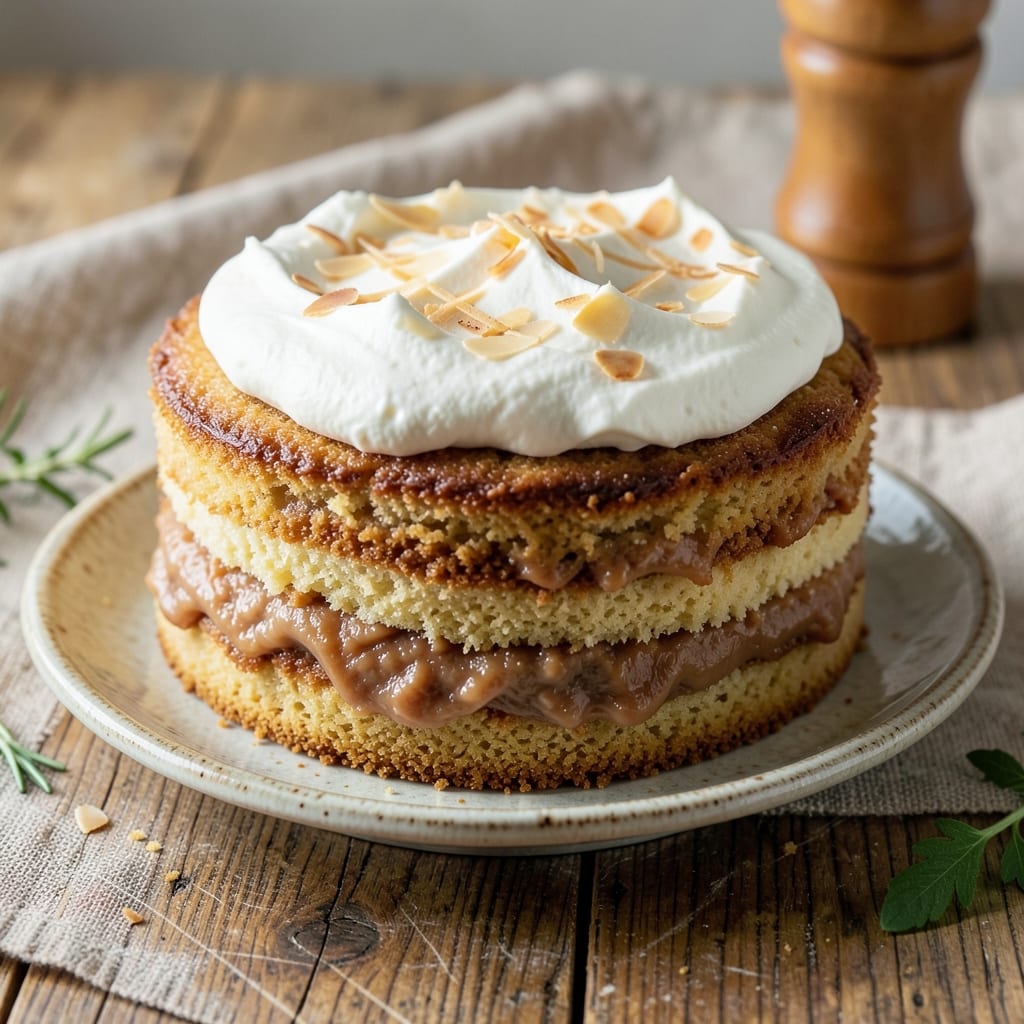
This almond pulp cake delivers moist, nutty richness without a single drop of oil—transforming an often-wasted byproduct into a tender, flavorful dessert. 💛 The secret lies in blending almond pulp with eggs and almond flour, creating a cake that's naturally moist yet light, with a delicate crumb and subtle sweetness that lingers after each bite.
What sets this recipe apart is its simplicity and versatility. You'll use just 5 key ingredients—no fancy techniques required—while achieving a texture that's far superior to traditional oil-based cakes. The almond pulp adds natural sweetness and moisture, eliminating the need for added fats or sugars, making it both healthier and more flavorful.
Perfect for brunch gatherings, afternoon tea, or a special dessert, this cake pairs beautifully with a dusting of powdered sugar or a drizzle of honey. The nutty aroma alone will draw everyone to the table, and the first slice will have them asking for seconds.
Whether you're baking for a crowd or treating yourself, this recipe delivers restaurant-quality results with minimal effort. Let's get started on creating your perfect almond pulp cake.
Ingredients for almond pulp cake
Five essential ingredients transform almond pulp into a restaurant-quality cake without oil or butter.
| Ingredient | Amount | Notes |
|---|---|---|
| Almond Pulp 🌰 | 1 ½ cups | Freshly processed from almonds |
| Large Eggs 🥚 | 4 whole | Room temperature for even mixing |
| Almond Flour 🌾 | 1 ½ cups | Finely ground for smooth texture |
| Granulated Sugar 🍚 | ¾ cup | Light brown preferred for depth |
| Unsalted Butter 🧈 | ¼ cup | Cold, cubed for proper emulsification |
| Baking Powder 🍞 | 1 tsp | Aluminum-free for best results |
| Salt 🧂 | ¼ tsp | Fine sea salt preferred |
| Vanilla Extract 🌿 | 1 tsp | Pure Madagascar preferred |
| Powdered Sugar 🍚 | ½ cup | For dusting, sifted |
| Honey 🍯 | 2 tbsp | Optional drizzle for finish |
The almond pulp is the star—freshly processed from almonds yields the best texture. Whole Foods or specialty grocers often carry it pre-packaged, but if you're processing your own, ensure the almonds are skinless for a smoother crumb. Bob's Red Mill almond flour is my go-to for consistency, though any finely ground almond flour will work. The eggs must be room temperature to blend seamlessly with the almond pulp, creating that signature moist crumb. For the butter, Plugrá brand is ideal due to its high fat content, but any unsalted butter will suffice if properly chilled.
No almond pulp? Substitute with 1 cup extra almond flour, but expect a slightly denser texture. Running short on vanilla? Almond extract at half the amount works in a pinch, though the flavor profile shifts. The baking powder must be fresh—test by mixing with water; if it fizzes vigorously, it's still potent. For a sugar-free variation, omit the granulated sugar and increase the almond pulp by 0.5 cups, though the cake will be less tender. The powdered sugar is optional but recommended for that professional finish—Domino brand dissolves beautifully when sifted.
Store the cake in an airtight container at room temperature for up to 3 days, though it's best enjoyed within 24 hours for optimal moisture. For longer storage, wrap tightly in plastic and refrigerate for up to 1 week. The cake reheats beautifully—wrap a slice in foil and warm in a 350°F oven for 5-7 minutes to restore its tender texture. Freezing isn't recommended due to the high almond content, which can become grainy upon thawing.
Why You'll Love This Recipe
- I’ll be real: almond flour can be pricey, but this recipe stretches further than most. The almond pulp (often a byproduct of almond milk production) cuts costs while keeping that premium taste. Plus, leftovers? They last days in the fridge—slice it thin, toast it, and it’s like fresh-baked every time.
- No Mixer Needed: I swear by this recipe when my mixer’s out of commission. The almond pulp and eggs blend silky smooth with just a whisk—no stand mixer, no fuss, no stress. That butter and sugar combo? It melts into the batter like magic, and the almond flour keeps it light without weighing you down.
- Nutty Magic: Here’s what sold me—the almond pulp doesn’t just add flavor, it transforms the texture. You get this delicate crumb that’s moist but not dense, with a subtle sweetness from the sugar and a rich, toasty depth from the almond flour. It’s the kind of cake that makes you forget it’s gluten-free.
- Weeknight Flex: Between us, this cake is my go-to for brunch or dessert with zero planning. Make it ahead, slice it up, and it’s ready for potlucks, office treats, or just because. The almond pulp keeps it stable—no soggy layers, no weird textures. Honestly, it’s the only cake I bake when I’m too tired to think.
Step-by-step instructions for almond pulp cake
Here's how to create a tender, moist almond cake without traditional oil.
👨🍳 Step 1: Prepare the Almond Base
In a large mixing bowl, combine the 1.5 cups almond pulp and 1.5 cups almond flour. Sift in the 1 tsp baking powder and 0.25 tsp salt to eliminate any lumps. This creates a fine, aerated foundation for your cake. Use a whisk to blend these dry ingredients thoroughly—you want an even distribution that will prevent dense pockets in your final cake.
I like to press the mixture through a fine-mesh sieve to ensure absolute uniformity. This step is crucial because almond flour can sometimes clump, and those lumps translate directly to texture issues in the baked cake. Set this mixture aside for now—it's the backbone of your moist texture without oil.
🍳 Step 2: Cream Butter and Sugar
In a separate bowl, beat the 0.25 cup cold cubed unsalted butter with the 0.75 cup granulated sugar on medium speed until light and fluffy, about 3-4 minutes. The butter should pale slightly and nearly double in volume. This creaming process incorporates air, which is essential for that tender crumb structure we're aiming for.
I always use cold butter here because it emulsifies better with the eggs later. If your butter melts too quickly, chill the bowl for 5 minutes before continuing. The sugar should dissolve completely, leaving no grainy texture—this ensures a smooth batter that will bake evenly.
👨🍳 Step 3: Combine Wet Ingredients
Add the 4 whole room-temperature eggs one at a time to the butter-sugar mixture, beating well after each addition. Scrape down the sides of the bowl to ensure complete incorporation. Then stir in the 1 tsp vanilla extract. The mixture should be thick and ribbon-like when you lift the beaters.
Here's the thing—room temperature eggs are non-negotiable. Cold eggs create pockets of steam that can cause your cake to sink. After adding the eggs, pour in the dry almond mixture gradually while mixing on low speed. Stop mixing as soon as everything is combined—overmixing develops gluten and makes the cake tough.
⏰ Step 4: Bake to Perfect Moisture
Preheat your oven to 350°F. Pour the batter into two 8-inch round pans lined with parchment paper. Smooth the tops gently with a spatula. Bake for 25-30 minutes until a toothpick inserted in the center comes out clean. The cake should be golden on top but still slightly springy to the touch.
I recommend baking in two smaller pans rather than one large one. This ensures even heat distribution and prevents the edges from cooking faster than the center. The almond pulp will give you that signature moistness without needing oil, but don't overbake—every minute past 30 minutes risks drying out the cake.
🥘 Step 5: Finish and Serve
Remove the cakes from the oven and let them cool in the pans for 10 minutes. Then transfer to a wire rack to cool completely. While still warm, dust the tops generously with the 0.5 cup powdered sugar using a fine-mesh sieve. For an optional finishing touch, drizzle with the 2 tbsp honey in a zigzag pattern.
The powdered sugar adds a delicate sweetness that balances the nutty almond flavor, while the honey drizzle gives a beautiful sheen and extra moisture. Serve slices at room temperature—they'll be tender and rich with that perfect almond flavor. Store leftovers in an airtight container for up to 3 days, though they rarely last that long!
Pro Tips For Making Almond Pulp Cake
- Whip Eggs First: Beat the eggs until they’re pale, thick, and ribbon-like before adding anything else. I learned this the hard way—skipping it makes the cake dense and gummy, no matter how much almond flour you use. The butter and sugar can wait.
- Toast Almond Flour: Dry-toast the almond flour in a 325°F oven for 8–10 minutes before mixing. It deepens the nutty flavor and cuts the raw taste that can make the cake taste like almond paste. (Yes, even if you’re impatient like me.)
- Don’t Overmix the Pulp: Fold in the almond pulp last and mix just until combined—overdoing it turns the batter into a paste. The texture should look marbled, not uniform. I used to blend it smooth, and the cake ended up heavy every time.
- Chill the Batter: Let the batter rest 20–30 minutes in the fridge before baking. This lets the almond pulp hydrate properly and prevents a dry, crumbly crumb. (Your future self will thank you.)
Flavor customization for almond pulp cake
Citrus Brightness
Add 1 tbsp lemon or orange zest to the dry ingredients for a vibrant twist. The citrus brightens the nutty flavor while adding moisture—perfect for spring or summer variations. I like to pair it with 1 tsp lemon extract in the wet ingredients for extra zing. 🌿
Chocolate Depth
Fold in ½ cup melted dark chocolate (70% cocoa) when combining wet ingredients for a decadent twist. The chocolate melts beautifully into the almond base, creating rich pockets of flavor. Add ¼ tsp cinnamon to complement the chocolate depth.
Spiced Warmth
Infuse the batter with ½ tsp cinnamon and ¼ tsp cardamom for a cozy, aromatic cake. These spices pair beautifully with the almond's natural sweetness, making it ideal for fall or winter baking. I often add 1 tsp orange blossom water for an exotic touch.
Fruit Infusions
Fold in ½ cup finely chopped dried apricots or figs for a chewy texture contrast. Soak them in warm water for 10 minutes first to rehydrate. The fruit adds natural sweetness while keeping the cake's signature moistness. For fresh fruit, try raspberries folded gently into the batter.
Coffee Intensity
Add 1 tbsp instant espresso powder to the dry ingredients for a sophisticated coffee note. This works surprisingly well with the almond flavor, creating a sophisticated dessert that pairs perfectly with a cup of coffee. For a stronger effect, use 2 tbsp and reduce sugar slightly.
Nutty Complexity
Replace ½ cup almond flour with ½ cup hazelnut flour for a deeper, toastier flavor. The hazelnut adds complexity while maintaining the cake's moist texture. Toast the hazelnuts first for 5 minutes at 350°F to enhance their natural oils and flavor. 🌰
Nutrition facts
Frequently asked questions
What makes this almond pulp cake different from regular almond flour cake?
This recipe uses almond pulp (the fibrous byproduct from almond processing) instead of just almond flour, creating a uniquely moist texture without added oil. The pulp adds natural sweetness and moisture that traditional almond flour cakes lack, resulting in a lighter crumb that's more tender.
Can I make this cake without eggs for a vegan version?
Yes! Replace the 4 eggs with 4 flax eggs (4 tbsp ground flaxseed + 10 tbsp water, rested for 5 minutes) or 1 cup aquafaba (chickpea brine) whipped to stiff peaks. The texture will be slightly denser but still delicious. For best results, add 1 extra tbsp almond pulp to compensate for moisture loss.
Why does my almond pulp cake turn out dry or crumbly?
Overbaking is the most common cause—remove the cake when a toothpick comes out with a few moist crumbs, not completely clean. Another issue is using old baking powder or not creaming the butter properly. For extra moisture, add 1 tbsp almond milk to the batter or brush warm cake slices with simple syrup.
How can I tell if my almond pulp is fresh enough?
Fresh almond pulp should have a mild, sweet almond aroma and a slightly moist texture. If it smells bitter or dry, it's past its prime. For best results, use pulp processed within the last 2 weeks. Store unused pulp in an airtight container in the fridge for up to 1 month. If you can't find fresh pulp, blend 1 cup almond flour with 2 tbsp almond milk as a substitute.
Can I use this recipe for a gluten-free diet?
This recipe is naturally gluten-free since it only contains almond pulp, almond flour, and other gluten-free ingredients. Just ensure your baking powder is labeled gluten-free and that your vanilla extract has no additives. The cake's texture remains perfectly tender without any gluten substitutes needed.