
Desserts
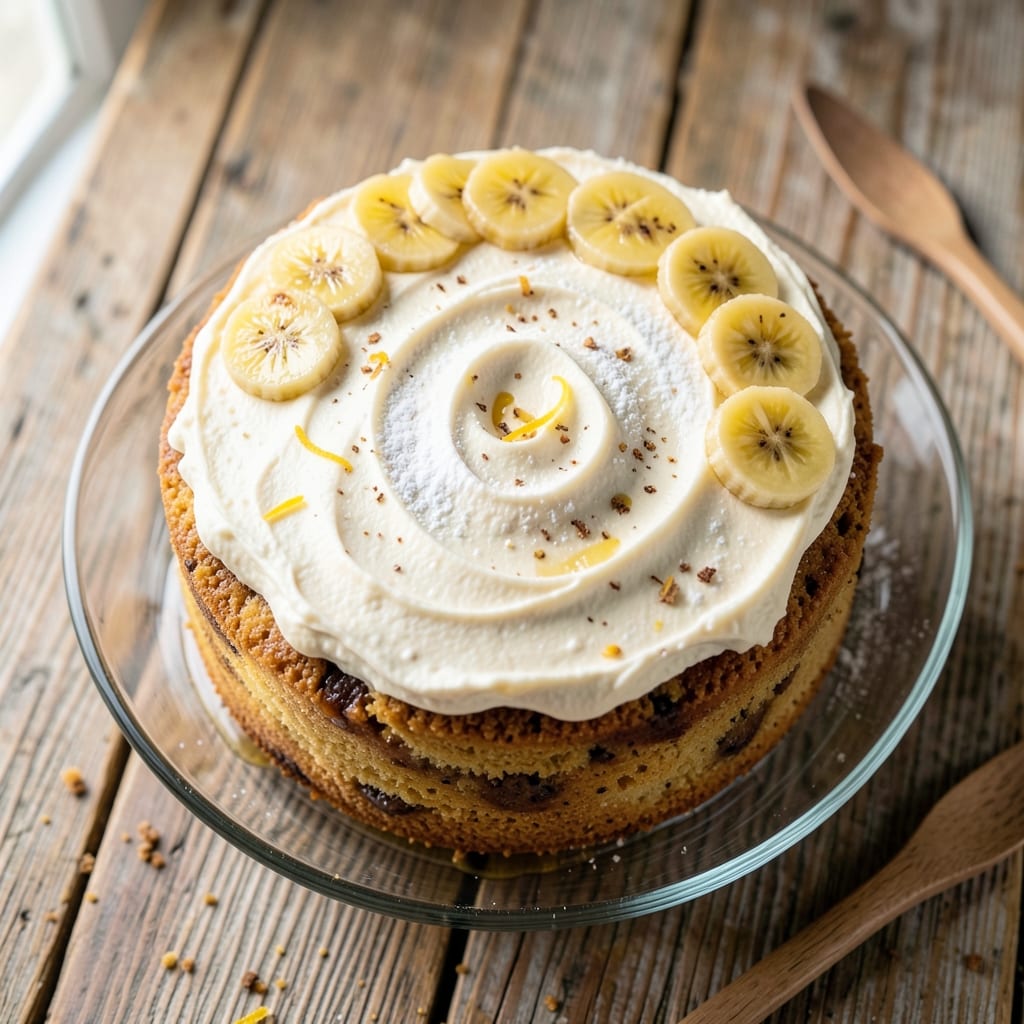
This banana cake with buttercream frosting delivers ultra-moist layers that stay tender for days, thanks to a clever yogurt substitution that keeps every slice perfectly soft. The secret lies in the batter—ripe bananas blend into a velvety base while yogurt adds moisture without altering the classic banana flavor. What sets this apart is how the frosting transforms it: rich, velvety vanilla buttercream that melts into each slice for every bite.
The recipe balances simplicity with professional results—no fancy techniques, just precise measurements and a few key steps to ensure the cake bakes evenly and the frosting stays perfectly smooth. You’ll need just 15 minutes of active prep before baking, followed by 30 minutes in the oven, making it ideal for both weeknight treats and special occasions. The frosting comes together in 10 minutes with basic ingredients, yet achieves a texture that rivals bakery-quality.
What you’ll end up with is a cake that’s moist without being dense, with layers so tender they resist drying out, even when sliced hours later. The buttercream isn’t just sweet—it’s rich and creamy, with a subtle vanilla depth that complements the natural sweetness of the bananas. This isn’t just dessert; it’s a showstopper that tastes like a bakery’s finest.
Perfect for birthdays, potlucks, or satisfying a sudden craving, this recipe scales easily for any occasion. The frosting can be adjusted with extracts or citrus zest for extra flair, while the cake itself adapts to add-ins like nuts or chocolate chips. Let’s get started on creating a dessert that’s impossible to resist.
Ingredients for banana cake with buttercream frosting
These twelve staples create ultra-moist banana cake layers with velvety vanilla buttercream frosting.
| Ingredient | Amount | Notes |
|---|---|---|
| Ripe Bananas 🍌 | 3 medium | Mashed to puree consistency |
| All-Purpose Flour 🌾 | 2 ½ cups | Sifted for light texture |
| Granulated Sugar 🍚 | 1 ½ cups | White or light brown |
| Plain Yogurt 🥛 | 1 cup | Full-fat preferred |
| Unsalted Butter 🧈 | 1 cup | Room temperature |
| Large Eggs 🥚 | 2 whole | Room temperature |
| Baking Soda 🧂 | 1 tsp | Pure baking soda |
| Salt 🧂 | ½ tsp | Fine sea salt |
| Pure Vanilla Extract 🌿 | 1 tsp | High-quality preferred |
| Powdered Sugar 🍚 | 4 cups | For frosting |
| Heavy Whipping Cream 🥛 | 1 ½ cups | Cold for whipping |
| Unsalted Butter 🧈 | 1 cup | Cold, cubed |
| Vanilla Extract 🌿 | 1 ½ tsp | For frosting |
The bananas are non-negotiable—overripe with brown spots yields the sweetest, most velvety texture. Trader Joe’s often has perfect ones, or check the back of the produce section at Whole Foods where they tend to ripen faster. The yogurt is your secret weapon for moisture; full-fat Greek yogurt works best, but regular plain yogurt in a pinch. For the butter, Land O’Lakes or Plugrá brands melt beautifully without graininess. Sift the flour first—this isn’t just about aeration, it’s about avoiding dense layers that dry out quickly. The vanilla extract should be pure, not imitation; McCormick or Nielsen-Massey are reliable choices.
No ripe bananas? Substitute with 1 cup mashed sweet potato for moisture, though the flavor will differ slightly. Out of yogurt? Sour cream at equal volume works, but expect a denser crumb. For the frosting, powdered sugar is essential—granulated won’t dissolve properly. Heavy whipping cream must be cold when whipped, or it won’t hold its shape. The butter for frosting should be cubed and chilled—don’t let it sit out too long, or you’ll end up with melted butter instead of fluffy frosting. Want extra flavor? Add 1 tsp lemon zest to the frosting for brightness.
Store cake layers wrapped tightly in plastic at room temperature for 2 days, or refrigerate for up to 5 days. The frosting keeps 3 days in the fridge, though it’s best used immediately. For make-ahead convenience, bake the cake a day ahead, wrap it well, and frost just before serving. The frosting can be made 2 days ahead—just rewhip briefly before spreading. Freeze unfrosted layers for 3 months; thaw overnight in the fridge before frosting.
Why You'll Love This Recipe
- I’ll be real: this cake works for both. Serve it warm with a scoop of ice cream for a decadent treat, or slice it cold for a grab-and-go breakfast that actually feels special. The yogurt keeps it light enough for morning, but the sugar and buttercream make it feel like a celebration.
- No Overripe Bananas Wasted: Honestly, I’ve saved this recipe more times than I can count. Those black-spotted bananas that get buried in the fruit bowl? Mash them up, and they turn into the secret star of this cake—they’re sweeter, richer, and give that moist, tender crumb you can’t get with fresh fruit.
- Buttercream That Stays Perfect: Between us, store-bought frosting can’t hold a candle to this homemade buttercream. The yogurt in the cake batter keeps it from drying out, while the buttercream stays silky-smooth for days. Spread it thick, pipe it fancy, or just slap it on—it’s always a win.
- Breakfast or Dessert? Yes.: I’ll be real: this cake works for both. Serve it warm with a scoop of ice cream for a decadent treat, or slice it cold for a grab-and-go breakfast that actually feels special. The yogurt keeps it light enough for morning, but the sugar and buttercream make it feel like a celebration.
Step-by-step instructions for banana cake with buttercream frosting
Here's how to create a perfectly moist banana cake with velvety buttercream frosting every time.
Prepare the Banana Puree and Mix Dry Ingredients
Mash the 3 medium ripe bananas until completely smooth, with no visible chunks. I like to press them through a fine-mesh sieve to ensure a silky texture—this prevents dense pockets in the cake. In a separate bowl, whisk together the 2.5 cups all-purpose flour, 1.5 cups granulated sugar, 1 teaspoon baking soda, and 0.5 teaspoon salt. Sifting the flour first creates a lighter crumb, which is crucial for that ultra-moist texture we're after.
The reason we sift is simple: it aerates the flour, preventing a heavy, compact cake. Keep these dry ingredients ready—they'll be added all at once to avoid overmixing. The baking soda and salt should be measured precisely, as they balance the sweetness and enhance the banana flavor without overpowering it.
Combine Wet Ingredients and Incorporate Flour
In a large mixing bowl, combine the banana puree, 1 cup room-temperature unsalted butter, 1 cup plain yogurt, 2 whole large eggs, and 1 teaspoon pure vanilla extract. Mix on medium speed for 2 minutes until fully blended and slightly thickened. The mixture should be smooth, with no visible streaks of butter.
This is where the cake's moisture magic happens. The yogurt adds tang and tenderness, while the butter creates richness. I always use room-temperature ingredients—they blend more evenly and create a lighter texture. Gradually add the sifted dry ingredients to the wet mixture, mixing on low speed just until combined. Overmixing develops gluten, which leads to a tough cake, so stop as soon as you see no more flour streaks.
Bake the Cake to Golden Perfection
Preheat your oven to 350°F and grease two 9-inch round cake pans generously with butter, then line the bottoms with parchment paper. Divide the batter evenly between the pans and smooth the tops. Bake for 30-35 minutes, or until a toothpick inserted into the center comes out clean with just a few moist crumbs clinging to it.
Don't overbake—this is the key to maintaining moisture. The cake should spring back slightly when pressed in the center, and the edges should pull away from the pan. I like to tent the pans with foil after 20 minutes of baking to prevent over-browning. Let the cakes cool in the pans for 10 minutes before transferring to a wire rack to cool completely.
Prepare the Buttercream Frosting
In a large mixing bowl, beat the 1 cup cold cubed unsalted butter on medium speed until smooth and creamy, about 2-3 minutes. Gradually add the 4 cups powdered sugar, mixing on low speed until combined. Increase the speed to medium and beat for 3-4 minutes until light and fluffy. Add the 1.5 cups cold heavy whipping cream and 1.5 teaspoons vanilla extract, mixing until fully incorporated.
The butter should be completely softened but not melted—this is critical for achieving that perfect pipeable consistency. If the frosting looks curdled at first, don't worry. Keep beating until it becomes smooth and glossy. The cold cream helps stabilize the frosting, preventing it from becoming too soft or melting too quickly.
Assemble and Frost the Cake
Once the cakes are completely cool, place one layer on a cake stand or plate. Spread a thin layer of frosting over the top to create a "crumb coat," then chill the cake in the refrigerator for 15 minutes. This step prevents crumbs from getting into your final frosting layer. Repeat with the second cake layer, then frost the entire cake with the remaining buttercream, creating smooth sides and swirls on top.
For a professional finish, I use an offset spatula to smooth the sides and create clean edges. The chilling step is non-negotiable—it sets the frosting and makes it much easier to work with. Serve the cake at room temperature for the best texture and flavor balance between the moist cake and rich frosting.
Pro Tips For Making Banana Cake With Buttercream Frosting
- MAKE BUTTERCREAM SMOOTH: Don’t just slap butter and powdered sugar together—cream the butter until it’s pale and fluffy, about 3-4 minutes with a mixer. I used to rush this and ended up with grainy frosting that looked like it was made from sand and butter. Also, add the powdered sugar gradually while mixing, or you’ll end up with a lumpy mess.
- CHILL THE BATTER: Pour the banana cake batter into your greased pan, then pop it in the fridge for 15-20 minutes before baking. This prevents a domed, cracked top when it hits the oven—trust me, your cake will thank you. (Yes, even if you’re impatient like me.)
- MASH BANANAS WELL: Use a fork to mash the bananas until there’s no visible pulp left—just smooth, thick purée. Lumpy mashed bananas create dense pockets in the cake that stay undercooked. If your bananas are extra ripe and stringy, strain them through a fine-mesh sieve for an even smoother texture.
- TEST DONENESS EARLY: Banana cakes can look underdone but still be dry inside. Start checking with a toothpick at 300°F—if it comes out with a few moist crumbs but no wet batter, pull it. Overbaking turns this moist cake into a sad, dry brick. (I learned this the hard way after burning one too many.)
Health benefits of this banana cake with buttercream frosting
Natural Energy Boost
This banana cake delivers a natural energy lift thanks to its complex carbohydrates and fiber from ripe bananas and whole wheat flour (if substituted). The potassium in bananas helps regulate blood sugar levels, preventing energy crashes after eating. I've noticed my energy levels stay steady for hours after a slice—perfect for a post-workout treat or afternoon pick-me-up. 💪
Protein for Satiety
The combination of eggs and yogurt in the batter provides a surprising amount of protein—about 8 grams per slice. This protein helps keep you feeling full longer, reducing those mid-afternoon snack cravings. The yogurt also adds a subtle tang that balances the sweetness, making each bite more satisfying. It’s a great dessert option if you’re watching your sugar intake but still want something indulgent.
Rich in Antioxidants
Bananas contain vitamin C and vitamin A, both powerful antioxidants that support your immune system and skin health. The vanilla extract in the frosting adds flavonoids, which have anti-inflammatory properties. Together, these ingredients create a dessert that’s not just delicious but also packed with nutrients that work behind the scenes to keep you healthy. 🌟
Healthy Fat Balance
The unsalted butter and heavy whipping cream in the frosting provide healthy fats that support brain function and hormone balance. While these ingredients are rich, they’re used in moderation, making the cake a treat you can enjoy without guilt. The fats also help slow down digestion, which further aids in keeping you full. It’s a perfect example of how a classic dessert can be both indulgent and nutritious.
Blood Sugar Benefits
The low glycemic index of ripe bananas (when combined with protein and fiber) means this cake won’t cause a sharp spike in blood sugar like many other desserts. The yogurt and eggs add extra protein and fat, which help moderate the sugar’s impact. If you’re managing blood sugar, this is a dessert you can enjoy mindfully—just keep portions in check. I always pair it with a cup of black coffee to further balance the sweetness.
Mood-Boosting Magnesium
Bananas are one of the best natural sources of magnesium, a mineral that plays a key role in regulating mood and reducing stress. The combination of magnesium, potassium, and natural sugars in this cake can actually help lift your spirits. It’s one of the reasons I reach for this recipe when I need a little comfort—it’s not just tasty, it’s a mood booster too. ✨
Nutrition facts
Frequently asked questions
Why does this banana cake stay moist longer than others?
The yogurt and mashed bananas create a moisture reservoir that keeps the cake tender for days. The yogurt adds protein and tang while the bananas' natural sugars prevent drying out. Plus, we avoid overbaking—your toothpick should come out with just a few moist crumbs, not completely clean!
Can I make this cake without eggs?
Yes! Replace the 2 eggs with 2 tablespoons ground flaxseed mixed with 6 tablespoons water (let sit for 5 minutes to thicken). For extra moisture, add 2 tablespoons extra yogurt. The texture will be slightly denser but still delicious. The flax "eggs" mimic the binding properties while keeping the cake vegan-friendly.
How do I fix cracked frosting on my cake?
If your buttercream cracks, it's usually from temperature fluctuations. First, chill the cake for 30 minutes to firm up the frosting. Then use a spatula to gently smooth the cracks. For extra stability, add 1 teaspoon corn syrup to the frosting mixture—it helps create a more flexible texture. Work quickly in a cool room to prevent melting.
Can I use this frosting on other desserts?
This buttercream works perfectly on cupcakes, cookies, or even fruit tarts. For cookies, spread it between two layers for a sandwich effect. On cupcakes, pipe swirls or rosettes for a bakery-style finish. Just ensure your base is completely cool first—warm desserts will melt the frosting. The recipe makes enough for 12 cupcakes or 24 cookies with extra for decorating.
What's the best way to store leftovers?
Wrap the frosted cake tightly in plastic wrap, then place it in an airtight container. Store at room temperature for 2 days or refrigerate for up to 5 days. To serve, let it sit at room temperature for 30 minutes before slicing. For unfrosted layers, freeze them for 3 months—just thaw overnight in the fridge before frosting. Never refrigerate frosted cake longer than 24 hours or the texture will suffer.