
Desserts
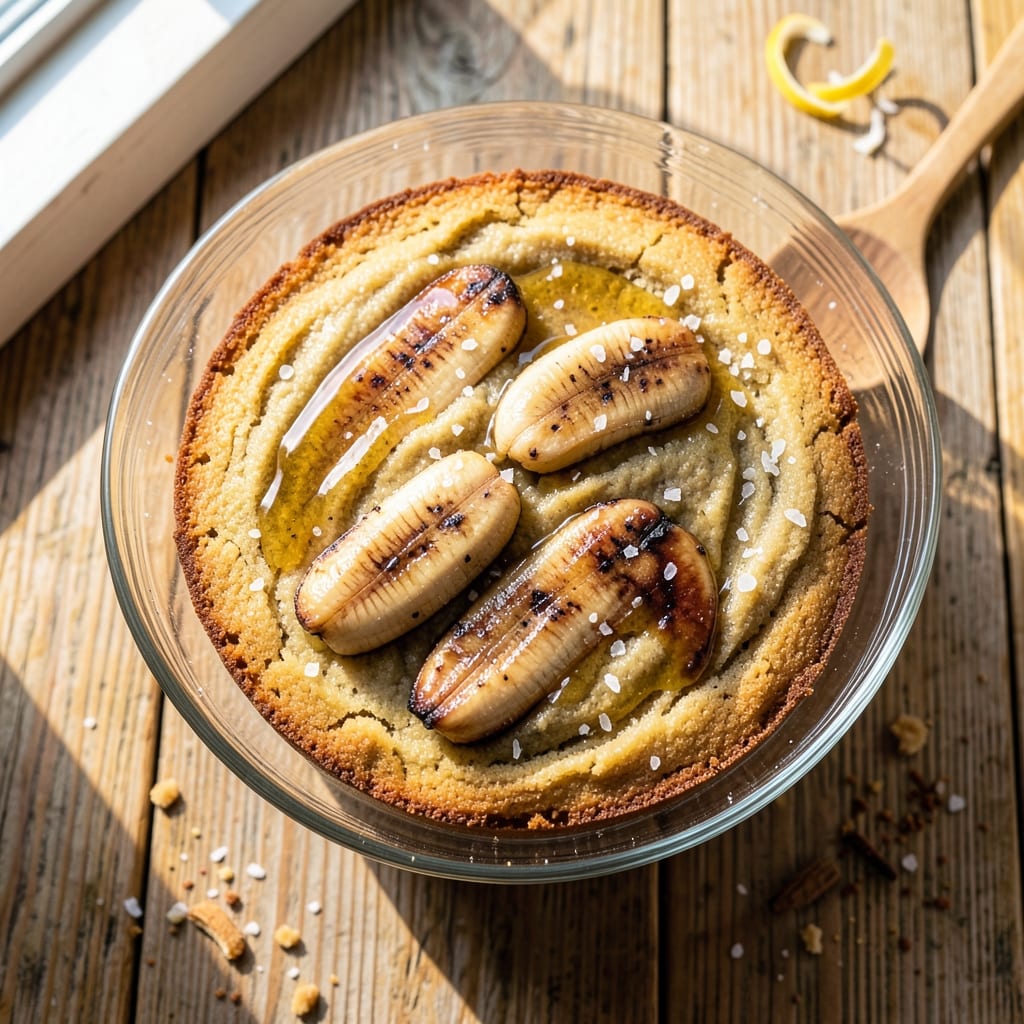
This banana cake recipe with coconut oil delivers layers of ultra-moist, tender crumb with a tropical twist that feels like a vacation in every bite. The secret lies in replacing butter with coconut oil—it keeps the cake rich and velvety while adding a subtle coconut aroma that pairs perfectly with ripe bananas. I developed this version after years of testing, ensuring the texture stays perfect even when stored for days.
The coconut oil creates a delicate crunch in the crust while maintaining that signature moistness inside, thanks to the ripe bananas and buttermilk. This recipe is foolproof for beginners but impressive enough for gatherings—no special equipment or techniques required. The flavor balance is what makes it stand out: naturally sweet without being cloying, with just enough warmth from the coconut to elevate the classic banana cake.
What you’ll end up with is a cake that’s so tender it practically melts in your mouth, with a golden top that cracks slightly at the edges—a telltale sign of perfect baking. The coconut oil adds depth that butter can’t match, while the bananas keep it moist without needing extra fat. It’s the kind of dessert that disappears quickly, whether you’re serving it warm with ice cream or letting it cool for clean, elegant slices.
For extra indulgence, top with a simple coconut whipped cream or a dusting of toasted coconut flakes. The frosting is optional, but the cake shines on its own—just the way it should be. Let’s get started on this tropical twist on a classic favorite.
Ingredients for banana cake recipe with coconut oil
Ripe bananas and coconut oil transform this classic cake into a tropical dream.
| Ingredient | Amount | Notes |
|---|---|---|
| Ripe Bananas 🍌 | 3 whole | About 2 cups mashed |
| All-Purpose Flour 🌾 | 2 ½ cups | Spooned and leveled |
| Granulated Sugar 🍚 | 1 ½ cups | Light brown sugar works too |
| Coconut Oil 🥥 | 1 cup | Melted, not solid |
| Buttermilk 🥛 | 1 cup | Substitute with 1 tbsp vinegar + 1 cup milk |
| Large Eggs 🥚 | 2 whole | Room temperature preferred |
| Baking Soda 🧂 | 1 tsp | Freshly measured |
| Vanilla Extract 🌿 | 1 tsp | Pure extract preferred |
| Salt 🧂 | ½ tsp | Fine sea salt |
| Unsweetened Shredded Coconut 🥥 | ½ cup | Toasted for extra crunch |
| Walnuts 🌰 | ½ cup | Chopped, optional |
The bananas are non-negotiable—spotty, squishy ones pack the most flavor. Trader Joe's and Whole Foods usually have perfect ones, but grocery store bananas work too. Coconut oil is the star here, so grab the virgin, unrefined kind—it's got that rich coconut taste without being overpowering. If you're in a pinch, refined coconut oil (tasteless) works, but you'll lose that subtle aroma. The walnuts and shredded coconut? Toast them first—5 minutes in a dry pan until golden. That extra step makes all the difference in texture.
No buttermilk? Mix 1 tbsp vinegar or lemon juice with 1 cup milk and let sit 5 minutes. Eggs can be tricky if you're vegan—flax eggs (1 tbsp ground flax + 3 tbsp water per egg) work perfectly. Want more tropical flavor? Swap half the flour for almond flour. The sugar can be adjusted—reduce by 2 tbsp if your bananas are extra sweet. And if you're worried about coconut oil solidifying, microwave it 20 seconds to melt before mixing.
This cake keeps beautifully—4-5 days in an airtight container at room temp, or 1 week in the fridge. For extra moisture, wrap tightly in plastic. I always make a double batch because it disappears fast. Store the extra in individual portions—perfect for quick breakfasts or dessert. The coconut flavor actually gets better the next day as it mellows, so plan ahead if you can.
Why You'll Love This Recipe
- No Overripe Waste: I always have a few spotted bananas lurking in my fruit bowl, and this cake turns them into something ridiculously good. Mash them right into the batter—no peeling, no fuss—just pure, sweet banana flavor that keeps the cake moist for days.
- Buttery-Moist Magic: That coconut oil? It’s the secret weapon here. Unlike butter, it stays rich and velvety without overpowering the banana’s natural sweetness, and the buttermilk keeps the crumb tender while adding just enough tang to balance the sugar. Honestly, one bite and you’ll forget it’s not from a bakery.
- Breakfast or Dessert: Serve it warm with a drizzle of honey for a lazy Sunday brunch, or slice it cold for a quick after-school snack. The texture holds up either way—no soggy middle, no dry edges. Even my coffee-loving husband grabs a piece before work.
- Budget Bakery Hack: This costs a fraction of store-bought banana bread, and the ingredients stretch far. Use leftover cake for French toast the next morning, or stash slices in the freezer for when you’re too tired to bake. Between us, I’ve made this at least 12 times this year—it’s my go-to when I’m broke or busy.
Step-by-step instructions for banana cake with coconut oil
Here's how to create a lusciously moist banana cake with a perfect tropical crunch—no dry bites in sight.
Prep Ingredients for Perfect Texture
Start by mashing the 3 whole ripe bananas until completely smooth—no lumps, or your cake will be dense. I like to use a fork first, then press through a fine-mesh sieve to remove any remaining skin bits. This ensures the bananas blend seamlessly into the batter.
In a separate bowl, whisk together the 2.5 cups all-purpose flour, 1.5 cups granulated sugar, 1 tsp baking soda, 0.5 tsp salt, and 1 tsp vanilla extract. Sift the dry ingredients together once to aerate the flour—this prevents dense layers. Set aside until ready to combine with the wet ingredients.
Mix Wet Ingredients for Ultra-Moist Batter
In a large mixing bowl, combine the melted 1 cup coconut oil (it should be warm but not hot) with the 1 cup buttermilk and 2 whole large eggs. Whisk vigorously for 2-3 minutes until the mixture is completely smooth and slightly thickened. The coconut oil keeps this cake incredibly moist—don't skip this step.
Gradually add the mashed bananas to the wet mixture while whisking continuously. This ensures even distribution of the bananas' natural sweetness and moisture throughout the batter. The batter should be thick but pourable—if it looks too stiff, add 1-2 tablespoons of milk to loosen it slightly.
Combine Wet and Dry Ingredients Gently
With the mixer on low speed, slowly pour the dry ingredients into the wet mixture. Mix just until combined—no more than 30 seconds—to avoid developing gluten, which would make the cake tough. Scrape down the sides of the bowl with a spatula to ensure everything is evenly incorporated.
Fold in the 0.5 cup unsweetened shredded coconut and 0.5 cup chopped walnuts by hand using a rubber spatula. Be gentle—overmixing now will disrupt the delicate texture. The coconut adds that tropical crunch while the walnuts provide a nice contrast in both texture and flavor.
Bake Until Golden and Springy
Preheat your oven to 350°F and grease two 8-inch round cake pans or one 9x13-inch pan with butter or coconut oil. Divide the batter evenly between the pans and sprinkle the tops with additional shredded coconut if desired.
Bake for 25-30 minutes (or 35-40 minutes for the larger pan) until a toothpick inserted into the center comes out clean and the edges are golden brown. The cake should also spring back slightly when pressed gently in the center—this is your best indicator of doneness.
Cool and Serve for Maximum Moisture
Let the cakes cool in their pans for 10 minutes, then transfer to a wire rack to cool completely. I know it's tempting to dig in right away, but letting them cool prevents a gummy texture. For extra moisture, brush the warm cakes with a simple glaze made from powdered sugar and milk while they're still slightly warm.
Slice and serve—each bite should be tender with a perfect balance of moist banana flavor, coconut crunch, and walnut richness. Store leftovers in an airtight container for up to 3 days or freeze for longer storage. This cake tastes even better the next day as the flavors meld together.
Pro Tips For Making Banana Cake Recipe With Coconut Oil
- Mash Bananas Thoroughly: Skip the food processor—your hands will actually break down the fibers better, and you’ll end up with a smoother batter. I used to rush this, and the cake turned out dense. Take 30 seconds extra and press those bananas through a fine-mesh sieve if you’re impatient (yes, even if you’re impatient like me).
- Melt Coconut Oil Slowly: Heat the coconut oil on low until it’s just liquid—not golden, not smoking. After burning three batches, I finally figured out that high heat turns it bitter. Use a thermometer if you’re skeptical: aim for 95°F (35°C). It’s the thing that matters most for that clean, rich flavor.
- Don’t Overmix the Batter: Stir just until the flour disappears—about 20 strokes max. I learned this the hard way when my cakes turned out tough and dry. The buttermilk and coconut oil need to stay tender, and overmixing develops the gluten like you’re kneading bread dough.
- Test for Doneness Early: Start checking at 25 minutes, not the recipe’s suggested time. Coconut oil makes cakes bake faster than butter, and the center should spring back slowly when pressed. If the edges are set but the middle’s still jiggly, tent with foil and wait—your future self will thank you.
Best sauces and condiments for this banana cake recipe with coconut oil
Coconut Whipped Cream
This light, fluffy topping transforms your banana cake into a tropical dream. Whip 1 cup heavy cream with 2 tablespoons powdered sugar and 1 teaspoon vanilla extract until soft peaks form. Fold in 2 tablespoons toasted coconut flakes—this adds a delicate crunch that contrasts beautifully with the cake's softness. Store in the fridge until ready to use, then pipe generously over each slice. 🥥
Lemon Coconut Glaze
Brighten the coconut richness with this zesty glaze. Mix 1 cup powdered sugar, 2 tablespoons lemon juice, and 1 tablespoon coconut milk in a bowl. Thin with 1 teaspoon water if needed, then drizzle over the cooled cake. The acidity cuts through the sweetness while enhancing the banana flavor. For extra flair, sprinkle with crushed macadamia nuts before serving.
Spiced Caramel Drizzle
Add depth with this warm, aromatic drizzle. Simmer ½ cup coconut sugar with 2 tablespoons coconut milk and ¼ teaspoon cinnamon for 5 minutes until melted. Cool slightly, then drizzle over the cake. The caramel's buttery notes complement the coconut while the cinnamon adds warmth. Store any leftovers in an airtight container for up to 1 week in the fridge.
Chocolate-Coconut Ganache
For chocolate lovers, this ganache adds a decadent twist. Melt ½ cup dark chocolate chips with ¼ cup coconut cream over a double boiler. Let cool slightly, then spread over the cake. Top with toasted coconut flakes for texture contrast. The chocolate's bitterness balances the cake's sweetness while the coconut ties everything together. Keep refrigerated until ready to serve.
Tropical Fruit Compote
Add freshness with a quick fruit compote. Simmer 1 cup diced mango and 1 cup pineapple chunks with 1 tablespoon honey and ½ teaspoon lime zest for 10 minutes. Mash slightly, then spoon over cake slices. The fruit's acidity brightens the coconut flavor while adding vibrant color. Serve immediately for the best texture and flavor.
Vanilla Bean Custard
Elevate your cake with a silky vanilla custard. Whisk 1 cup milk, 3 egg yolks, ¼ cup sugar, and 1 vanilla bean scraped in a saucepan. Cook over medium heat, stirring constantly, until thickened (5-7 minutes). Strain, chill, then spoon over cake slices. The custard's creaminess pairs perfectly with the cake's moist texture and coconut notes. 💛
Nutrition facts
Frequently asked questions
Why does coconut oil make this banana cake extra moist?
The coconut oil creates a tender, velvety crumb because it stays liquid at room temperature, keeping the cake moist longer than butter. Unlike butter which solidifies, coconut oil maintains a fine texture while adding subtle coconut aroma that complements the bananas. Plus, it prevents dryness even when stored for days!
Can I substitute coconut oil with regular butter?
Yes, but expect slight texture differences. Use the same amount of melted butter, but the cake may be slightly denser. For best results, add 1 extra tablespoon of milk to compensate for butter's higher water content. The tropical coconut flavor will also be missing, but it'll still be delicious!
How do I know when my bananas are ripe enough?
Look for bananas with black spots covering most of the peel and slight softness when squeezed. The spottier and softer, the sweeter and more flavorful your cake will be. Overripe bananas (completely mushy) can make the cake too sweet, so aim for "just right" ripe!
Should I toast the coconut and walnuts?
Toasting enhances their flavors dramatically. Spread 0.5 cup coconut and 0.5 cup walnuts on a baking sheet and toast at 350°F for 5-7 minutes until golden. This adds a nutty depth that makes the cake taste even more indulgent. Cool completely before adding to the batter.
Can I make this cake gluten-free?
Yes, but with adjustments. Replace the 2.5 cups all-purpose flour with a 1:1 gluten-free baking flour blend (like Bob's Red Mill). Add 1 extra teaspoon of baking soda and 1 tablespoon of xanthan gum to improve texture. The cake will still be moist but may have a slightly denser crumb.