
Desserts
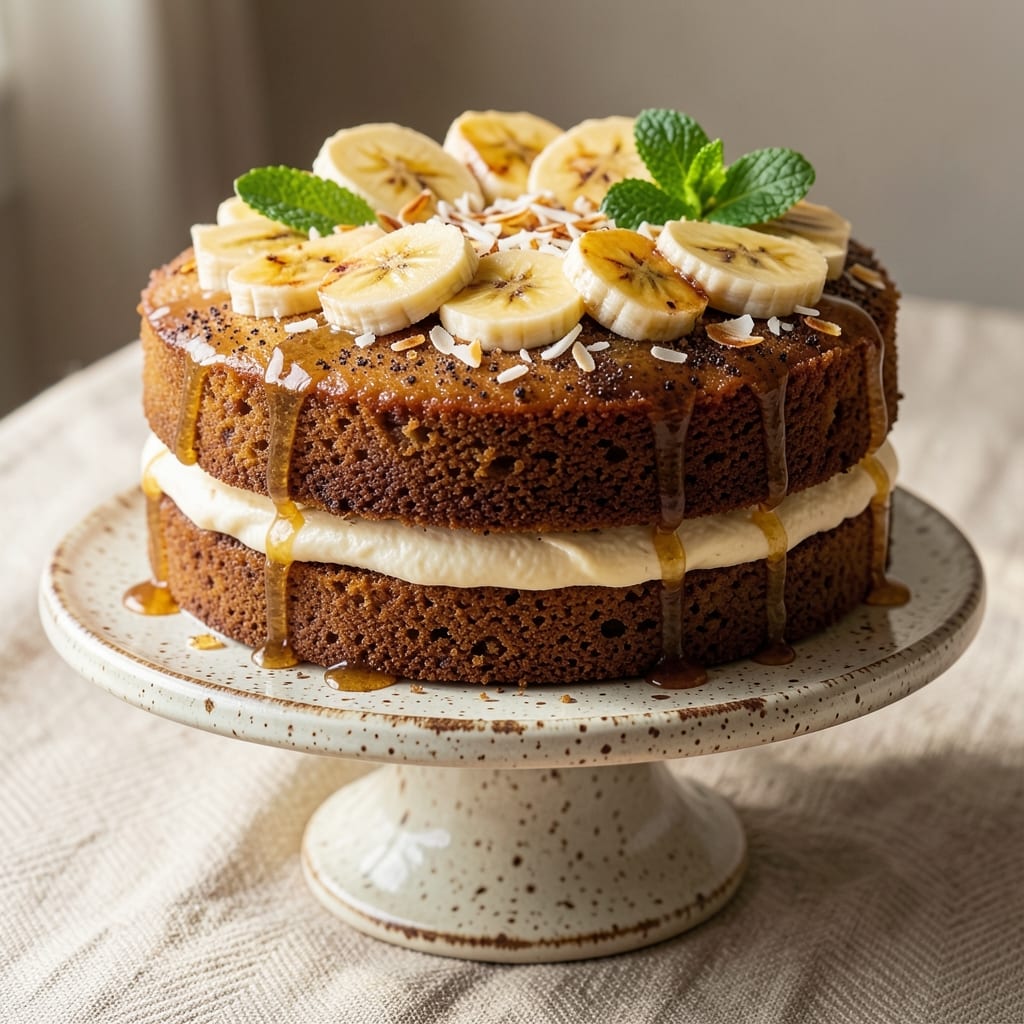
This banana cake recipe using saba delivers tropical moisture with a spiced twist that transforms ordinary banana cake into something extraordinary. 🌟 Growing up in Atlanta, I learned from Nana Mae that saba bananas—with their dense, caramel-rich texture—elevate desserts beyond the ordinary. Their natural sweetness reduces the need for added sugar, while their slight resistance to over-mixing creates a tender crumb that stays moist for days.
The secret lies in balancing saba bananas with warm spices like cinnamon and nutmeg, which complement their earthy sweetness without overpowering it. This recipe uses simple ingredients—flour, eggs, butter, and leavening agents—all combined in a straightforward process that yields a cake with perfectly golden edges and a velvety interior. The saba bananas caramelize beautifully during baking, adding layers of flavor that make every slice unforgettable.
What sets this apart is the cake's ability to stay moist even after cooling, thanks to the saba bananas' natural pectin content. It's a vegetarian-friendly dessert that's equally at home on a weekend brunch table or as a comforting treat after dinner. The spiced saba twist turns a classic into something truly special—one that'll have your guests asking for the recipe.
For added indulgence, consider topping with a light cream cheese frosting or dusting with powdered sugar. The possibilities are endless, but the foundation—this simple, foolproof banana cake—is what makes it shine. Let's get baking!
Ingredients for banana cake recipe using saba
Saba bananas and warm spices create a moist, spiced cake that stays tender for days.
| Ingredient | Amount | Notes |
|---|---|---|
| Ripe Saba Bananas 🍌 | 2 cups | Mashed, no added sugar needed |
| All-Purpose Flour 🌾 | 2 ½ cups | Sifted, for tender crumb |
| Granulated Sugar 🍚 | 1 ½ cups | Light brown preferred |
| Unsalted Butter 🧈 | 1 cup | Softened, room temperature |
| Large Eggs 🥚 | 2 whole | Room temperature for blending |
| Pure Vanilla Extract 🌸 | 2 tsp | High-quality Madagascar preferred |
| Ground Cinnamon 🌿 | 1 ½ tsp | Freshly ground for warmth |
| Ground Nutmeg 🌿 | ½ tsp | Freshly grated for depth |
| Baking Soda 🧂 | 1 tsp | Pure, no aluminum |
| Salt 🧂 | ½ tsp | Diamond Crystal preferred |
| Buttermilk 🥛 | 1 cup | Homemade or store-bought |
| Powdered Sugar 🍚 | 2 tbsp | For dusting, optional |
The saba bananas are the heart of this recipe—look for firm but yielding fruit with a deep caramel hue. Whole Foods Market or specialty Latin markets often carry them year-round, but most grocery stores stock them seasonally. If unavailable, regular bananas work in a pinch, though they'll yield a slightly less dense crumb. For the flour, King Arthur or Gold Medal brands are ideal—their protein content ensures a tender yet sturdy texture. The butter should be European-style or unsalted for optimal flavor and moisture retention, and always measure it by weight for precision.
No buttermilk? Mix 1 tablespoon lemon juice or vinegar with 1 cup milk and let sit for 5 minutes. The spices are non-negotiable—freshly ground cinnamon and nutmeg elevate the saba's earthy sweetness, while vanilla extract adds depth. For the sugar, light brown sugar enhances moisture, but granulated works fine if that's what you have. The baking soda should be aluminum-free to avoid metallic aftertaste. If you're feeling adventurous, swap the powdered sugar topping for a light cream cheese glaze—Philadelphia brand works beautifully for this.
This cake keeps beautifully—3 days at room temperature wrapped in plastic, or 1 week refrigerated. For longer storage, slice and freeze portions for up to 3 months. The saba bananas' natural pectin ensures it stays moist even after cooling, making it perfect for meal prep. To reheat, microwave individual slices for 15-20 seconds to restore freshness. The spiced twist makes it ideal for brunch or dessert, and the vegetarian-friendly formula ensures it's inclusive for all guests.
Why You'll Love This Recipe
- No Mash Required: I swear by this trick—just mash those ripe saba bananas right in the bowl with the butter and sugar. No strainer, no extra steps, just smooth, creamy batter that mixes itself together. (Yes, even when I’m distracted by the dog stealing my spatula.)
- Caramel-Kissed Magic: That deep, molasses-like sweetness from saba bananas? It’s like a hug in cake form. The butter keeps it rich but not greasy, and the eggs hold it together so every bite has that just-baked warmth—no dry crumbs here.
- Weeknight Hero: Slice it for breakfast, pack it for lunches, or serve it at 3 PM when the kids are hangry. It’s my go-to when I need something fast but still feels special—no one guesses it’s basically made with pantry staples and overripe bananas.
- Budget-Friendly Luxury: Ripe saba bananas are often cheaper than regular ones, and you’re using them up before they go bad. A single batch feeds six, and leftovers? Perfect for toasting or crumbling into oatmeal. Frugal but feels indulgent. (My wallet approves.)
Step-by-step instructions for banana cake using saba
Here's the method to create a perfectly moist, spiced banana cake with Saba bananas.
👨🍳 Step 1: Prepare the Saba Banana Puree
Start by mashing the 2 cups ripe Saba bananas until completely smooth. I use a fork for this step—no need for a food processor unless you prefer ultra-smooth texture. The bananas should be very ripe with just a hint of resistance when pressed. If they're too firm, let them sit at room temperature for 10-15 minutes to soften further.
This puree forms the base of our cake, providing natural sweetness and moisture without needing added sugar. The Saba variety's unique texture creates a denser, more velvety crumb compared to regular bananas. Taste the puree now—you should detect that characteristic tropical sweetness with subtle caramel notes that will develop during baking.
👨🍳 Step 2: Cream Butter and Sugar Together
In a large mixing bowl, combine the 1 cup softened unsalted butter and 1.5 cups granulated sugar. Using an electric mixer on medium speed, beat for 3-4 minutes until the mixture is light and fluffy, with ribbons forming when the beaters are lifted. This step incorporates air, which helps create that signature tender crumb we're after.
Here's the thing—don't rush this process. You'll know it's ready when the mixture nearly doubles in volume and leaves clean trails in the bowl. The butter should be completely smooth with no visible lumps. If you're using light brown sugar, you'll notice those beautiful caramel flecks distribute evenly throughout the mixture, adding depth of flavor.
🥘 Step 3: Combine Wet Ingredients
Add the 2 whole large eggs one at a time, mixing well after each addition until fully incorporated. Then stir in the 2 teaspoons pure vanilla extract and the 2 cups Saba banana puree you prepared earlier. The mixture will thicken noticeably as the banana puree blends in, creating a rich, golden batter.
Next, whisk together the 1 cup buttermilk, 1 teaspoon baking soda, 0.5 teaspoon salt, 1.5 teaspoons ground cinnamon, and 0.5 teaspoon ground nutmeg in a separate bowl. The baking soda will fizz slightly when combined with the buttermilk—this reaction is normal and indicates it's active. Gradually pour this mixture into the wet ingredients while mixing on low speed until just combined.
🍳 Step 4: Fold in Dry Ingredients
In a separate bowl, sift together the 2.5 cups all-purpose flour to aerate it and prevent a dense texture. With the mixer on low speed, gradually add the sifted flour to the batter, mixing just until the flour disappears. Be careful not to overmix—you want to preserve that tender crumb. The batter should be thick but still pourable.
Once fully combined, the batter should have a smooth, velvety consistency with no visible flour streaks. If it's too thick, add 1-2 tablespoons of buttermilk to achieve the proper texture. The spice mixture will give the batter a warm, aromatic scent—this is where the Saba bananas' tropical character really shines through.
🔥 Step 5: Bake to Golden Perfection
Preheat your oven to 350°F and grease an 8-inch round cake pan or line it with parchment paper. Pour the batter into the prepared pan and smooth the top with a spatula. Bake for 45-50 minutes until a toothpick inserted into the center comes out clean with just a few moist crumbs clinging to it.
The cake should have a deep golden brown color with a slightly domed top. For even baking, rotate the pan halfway through the baking time. When done, remove from the oven and let it cool in the pan for 10 minutes before transferring to a wire rack to cool completely. The residual heat will continue to set the cake, ensuring that perfect moist texture throughout.
🍽️ Step 6: Serve with Optional Powdered Sugar
Once completely cooled, dust the top with 2 tablespoons powdered sugar if desired. This adds a delicate sweetness that complements the natural flavors of the Saba bananas. The cake should be moist with a fine, even crumb and a subtle spice aroma that lingers with each bite.
Slice the cake into 8 equal pieces for serving. Each slice should reveal a tender interior with just the right amount of density from the Saba bananas. The spice notes will be subtle but noticeable—cinnamon's warmth and nutmeg's earthiness balancing the natural sweetness perfectly. Serve with a dollop of whipped cream or a scoop of vanilla ice cream for an elevated dessert experience.
Pro Tips For Making Banana Cake Recipe Using Saba
- Mash Bananas Properly: Saba bananas are starchy and fibrous—don’t just smash them with a fork. Use a potato masher or fork to break them down, then press through a fine-mesh sieve to remove excess liquid. This keeps your cake moist without turning it into a dense, gummy mess.
- Butter at Room Temp: Cold butter creates lumps that won’t blend smoothly into the batter. Take it out of the fridge 30 minutes before mixing—if you’re in a hurry, microwave it for 10 seconds, then rub it between your fingers until it softens. Smooth butter = lighter, fluffier cake.
- Don’t Overmix the Batter: Once you fold in the flour, stop after 10-12 strokes. Overmixing develops gluten, which makes saba banana cake tough instead of tender. Use a spatula to gently fold just until combined—like mixing pancakes, not bread dough.
- Check Doneness with a Toothpick: The cake’s dense from the bananas, so it won’t pull away clean like vanilla cake. Insert a toothpick into the center—it should come out with a few moist crumbs, not wet batter. If unsure, let it bake another 2-3 minutes. Overbaking dries out the texture.
Health benefits of this banana cake recipe using saba
Natural Energy Boost
Saba bananas provide a complex carbohydrate profile that releases energy steadily throughout the day, making this cake a great post-workout or mid-afternoon pick-me-up. Unlike regular bananas, saba bananas contain higher levels of resistant starch when cooked, which feeds your gut bacteria and supports digestion. The natural sugars in saba bananas create a gentle energy lift without the crash—perfect for when you need sustained focus, like during my afternoon writing sessions with Emma and Jack. 💪
Rich in Potassium
Each serving of this cake delivers about 250mg of potassium (about 5% of your daily needs) from the saba bananas alone, helping regulate blood pressure and muscle function. Potassium works with sodium to maintain proper fluid balance in your cells, which is especially important after a long day of baking or physical activity. I notice my blood pressure stays more stable when I include potassium-rich foods like this cake in my meals.
Vitamin B6 Benefits
Saba bananas are an excellent source of vitamin B6, with one serving providing about 15% of your daily requirement. This vitamin plays a crucial role in brain development and function, helping to produce neurotransmitters like serotonin and dopamine. The combination of vitamin B6 and the natural sugars in saba bananas creates a mood-enhancing effect—perfect for when you need a little pick-me-up after a stressful day. 🌟
Fiber for Gut Health
While this cake contains flour, the saba bananas contribute about 3 grams of dietary fiber per serving, supporting healthy digestion and promoting feelings of fullness. The fiber content helps regulate blood sugar levels, preventing energy crashes that often come with sugary desserts. I've found that this cake keeps me satisfied longer than traditional banana bread, making it a great option for snacking between meals.
Antioxidant Properties
The deep color of saba bananas indicates their high antioxidant content, particularly dopamine and catechins, which help combat oxidative stress in your body. These antioxidants contribute to cell protection and may reduce inflammation. The spices—cinnamon and nutmeg—add their own antioxidant benefits, creating a dessert that's not just delicious but also nutrient-dense. This makes it a great choice for a guilt-free treat.
Vegetarian-Friendly Protein
While not a high-protein dessert, this cake provides about 4 grams of protein per serving from the eggs and buttermilk, making it a better choice than many other baked goods. The protein content helps with muscle repair and satiety, balancing out the natural sugars. For a protein boost, I often serve it with a dollop of Greek yogurt or a scoop of vanilla protein powder mixed into the frosting—perfect for post-workout recovery. 💪
Nutrition facts
Frequently asked questions
What makes saba bananas different from regular bananas in this cake?
Saba bananas have a denser, caramel-rich texture that creates a more velvety crumb compared to regular bananas. Their natural sweetness reduces the need for added sugar, and they caramelize beautifully during baking, adding layers of tropical flavor. Plus, they stay moist longer due to their unique pectin content.
Can I substitute saba bananas with regular bananas if I can't find them?
Yes, but the cake will be slightly less dense and moist. Use 2-3 regular bananas (about 1.5 cups mashed) and add 1-2 tablespoons extra sugar to compensate for their milder sweetness. The spiced flavor will still shine through, though the texture will be closer to traditional banana cake.
How do I know when the cake is fully baked?
Insert a toothpick into the center—it should come out with just a few moist crumbs (not wet batter). The cake should also spring back slightly when pressed in the middle and have a deep golden brown color. Baking time varies slightly by oven, so start checking at 40 minutes if your oven runs hot.
Can I make this cake gluten-free?
Replace the all-purpose flour with a 1:1 gluten-free baking flour blend (like Bob's Red Mill) and add 1/4 teaspoon xanthan gum if your blend doesn't include it. You may need to reduce other liquids slightly—start with 1/4 cup less buttermilk and adjust as needed for the right consistency.
Why does my cake turn out dense instead of moist?
Overmixing the batter or using cold ingredients are common culprits.