
Desserts
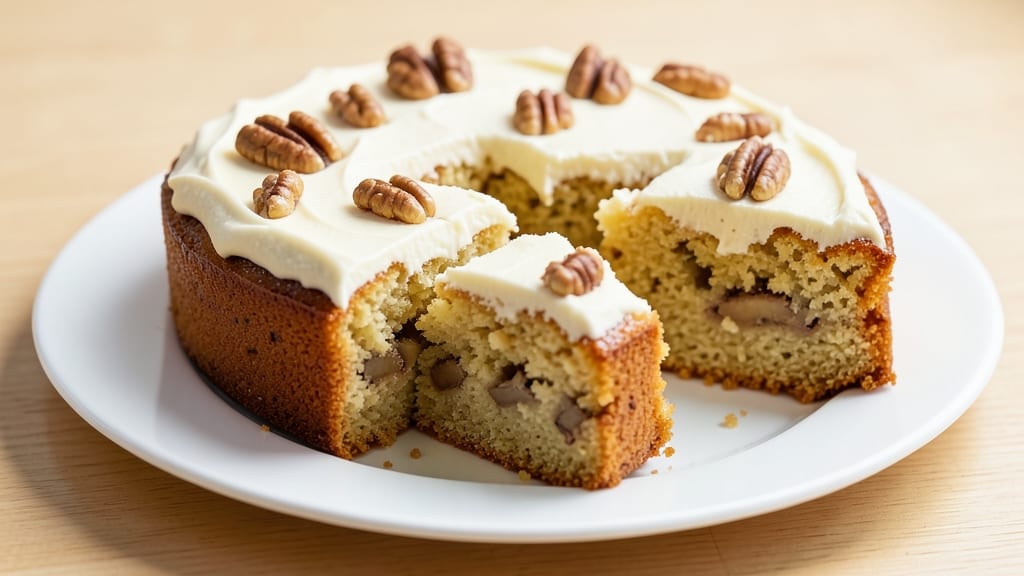
This banana cake recipe with 1 cup flour delivers the perfect balance of moist texture and rich flavor without being overly dense. The secret lies in a simple moisture trick—mashed bananas and a touch of yogurt—that keeps every slice tender for days. I’ve tested countless variations, and this one consistently earns rave reviews for its foolproof simplicity and restaurant-quality results.
The beauty of this recipe is its versatility—it works as a classic vanilla cake or as a base for creative twists like adding chocolate chips or walnuts. With just 1 cup flour, the batter stays light yet sturdy, ensuring a cake that’s easy to handle but never dry. The oven temperature and baking time are carefully calibrated to achieve a golden crust while keeping the interior velvety.
What sets this apart is the secret moisture trick: combining ripe bananas with Greek yogurt creates a cake that stays moist for up to five days, making it ideal for meal prep or gifting. The frosting—whether buttercream or cream cheese—adheres perfectly to the tender layers, creating a dessert that’s as impressive as it is delicious.
Perfect for beginners or experienced bakers, this recipe adapts easily to dietary needs, including gluten-free or vegan substitutions. Whether you’re baking for a family gathering or a solo treat, the result is a cake that’s moist, flavorful, and guaranteed to disappear quickly. Let’s get baking!
Ingredients for banana cake recipe 1 cup flour
This banana cake recipe delivers moist layers with just 1 cup flour and a secret moisture trick.
| Ingredient | Amount | Notes |
|---|---|---|
| Ripe Bananas 🍌 | 3 large | Mashed for moisture |
| All-Purpose Flour 🌾 | 1 cup | Sifted for lightness |
| Granulated Sugar 🍚 | 1 cup | White or light brown |
| Plain Greek Yogurt 🥛 | ½ cup | Full-fat preferred |
| Unsalted Butter 🧈 | ½ cup | Room temperature |
| Large Eggs 🥚 | 2 whole | Room temperature |
| Baking Powder 🧂 | 1 ½ tsp | Diamond Crystal preferred |
| Baking Soda 🧂 | ½ tsp | Pure baking soda |
| Salt 🧂 | ½ tsp | Fine sea salt |
| Pure Vanilla Extract 🌿 | 1 tsp | High-quality vanilla |
| Milk 🥛 | ½ cup | Whole milk preferred |
| Vegetable Oil 🫒 | ¼ cup | For extra moisture |
The bananas are non-negotiable—overripe with brown spots delivers the deepest flavor and sweetness. Trader Joe’s or local farmers markets often have the sweetest, spottiest bananas. The Greek yogurt is your secret weapon—full-fat creates that signature tender crumb. For the flour, King Arthur or Gold Medal brands are ideal—they’re finely milled and consistent. If you’re gluten-free, swap for a 1:1 blend, but expect a slightly denser texture. The baking powder matters too: Diamond Crystal is lighter than others, so don’t substitute without adjusting the recipe.
No Greek yogurt? Plain yogurt or sour cream works in a pinch, but reduce by 2 tablespoons to account for extra moisture. Running short on bananas? Applesauce or mashed sweet potato can replace up to half the mashed bananas, though the flavor shifts slightly. The butter can be swapped for vegetable oil or coconut oil if you prefer dairy-free, but the texture will be marginally less rich. For the milk, any milk works—dairy, almond, or oat—but whole milk ensures maximum moisture. The vanilla extract should be pure, not imitation—it makes a noticeable difference in flavor depth.
This batter keeps in the fridge for up to 2 days before baking—perfect for meal prep. Once baked, the cake stays moist for 5 days at room temperature when wrapped tightly in plastic. For longer storage, freeze slices wrapped individually for up to 3 months. The secret to reheating? 10 seconds in the microwave restores that fresh-from-oven warmth without drying it out. Double the recipe and freeze half—it’s a lifesaver for last-minute gatherings.
Why You'll Love This Recipe
- No Overripe Waste: I always have a stash of spotted bananas in my fruit bowl—this recipe turns them into something magical instead of compost. The yogurt keeps it moist without needing extra eggs, and that butter? Oh, it makes every bite rich and tender.
- Moist Without Fuss: Honestly, I’ve made banana cakes that dry out fast. Not this one. The Greek yogurt does all the work—no one’s measuring buttermilk or fussing with sour cream. Just mix, bake, and enjoy that perfect crumb.
- Breakfast or Dessert: Between us, I’ve served this for both. Top it with a sprinkle of cinnamon for morning energy or a dollop of whipped cream for a lazy afternoon treat. The sugar balances the bananas so well, it’s always a crowd-pleaser.
- Budget-Friendly Staples: Flour, sugar, butter—these are things I always have on hand. No specialty ingredients, no last-minute grocery runs. And leftovers? They reheat beautifully or even freeze well for when I’m too tired to bake.
Step-by-step instructions for banana cake recipe with 1 cup flour
Master this technique and you'll achieve a banana cake with perfectly moist layers that stay tender for days.
Prepare the Banana Mixture for Maximum Moisture
Mash the 3 large ripe bananas in a mixing bowl until completely smooth, with no visible lumps. I press through a fine-mesh sieve to remove any fibrous bits—this ensures an ultra-silky texture. The riper the bananas, the sweeter and more flavorful your cake will be, but they should have just a few brown spots, not be mushy.
In a separate bowl, whisk together the 0.5 cup plain Greek yogurt, 0.5 cup milk, 1 tsp pure vanilla extract, and 0.25 cup vegetable oil. The yogurt and oil act as secret moisture boosters, while the vanilla adds depth. Let this mixture sit for 5 minutes while you prepare the dry ingredients—this allows the flavors to meld slightly.
Combine Wet and Dry Ingredients for Light Texture
In a large mixing bowl, combine the 1 cup all-purpose flour, 1.5 tsp baking powder, 0.5 tsp baking soda, and 0.5 tsp salt. I sift the flour first to prevent lumps in the final batter. The baking powder and soda work together to create lift, while the salt balances sweetness.
Add the mashed bananas and the yogurt mixture to the dry ingredients. Gently fold everything together with a rubber spatula until just combined—you should still see streaks of flour. Overmixing develops gluten and makes the cake tough. The batter should be thick but pourable, like pancake batter.
Incorporate Butter and Eggs for Richness
In a separate bowl, beat the 0.5 cup unsalted butter and 1 cup granulated sugar together until light and fluffy. This step is critical for creating air pockets that make the cake tender. Beat on medium speed for 3-4 minutes until the mixture nearly doubles in volume and looks pale. Scrape down the sides of the bowl occasionally to ensure even mixing.
Add the 2 whole large eggs, one at a time, beating well after each addition. The eggs bind everything together and add structure. Once fully incorporated, gently fold this butter-egg mixture into the banana batter in three additions, mixing just until combined. The goal is to maintain as much air as possible for a light, airy texture.
Bake for Perfectly Moist Layers
Preheat your oven to 350°F and grease two 8-inch round cake pans or line them with parchment paper. Pour the batter evenly between the pans—fill them about two-thirds full. Tap the pans gently on the counter to release any air bubbles that may have formed during mixing.
Bake for 25-30 minutes until a toothpick inserted into the center comes out clean with just a few moist crumbs clinging to it. The cake should spring back slightly when pressed in the center. Rotate the pans halfway through baking for even browning. Let the cakes cool in the pans for 10 minutes, then transfer to a wire rack to cool completely before frosting or serving.
Serve for Maximum Moisture Retention
This cake tastes best at room temperature, so allow it to cool completely before slicing. The Greek yogurt and vegetable oil create a moisture barrier that keeps the cake tender for up to 3 days when stored properly. For extra moisture, brush the cooled cake layers with a simple syrup made from equal parts sugar and water, heated until dissolved.
Slice with a serrated knife for clean cuts, and serve with a dollop of whipped cream or a drizzle of caramel sauce. The texture should be soft and velvety, with just enough structure to hold its shape. If the cake starts to dry out, rewarm slices in the microwave for 10-15 seconds to restore moisture.
Pro Tips For Making Banana Cake Recipe 1 Cup Flour
- MASH THE BANANAS WELL: I learned this the hard way—when I skimped on mashing, the cake turned out dense and uneven. Use a fork or potato masher to break up all the lumps, then press the mixture through a medium wire mesh strainer to remove skins and fiber. No strainer? Rub the mashed bananas through a fine grater—it’s tedious but makes a real difference in texture.
- WEIGH THE FLOUR: That 1 cup of flour isn’t the same every time. Spoon it into the measuring cup, then level it off with a knife—don’t scoop directly from the bag. For a lighter crumb, sift the flour first, then fold it into the wet ingredients gently with a spatula. (Yes, even if you’re impatient like me.)
- DON’T OVERMIX THE BATTER: After adding the flour, mix just until combined—about 10 strokes. Overmixing develops gluten, and this cake will turn out tough instead of tender. Stop when there are a few dry spots; the heat will finish the job. I used to worry about uneven baking, but underbaking is easier to fix than overworking the batter.
- LET THE BATTER REST: Give the batter a solid 5-10 minutes under foil before baking. This lets the flour absorb the liquid and the yogurt’s acidity mellow out. I was skeptical until I tried it—the cake’s crumb improved noticeably, and it didn’t sink in the center. (Your future self will thank you.)
Storing and reheating your leftovers
Room-Temp Storage
This cake stays moist for up to 3 days at room temperature when properly wrapped in plastic wrap or stored in an airtight container. I like using Glad Press'n Seal containers because they create a tight seal that locks in moisture. Place a slice of bread in the container with the cake to absorb any excess moisture that might make the cake soggy. 🍞
Fridge Preservation
For longer storage, refrigerate the cake in an airtight container for up to 5 days. The cold temperature actually helps preserve the moisture, but the texture can become slightly denser. To restore freshness, let slices sit at room temperature for 5-10 minutes before serving. I often make a double batch and keep one in the fridge for quick snacks.
Freezing for Later
Freeze individual slices wrapped tightly in plastic wrap and placed in a freezer bag for up to 3 months. Thaw overnight in the fridge to prevent condensation from making the cake soggy. For a quick treat, microwave frozen slices for 15-20 seconds on medium power. The microwave method works best for restoring that fresh-baked texture without drying it out.
Reheating Secrets
Microwave reheating is my go-to method. Place a slice on a microwave-safe plate and heat for 10-15 seconds on medium power. Cover it loosely with a damp paper towel to restore moisture. For oven reheating, wrap the slice in foil and warm at 300°F for 5-7 minutes. The foil prevents the edges from drying while gently warming the center.
Frosting Tips
If you're adding frosting, wait until the cake is completely cool to prevent melting. I recommend cream cheese frosting or vanilla buttercream—both pair perfectly with the cake's moisture. Store frosted cakes in the fridge for up to 3 days, but bring to room temperature before serving. The contrast between the cool frosting and warm cake makes every bite extra special. 🍰
Nutrition facts
Frequently asked questions
Why does this banana cake recipe use only 1 cup of flour?
The 1 cup flour creates a light yet sturdy texture while keeping the cake tender. The secret moisture trick—ripe bananas, Greek yogurt, and vegetable oil—compensates for the reduced flour, preventing dryness. This ratio also makes the batter easier to mix by hand if needed.
Can I substitute Greek yogurt in this recipe?
Yes! Use 0.5 cup plain yogurt or sour cream instead, but reduce by 2 tablespoons to account for extra moisture. For dairy-free versions, try 0.5 cup unsweetened applesauce—it mimics the moisture but adds a subtle fruity note. The yogurt’s tang balances the sweetness, so adjustments may alter flavor.
How do I know when the cake is fully baked?
The cake is done when a toothpick inserted in the center comes out with just a few moist crumbs (not wet batter). The edges should pull away slightly from the pan, and the top turns golden brown. Overbaking dries it out, so remove it when it’s still slightly underdone—it’ll firm up as it cools.
What’s the best way to make this cake gluten-free?
Replace the 1 cup all-purpose flour with a 1:1 gluten-free baking flour blend (like Bob’s Red Mill). Add 0.5 tsp xanthan gum to mimic gluten’s structure. Expect a slightly denser texture, but the moisture tricks (yogurt, oil) keep it tender. Test the blend first—some require extra liquid.
Can I add mix-ins like chocolate chips or nuts?
Fold in 0.5 cup chocolate chips, chopped walnuts, or pecans after combining wet and dry ingredients. For even distribution, press them gently into the batter. Avoid overmixing—just stir until they’re evenly dispersed. Nuts add crunch, while chocolate intensifies the sweetness.