
Desserts
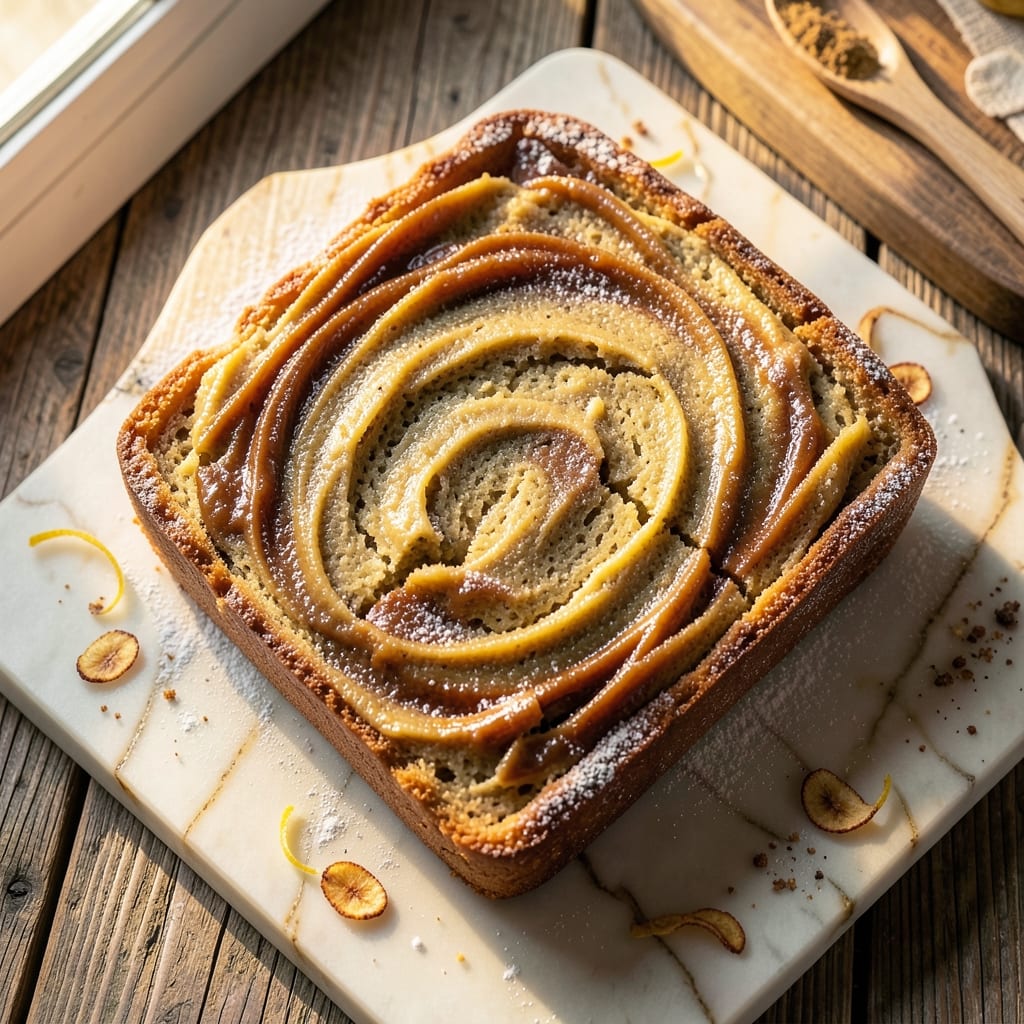
This banana bread sheet cake recipe transforms classic banana bread into a showstopping triple-layered dessert with swirls of banana goodness throughout. The secret to achieving that signature moist texture lies in a few key techniques: ripe bananas, proper mixing, and a strategic layering approach that ensures every bite delivers that familiar comfort-food flavor in a stunning presentation. I've perfected this recipe over years of baking, and it consistently delivers a cake that's both impressive and foolproof.
The beauty of this sheet cake format is its versatility—it's perfect for birthdays, potlucks, or even a cozy weekend treat. Each layer stays tender and rich, while the banana swirls create visual appeal and extra flavor pockets. The recipe uses simple pantry staples, including eggs, butter, and flour, but the magic happens in the preparation: creaming the butter and sugar just right, folding in mashed bananas without overmixing, and baking at the correct temperature to prevent drying.
What you'll end up with is a moist, flavorful sheet cake that looks as beautiful as it tastes, with golden-brown layers and those signature banana swirls peeking through. The cake holds together well when sliced, making it easy to serve, and it pairs perfectly with a simple cream cheese frosting or a dusting of powdered sugar for a no-fuss finish. This recipe is designed to impress without the complexity, ensuring your dessert gets all the attention.
Whether you're a seasoned baker or new to the kitchen, this banana bread sheet cake delivers restaurant-quality results at home. The instructions are clear, the ingredients are accessible, and the outcome is consistently delicious. Let's get started on creating your perfect triple-layered banana bread sheet cake—it's easier than you think!
Ingredients for banana bread sheet cake
Pantry staples meet ripe bananas for this showstopping triple-layered banana bread sheet cake.
| Ingredient | Amount | Notes |
|---|---|---|
| Ripe Bananas 🍌 | 2 cups | Mashed, no lumps preferred |
| Unsalted Butter 🧈 | 1 cup | Softened, not melted |
| Granulated Sugar 🍚 | 1 ½ cups | White or light brown |
| Light Brown Sugar 🍚 | ½ cup | Packed, not leveled |
| Large Eggs 🥚 | 2 whole | Room temperature preferred |
| All-Purpose Flour 🌾 | 2 ½ cups | Sifted, no substitutions |
| Baking Soda 🧂 | 1 tsp | Not baking powder |
| Ground Cinnamon 🌿 | 1 ½ tsp | Freshly ground preferred |
| Ground Nutmeg 🌿 | ½ tsp | Freshly grated nutmeg |
| Salt 🧂 | ½ tsp | Fine sea salt preferred |
| Vanilla Extract 🍯 | 1 tbsp | Pure vanilla preferred |
| Sour Cream 🥛 | ½ cup | Full-fat for moisture |
| Walnuts 🥜 | ½ cup | Chopped, optional topping |
| Powdered Sugar 🍚 | 1 cup | For dusting, optional |
Ripe bananas are non-negotiable here—look for those with dark brown spots and just a little give when squeezed. Trader Joe's and Whole Foods usually have the sweetest ones, but your local grocery store works too if they're at room temperature. The walnuts? Costco sells them in bulk for a steal, but any store-brand chopped walnuts will do. For the flour, sift it before measuring—King Arthur or Gold Medal are my go-tos, but any all-purpose will work. The butter should be soft but not melted—microwave it 30 seconds if it's too firm.
No ripe bananas? Use 1 cup mashed frozen bananas—they're sweeter and work perfectly. Short on sour cream? Substitute Greek yogurt at the same amount. The vanilla extract can be imitation, but pure Madagascar bourbon vanilla takes this cake to the next level. Want extra moisture? Add 2 tbsp melted coconut oil to the butter. For the nutmeg, if you only have whole nutmeg, grate it fresh—it makes a huge difference. And if you're worried about overmixing, trust me, it's impossible to overmix this batter.
This cake keeps beautifully—3 days at room temperature covered loosely, or 1 week refrigerated in an airtight container. For longer storage, freeze the whole cake for up to 3 months. Just thaw overnight at room temperature before serving. The powdered sugar dusting? Do it right before serving—it melts in the heat. And if you're making this ahead for a party, assemble the layers the night before—they'll hold together perfectly.
Why You'll Love This Recipe
- Sheet Pan Simplicity: I swear by this recipe when I’m too tired to pull out a loaf pan—just mix, spread, and bake. The ripe bananas get mashed in one bowl, the butter and sugars melt together in minutes, and you’re done before your coffee’s cold.
- Moist Magic: That combo of brown sugar and granulated sugar? It keeps this cake tender for days. The eggs bind it just right, and the bananas add natural sweetness without needing extra sugar—trust me, it’s the kind of flavor that makes people ask for seconds.
- Budget-Friendly Staples: You’re using pantry basics here—ripe bananas you’d otherwise toss, butter, sugar, and eggs. It’s a great way to use up ingredients without breaking the bank, and leftovers? They reheat perfectly in the microwave or toaster oven.
Step-by-step instructions for triple-layered banana bread sheet cake
Here's how to create a decadent, moist cake with perfect banana swirls every time.
Prepare the Banana Filling and Mix the Cake Batter
Start by mashing the 2 cups ripe bananas until completely smooth with no lumps—this ensures even distribution in the swirls. Set aside. In a large mixing bowl, combine the 1 cup softened unsalted butter with the 1.5 cups granulated sugar and 0.5 cup packed light brown sugar. Beat on medium speed until light and fluffy, about 3-4 minutes. This step is crucial for aerating the batter and creating that signature tender texture.
Add the 2 whole large eggs, one at a time, mixing well after each addition. Stir in the 1 tbsp vanilla extract and 0.5 cup sour cream. In a separate bowl, whisk together the 2.5 cups all-purpose flour, 1 tsp baking soda, 1.5 tsp ground cinnamon, 0.5 tsp ground nutmeg, and 0.5 tsp salt. Gradually fold the dry ingredients into the wet mixture until just combined—overmixing develops gluten and can make the cake dense.
Assemble the Triple Layers with Banana Swirls
Preheat your oven to 350°F and grease three 9x13-inch sheet pans with butter or baking spray. Spread half of the cake batter evenly into the first pan, then dollop ⅓ of the mashed bananas in a zigzag pattern across the surface. Use a knife to swirl the bananas gently through the batter, creating marbled streaks. Repeat this process with the second pan, then the third.
Top each layer with the remaining batter, spreading it evenly. Sprinkle the 0.5 cup chopped walnuts evenly over the top layer if using. Bake the pans simultaneously for 25-30 minutes, or until a toothpick inserted in the center comes out clean. The edges should be golden brown, and the top should spring back when gently pressed.
Cool and Dust with Powdered Sugar
Remove the sheet cakes from the oven and let them cool in the pans for 10 minutes. This brief cooling period prevents the cakes from cracking as they transfer. Using a sharp offset spatula, carefully lift each cake onto a wire rack to cool completely. The cakes will pull away from the edges of the pan more easily if you run the spatula along the sides first.
Once fully cooled, dust the top of each layer generously with 1 cup powdered sugar using a fine-mesh sieve. This step adds a beautiful finishing touch and balances the rich, spiced flavors. For serving, you can stack the layers with a thin layer of frosting or whipped cream between each, or serve them individually for a rustic presentation.
Pro Tips For Making Banana Bread Sheet Cake
- Mash Bananas Like You Mean It: I learned this the hard way—over-mashing bananas turns your batter into a pancake slurry. Use a fork to break them up just until smooth, leaving a few tiny lumps. That texture keeps the cake tender without making it dense. (Yes, even if you're impatient like me.)
- Cream Butter and Sugars Slowly: Skip the high-speed mixer here—start with the butter and sugars at room temp, then beat on medium for 3-4 minutes. You want a light, fluffy ribbon stage, not a thick paste. If your butter’s too cold, the cake will turn out greasy. (Your future self will thank you.)
- Don’t Overmix the Batter: Once you fold in the dry ingredients, stop mixing after one turn through. Overmixing develops gluten, and your sheet cake will turn out tough instead of moist. If the batter looks streaky, that’s fine—it’ll smooth out in the oven.
- Check Oven Temp Mid-Bake: Sheet cakes can trick you—hot spots turn edges brown while the center stays underdone. After 20 minutes, rotate the pan and check the temp with an instant-read thermometer. Pull it at 190-195°F (200°F is dry). If the edges are dark but the middle’s still jiggly, tent it with foil for the last 5 minutes.
Common mistakes when making this dish
Overmixing the Batter
This is the most common mistake I see, and it completely ruins the texture. Once you've folded in the dry ingredients, stop mixing immediately—just until everything is combined. Overmixing develops gluten, which creates a tough, dense cake instead of the tender, moist texture you want. I've ruined more cakes than I'd admit by keeping the mixer going "just a little longer." Trust your eyes: the batter should look slightly streaky, not smooth. 🥄
Skipping the Cooling Phase
Rushing to transfer the cake from the pan too soon is a recipe for disaster. Let those layers cool in the pan for at least 10 minutes before moving them to a wire rack. This prevents cracking and makes them easier to lift. I've seen beautiful cakes turn into sad, broken messes when someone can't wait for that cooling period. Patience here pays off big time.
Uneven Banana Distribution
The banana swirls should be evenly distributed throughout each layer, not just clumped in one corner. Dollop the mashed bananas in a zigzag pattern and use a knife to gently swirl them through the batter. If you're too heavy-handed, you'll end up with banana-heavy sections and plain cake elsewhere. I like to use a butter knife for this—it gives me better control than a spatula. 🍌
Incorrect Oven Temperature
Your oven might run hot or cold, so always test it before baking. If the temperature is off by even 25°F, your cake could end up dry or underbaked. I recommend baking at 350°F as written, but if your oven runs hot, reduce it to 325°F. A simple oven thermometer (like the Thermoworks Oven Thermometer) can save you from ruined batches. The edges should be golden brown, and a toothpick should come out clean.
Not Greasing the Pans Properly
Greasing your sheet pans isn't just about preventing sticking—it ensures even baking and easy release. Use butter or baking spray and
Ignoring the Ripe Bananas
This is a dealbreaker. Overripe bananas with dark brown spots are essential—they're sweeter and add natural moisture to the cake. If your bananas aren't ripe enough, the cake will taste bland and dry. I keep a bowl of bananas on my counter year-round so they're always ready. Pro tip: If you're in a hurry, microwave frozen bananas for 30 seconds to soften them before mashing. They work just as well!
Nutrition facts
Frequently asked questions about banana bread sheet cakes
Can I make this recipe with fewer layers?
For a single-layer version, use one 9x13-inch sheet pan and reduce the batter by ⅓. The same techniques apply—just spread the batter evenly, add the banana swirls, and bake for 25-30 minutes at 350°F. It’s perfect for smaller gatherings or when you want a simpler presentation.
How do I store leftovers?
Keep your sheet cake at room temperature in an airtight container for up to 3 days. For longer storage, refrigerate for 1 week or freeze for 3 months. Thaw frozen cake overnight in the fridge—never at room temperature to prevent sogginess. Dust with powdered sugar just before serving for freshness.
What's the best way to frost this cake?
For a classic touch, use a cream cheese frosting or vanilla buttercream between layers. If you prefer no frosting, dust with powdered sugar and add chopped walnuts or pecans for crunch. Pro tip: Spread frosting thinly—this cake is moist enough to stand alone, and too much frosting can make it soggy.
Can I substitute other fruits?
Yes! Swap bananas for mashed apples or pears (reduce by ¼ cup due to moisture differences) or add ½ cup blueberries to the batter. For tropical flavor, try mango or pineapple—just ensure they’re fully drained if canned. Adjust baking time if using juicier fruits, as they may require 5-10 minutes less.
Why did my cake crack?
Cracking usually happens from cooling too quickly or overbaking. Let the cake cool in the pan for 10-15 minutes before transferring, and check doneness with a toothpick—it should come out clean but slightly moist. If cracks appear later, they’re often cosmetic. For extra insurance, brush warm layers with simple syrup before assembling.