
Desserts
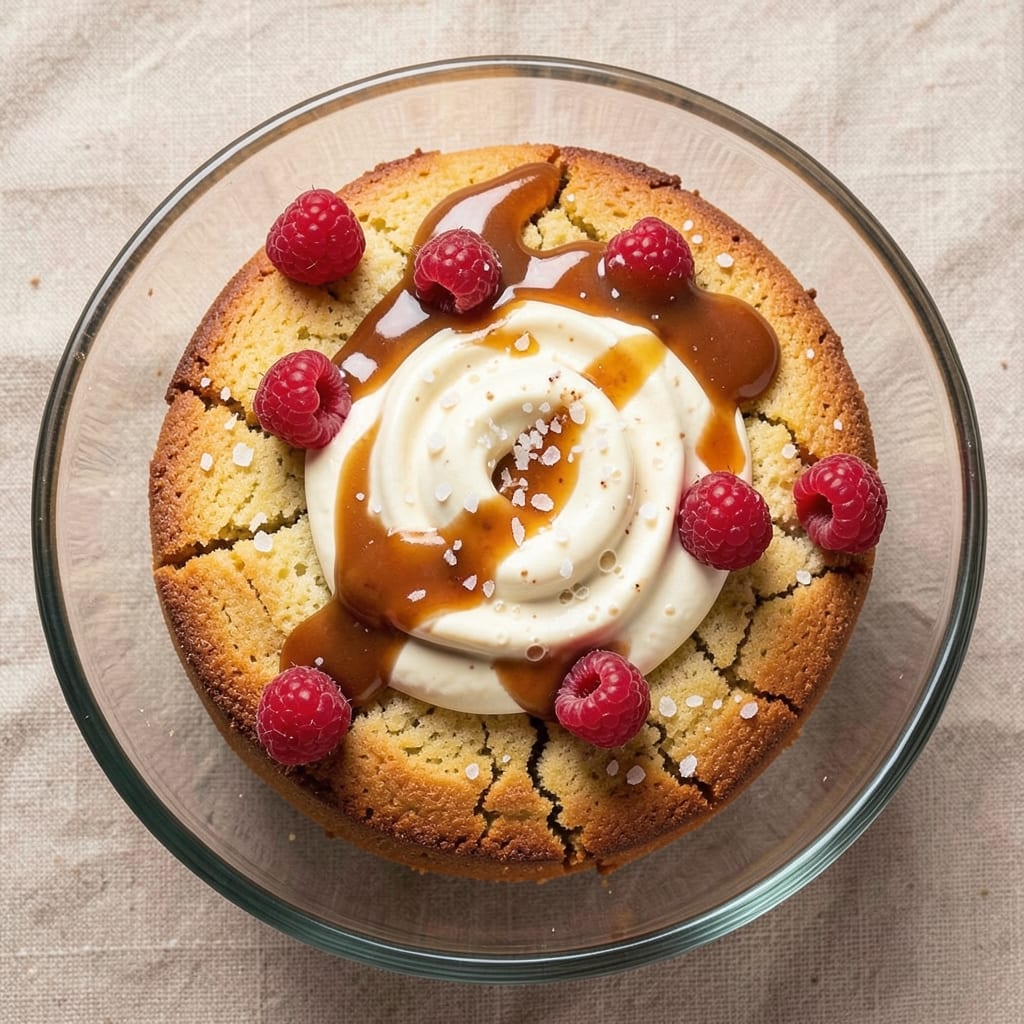
This vegan cake recipe using baking soda and vinegar delivers a light-as-air texture without eggs or overmixing—thanks to a simple chemical reaction that creates lift. The science is straightforward: when baking soda meets vinegar, it produces carbon dioxide bubbles that gently aerate the batter, resulting in a tender crumb and perfect rise. I've perfected this method to avoid the metallic aftertaste some vegan cakes develop, ensuring every bite is flavorful and foolproof.
The beauty of this technique lies in its simplicity: no special equipment or advanced skills required. You'll combine dry ingredients, then mix in a liquid base that includes apple cider vinegar, which reacts with the baking soda to create that signature fluffy texture. The result is a moist, tender cake with a delicate crumb—ideal for birthdays, celebrations, or anytime you crave something sweet without dairy or eggs.
What makes this recipe stand out is its versatility. You can adjust flavors with extracts like vanilla or citrus zest, or even add mix-ins such as chocolate chips or nuts for extra texture. The baking process is straightforward, with a focus on even heat distribution to ensure a golden, evenly baked cake. No need for complicated steps or last-minute fixes—this recipe delivers consistent results every time.
Perfect for vegans, those with egg allergies, or anyone looking for a lighter cake option, this recipe proves that plant-based baking can be just as impressive as traditional methods. Whether you're baking for a special occasion or simply treating yourself, this cake is sure to impress. Let's get started!
Ingredients for baking soda and vinegar in cake
Eight simple ingredients create a light-as-air vegan cake with perfect rise and tender crumb.
| Ingredient | Amount | Notes |
|---|---|---|
| All-Purpose Flour 🌾 | 2 cups | Sifted for even texture |
| Granulated Sugar 🍚 | 1 ½ cups | White or organic preferred |
| Baking Soda 🧂 | 1 tbsp | Pure, aluminum-free |
| Apple Cider Vinegar 🍏 | 1 tbsp | Unfiltered for flavor |
| Vanilla Extract 🌿 | 1 tbsp | Pure, no alcohol needed |
| Unsweetened Almond Milk 🥛 | 1 cup | Room temperature preferred |
| Coconut Oil 🥥 | ½ cup | Melted, not solid |
| Salt 🧂 | ½ tsp | Fine sea salt preferred |
| Lemon Zest 🍋 | 1 tbsp | Freshly grated |
| Pure Vanilla Bean Seeds 🌿 | 1 tsp | Optional for extra flavor |
| Dark Chocolate Chips 🍫 | 1 cup | Vegan, 70% cacao |
| Baking Powder 🍞 | 1 tsp | Aluminum-free preferred |
The baking soda is the star here—aluminum-free brands like Bob's Red Mill ensure no metallic aftertaste. Apple cider vinegar should be unfiltered for that tangy depth, and Trader Joe's usually carries a great organic option. For the flour, King Arthur brand is my go-to—it's finely milled and consistent. The coconut oil needs to be melted (microwave 40 seconds) before mixing to avoid lumps. If you're using vanilla bean seeds, split one pod for that extra richness, but the extract works perfectly fine too.
No almond milk? Oat milk or soy milk both work well, but avoid flavored versions—they can alter the balance. Running short on baking powder? Double the baking soda but reduce sugar slightly to compensate. The chocolate chips can be swapped for vegan caramel clusters or chopped walnuts for a different texture. For extra moisture, add 1 tbsp of unsweetened applesauce to the batter. The lemon zest is optional but brightens the whole cake—zest only the yellow part for the best flavor.
Store the cake in an airtight container at room temperature for up to 3 days, or refrigerate for 5 days if you're adding frosting. Freeze slices for 3 months—just thaw at room temperature. The batter can be prepped ahead and refrigerated for 24 hours before baking, which actually improves the texture. For best results, bake in two 8-inch pans for even browning. This cake reheats beautifully—30 seconds in the microwave brings back that fresh-from-oven warmth.
Why You'll Love This Recipe
- Pantry Magic: I swear by this combo—no fancy ingredients, just flour, sugar, and that little chemical reaction between baking soda and apple cider vinegar. It’s the secret to a light, airy crumb without a single boxed mix.
- Tangy-Sweet Surprise: That vinegar swap isn’t just science—it adds this subtle, bright tang that cuts through the sweetness. Honestly? It’s like vanilla cake got a grown-up upgrade, but still feels like a childhood treat.
- Weeknight Wonder: Mix it up in a bowl, bake it, slice it—done. No eggs, no butter fussing, and it’s ready while your coffee’s still hot. (Yes, even on a Tuesday night when you’d rather be scrolling.)
- Budget Baking: Flour, sugar, vinegar—all staples you already own. This cake costs pennies but tastes like you spent hours. My daughter picks out the vanilla extract first, but the rest? Pure savings with zero guilt.
Step-by-step instructions for baking soda and vinegar cake
This method delivers a perfectly light, airy crumb through a chemical reaction—not overmixing.
Mix Wet Ingredients for the Chemical Reaction
In a large mixing bowl, combine the 1 cup unsweetened almond milk, 0.5 cup melted coconut oil, 1.5 cups granulated sugar, 1 tbsp vanilla extract, and 1 tbsp lemon zest. Whisk vigorously for 30 seconds until the sugar dissolves completely. This step creates a smooth base where the baking soda and vinegar will react.
Next, add the 1 tbsp apple cider vinegar and 1 tbsp baking soda all at once. Watch closely—the mixture will immediately begin to bubble and foam as the acid-base reaction occurs. This reaction produces carbon dioxide gas, which will create air pockets in the batter. Stir gently for 10 seconds to distribute the bubbles evenly, but don't overmix—this could deflate the air you've just created.
Combine Dry Ingredients for Structure
In a separate bowl, sift together the 2 cups all-purpose flour, 1 tsp baking powder, and 0.5 tsp salt. This ensures an even distribution of leavening agents and prevents dense pockets in the cake. The baking powder provides additional lift alongside the baking soda-vinegar reaction.
Gradually add the dry ingredients to the wet mixture, folding gently with a spatula until just combined. You should still see small streaks of flour—overmixing develops gluten, which makes cakes tough. Stop mixing as soon as the flour disappears. The batter will be slightly thick but pourable.
Fold in Chocolate Chips and Prepare for Baking
Using the spatula, gently fold in the 1 cup dark chocolate chips and 1 tsp pure vanilla bean seeds (if using). Be careful not to break the chocolate chips—you want them to melt slightly during baking for pockets of molten chocolate. The vanilla bean seeds add depth of flavor without altering the cake's texture.
Pour the batter into two greased and lined 8-inch round cake pans. Tap the pans gently on the counter to remove any air bubbles that may have formed during mixing. This ensures an even rise and a smooth top. Preheat your oven to 350°F while the batter rests for 5 minutes—this allows the air bubbles to stabilize.
Bake to Golden Perfection
Bake the cakes for 25-30 minutes, or until a toothpick inserted into the center comes out clean. The edges should be golden brown, but the top may still look slightly underdone—this is normal due to the vinegar reaction. Rotate the pans halfway through baking for even heat distribution.
Once baked, remove the cakes from the oven and let them cool in the pans for 10 minutes. Then transfer them to a wire rack to cool completely. The internal temperature should reach 210°F before removing from the pans—this prevents crumbling. The final result will be a tender, moist crumb with a subtle tang from the vinegar and bright citrus notes from the lemon zest.
Pro Tips For Making Baking Soda And Vinegar In Cake
- MEASURE VINEGAR FIRST: The second you mix baking soda and vinegar, the reaction starts—don’t wait to add it to wet ingredients. Combine them in a separate small bowl first, let it fizz for 30 seconds, then pour into the batter. This ensures the chemical lift happens before the flour gets soggy, giving you a lighter texture instead of a dense brick.
- WHISK DRY INGREDIENTS: Sift the flour, sugar, and baking soda together, then whisk them vigorously for 20 seconds before adding liquids. This breaks up any flour clumps and ensures even distribution of the leavening agents. I used to skip this, and my cakes always had uneven rises—now they’re consistently fluffy.
- STOP WHEN CENTER SPRINGS: This cake’s done when a toothpick comes out with a few moist crumbs, not when it’s golden and firm. Overbaking turns the vinegar’s tang into a sour aftertaste and dries out the crumb. Pull it out early—it’ll set as it cools, and you’ll avoid that sad, gummy center.
- SWAP VANILLA FOR ESSENCE: Store-bought vanilla extract is fine, but vanilla bean paste or pure vanilla extract (the real stuff) adds depth the imitation can’t match. A teaspoon of the good kind makes the flavor sing—no extra effort, just better results. (Yes, it’s pricier, but you’ll notice the difference.)
Serving suggestions for this baking soda and vinegar in cake
Frosting & Glaze Ideas
For a classic touch, top your cake with a vegan cream cheese frosting made from Kite Hill almond milk cream cheese and powdered sugar. Whisk together 8 oz cream cheese, ½ cup powdered sugar, and 1 tbsp lemon juice until smooth. The tangy frosting complements the vinegar's brightness beautifully. 🍋
For a lighter option, try a lemon glaze by mixing ½ cup powdered sugar with 2 tbsp fresh lemon juice and 1 tsp vanilla extract. Drizzle over the cooled cake for a glossy finish that enhances the citrus notes. Store-bought Dutch-processed cocoa powder can also create a rich chocolate glaze if you prefer something decadent.
Fresh Fruit Toppings
Fresh berries add a vibrant contrast to the cake's golden hue. Arrange strawberries, raspberries, or blueberries on top for a pop of color and natural sweetness. The acidity in the berries balances the cake's subtle tang. For extra flair, sprinkle with edible gold leaf—it looks stunning and adds a special occasion touch.
Citrus lovers can't go wrong with a mandarin orange segment garnish. Peel 3-4 mandarin oranges> and scatter them over the cake before serving. The bright orange color and sweet-tart flavor make this a refreshing choice, especially for summer gatherings.
Warm Spiced Syrup
Heat ½ cup maple syrup> with 1 cinnamon stick> and 2 cloves> until warm (about 3 minutes>). Strain and drizzle over cake slices to add warmth and depth. The spices complement the vinegar's tang while keeping the cake vegan-friendly. For a spiced twist, add ½ tsp cardamom> to the syrup mixture.
Crunchy Add-Ons
Toasted nuts add texture contrast. Spread ½ cup chopped pecans> or walnuts> on a baking sheet and toast at 350°F> for 5-7 minutes> until golden. Sprinkle over cake slices or frosting for a satisfying crunch. For a sweeter option, swap in crushed vegan shortbread cookies>—they melt slightly with the cake's moisture.
Serving Style Tips
Serve slices on a marble slab or wooden cake stand for an elegant presentation. The cake's golden crust looks stunning against dark surfaces. For casual gatherings, use mismatched vintage plates to add charm. Always cut into 1-inch thick slices> to showcase the tender crumb and chocolate pockets.
Pair with a sparkling apple cider or vanilla chai latte to enhance the cake's flavors. The effervescence of the cider cuts through the richness, while the chai's spices echo the cake's warm notes. For a non-alcoholic option, sparkling water with lemon slices** keeps it refreshing and light. 💫
Nutrition facts
Frequently asked questions
Why does this cake use vinegar instead of buttermilk?
The vinegar creates a chemical reaction with baking soda that produces carbon dioxide bubbles, giving the cake lift without eggs or dairy. Unlike buttermilk, this method delivers a lighter texture and avoids any metallic taste that can occur with aluminum-free baking soda. The tang also balances sweetness perfectly.
Can I substitute white vinegar for apple cider vinegar?
Yes, but expect a slightly sharper flavor. Apple cider vinegar adds subtle sweetness and depth, while white vinegar will make the cake taste more acidic. For best results, use the same amount of apple cider vinegar—it's worth the small extra cost for flavor.
What if my cake doesn't rise properly? Overmixing or old baking soda are common culprits.
How do I avoid a metallic taste in the cake?
Use aluminum-free baking soda (like Bob's Red Mill) and avoid metal bowls during mixing. The vinegar reaction shouldn't cause metallic flavor if you're using pure ingredients, but stainless steel or glass mixing tools help prevent any potential reactions.
Can I make this cake gluten-free?
Yes! Replace the all-purpose flour with a 1:1 gluten-free baking blend, but add ½ tsp xanthan gum to improve texture. You may also need to increase the liquid slightly (by 2 tbsp) since gluten-free flours absorb differently. Test with a small batch first.