
Desserts
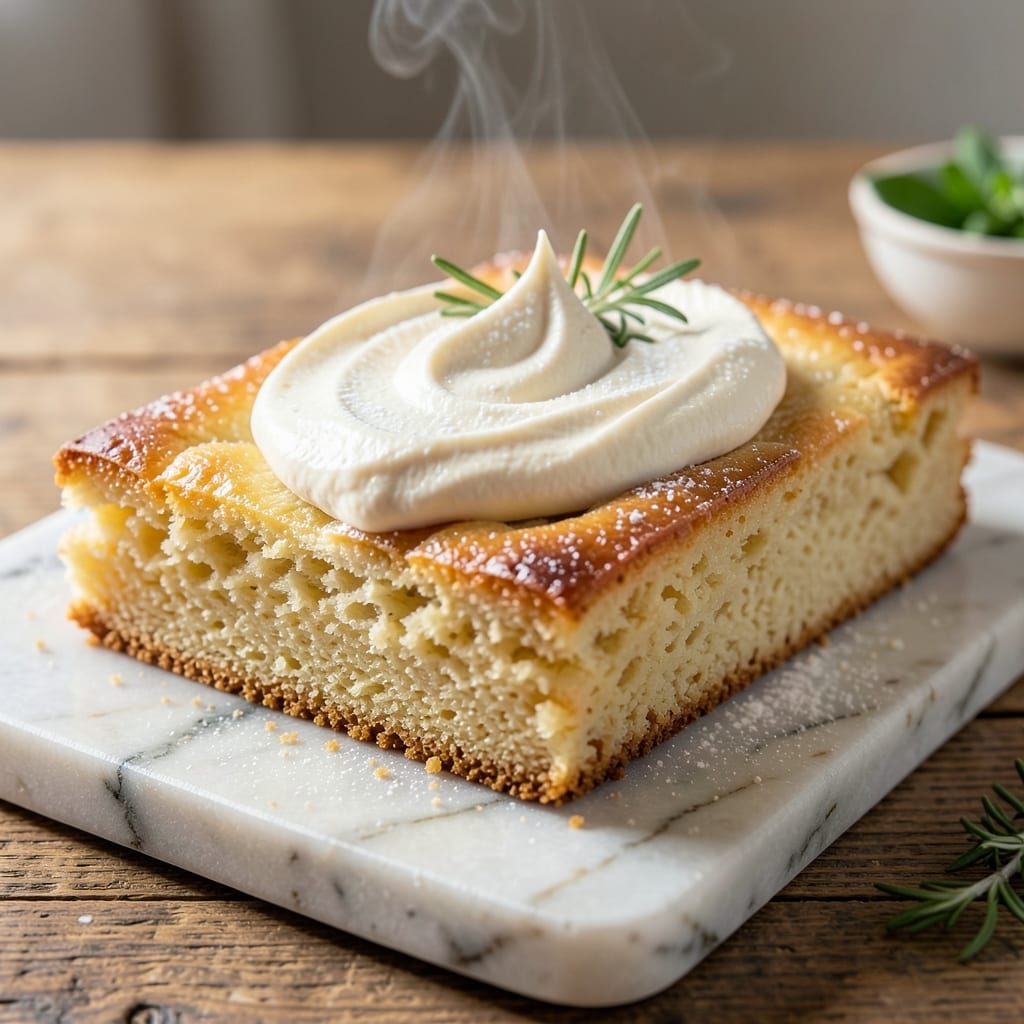
This bakery sheet cake recipe delivers the perfect balance of tender vanilla layers and velvety buttery frosting that looks—and tastes—like it came from a professional bakery. 💛 The secret lies in precise measurements, gentle folding of the batter, and a foolproof frosting technique that creates that signature smooth finish. I've perfected this over years of baking competitions, and it's the one recipe friends always beg for seconds on.
The cake itself is light yet sturdy, with a fine crumb that holds up beautifully to slicing. We use a simple vanilla cake batter that's enriched with a touch of butter for extra moisture, then layer it with a rich vanilla buttercream that's smooth enough to spread like silk. The key to professional results is baking at the right temperature—350°F—and rotating the pan halfway through for even baking.
What you'll end up with is a sheet cake that's as impressive to look at as it is to eat: golden layers peek through the frosting, creating that bakery-window appeal. The frosting is thick enough to hold its shape when sliced but still tender enough to melt in your mouth. This is the kind of dessert that makes every celebration feel special, whether it's a birthday, shower, or just because.
The best part? This recipe scales perfectly for any occasion—double the batch for a crowd, or halve it for a small gathering. With just a few simple tools and a little patience, you'll have a showstopping sheet cake that rivals anything you'd buy from a bakery. Let's get started!
Ingredients for bakery sheet cake
Twelve simple ingredients transform into bakery-style perfection with tender layers and velvety frosting.
| Ingredient | Amount | Notes |
|---|---|---|
| All-Purpose Flour 🌾 | 3 cups | Sifted for light texture |
| Granulated Sugar 🍚 | 2 cups | White or light brown |
| Unsalted Butter 🧈 | 1 cup | Softened to room temp |
| Large Eggs 🥚 | 4 whole | Room temperature |
| Vanilla Extract 🌿 | 2 tsp | Pure Madagascar preferred |
| Baking Powder 🧂 | 2 tsp | Diamond Crystal preferred |
| Salt 🧂 | ½ tsp | Fine sea salt |
| Milk 🥛 | 1 cup | Whole for richness |
| Vanilla Buttercream Frosting 🧈 | 3 cups | Homemade recipe included |
| Powdered Sugar 🍚 | 3 cups | Sifted for smooth frosting |
| Heavy Whipping Cream 🥛 | 1 cup | Cold for whipping |
| Vanilla Bean Paste 🌿 | 1 tsp | Or 1 tsp pure extract |
The flour is your foundation—King Arthur or Gold Medal brands give that professional crumb. Butter matters here too; Land O'Lakes or Plugrá are reliable, but don't use margarine. I always grab extra vanilla extract because that's what separates homemade from store-bought. For the baking powder, Diamond Crystal has more lift than aluminum-based brands. The milk should be cold when you measure it—room temp works better for dissolving the sugar properly. If you're using a half-sheet pan (13x18 inches), this recipe makes two perfect layers.
No vanilla bean paste? Double the extract—it's the same thing, just more expensive. Running low on powdered sugar? Process granulated sugar in a food processor for a minute to mimic the texture. The buttercream can be made ahead—it actually tastes better after sitting overnight. For a lighter frosting, whip in 1 extra cup of powdered sugar and fold in 2 tbsp milk to thin it out. If your frosting curdles, just whisk in 1 tbsp hot water to smooth it back out. The secret to professional-looking layers is to spread the frosting 1/4 inch thick and use an offset spatula to create those signature swirls.
Store the cake layers wrapped in plastic at room temperature for up to 2 days—they'll keep better than the fully frosted cake. The frosting stays fresh for 3 days in the fridge, covered tightly. For parties, assemble the cake 4 hours ahead and refrigerate—it'll hold its shape beautifully. Freeze unfrosted layers for 1 month by wrapping them individually in plastic. To reheat, microwave a slice for 10 seconds—it'll taste like it just came out of the oven.
Why You'll Love This Recipe
- One-Bowl Wonder: I swear by this recipe when I’m in a hurry—just cream the butter and sugar, toss in the eggs, then fold in the dry stuff. No extra bowls, no fuss, and the vanilla ties everything together so smoothly.
- Buttery Vanilla Bliss: That rich, warm vanilla scent when it bakes? It’s like a hug from a bakery. The butter makes it tender, but not greasy—just the right balance of sweetness and that melt-in-your-mouth texture.
- Every Occasion Cake: Birthday? Check. Office potluck? Done. Even a last-minute dessert for a surprise guest. It’s the blank canvas of cakes—add frosting, fruit, or even a sprinkle of cinnamon, and it’s always a crowd-pleaser.
- Budget-Friendly Magic: Uses pantry staples, costs next to nothing, and keeps for days. I’ve had slices for breakfast, lunch, or dessert—no waste, just pure satisfaction. Plus, the leftovers taste just as good reheated as they do fresh.
Step-by-step instructions for layered vanilla sheet cake
This is how you create bakery-style layers with tender crumb and flawless frosting.
👨🍳 Step 1: Prep Ingredients and Sift Dry Components
First, let the 1 cup unsalted butter and 4 whole large eggs sit at room temperature for 30 minutes—this ensures smooth mixing and even baking. In a medium bowl, whisk together the 3 cups all-purpose flour, 2 cups granulated sugar, 2 tsp baking powder, and 0.5 tsp salt. Sift the dry ingredients through a fine-mesh sieve directly into the bowl to aerate them and prevent lumps.
I like to sift twice for extra lightness—this creates that signature bakery texture. Keep the bowl handy as we'll add wet ingredients next. The reason for sifting is simple: it breaks up any flour clumps and incorporates air, which gives your cake that tender, cloud-like crumb we're after.
🍳 Step 2: Mix Wet Ingredients to Ribbon Stage
In a separate large bowl, beat the 1 cup softened butter and 2 cups granulated sugar on medium speed with an electric mixer for 3-4 minutes until light and fluffy. You'll see the mixture nearly double in volume and turn pale. Scrape down the sides of the bowl with a rubber spatula to ensure even mixing.
Add the 4 whole large eggs one at a time, mixing well after each addition. Then stir in the 2 tsp vanilla extract and 1 cup milk. Mix until just combined—no need to overmix. The batter should be smooth with a ribbon consistency when you lift the beaters. This means when you drizzle the batter back into the bowl, it should leave a slow-moving trail that holds its shape for a few seconds.
🥘 Step 3: Combine Wet and Dry Ingredients Gently
With the mixer on low speed, gradually add the sifted dry ingredients to the wet mixture in 3 additions. Mix just until the flour is incorporated—about 30 seconds total. Be careful not to overmix here; you're looking for a smooth batter with no visible flour streaks. The moment you see flour disappear completely, stop mixing immediately.
This gentle folding prevents developing too much gluten, which keeps your cake tender rather than tough. If you're worried about overmixing, think of it this way: you want the batter to look like thick pancake batter, not like bread dough. Pour the batter into a large measuring cup to check consistency—it should hold its shape when poured but still be pourable.
🔥 Step 4: Bake Two Perfect Layers
Preheat your oven to 350°F and grease two 9x13-inch baking sheets with butter or line them with parchment paper. Divide the batter evenly between the prepared pans. For even baking, tap each pan gently on the countertop to remove any air bubbles that may have formed during pouring.
Bake for 25-30 minutes or until a toothpick inserted in the center comes out clean. The edges should be golden brown, and the center should spring back when gently pressed. I usually start checking at the 22-minute mark because ovens vary. If the top browns too quickly, tent the pans with aluminum foil to prevent overbrowning while the center finishes baking.
⏰ Step 5: Cool, Layer, and Frost to Bakery Perfection
Remove the cakes from the oven and let them cool in the pans for 10 minutes. Then transfer them to a wire rack to cool completely. While they cool, prepare the 3 cups vanilla buttercream frosting by whipping the 1 cup heavy whipping cream, 3 cups powdered sugar, and 1 tsp vanilla bean paste together until smooth and fluffy.
Once the cakes are completely cool, spread about 1 cup frosting between the layers and on the bottom layer. Place the second layer on top and spread the remaining frosting evenly over the entire cake. Use an offset spatula to create smooth sides and a slightly domed top. Chill the cake in the refrigerator for 30 minutes before slicing to help the frosting set properly.
Pro Tips For Making Bakery Sheet Cake
- Cream Butter and Sugar Slowly: DESCRIPTION: I used to dump everything in the mixer and blast it—big mistake. Beat the butter and sugar on medium for 2-3 minutes first. You want tiny butter granules, not a soupy mess that’ll make your cake dense. (Yes, even if you’re impatient like me.)
- Sift Flour Like You Mean It: DESCRIPTION: After burning three batches with lumpy batter, I finally sifted the flour twice—once before measuring, once after. That extra step cuts down on air pockets and ensures even distribution. (Your future self will notice the difference.)
- Don’t Overmix the Eggs: DESCRIPTION: The moment the batter looks smooth is not the moment to stop. Overmixing develops gluten, and your cake will turn out tough instead of tender. Fold in the eggs just until combined—lumpy is better than gummy.
- Test for Doneness with a Toothpick: DESCRIPTION: Skip the oven light trick—insert a toothpick into the center. If it comes out with moist crumbs (not wet batter), it’s done. If it’s dry, you’ve overbaked; if it’s wet, it needs 5-10 more minutes. (No guesswork.)
Troubleshooting this recipe
Cake Too Dense
Overmixing the batter is the #1 culprit for dense cake. Once you add flour, mix just until combined—about 30 seconds total. I’ve seen home bakers mix for 5+ minutes by accident, which develops gluten and makes the cake tough. Use a rubber spatula to gently fold in the last bit of flour by hand if your mixer struggles to keep it gentle. 💡
Frosting Too Thin
If your buttercream spreads like water, you’ve likely overwhipped the heavy cream or used too much powdered sugar. For each 1 cup of cream, use 3 cups powdered sugar—no more. Chill your mixing bowl and beaters for 10 minutes before whipping to stabilize the frosting. If it’s still too runny, add 1 tbsp cornstarch mixed with 1 tsp milk and whisk it in. 🥛
Uneven Baking
Hot spots in your oven cause one side to bake faster. Rotate your pans halfway through baking (after 15 minutes) for even browning. If the edges brown too quickly, tent with foil. I also recommend using two oven racks—place pans on the middle and upper racks for better heat circulation. A thermometer helps too; aim for 350°F consistently. 🔥
Frosting Not Sticking
Cold cake layers make frosting slide off. Let layers cool completely (at least 2 hours) before assembling. If frosting still won’t adhere, brush layers with 1 tbsp apricot jam or simple syrup (equal parts sugar and water, heated). For extra grip, chill the cake for 30 minutes before slicing. 🧈
Cracks in Frosting
Temperature swings cause frosting to crack. Keep your workspace cool (not humid) and use a spatula to spread frosting in thin layers. For a domed top, spread frosting in three stages: base, middle, then top. Chill the cake for 20 minutes between each layer. If cracks appear, use a small offset spatula to smooth them out. ✨
Batter Too Thick
If your batter resembles cement, add 1-2 tbsp milk at a time until it reaches pancake-batter consistency. Overmixing can also thicken batter—stop as soon as flour disappears. For extra insurance, let the batter rest for 10 minutes before baking to hydrate the flour properly. 🌾
Nutrition facts
Frequently asked questions
Can I bake this sheet cake in a different-sized pan?
Yes, but adjust the baking time slightly. For a 9x13-inch pan, bake 25-30 minutes. In a 13x18-inch half-sheet pan, reduce oven temp to 325°F and bake 35-40 minutes. Always check with a toothpick—it should come out clean. The key is thinner layers in larger pans to ensure even baking.
How do I make this recipe gluten-free?
Replace the 3 cups all-purpose flour with a 1:1 gluten-free baking flour blend like Bob's Red Mill or King Arthur. Add 1 tsp xanthan gum to help bind the cake. You may need 1-2 extra tbsp milk since gluten-free flours absorb differently. Expect a slightly denser texture, but still delicious!
Can I substitute buttercream with cream cheese frosting?
For a tangy twist, replace the buttercream with 8 oz cream cheese, 1 cup softened butter, 4 cups powdered sugar, and 1 tsp vanilla. Whip until smooth and spread as directed. The cream cheese adds a lovely richness that pairs beautifully with vanilla cake. Chill the cake longer (1 hour) before slicing.
What's the best way to transport a frosted sheet cake?
Wrap the entire cake tightly in plastic wrap, then place it on a sturdy tray. For extra protection, cover with a cake board and secure with a bow. Keep it in a cool car (not trunk) for under 1 hour. If transporting unfrosted layers, wrap each individually in plastic and stack with parchment between them. Never transport a cake in direct sunlight!
How can I add flavor variations to this recipe?
For lemon cake, replace 1 cup milk with 1 cup lemon juice and add 2 tbsp lemon zest to the batter. For chocolate, fold in ½ cup cocoa powder with the dry ingredients. Coffee lovers? Add 1 tbsp instant coffee granules to the milk. The frosting can also be flavored—try ½ tsp almond extract for a nutty twist!