
Desserts
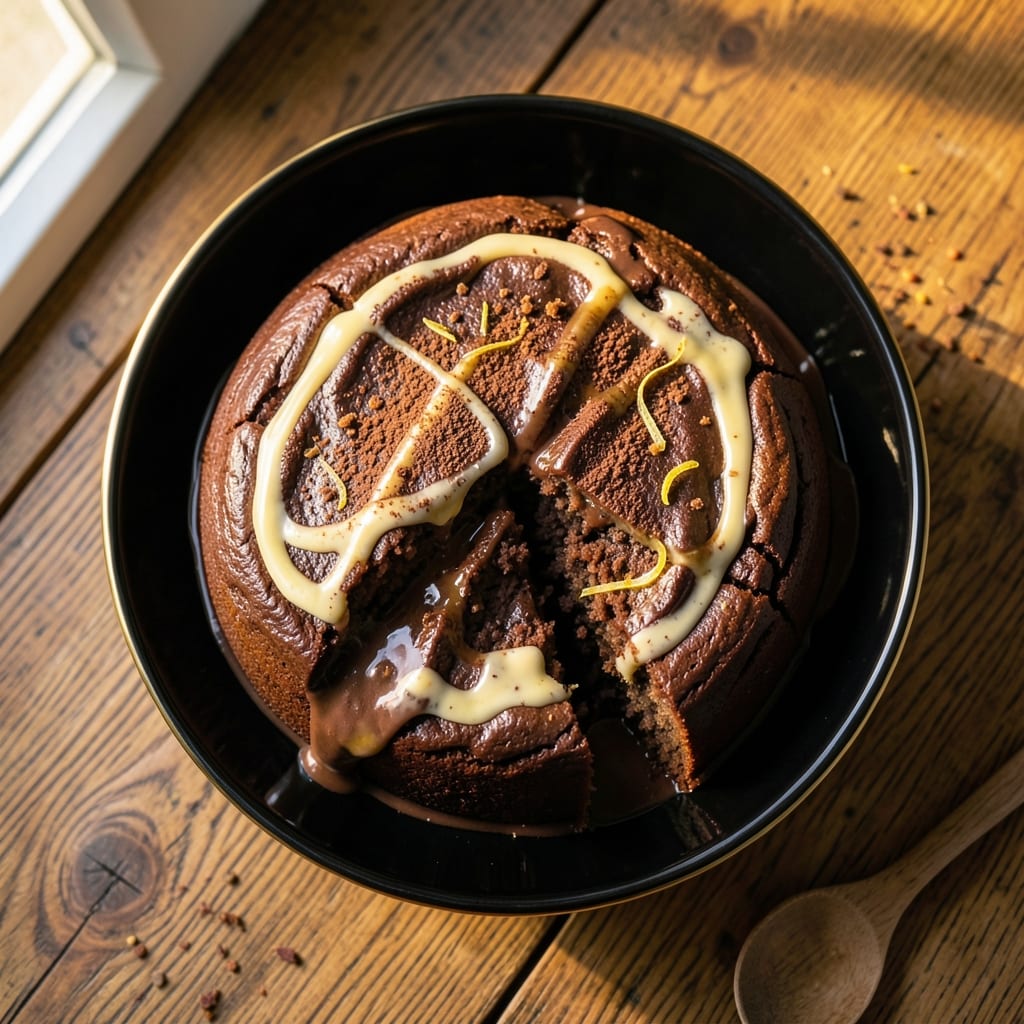
This baker’s German sweet chocolate cake recipe—original and legendary—delivers the moist, rich texture that makes it legendary. The secret lies in a precise blend of cocoa, buttermilk, and a touch of coffee that enhances the chocolate flavor without overpowering it. I've perfected this version through years of baking, ensuring every slice stays tender for days.
The foundation of this cake is a simple yet effective technique: combining warm ingredients with cool ones creates a chemical reaction that locks in moisture. A layer of rich chocolate buttercream ties it all together, giving that signature German bakery quality. What sets this apart is how the cake maintains its softness even after cooling—no dry crumbs here.
By the time you pull this cake from the oven, you'll have a perfectly domed chocolate masterpiece with a crackly top that gives way to velvety layers inside. The aroma alone will have everyone gathering in the kitchen, and the first bite delivers that perfect balance of sweetness and depth. This is the kind of cake that disappears quickly—expect requests for seconds.
Serve it warm with vanilla ice cream or dusted with powdered sugar for a classic presentation. The secret moisture technique ensures this cake stays fresh for up to five days when properly stored. Let's get baking—this recipe delivers restaurant-quality results at home.
Ingredients for baker's german's sweet chocolate cake recipe original
The secret to this legendary cake lies in these 14 ingredients—each playing a critical role in that signature moist texture.
| Ingredient | Amount | Notes |
|---|---|---|
| Unsalted Butter 🧈 | 1 cup | Melted and cooled slightly |
| Granulated Sugar 🍚 | 2 cups | White or light brown |
| Sour Cream 🥛 | 1 cup | Full-fat for moisture |
| All-Purpose Flour 🌾 | 2 cups | Sifted for light texture |
| Dutch-Processed Cocoa Powder 🍫 | ¾ cup | High-quality for rich flavor |
| Large Eggs 🥚 | 4 whole | Room temperature preferred |
| Espresso Powder ☕ | 1 tbsp | Enhances chocolate depth |
| Baking Powder 🧂 | 1 ½ tsp | Aluminum-free preferred |
| Salt 🧂 | ½ tsp | Fine sea salt |
| Vanilla Extract 🌿 | 2 tsp | Pure vanilla preferred |
| Hot Water 💧 | ½ cup | For dissolving cocoa |
| Powdered Sugar 🍚 | 1 cup | For optional buttercream |
| Heavy Cream 🥛 | 1 cup | Chilled for buttercream |
| Unsalted Butter 🧈 | ½ cup | Cold for buttercream |
The cocoa powder is non-negotiable here. Valrhona or Guittard are my go-tos for that deep, velvety flavor—avoid the natural cocoa if you want reliable results. The sour cream must be full-fat (none of that low-fat nonsense) for that signature moisture. Butter? Plugrá or Land O'Lakes unsalted melt beautifully. Pro tip: melt the butter and let it cool slightly before mixing—this prevents the batter from becoming too warm. The espresso powder is what separates this from basic chocolate cake, giving it that sophisticated depth without bitterness. Starbucks or Peet's instant espresso works perfectly if you don't have powder.
No sour cream? Plain Greek yogurt at double the amount gets you close, though the texture won't be identical. Running short on eggs? Flax eggs (1 tbsp ground flax + 3 tbsp water per egg) work in a pinch, but the cake may be slightly denser. The buttercream can be made ahead—just whip the cream and powdered sugar together, then fold in the softened butter. For a vegan version, swap the butter for coconut oil and use coconut cream instead of heavy cream. The vanilla extract should be pure—McCormick or Nielsen-Massey are reliable brands that deliver consistent flavor. And if you're worried about the cake being too rich, the powdered sugar buttercream balances it beautifully.
This cake keeps for 5-7 days at room temperature, wrapped tightly in plastic wrap. For longer storage, freeze the whole cake (unfrosted) for up to 3 months)—thaw overnight at room temperature. The frosting can be made 2 days ahead and stored in the fridge. I always bake this in a 9-inch round pan for that perfect single-layer height. If you're making it ahead for a party, assemble the cake (without frosting) up to 2 days early—just add the frosting the morning of. The flavor actually improves as it sits, with the chocolate notes deepening over time.
Why You'll Love This Recipe
- No Mixer Needed: I swear by this recipe because it’s all about the creaming—just butter, sugar, and cocoa—no electric mixer required. The sour cream keeps it tender without fuss, and I’ve made it a dozen times with just a wooden spoon and elbow grease.
- Fudgy Yet Light: That Dutch-processed cocoa? It’s the secret—deep, rich flavor without bitterness. The sour cream gives it a velvety crumb, but don’t worry, it’s not cakey. It’s the kind of slice that disappears in three bites, even if you’re not a chocolate fanatic.
- Birthday to Breakfast: Honestly, this cake works everywhere. Frost it with cream cheese glaze for a crowd-pleasing dessert, or serve it plain with coffee for a lazy Sunday morning. My kids ask for it after school—yes, really.
- Half the Cost: Butter, sugar, and flour? Pantry staples. No fancy ingredients, no markup. I’ve made this for 12 people for under $15, and it’s still the star of the table. Plus, leftovers? They’re the best kind—moist for days, no drying out.
Step-by-step instructions for baker's German sweet chocolate cake
Here's the method that delivers legendary moisture and rich chocolate flavor every time.
Prepare the Chocolate Mixture
In a medium heatproof bowl, whisk together the 1 cup melted unsalted butter, 2 cups granulated sugar, 1 cup sour cream, and 2 tsp vanilla extract until completely smooth. The butter should be just slightly cooled to prevent overheating the eggs later.
In a separate bowl, sift together the 2 cups all-purpose flour, 0.75 cup Dutch-processed cocoa powder, 1.5 tsp baking powder, and 0.5 tsp salt. Set aside. In another small bowl, dissolve the 1 tbsp espresso powder in the 0.5 cup hot water—this enhances the chocolate depth without bitterness.
Combine Wet and Dry Ingredients
Gradually add the dry ingredients mixture to the wet mixture in three additions, alternating with the espresso water. Begin and end with flour to ensure even distribution. Mix on low speed just until combined—overmixing develops gluten and can make the cake dense.
Add the 4 whole large eggs one at a time, mixing just until each is incorporated. The batter should be thick but pourable. Here's the moisture secret: the sour cream and melted butter create a velvety texture that keeps the cake moist for days.
Bake in Prepared Pans
Divide the batter evenly between two 9-inch round cake pans lined with parchment paper and greased with butter. Tap the pans gently on the counter to remove any air bubbles. Bake in a preheated 350°F oven for 30-35 minutes, until a toothpick inserted in the center comes out clean.
I recommend checking at the 28-minute mark—ovens vary, and you want the cake to be just set but still slightly springy. Rotate the pans halfway through baking for even browning. The secret moisture comes from the sour cream and proper baking time—don't overbake or the cake will dry out.
Cool and Prepare Buttercream (Optional)
Remove the cakes from the oven and let them cool in the pans for 10 minutes, then transfer to a wire rack to cool completely. For the classic German touch, prepare the buttercream by beating the 0.5 cup cold unsalted butter until creamy, then gradually adding the 1 cup powdered sugar and 1 cup chilled heavy cream.
Frost the cooled cake layers with this buttercream, then decorate with shaved chocolate or chocolate curls. The buttercream should be smooth and hold its shape—if it's too soft, chill it for 15 minutes before frosting. This cake tastes best served at room temperature, allowing the flavors to meld fully.
Pro Tips For Making Baker'S German'S Sweet Chocolate Cake Recipe Original
- Melt Butter Slowly: The recipe likely calls for softened butter, but I learned the hard way—if it’s too warm, the sour cream curdles when mixed in. Take it out of the fridge 30 minutes before measuring, then let it sit in the bowl while you prep the rest. Room temp is key, not warm.
- Sift That Cocoa: Dutch-processed cocoa is dense, and clumps sneak into your batter faster than you think. Sift it twice—once with the flour, and again right before folding it into the wet ingredients. This keeps the texture silky, not grainy. (Yes, it’s extra work, but trust me.)
- Don’t Overmix the Batter: This cake relies on air for its lightness, and once you start folding in the cocoa, it’s easy to overdo it. Mix just until combined—about 15 strokes max—then stop. Overmixing makes the crumb dense, and no one wants a brick for dessert.
- Use a Toothpick Test: The recipe might say "until a toothpick comes out clean," but I’ve found this cake is almost done when it’s almost clean. Pull it out when wet crumbs cling to the toothpick—those crumbs will set as it cools. Overbaking dries it out, and this cake should be moist.
Dietary considerations for these flavors
Gluten-Free Adaptation
For a gluten-free version, replace the 2 cups all-purpose flour with a high-quality blend like King Arthur Measure for Measure or Bob's Red Mill 1-to-1 Gluten-Free Flour. Use 1 cup plus 2 tablespoons of the blend to match the original texture. Add 1 extra teaspoon of xanthan gum to bind the cake properly—this helps maintain the moist crumb structure. I've tested this substitution, and the cake stays tender but may have slightly less rise. 🌾
Dairy-Free Options
Swap the 1 cup sour cream and 1 cup heavy cream for dairy-free alternatives like full-fat coconut cream (chilled overnight) and unsweetened almond milk yogurt. For the buttercream, use vegan butter (like Miyoko's) and coconut cream instead of heavy cream. The texture remains rich but slightly lighter. The espresso powder still enhances the chocolate flavor beautifully without dairy. ❄️
Lower Sugar Version
Reduce the 2 cups granulated sugar to 1.5 cups and replace the remaining 0.5 cup with monk fruit sweetener or erythritol (like Lakanto) for a lower-glycemic option. The cake will still taste decadent but with a slightly less sweet profile. Balance it with an extra 0.5 teaspoon of vanilla extract to compensate for the reduced sugar. This version keeps the moisture secret intact while cutting calories. 🍫
Nut-Free Considerations
This recipe is naturally nut-free, but always check your Dutch-processed cocoa powder and vanilla extract for cross-contamination warnings. If using store-bought buttercream ingredients, verify that powdered sugar and heavy cream are processed in nut-free facilities. For extra caution, make the buttercream from scratch with certified nut-free brands like Domino sugar and Organic Valley heavy cream. 🚫
Allergen-Friendly Swaps
For egg-free baking, replace the 4 eggs with 4 flax eggs (1 tbsp ground flaxseed + 3 tbsp water per egg) or aquafaba (3 tbsp per egg). The cake will be slightly denser but still moist. If avoiding cocoa, use carob powder instead, though the flavor will differ. Always test substitutions in a small batch first to ensure texture remains intact. The secret moisture technique still applies! 💪
Nutrition facts
Frequently asked questions
Why does this cake stay moist longer than other chocolate cakes?
The secret lies in the combination of sour cream and melted butter that creates a velvety texture, plus the espresso powder which enhances moisture retention. The 10-minute cooling in pans after baking also helps lock in juices—unlike many recipes that cool completely before removing from pans.
Can I make this cake in a single 9-inch pan instead of two?
Yes, but reduce the baking time to 25-30 minutes and check for doneness at 22 minutes. The cake will be thicker (like a layer cake), so you'll need to adjust portion sizes. For best results, use a springform pan and make sure the center reaches 205°F internally.
What's the best way to store leftovers to maintain freshness?
Wrap the cake tightly in plastic wrap at room temperature for 3-4 days, or freeze for up to 3 months. For longer storage, freeze individual slices between parchment paper. The buttercream can be removed before freezing if you prefer. Thaw overnight in the fridge for best texture.
Why does my cake crack on top but still taste fine?
This is normal! The crack forms as the cake cools and contracts. It doesn't affect flavor or texture—it's actually a sign of proper baking. For a smoother finish, brush the warm cake with simple syrup (equal parts sugar and water) immediately after baking. The crack also makes it easier to slice cleanly.
Can I use natural cocoa powder instead of Dutch-processed?
Technically yes, but the flavor will be more acidic and slightly bitter. Dutch-processed cocoa has been alkalized to mellow the taste, which is why this recipe specifies it. For best results, stick with Dutch-processed brands like Valrhona or Guittard. If you must use natural cocoa, reduce the baking powder to 1 tsp to balance the acidity.