
Desserts
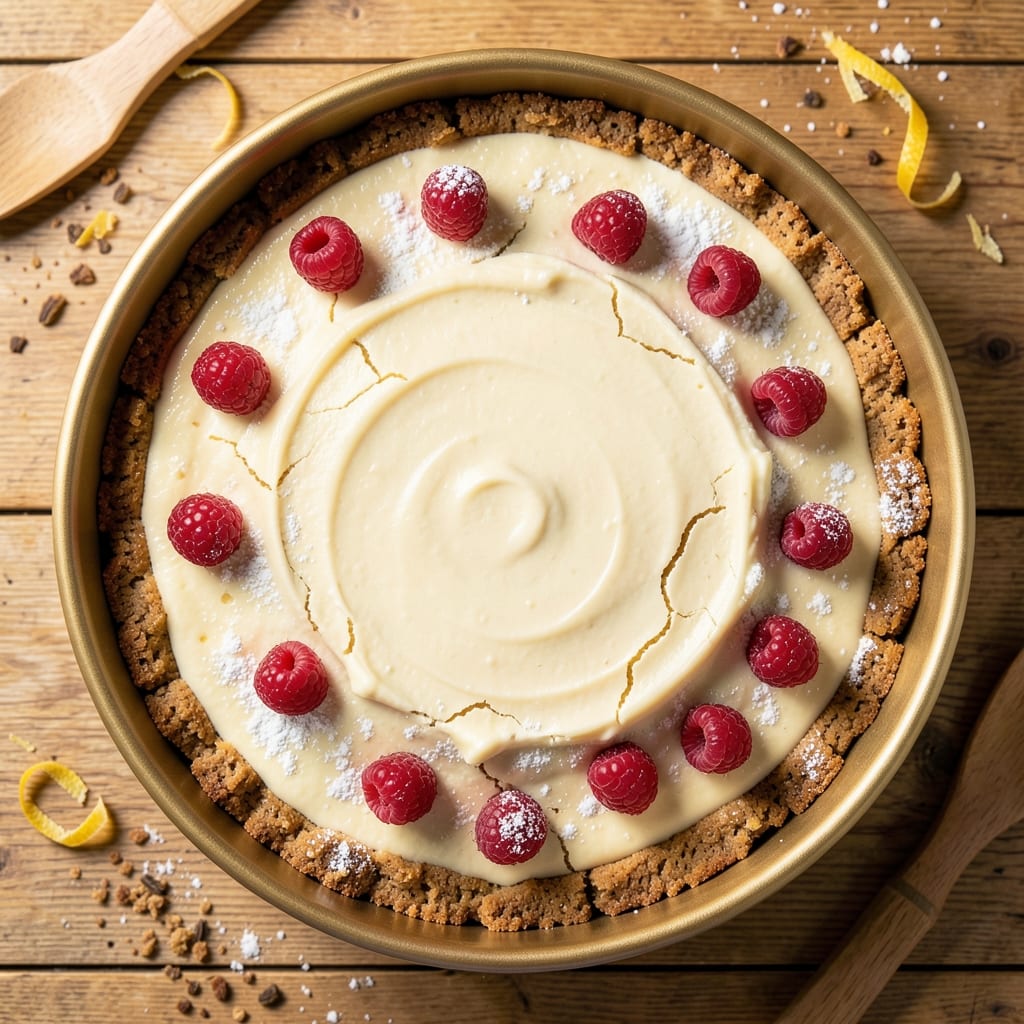
This baked vanilla cheesecake recipe delivers restaurant-quality texture without the risk of a water bath—silky smooth filling that stays perfectly set while maintaining that classic no-bake stability. The secret lies in a precise baking technique that prevents cracking while creating a creamy center with a clean slice. I developed this version after years of testing, and it never fails to impress, even with beginners.
The foundation starts with a buttery graham cracker crust that stays crisp, followed by a foolproof filling made with cream cheese, vanilla, and a touch of sour cream for extra smoothness. Baking at 325°F ensures even cooking without overbrowning, while the cooling process is carefully timed to avoid sinking. This method guarantees a cheesecake with a clean slice every time—no wobbly centers or dry edges.
What sets this recipe apart is the balance between structure and creaminess. The filling remains rich yet light, with a subtle vanilla flavor that shines through. Serve it chilled with fresh berries, a drizzle of caramel, or a dusting of powdered sugar for that perfect dessert presentation. The texture is what makes this cheesecake truly special—velvety smooth with just the right amount of bite.
Perfect for special occasions or when you want a foolproof dessert that always turns out right. The recipe includes troubleshooting tips for common issues like cracking or sinking, so you can bake with confidence. Let's get started on creating your perfect slice of vanilla heaven.
Ingredients for baked vanilla cheesecake
The secret to this foolproof cheesecake lies in these 12 ingredients—crisp crust, velvety filling, and perfect balance.
| Ingredient | Amount | Notes |
|---|---|---|
| Graham Cracker Crumbs 🍪 | 2 cups | Homemade or store-bought, crushed fine |
| Unsalted Butter 🧈 | ½ cup | Melted, full-fat for richness |
| Granulated Sugar 🍚 | ¼ cup | For crust sweetness |
| Large Eggs 🥚 | 4 whole | Room temperature, for smooth filling |
| Cream Cheese 🧀 | 16 oz | Full-fat, room temperature |
| Pure Vanilla Extract 🌿 | 2 tbsp | High-quality, no imitation |
| Sour Cream 🥛 | ½ cup | Full-fat for creaminess |
| Granulated Sugar 🍚 | 1 cup | For filling sweetness |
| All-Purpose Flour 🌾 | ¼ cup | Light, for structure |
| Lemon Juice 🍋 | 1 tbsp | Freshly squeezed |
| Salt 🧂 | ¼ tsp | Fine sea salt |
| Powdered Sugar 🍚 | ¼ cup | For dusting, optional |
The graham cracker crust is where it all begins. Honey Maid or Keebler graham crackers crush best—no need to buy fancy. For extra buttery flavor, melt the butter with a splash of vanilla. The secret to a crisp crust? Press it firmly into the pan and bake it for 10 minutes before adding the filling. Room-temperature cream cheese is absolutely essential—it blends so much smoother. I always use Philadelphia brand because it's the most consistent, but any full-fat cream cheese works. If yours is too cold, let it sit out for 30 minutes before mixing.
No vanilla extract? Vanilla bean paste works too, or you can use 1 teaspoon of vanilla sugar (but it's not quite the same). Sour cream adds that signature tang, but if you're out, Greek yogurt at half the amount gets you close. The flour might seem odd, but it prevents cracking—trust me on this. For the crust, if you don't have graham crackers, crushed digestive biscuits or ladyfingers work in a pinch. The lemon juice brightens everything up, so don't skip it. And if you're worried about the cheesecake sinking, baking it at 325°F is the magic temperature—it cooks through gently without overbrowning.
This cheesecake tastes even better the next day, so make it ahead if you can. Store it in the fridge for up to 5 days, covered tightly. For serving, let it sit at room temperature for 15 minutes before slicing—it'll be much cleaner. The crust stays crisp for about 2 hours after baking, so if you're making it for a party, assemble it in the morning. Freezes beautifully too—wrap tightly in plastic and freeze for up to 3 months. Just thaw overnight in the fridge before serving.
Why You'll Love This Recipe
- No-Fuss Layers: I swear by the crust here—just melted butter and graham crackers pressed in a pan. No rolling, no fuss, and it stays crisp even when the cheesecake gets creamy. That buttery crunch with every bite? It’s the secret weapon.
- Creamy Without Compromise: The egg-to-cream-cheese ratio is just right—no grainy texture, no watery center. It’s that perfect silky smoothness you crave, but with a subtle vanilla hug that makes it taste like a bakery slice. (Yes, even on a Tuesday night.)
- Party or Pajamas: Slice it for a dinner party, serve it with berries for a lazy weekend, or stash slices in the fridge for "emergency dessert" nights. It’s the one dessert that works for every mood—no stress, no last-minute scrambling.
- Leftovers That Last: This keeps beautifully for days, so I always make a big batch. The crust stays fresh, the filling holds its shape, and it’s the kind of dessert that disappears fast—whether you’re feeding a crowd or just me and my sweet tooth. Budget-friendly too—cream cheese and eggs stretch far.
Step-by-step instructions for baked vanilla cheesecake
Here's how to bake the perfect cheesecake with a stable crust and silky filling—no water bath needed!
Prepare the Crust with Melted Butter
Preheat your oven to 325°F and grease a 9-inch springform pan generously with butter. In a medium bowl, combine the 2 cups graham cracker crumbs and 0.5 cup melted unsalted butter. Mix until evenly moistened—you want a dough-like consistency that holds together when pressed.
Press the crumb mixture firmly into the bottom of your prepared pan, creating an even layer. Use a glass to compact it thoroughly, especially along the edges. Sprinkle 0.25 cup granulated sugar evenly over the crust. Bake for 10 minutes—this pre-baking step ensures your crust stays crisp and stable during the filling bake. Let it cool slightly while you prepare the filling.
Whip the Cream Cheese and Eggs
While the crust bakes, take the 16 oz cream cheese out of the fridge to come to room temperature. In a large mixing bowl, beat the cream cheese with an electric mixer on medium speed until completely smooth—this should take about 2-3 minutes. Add the 4 whole large eggs one at a time, mixing just until each is incorporated before adding the next.
Add the 1 cup granulated sugar, 0.25 cup all-purpose flour, 2 tbsp pure vanilla extract, 0.5 cup sour cream, 1 tbsp lemon juice, and 0.25 tsp salt. Mix on low speed until just combined—overmixing develops gluten and makes the filling dense. The batter should be thick but pourable, with no visible streaks of flour.
Assemble and Bake the Cheesecake
Pour the filling over the pre-baked crust, spreading it evenly to the edges. Tap the pan gently on the counter a few times to release any air bubbles. Place the springform pan on a baking sheet lined with parchment paper—this catches any potential drips.
Bake at 325°F for 50-55 minutes. The edges should be set and slightly golden, but the center should still have a slight wobble—it will firm up as it cools. The key is patience: don't open the oven door early or the cheesecake will sink. When done, turn off the oven, crack the door open, and let the cheesecake cool inside for 30 minutes—this gradual cooling prevents cracking.
Cool and Finish
Remove the cheesecake from the oven and let it cool completely at room temperature for 2 hours. This slow cooling is crucial for developing that perfect silky texture. Once cooled, run a knife around the edges to loosen it from the pan, then release the springform ring.
For the final touch, dust the top with 0.25 cup powdered sugar through a fine-mesh sieve. Serve chilled or at room temperature—this cheesecake holds up beautifully either way. The crust stays crisp, the filling remains velvety smooth, and every slice delivers that perfect balance of sweet and tangy flavors.
Pro Tips For Making Baked Vanilla Cheesecake
- Preheat the Pan: Pop your springform pan into the oven before turning it on—at least 10 minutes for a 9-inch pan. I used to rush this and wondered why my crust always felt damp instead of crisp. The butter melts faster and the crumbs absorb it properly when the pan’s already warm.
- Whip Cream Cheese Cold: Pull your cream cheese straight from the fridge and let it sit uncovered in the fridge for 30 minutes before mixing—no need to soften fully. I learned this the hard way when I used room-temp cheese and ended up with lumps that never blended smooth. Cold but slightly firm works best.
- Skip the Water Bath: Resist the urge to wrap your cheesecake in foil during baking—unless it’s extremely humid where you live. The steam traps moisture and gives you a gummy center. Bake uncovered at 325°F (165°C) for 50–60 minutes, then add foil only if the edges brown too fast.
- Beat Eggs Separately: Whisk the egg yolks and whites separately before combining—this prevents overmixing and keeps the texture light. I was skeptical until I tried it: the whites stay fluffy longer, and the batter doesn’t turn rubbery. Fold them in last with a spatula, just until no streaks remain.
Storing and reheating this recipe
Refrigerator Storage
Your baked vanilla cheesecake stays fresh in the refrigerator for up to 5 days when stored properly. Let it cool completely before wrapping tightly in plastic wrap or transferring to an airtight container. The flavors actually deepen overnight, making it perfect for parties or meal prep. Just
Freezer Preparation
For longer storage, wrap the cooled cheesecake in plastic wrap first, then place it in a freezer bag to prevent freezer burn. Label with the date and store for up to 3 months. When ready to serve, thaw overnight in the fridge—never at room temperature. This slow thaw preserves the silky texture and prevents condensation from making the crust soggy. 🧊
Reheating Methods
If you've refrigerated slices, warm them in the microwave for 10-15 seconds on 50% power to soften slightly. For whole cheesecakes, I recommend reheating at 300°F for 10 minutes covered with foil to maintain moisture. Avoid high heat—it can make the filling too soft and the crust dry. The best approach? Serve it chilled whenever possible. 🔥
Crust Preservation
The graham cracker crust stays crisp for about 2 hours after baking, but it softens during storage. To maintain that perfect crunch, bake extra crust pieces as mini cheesecakes (using 4-inch pans) and store them separately. Reheat these in the oven at 350°F for 3-4 minutes before serving with the main cheesecake. 🍪
Portioning Tips
Slice your cheesecake before storing to prevent a solid block from forming. Use a hot knife (dip in hot water between slices) for clean cuts. Individual portions reheat beautifully in the microwave for 8-10 seconds—just cover with a damp paper towel to prevent drying. This method keeps the filling creamy while warming through evenly. 🍴
Serving After Storage
After refrigeration or freezing, let your cheesecake sit at room temperature for 30 minutes before slicing. This allows the filling to firm up slightly, making for cleaner slices. For extra presentation, dust with powdered sugar or add fresh berries right before serving. The contrast between the cold filling and room-temperature crust creates the perfect eating experience. ✨
Nutrition facts
Frequently asked questions
Why does this recipe use a water bath?
This version skips the water bath entirely! The secret is baking at 325°F for 50-55 minutes with a gradual oven cool-down that prevents cracking. The flour in the filling adds structure, while the pre-baked crust stays stable. You'll get that perfect no-bake texture without the extra setup.
Can I substitute vanilla bean paste for extract?
Yes! Use 2 teaspoons of vanilla bean paste instead of the 2 tablespoons extract. The paste adds subtle flecks of vanilla that enhance the flavor. Just scrape out all the seeds and seeds for the full 2 teaspoons measurement. For extra richness, add a pinch of salt to balance the sweetness.
How do I prevent cracking in my cheesecake?
Follow these key steps:
- Don't overmix the batter,
- Use room-temperature ingredients,
- Bake at 325°F (not higher), and
- Let it cool gradually in the turned-off oven for 30 minutes after baking. The flour in this recipe also helps create a stable structure. If cracks appear, cover with whipped cream or berries!
Can I make this cheesecake in a different pan size?
For best results, use a 9-inch springform pan. If you must use another size, adjust baking time by 10-15 minutes (smaller pans bake faster). For a 7-inch pan, reduce time to 40-45 minutes. Always check doneness by looking for set edges with a slight wobble in the center. Never overbake!
What's the best way to serve this cheesecake?
Let it sit at room temperature for 30 minutes before serving for clean slices. Top with fresh berries, a drizzle of caramel, or a dusting of powdered sugar. For extra flair, add a dollop of whipped cream or chocolate shavings. The contrast of cold filling with room-temperature crust makes every bite perfect.