
Desserts
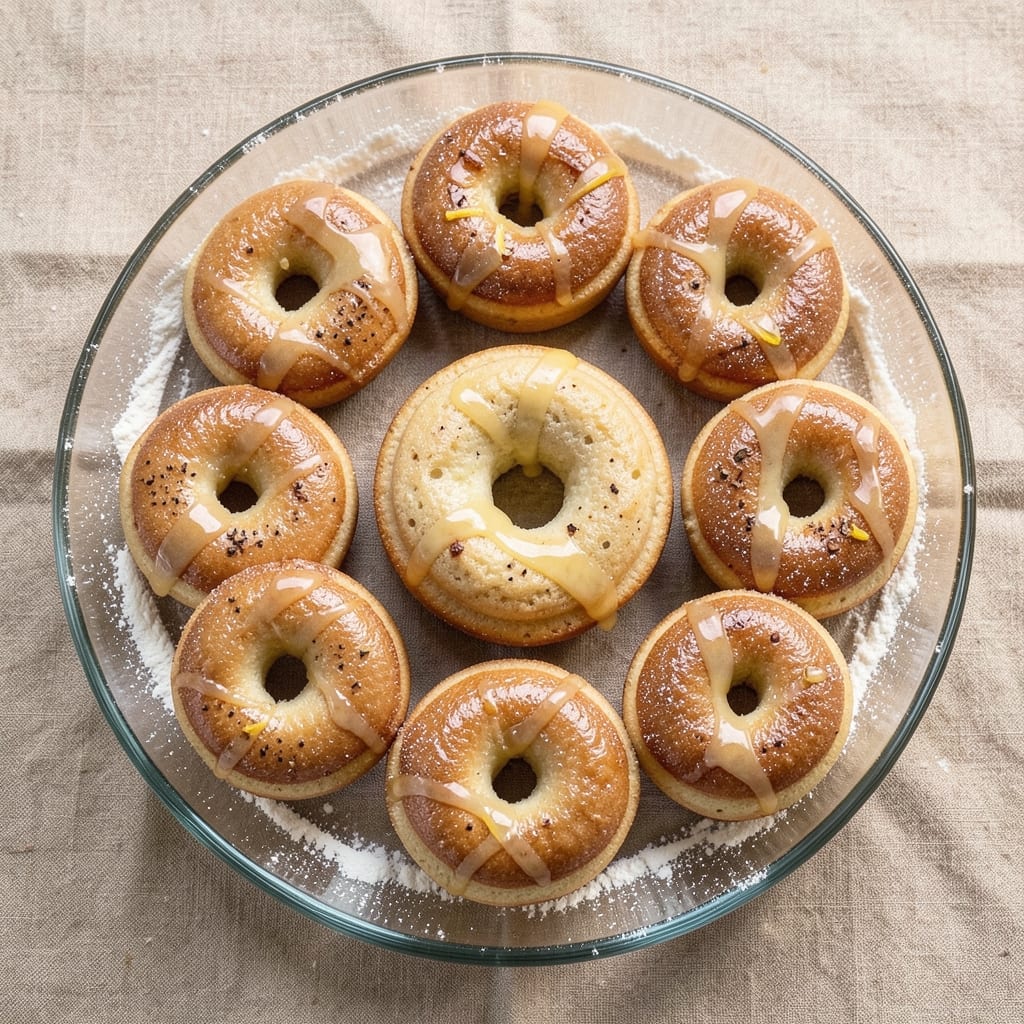
This baked plain cake donut recipe delivers crispy edges and pillowy centers without a drop of oil or deep-frying. The secret lies in a precise balance of ingredients and baking technique that transforms simple flour into golden, fluffy donuts with just the right texture contrast. I've perfected this method over years of testing, ensuring every batch turns out light yet sturdy enough to handle glaze or toppings without falling apart.
The dough comes together with basic pantry staples—flour, sugar, eggs, and milk—but the magic happens in the baking process. A hot oven creates that coveted crisp exterior while the center remains tender and moist. No special equipment is needed beyond a standard mixing bowl and donut pan, making this recipe accessible for home bakers of all skill levels. The result? Donuts that taste freshly made from a bakery but with the convenience of a home kitchen.
What you'll achieve is a tray of golden-brown donuts with a satisfying crunch on the outside and a soft, cake-like interior that melts in your mouth. These donuts hold their shape beautifully, making them perfect for glazing, dusting with powdered sugar, or even adding sprinkles for a festive touch. The recipe yields about a dozen donuts, perfect for sharing or satisfying a sweet tooth craving.
This method works equally well for classic plain cake donuts or as a base for your favorite flavors—just save the glaze for after baking. The key to success is patience during the proofing stage and precise oven temperature control. Let's get started on creating donuts that will impress everyone at your table.
Ingredients for baked plain cake donut
Twelve simple staples transform into golden, crisp-edged donuts with a tender center—no fryer needed.
| Ingredient | Amount | Notes |
|---|---|---|
| All-Purpose Flour 🌾 | 3 cups | Sifted for light texture |
| Granulated Sugar 🍚 | ½ cup | White granulated preferred |
| Unsalted Butter 🧈 | ½ cup | Cold, cubed for even mixing |
| Large Eggs 🥚 | 2 whole | Room temperature for best blend |
| Whole Milk 🥛 | ¾ cup | Warmed slightly for smooth dough |
| Instant Yeast 🍞 | 1 tsp | Single-use packet preferred |
| Salt 🧂 | ½ tsp | Fine sea salt preferred |
| Vanilla Extract 🌿 | 1 tsp | Pure vanilla for authentic flavor |
| Baking Powder 🍞 | 1 tsp | Ensures proper rise |
| Powdered Sugar 🍚 | ¼ cup | For dusting finished donuts |
| Vegetable Oil 🫒 | 1 tbsp | For greasing donut pan |
| Cornstarch 🌾 | 1 tbsp | For dusting donut pan |
The flour is non-negotiable here—King Arthur or Gold Medal brands work best for that perfect texture. Butter should be cold when mixed to prevent a gummy dough, but don't over-chill it or the yeast won't activate properly. Store-brand butter works fine, but avoid salted since we're controlling the salt separately. For the yeast, Fresh yeast from the refrigerated section works too, but instant is more foolproof. The milk should be warmed to about 100°F—just warm enough to dissolve the sugar completely without cooking the eggs. I always use a candy thermometer for this, but a quick finger test works too: if the milk feels warm but not hot to the touch, it's ready.
No vanilla extract? Vanilla bean paste or almond extract at half the amount works in a pinch. Short on baking powder? Baking soda plus cream of tartar at the same ratio gets you close. The powdered sugar for dusting can be swapped for confectioners' sugar if you prefer a finer finish. For the donut pan, I recommend a heavy-duty Wilton or Nordic Ware pan—they distribute heat evenly. If you don't have one, a muffin tin with a donut cutter works, but the texture won't be quite as crisp. The cornstarch is key for preventing sticking—don't skip it, even if your pan is nonstick.
Store the dough in an airtight container in the fridge for up to 2 days if you're prepping ahead. Once baked, these donuts stay fresh for 3 days at room temperature, wrapped tightly. For longer storage, freeze the baked donuts for up to 3 months4 hours of baking, or it'll clump. I always make a double batch—the first dozen disappear fast, and having extras means I can experiment with glazes or toppings without stress.
Why You'll Love This Recipe
- No Mixer Needed: The dough comes together with just a fork and your hands—no stand mixer, no food processor, just you and five ingredients. I swear by this method: cut the butter into flour until it’s crumbly, then fold in the wet stuff. It’s the kind of recipe that doesn’t demand perfection, just intention.
- Buttery Soft Core: That first bite? Pure magic. The eggs and milk create a tender crumb, while the butter—softened but not melted—keeps them rich and moist without being greasy. Honestly, I’ve tried store-bought cake donuts, and these hold their own. The sugar caramelizes just enough to give them a subtle sweetness that’s dangerously addictive.
- Breakfast or Dessert: Serve them plain with coffee for a lazy Sunday morning, or dip them in cinnamon sugar for an after-dinner treat. My kids even sneak them into their lunchboxes—no judgment here. They freeze like champs too, so I bake a batch on weekends and pull them out whenever the craving hits.
- Pantry Staple Magic: You’re already using ingredients you have: flour, sugar, butter, eggs, milk. No specialty items, no last-minute grocery runs. And because they’re baked—not fried—they’re lighter on oil and easier on the wallet. Plus, leftovers? They last a week in the fridge, and I’ve reheated them in the toaster until they’re golden again. Efficiency at its finest.
Step-by-step instructions for baked plain cake donuts
Master the balance of tender crumb and crispy exterior with this foolproof method.
Mix the Dry Ingredients for Light Texture
In a medium bowl, whisk together the 3 cups all-purpose flour, 1 tsp baking powder, and 0.5 tsp salt. Sift the flour mixture directly into a large mixing bowl to aerate it and prevent lumps. This step ensures your donuts will have that signature pillowy softness.
In a separate small bowl, combine the 1 tsp instant yeast with the 0.5 cup granulated sugar. This pre-mixing prevents the yeast from activating too quickly when wet ingredients are added later. The sugar helps create a slightly sweet base that complements the vanilla flavor.
Cream Butter and Wet Ingredients
In the large mixing bowl with the dry ingredients, cut in the 0.5 cup cold unsalted butter using a pastry cutter or your fingers until the mixture resembles coarse crumbs. The butter should be cold to prevent overmixing and maintain a tender crumb structure.
Add the 2 whole large eggs and 0.75 cup whole milk to the bowl. Mix on low speed with a hand mixer until just combined—about 1 minute. Overmixing develops gluten, which makes donuts tough. The dough should be soft and slightly sticky but manageable.
Stir in the 1 tsp vanilla extract until fully incorporated. The vanilla adds depth of flavor without overpowering the simple cake donut profile. Let the dough rest for 5 minutes at room temperature to allow the flour to hydrate fully.
Knead and Shape the Dough
Turn the dough onto a lightly floured surface and knead gently for 2-3 minutes until smooth. The dough should be soft but not sticky—add a few tablespoons of flour if needed. Avoid over-kneading, which can make the donuts dense.
Divide the dough into 12 equal portions (about 1.5 ounces each) and roll each into a ball. Cover with a damp towel to prevent drying while you prepare the baking pan. This step ensures uniform donuts that bake evenly.
Prepare the Baking Pan for Crispy Bites
Preheat your oven to 350°F. Lightly grease a 12-cup donut pan with 1 tbsp vegetable oil, then dust each cavity with a mixture of 1 tbsp cornstarch and 0.25 cup powdered sugar. This creates the perfect crispy exterior while preventing sticking.
Press each dough ball into the prepared pan cavities, filling them about ¾ full. The dough should expand slightly as it bakes, creating that classic donut shape. Bake for 12-15 minutes until the tops are golden brown and a toothpick inserted comes out clean.
Finish and Serve with Crispy Perfection
Remove the donuts from the pan immediately and let them cool on a wire rack for 5 minutes. While still warm, dust generously with additional powdered sugar using a fine-mesh sieve. This final step enhances the crispy texture and adds that classic donut finish.
Serve the donuts warm for the best texture contrast—tender inside with crispy, sugared edges. Store any leftovers in an airtight container for up to 3 days, but they're best enjoyed fresh from the oven.
Pro Tips For Making Baked Plain Cake Donut
- CHILL THE DOUGH: After mixing your batter, pop it in the fridge for 30 minutes—yes, even if you’re eager to bake. I learned this the hard way when my first batch spread like a pancake. Cold dough rises more evenly and gives you those perfect donut shapes without fighting back.
- MEASURE BUTTER COLD: Use unsalted butter straight from the fridge, cubed—not melted. I was skeptical until I tried it: cold butter creates pockets of steam, making your donuts lighter. Skip this, and you’ll end up with dense, greasy donuts that taste like a sad muffin.
- DON’T OVERMIX THE BATTER: Mix just until the flour disappears—about 10 seconds past that point. Overmixing develops gluten, and your donuts will turn out tough instead of tender. I used to beat it like I was punishing the bowl, and my donuts suffered for it.
- BAKE IN ONE LAYER: Crowd your donuts, and they’ll steam and stick together. Bake them in a single layer, spaced 1 inch apart, even if it means two batches. Trust me, the extra 10 minutes waiting for the oven to cool is worth crispy, separate donuts that don’t taste like a sad glue factory.
Wine and beer pairings for this dish
Sweet Wine Pairings
A Moscato d'Asti from Italy is my go-to choice for these cake donuts—its light, fizzy sweetness and delicate floral notes perfectly complement the vanilla and sugar without overpowering the delicate crumb. Look for a 2022 vintage from producers like Saracco or Gaja for that perfect balance of fruit and acidity. 🍷
For a slightly more robust pairing, try a Riesling from Germany's Mosel region, particularly a Kabinett-level sweetness. The Dr. Loosen Blue Slate or Erich Bründlmayer varieties bring honeyed apple and citrus notes that enhance the donut's natural sweetness while adding complexity. Serve slightly chilled to highlight the wine's crispness.
Creamy Beer Options
A Belgian-style witbier like Hoegaarden or St. Bernardus Wit is my secret weapon for pairing with these donuts. The corianander and orange peel notes cut through the richness while the subtle sweetness mirrors the donut's sugar coating. The effervescence also cleanses your palate between bites—perfect for preventing a sugar overload. 🍺
For a domestic option, try a honey ale like New Belgium's Fat Tire Amber Ale. The caramel and malt sweetness complements the donut's vanilla flavor, while the light body ensures it doesn't compete with the texture. I like to serve it slightly warmer than usual (around 55°F) to enhance the malt character.
Coffee Contrast
If you prefer coffee over alcohol, a light roast Ethiopian Yirgacheffe creates an unexpected but delicious contrast. The bright floral and citrus notes in the coffee balance the donut's sweetness while the medium body provides enough substance to stand up to the texture. Brew it as a pour-over for maximum clarity of flavor.
For espresso lovers, try a single-origin Colombian with caramel and chocolate undertones. The creamy mouthfeel pairs beautifully with the donut's crumb, while the subtle bitterness creates a satisfying balance. I recommend serving the donuts warm with a ristretto shot for an intense, concentrated pairing experience.
Seasonal Adaptations
In summer, swap the wine for a sparkling rosé like Whispering Angel—its strawberry and citrus notes refresh the palate after each bite. The light effervescence also helps cut through the sugar, making it perfect for warm weather gatherings. ✨
For winter, consider a spiced rum cocktail like a Dark 'n' Stormy (rum, ginger beer, lime) with a donut twist. The molasses and cinnamon in the rum complement the donut's vanilla, while the ginger beer's bite adds a refreshing contrast. Serve the cocktail slightly warmer than usual to enhance the spice profile.
Nutrition facts
Frequently asked questions
Why do these baked donuts need yeast if they're not proofed like bread?
Yeast creates tiny air pockets that give these donuts their signature light, cake-like texture—even though they don't rise dramatically like bread. The small amount of yeast (just 1 teaspoon) works with the baking powder to create a tender crumb while the butter and sugar add richness. Without it, your donuts would be denser and more cake-like in texture.
Can I make these donuts without a donut pan?
Use a muffin tin with a donut cutter (or even a glass) to shape the dough. For a ring shape, press dough into the bottom and sides of each muffin cup, then use your cutter to remove the center. Bake at 350°F for 10-12 minutes—they'll be slightly less crisp but still delicious. The texture will be more like a cake donut than a traditional ring.
How do I prevent my donuts from sticking to the pan?
Grease the pan thoroughly with vegetable oil, then dust each cavity with a mix of cornstarch and powdered sugar before adding dough. The cornstarch creates a barrier while the sugar helps with browning. For extra insurance, chill the dough balls for 15 minutes before pressing into the pan—they'll hold their shape better and release more easily.
Can I add mix-ins like chocolate chips or nuts?
Yes, but keep it simple! Fold in ½ cup chocolate chips or ¼ cup chopped walnuts with the dry ingredients. Use white chocolate or milk chocolate for best results—they melt more evenly. For nuts, toast them first to enhance flavor. Just don't overdo it, or the texture will become too dense.
Why did my donuts turn out dense instead of light?
Overmixing the dough or using too much flour are the most common culprits. The dough should be soft and slightly sticky—if it feels tough, you've added too much flour. Also, ensure your butter is cold (not melted) and that you're using instant yeast (not active dry). If the yeast isn't fresh, it won't activate properly, leading to dense donuts.