
Beverages
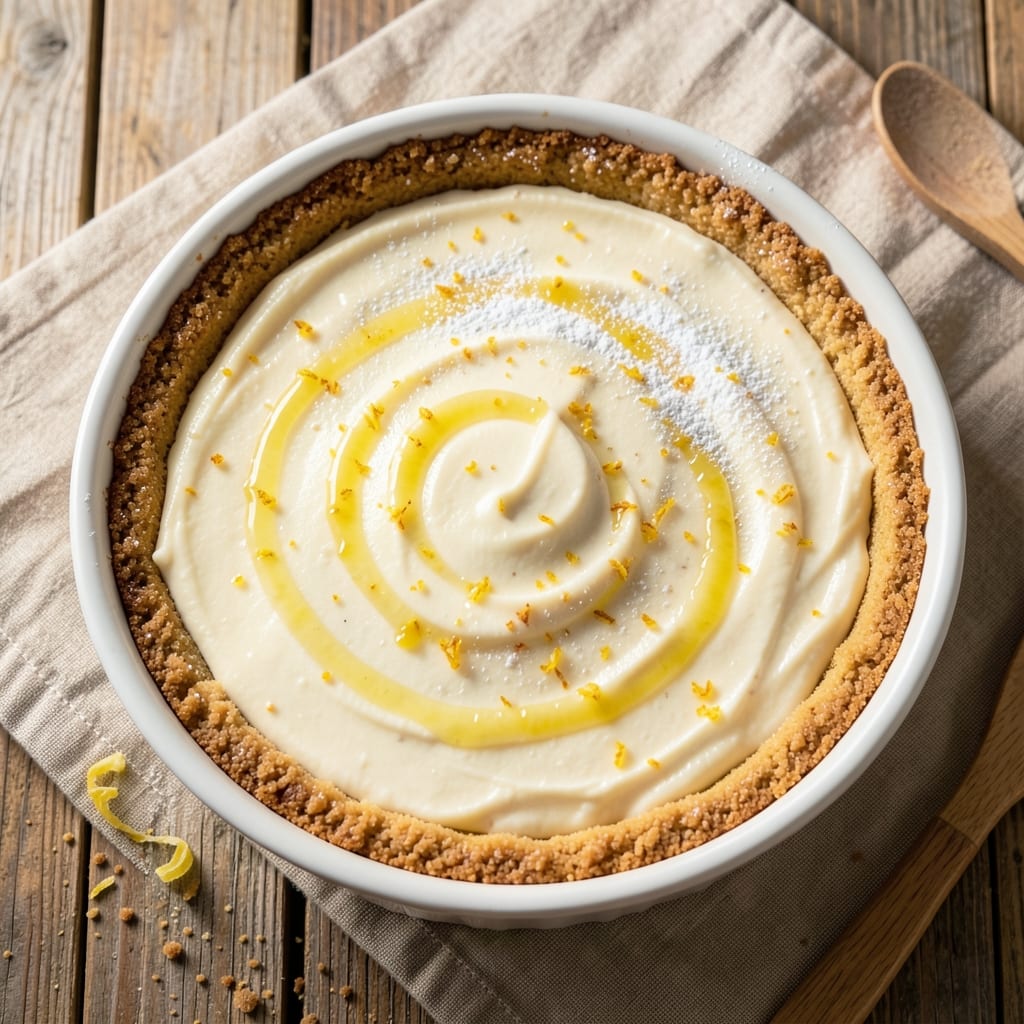
This baked cheesecake recipe with lemon juice delivers a silky-smooth texture that stays crack-free and tangy-sweet in every bite. The secret lies in balancing rich cream cheese with bright citrus—just enough lemon juice to prevent cracks while adding a refreshing lift. I've perfected this method over years of testing, ensuring a dense yet creamy center that sets beautifully without collapsing.
The foundation starts with a buttery graham cracker crust that stays sturdy even after baking, followed by a filling that combines cream cheese, eggs, and sugar in a precise technique. What sets this recipe apart is the lemon juice—it stabilizes the structure while adding that signature zesty tang that cuts through the richness. The result? A cheesecake with a velvety finish and no unwanted cracks.
By the time it emerges from the oven, you'll have a golden-topped cheesecake with a firm yet tender crumb—perfect for slicing into clean, elegant portions. The lemon infusion ensures each slice delivers that bright contrast against the creamy filling, making it ideal for special occasions or when you want to impress. Cooling properly is key to achieving that restaurant-quality texture.
Serve chilled with fresh berries, a drizzle of caramel, or a dusting of powdered sugar for a finishing touch. This recipe builds confidence—no water bath needed, no guesswork about cracks, just foolproof layers of flavor and texture that come together beautifully. Let's get started on creating your perfect cheesecake.
Ingredients for baked cheesecake recipe with lemon juice
Eight essential ingredients balance richness and brightness for a foolproof baked cheesecake.
| Ingredient | Amount | Notes |
|---|---|---|
| Graham Cracker Crumbs 🍪 | 2 cups | Crushed finely, no large pieces |
| Unsalted Butter 🧈 | ¾ cup | Melted, full-fat preferred |
| Granulated Sugar 🍚 | ½ cup | White or light brown |
| Large Eggs 🥚 | 4 whole | Room temperature, separated |
| Cream Cheese 🧀 | 32 oz | Full-fat, room temperature |
| Powdered Sugar 🍚 | ¼ cup | For topping, sifted |
| Fresh Lemon Juice 🍋 | ¼ cup | From 2-3 lemons, freshly squeezed |
| All-Purpose Flour 🌾 | ¼ cup | For stability, sifted |
| Vanilla Extract 🌿 | 1 tbsp | Pure, high-quality |
| Salt 🧂 | ½ tsp | Fine sea salt |
| Heavy Whipping Cream 🥛 | ½ cup | Cold, for topping |
| Lemon Zest 🍋 | 1 tbsp | Freshly grated |
The cream cheese is non-negotiable—full-fat Philadelphia or its equivalent ensures that velvety texture. I always buy a 32-ounce block from Whole Foods or the deli counter, letting it sit at room temperature for 2 hours before mixing (no microwave!). The lemon juice must be freshly squeezed—bottled just won’t cut it. For the crust, graham cracker crumbs from the box work, but I toast them briefly in the butter to deepen the flavor. Diamond Crystal kosher salt is my go-to for precision, though any fine sea salt does the trick.
No vanilla extract? Almond extract at half the amount works in a pinch, but the flavor profile shifts slightly. Running short on eggs? Flax eggs (1 tbsp ground flax + 3 tbsp water per egg) keep the structure intact, though texture may vary. The lemon zest is optional but adds that extra layer of brightness—organic lemons from the grocery store’s produce section work best. For a nut-free option, swap the graham crackers for a digestive biscuit crust (same prep method). And if you’re worried about cracks, baking at 325°F (not 350°F) is your secret weapon.
Store the cheesecake in an airtight container for up to 5 days in the fridge—it actually improves overnight. For longer storage, wrap tightly in plastic wrap and freeze for up to 3 months. The crust stays crisp for 24 hours post-bake, so serve it within that window for the best texture. Room-temperature cheesecake slices more cleanly, so let it sit for 10 minutes before serving. The lemon juice’s acidity means it holds up beautifully to fresh berries or caramel drizzle—just add those after slicing.
Why You'll Love This Recipe
- No-Fuss Assembly: I swear by this recipe because it’s all about mixing, pouring, and waiting—no fancy techniques. Just blend the graham crumbs with melted butter, dump in the cream cheese-sugar-egg-lemon mix, and let the oven do the magic. Honestly, my hands-on time is probably 15 minutes tops.
- Tart Creamy Magic: That lemon juice? It’s the secret weapon turning rich cream cheese into something bright and addictive. The graham crust soaks up just enough sweetness, while the center stays silky—like a hug for your taste buds. (Yes, even on a Tuesday night.)
- Party in a Pan: This cheesecake slices neatly, stays sturdy at room temp, and actually feeds a crowd without looking like a bakery fail. I’ve brought it to potlucks, book clubs, and my mom’s “any excuse for dessert” gatherings—no one ever asks for seconds… okay, fine, they always do.
- Leftovers That Win: The best part? It tastes just as good the next day—if there is one. I’ve wrapped slices in parchment and stashed them in the fridge for breakfast (trust me, it’s a thing). Plus, the ingredients cost less than half of what store-bought fancies charge. Budget-friendly? More like budget genius.
Step-by-step instructions for baked cheesecake with lemon juice
Master this foolproof technique that delivers a crack-free, tangy-sweet cheesecake every time.
Prepare the Crust with Melted Butter
Preheat your oven to 325°F and grease a 9-inch springform pan generously with butter. In a medium bowl, combine the 2 cups graham cracker crumbs with the 0.75 cup melted unsalted butter. Mix until evenly moistened - the crumbs should hold together when pressed.
Press the mixture firmly into the bottom of the prepared pan, using the back of a measuring cup to create an even, compact layer. Bake the crust for 10 minutes to set. This pre-baking step prevents sogginess and ensures a sturdy foundation for your cheesecake filling.
Whip Cream Cheese and Eggs for Lightness
While the crust bakes, beat the 32 oz cream cheese with the 0.5 cup granulated sugar and 0.5 tsp salt in a large mixing bowl until completely smooth and creamy. This should take about 3-4 minutes with an electric mixer on medium speed. Scrape down the sides of the bowl as needed to ensure even mixing.
Add the 4 whole large eggs, one at a time, mixing just until each is fully incorporated after adding. The mixture should be thick but pourable. Here's the thing - overmixing at this stage introduces air that can cause cracks later. Stop mixing as soon as the eggs are combined and the batter looks smooth.
Add Lemon and Flour for Stability
Stir in the 0.25 cup fresh lemon juice, 1 tbsp vanilla extract, 0.25 cup all-purpose flour, and 1 tbsp lemon zest using a rubber spatula. The flour acts as a stabilizer that helps prevent cracking, while the lemon juice and zest add that signature bright tang that balances the richness.
Pour the batter over the pre-baked crust, spreading it evenly with the spatula. Tap the pan gently on the counter a few times to release any air bubbles that may have formed. This step is crucial for achieving a smooth top surface and even baking.
Bake at Low Temperature for Even Cooking
Place the cheesecake in the preheated oven and bake for 50-55 minutes. The center should still appear slightly jiggly when done - this indicates proper doneness. The edges should be set but not browned. I've found that baking at 325°F for this duration creates the perfect balance between a fully set crust and a creamy center.
To test for doneness, gently shake the pan - if the center moves slightly but doesn't wobble excessively, it's ready. Opening the oven door too early can cause temperature fluctuations that lead to cracks, so resist the temptation to check before the minimum baking time.
Cool Gradually and Top Before Serving
Turn off the oven and prop the door open slightly with a wooden spoon. Leave the cheesecake inside to cool gradually for 1 hour. This slow cooling process helps prevent sudden temperature changes that could cause cracking. Once removed from the oven, let it cool completely at room temperature for another 2 hours.
Before serving, whip the 0.5 cup heavy whipping cream with the 0.25 cup powdered sugar until soft peaks form. Spread this light topping over the cheesecake and chill for an additional 30 minutes before slicing. The cream topping adds a final layer of sweetness that complements the tangy lemon flavor throughout.
Pro Tips For Making Baked Cheesecake Recipe With Lemon Juice
- Preheat Like a Boss: Set your oven to 325°F and let it run for at least 20 minutes before baking—no exceptions. I learned this the hard way when my first crust turned soggy because the pan was still cold. The extra time evens out the heat, so the crust sets properly while the filling stays creamy.
- Whip Cream Cheese First: Beat the cream cheese and sugar together until smooth and pale yellow before adding eggs. I used to skip this step, and the batter always ended up lumpy—now it blends like silk. Room-temperature cream cheese is non-negotiable here; if it’s cold, microwave it in 10-second bursts until just soft.
- Avoid Overmixing the Filling: Once you add the eggs, mix just until combined—no more. Overworking the batter introduces air bubbles that cause cracks during baking. I now use a spatula and fold gently, like folding in a delicate sauce, to keep the texture uniform.
- Water Bath Without the Panic: Wrap your springform pan in two layers of heavy-duty foil before placing it in the water bath—this prevents leaks and makes cleanup easier. Fill the bath with hot water (not boiling) up to the bottom third of the pan, and resist the urge to open the oven early. The filling needs a full 50–60 minutes to set properly.
Common mistakes when making great baked cheesecake recipe with lemon juice
Overmixing the Eggs
I can't stress this enough—overmixing the eggs is the #1 cause of cracks in baked cheesecake. When you whip those eggs too vigorously, you introduce too much air into the batter, which creates steam during baking. That steam gets trapped and escapes violently, leaving behind unsightly cracks. The key is to mix just until each egg is fully incorporated—about 10-15 seconds per egg on medium speed. Stop as soon as the batter looks smooth and thick but pourable. 🥚
Skipping the Pre-Bake
Many recipes call for a pre-baked crust, but some home bakers skip this step to save time. Big mistake! A pre-baked crust prevents sogginess and ensures your cheesecake has a sturdy foundation. Without it, the crust absorbs moisture from the filling, leading to a gummy texture. Plus, the crust needs that 10-minute head start to set properly before the filling goes in. Trust me, those extra minutes in the oven make all the difference.
Ignoring Room Temp Ingredients
Cold cream cheese and eggs are the silent saboteurs of perfect cheesecake. When ingredients are straight from the fridge, they don't blend smoothly, leading to lumps and uneven texture. Let your cream cheese sit at room temperature for 2 hours and your eggs for 30 minutes before mixing. Pro tip: Place the cream cheese block on a plate and let it soften while you preheat the oven. No one wants to deal with grainy cheesecake because they rushed this step. 🧀
Opening the Oven Too Soon
Patience is key when baking cheesecake. Opening the oven door early disrupts the gentle baking process, causing temperature fluctuations that lead to cracks. Once your cheesecake goes in, don’t peek until at least 40 minutes have passed. If you must check for doneness, use the gentle shake test—if the center moves slightly but doesn’t wobble excessively, it’s ready. The goal is to maintain that steady 325°F environment until the very end. ⏰
Using Bottled Lemon Juice
Fresh lemon juice is non-negotiable for this recipe. Bottled juice lacks the bright acidity and natural stabilizers that help prevent cracks and add that signature tang. The acidity in fresh lemon juice reacts with the eggs and cream cheese to create a more stable structure. Plus, the flavor is leagues apart—nothing beats the zing of freshly squeezed citrus. If you’re in a pinch, freshly squeezed orange juice can work in a bind, but it won’t give you that same lemony kick. 🍋
Rushing the Cooling Process
Cheesecake needs time to set properly, and cooling too quickly is a surefire way to end up with cracks or a crumbly texture. After baking, turn off the oven and let the cheesecake cool gradually inside for 1 hour with the door slightly ajar. Then, let it cool completely at room temperature for 2 more hours before refrigerating. Skipping this step causes the cheesecake to shrink unevenly as it cools, leading to unsightly cracks or a dense, rubbery texture. Patience here pays off with a silky-smooth result. ⏳
Nutrition facts
Frequently asked questions
Why does lemon juice help prevent cracks in baked cheesecake?
The acidity in lemon juice stabilizes the protein structure of the eggs and cream cheese, creating a tighter network that resists cracking. It also helps balance the richness, making each bite more refreshing. The 0.25 cup in this recipe is just enough to add that zesty tang without overpowering the sweetness.
Can I substitute lemon juice with another citrus for this recipe?
Fresh lemon juice is ideal, but you can use orange juice in a pinch (reduce by 1 tablespoon to account for lower acidity). Lime juice works too, but it adds a sharper flavor. Avoid bottled citrus juices—they lack the natural stabilizers that help prevent cracks and deliver that bright, fresh taste.
How do I know when my cheesecake is fully cooled before slicing?
Your cheesecake is ready when it's completely chilled for at least 4 hours (or overnight). The center should feel firm but still slightly springy to the touch. If it's too warm, the slices will be gummy or collapse. Let it sit at room temperature for 10 minutes before serving to improve texture.
What’s the best way to store leftovers?
Wrap tightly in plastic wrap and store in an airtight container for up to 5 days in the fridge. For longer storage, freeze individual slices (wrapped separately) for up to 3 months. Thaw overnight in the fridge—never at room temperature—to preserve texture. The lemon flavor actually intensifies after a day or two!
Can I make this cheesecake without a springform pan?
Yes! Use a 9-inch oven-safe skillet lined with parchment paper for easy removal. Grease the pan well and press the crust firmly against the sides. After baking, let it cool completely before transferring to a serving plate. The texture will be identical, just with slightly different presentation.