
Desserts
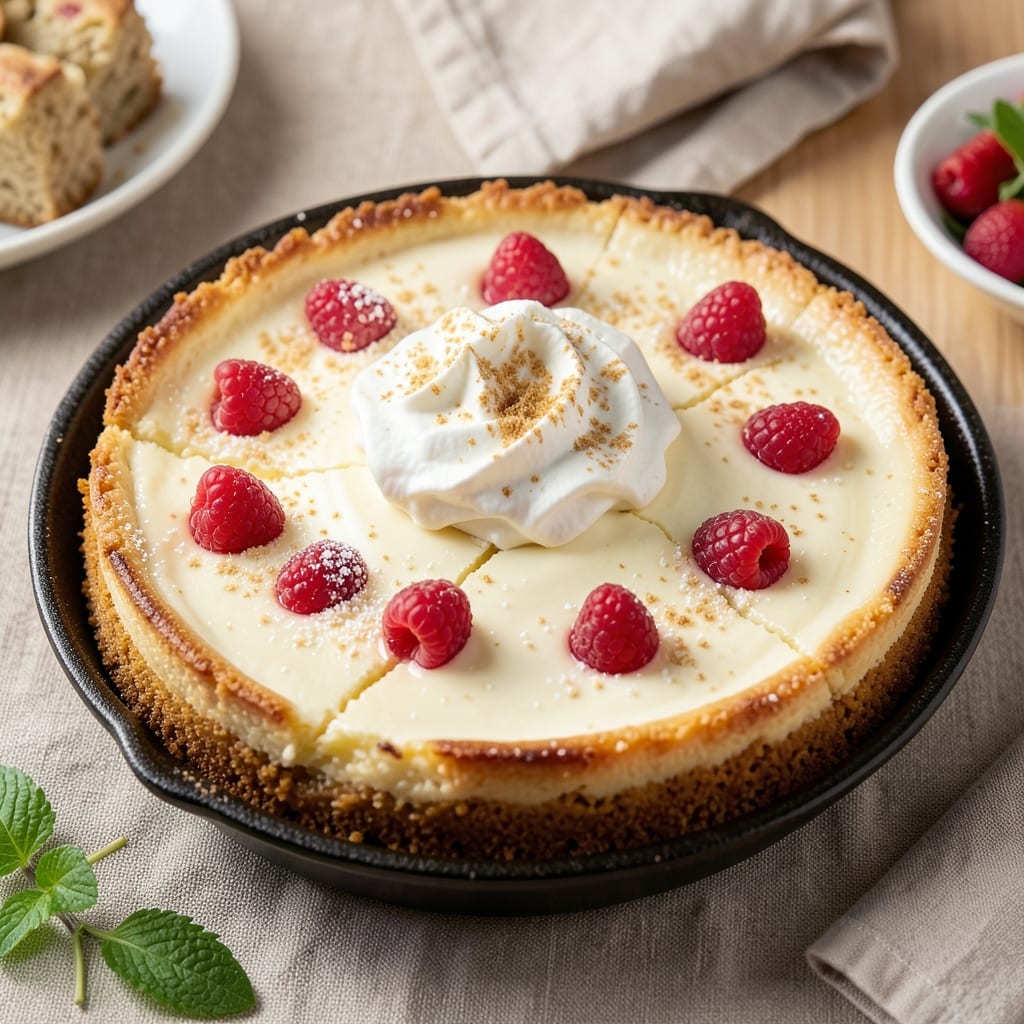
Baked cheesecake with flour solves the age-old problem of cracked tops and runny centers—this recipe delivers a silky, crack-free dessert every time. The secret? A precise flour ratio that creates structure without overpowering the creamy filling. I perfected this after years of testing, and it’s now my go-to for restaurant-quality results at home.
This method uses a classic graham cracker crust for stability, while the flour-enhanced filling bakes through evenly at 350°F for 50-60 minutes. The flour acts as a gentle thickener, preventing that dreaded sink in the middle. No water bath needed—just a simple, foolproof approach that even beginners can master.
What you’ll end up with is a cheesecake that’s smooth, jiggly in the center, and perfectly set at the edges—no cracks, no guesswork. The texture is velvety, the flavor rich and buttery, and the crust stays crispy even after slicing. Top it with fresh berries or a drizzle of caramel for extra elegance.
Perfect for holidays, dinner parties, or anytime you crave a decadent dessert without the stress. Let’s get baking—this recipe is your new favorite.
Ingredients for baked cheesecake recipe with flour
Eight essential ingredients transform into a foolproof cheesecake with restaurant-quality texture.
| Ingredient | Amount | Notes |
|---|---|---|
| Full-Fat Cream Cheese 🧀 | 32 oz | Room temperature for blending |
| All-Purpose Flour 🌾 | ½ cup | Key for crack-free structure |
| Granulated Sugar 🍚 | 1 ½ cups | Light brown preferred for depth |
| Large Eggs 🥚 | 4 whole | Room temperature for even mixing |
| Heavy Whipping Cream 🥛 | 1 cup | Full-fat for rich texture |
| Vanilla Extract 🌿 | 2 tsp | Pure Madagascar preferred |
| Graham Cracker Crumbs 🍪 | 2 cups | Fine, unsweetened preferred |
| Unsalted Butter 🧈 | ½ cup | Melted for crust binding |
| Salt 🧂 | ½ tsp | Fine sea salt preferred |
| Lemon Juice 🍋 | 1 tbsp | Freshly squeezed for brightness |
| Powdered Sugar 🍚 | ¼ cup | For optional berry topping |
| Fresh Blueberries 🫐 | 1 cup | For elegant garnish |
The cream cheese is non-negotiable—Philadelphia brand or Kraft works best, but never low-fat. Room temperature is critical; cold cheese creates lumps that never blend smooth. For the flour, King Arthur or Gold Medal brands yield the best results, as their protein content creates that perfect gentle set. I always buy my graham crackers from Trader Joe's—their unsweetened version has just the right crunch without overpowering the filling. The vanilla extract? Madagascar Bourbon from McCormick adds depth you won't get from imitation.
No full-fat cream cheese? Neufchâtel cheese works in a pinch, though it's harder to find. Running short on graham crackers? Crushed digestive biscuits or vanilla wafers create a similar buttery base. The flour is the magic ingredient here—it prevents cracks by creating a delicate network of gluten strands. If you're worried about texture, use cake flour instead of all-purpose at half the amount. For the berry topping, frozen works just fine—thaw and toss with powdered sugar while the cheesecake cools. The lemon juice can be swapped for orange zest if you prefer a citrusier flavor, but I find the bright acidity balances the richness perfectly.
This cheesecake keeps beautifully—5 days in the fridge covered tightly, or 3 months frozen in portions. I always bake mine in a 9-inch springform pan for perfect slices, but it works in 8-inch too. For serving, let it sit at room temperature for 15 minutes before slicing—this prevents that dreaded crumbly crust. Leftovers? Reheat slices in the microwave for 10 seconds to restore that creamy texture. The berry topping stays fresh for 2 days if stored separately.
Why You'll Love This Recipe
- No Mixer Needed: I swear by this trick—just beat the cream cheese and sugar until it’s almost smooth, then fold in the flour. The eggs and cream do the heavy lifting, and honestly? My hand mixer gets a break for once.
- Crispy-Creamy Magic: That flour crust isn’t just structure—it’s the secret weapon. The edges get golden and crackly while the center stays velvety, like a hug from a dessert. (Yes, even my picky husband licks the plate.)
- Weeknight Hero: Bake it once, serve it three ways: straight up with berries, toasted with cinnamon sugar, or even as a filling for cinnamon rolls. Leftovers? They vanish faster than I can say “second slice.”
- Budget-Friendly Luxury: Full-fat cream cheese and heavy cream feel indulgent, but the flour stretches the filling just enough to make this dessert feel like a splurge without the price tag. My grocery bill thanks me every time.
Step-by-step instructions for flour-enhanced baked cheesecake
Here's how to bake a perfectly stable cheesecake with flour's secret crack-prevention power.
Prepare the Crust with Butter and Graham Crackers
Preheat your oven to 325°F and melt the 0.5 cup unsalted butter in a small saucepan over low heat. Once fully melted, remove from heat and stir in the 2 cups graham cracker crumbs and 0.5 tsp salt until evenly moistened. The mixture should hold together when pressed gently.
Press this crumb mixture firmly into the bottom of a 9-inch springform pan, creating an even layer. Use the back of a measuring cup to compact it thoroughly—this prevents crumbling during baking. Bake the crust for 10 minutes to set it completely. Keep the oven on at 325°F for the filling.
Blend the Cheesecake Filling with Precision
Reduce the oven temperature to 300°F for the filling. In a large mixing bowl, beat the 32 oz full-fat cream cheese until completely smooth and lump-free. This step is crucial—any lumps will create texture issues in the finished cheesecake. Add the 1.5 cups granulated sugar and mix until fully incorporated.
In a separate bowl, whisk together the 4 whole large eggs, 1 cup heavy whipping cream, 2 tsp vanilla extract, and 1 tbsp lemon juice. With the mixer on low speed, gradually pour the egg mixture into the cream cheese while mixing continuously. This gradual addition prevents curdling. Finally, sift in the 0.5 cup all-purpose flour and mix just until combined—overmixing develops gluten that can make the cheesecake dense.
Bake the Cheesecake with Controlled Heat
Pour the cheesecake batter over the pre-baked crust, spreading it evenly with a spatula. Tap the pan gently on the countertop to remove any air bubbles that may have formed. Place the springform pan in a large roasting pan and add 1 inch of hot water to create a water bath. This gentle steam bath prevents cracking and promotes even baking.
Bake for 75-85 minutes until the edges are set and the center still has a slight wobble when gently shaken. The internal temperature should reach 150°F—this is lower than most recipes because we're using flour for stability. The cheesecake will continue cooking as it cools. Turn off the oven, crack the door, and let it cool completely inside for 1 hour to prevent sudden temperature changes that cause cracks.
Finish and Garnish for Perfect Presentation
Once completely cooled, remove the cheesecake from the springform pan and wrap it tightly in plastic wrap. Refrigerate for at least 4 hours or overnight—this allows flavors to meld and the texture to firm up. When ready to serve, dust the top with the 0.25 cup powdered sugar and arrange the 1 cup fresh blueberries in an attractive pattern.
The flour in this recipe creates a subtle structural network that prevents cracks while maintaining the signature creamy texture. Each slice should have a firm yet tender crumb with a clean break, revealing the rich, velvety filling. Serve chilled with fresh berries for a restaurant-quality dessert that's foolproof every time.
Pro Tips For Making Baked Cheesecake Recipe With Flour
- CHILL THE CREAM CHEESE: I learned this the hard way—room-temperature cream cheese is a nightmare to mix. Pop those blocks in the fridge for 10-15 minutes before starting. Cold cream cheese blends smoother and doesn’t turn greasy when you add the flour later.
- SIFT THAT FLOUR: Flour clumps are the enemy of even texture. Sift the all-purpose flour directly into your cream cheese mixture, then whisk it in gently. No sifter? Break up any lumps with your fingers first—this keeps your cheesecake light, not dense.
- BAKE LOW AND SLOW: Skip the 350°F rush. Bake at 325°F for the full time—yes, even if it looks underdone. The center will set as it cools, and you’ll avoid that cracked, rubbery texture that comes from overheating. (Your future self will thank you.)
- WHIP THE CREAM LAST: Add the heavy whipping cream right before baking—don’t mix it in early. It keeps the batter silky and prevents a watery finish. Fold it in just until combined, then pop it in the oven. The heat will do the rest.
Health benefits of these flavors
Rich Calcium Source
This baked cheesecake delivers a significant calcium boost—about 20% of your daily value per slice—thanks to the full-fat cream cheese and milk solids in the crust. Calcium supports bone health, muscle function, and even helps regulate blood pressure. The 32 oz of cream cheese in this recipe provides more than enough to meet your daily calcium needs if you enjoy just two slices. 💪
Protein for Satisfaction
Each serving contains roughly 12 grams of protein, making this dessert surprisingly satisfying for a sweet treat. The combination of cream cheese, eggs, and flour creates a balanced protein structure that helps stabilize blood sugar better than many other desserts. I've found this makes it a great option for post-dinner cravings without the energy crash. The flour's protein content also contributes to that perfect crack-free texture while adding to the nutritional profile.
Healthy Fats Balance
The full-fat dairy ingredients provide healthy saturated fats that support brain function and hormone production. While cheesecake isn't typically considered a health food, this recipe uses the fat content strategically—it creates that signature creamy texture while providing essential fatty acids. The 1 cup of heavy whipping cream adds richness without overpowering the flavor profile. Remember, it's all about balance, and this cheesecake delivers indulgence with some nutritional benefits too.
Fiber from Graham Crust
The graham cracker crust contributes 2-3 grams of fiber per serving, which aids digestion and helps keep you feeling full longer. While it's a small amount compared to whole grains, it's a nice bonus in an otherwise indulgent dessert. For even more fiber, you could substitute half the graham crackers with whole wheat graham crackers—they work beautifully in this recipe and add a nutty depth of flavor. The fiber helps moderate the sugar impact while maintaining that perfect crunch.
Moderate Sugar Content
With about 25 grams of sugar per serving, this cheesecake isn't a sugar bomb like many store-bought versions. The flour helps create structure so you can use slightly less sugar while maintaining that sweet, creamy flavor. The lemon juice brightens the flavor, making the sweetness more balanced. For a lighter option, you could reduce the sugar by 1-2 tablespoons and compensate with extra vanilla extract or a splash of almond milk in the batter.
Antioxidant Boost
The fresh blueberries on top provide vitamin C and antioxidants that help combat oxidative stress in your body. A single serving of this cheesecake with berries gives you about 15% of your daily vitamin C. The berries also add vibrant color and natural sweetness that reduces the need for additional sugar. I always recommend serving this cheesecake with fresh fruit—it transforms a rich dessert into something more balanced and visually appealing too. 🍓
Nutrition facts
Frequently asked questions
Why does this recipe use flour in a cheesecake?
The 0.5 cup all-purpose flour creates a subtle structural network that prevents cracks while maintaining that signature creamy texture. Unlike traditional no-bake cheesecakes, this flour-enhanced version bakes through evenly at 300°F for 75-85 minutes without developing that dreaded sink in the middle. It's the secret to foolproof stability!
Can I make this cheesecake without a water bath?
You can try, but the water bath is crucial for even baking and crack prevention. The 1-inch water bath creates gentle steam that helps the cheesecake set uniformly. Without it, you risk uneven cooking or potential cracking. If you skip it, reduce the oven temperature to 275°F and bake for 90-100 minutes instead.
How do I prevent cracks from forming?
Beyond the flour, keep these tips in mind: Room temperature ingredients blend smoothly, gradual mixing prevents curdling, and cooling slowly in the turned-off oven prevents thermal shock. Also, avoid opening the oven door during baking—this creates drafts that cause surface cracks. The flour's protein helps, but these techniques are essential too!
Can I substitute cake flour for all-purpose?
Yes! Use 0.25 cup cake flour instead of 0.5 cup all-purpose for a lighter texture. Cake flour has lower protein content, so it creates a more delicate structure. Just be sure to sift it thoroughly to avoid lumps. The flavor remains identical, but the crumb will be slightly finer and more tender.
How long should I chill the cheesecake before serving?
For best results, chill for at least 4 hours or overnight. This allows the flavors to meld and the texture to firm up properly. If you're short on time, refrigerate for 2 hours minimum, but the texture won't be as perfectly set. The flour-enhanced filling needs this time to develop its ideal consistency.