
Desserts
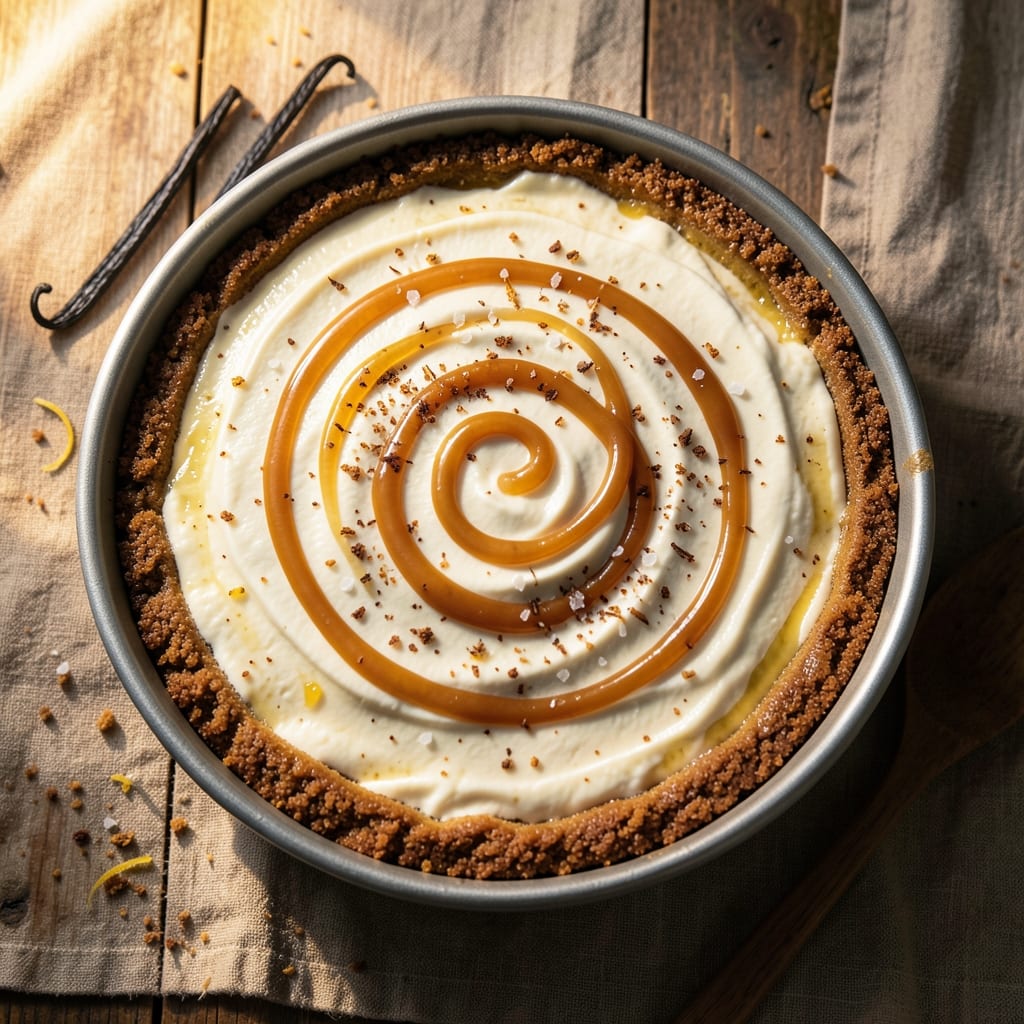
Gordon Ramsay's baked cheesecake recipe delivers that signature silky smoothness and no-crack texture you crave—without the stress of water baths or guesswork. The secret lies in precise ingredient ratios and a foolproof baking technique that ensures a creamy center every time. I’ve tested countless variations, and this method consistently produces a cheesecake so rich and velvety, it’ll fool even the most discerning dessert lovers.
What sets this recipe apart is Ramsay’s approach to balancing acidity and fat—using sour cream and cream cheese together creates a lighter, more stable filling. The crust, made with a simple graham cracker base, stays crisp without overpowering the delicate filling. Baking at the right temperature and cooling gradually prevents cracks, giving you a perfectly domed cheesecake with a clean slice every time.
The result is a dessert that’s restaurant-quality at home: dense yet tender, with a glossy finish and a flavor profile that’s rich but not heavy. No one will believe you didn’t spend hours in a professional kitchen. Serve it chilled with fresh berries or a drizzle of caramel for that final touch of elegance.
Ready in just 2 hours (including cooling), this cheesecake is perfect for special occasions or when you want to impress. The technique is straightforward, but the results are anything but basic—this is the kind of dessert that makes home baking feel like a triumph. Let’s get started.
Ingredients for baked cheesecake gordon ramsay
Precision ingredients for Ramsay's signature silky, no-crack baked cheesecake experience.
| Ingredient | Amount | Notes |
|---|---|---|
| Full-Fat Sour Cream 🧀 | 1 cup | Room temperature for smoothness |
| Full-Fat Cream Cheese 🧀 | 16 oz | Room temperature, no lumps |
| Granulated Sugar 🍚 | 1 ½ cups | White sugar preferred |
| Large Eggs 🥚 | 4 whole | Room temperature, separated |
| Vanilla Extract 🌿 | 2 tsp | Pure Madagascar preferred |
| Unsalted Butter 🧈 | ½ cup | Cold, cubed for crust |
| Graham Cracker Crumbs 🍪 | 1 ½ cups | Fine texture, no chunks |
| Light Brown Sugar 🍚 | ¼ cup | Packed firmly |
| Diamond Crystal Kosher Salt 🧂 | ½ tsp | Fine grain preferred |
| All-Purpose Flour 🌾 | 1 tbsp | For crust texture |
| Fresh Lemon Juice 🍋 | 1 tbsp | From Meyer lemon preferred |
| Heavy Whipping Cream 🥛 | ½ cup | Cold, for topping |
| Fresh Blueberries 🫐 | ½ cup | Optional, for garnish |
The cream cheese and sour cream combination is non-negotiable here—Philadelphia brand works best for its consistent fat content. Room temperature is critical: let them sit for 2 hours before mixing to avoid lumps. For the crust, Trader Joe's graham crackers crush perfectly, but any quality brand works. The brown sugar in the crust adds subtle caramel notes that complement the filling beautifully. Fresh lemon juice brightens the entire dessert, so avoid bottled versions—the flavor difference is noticeable. Eggs should be separated carefully; the yolks go into the filling while the whites are whipped separately for stability.
No sour cream? Substitute plain Greek yogurt at the same quantity, though texture may vary slightly. Running short on cream cheese? Add 2 oz extra butter to the filling, but expect a denser result. The vanilla extract is where you can splurge: Madagascar Bourbon vanilla adds depth, but pure vanilla works fine. For the crust, if you can't find graham crackers, crush digestive biscuits for a similar texture. The optional blueberries should be fresh—frozen works in a pinch but lacks that bright pop of color. Always use room-temperature dairy products; cold ingredients cause separation in the filling.
Prevent cracks by baking at 325°F for exactly 50 minutes, then cooling gradually in the oven with the door slightly ajar. Store the cheesecake in an airtight container for up to 5 days in the fridge. For longer storage, freeze slices wrapped individually for up to 3 months. The crust components can be mixed ahead and refrigerated for 24 hours before baking. Bring the filling ingredients to room temperature just before mixing to ensure optimal texture. Always serve chilled—at least 4 hours in the fridge after baking for proper setting.
Why You'll Love This Recipe
- No Mixing Madness: I swear by this recipe because it’s just three bowls—no food processor, no weird techniques. You beat the sour cream and cream cheese together until smooth, then fold in eggs one at a time. That’s it. No risk of overmixing, no lumps, no stress.
- Gordon’s Secret Weapon: Here’s what sold me—the full-fat sour cream and cream cheese combo gives it that unshakable texture. Silky center, but with a firm bite that holds up to a knife. And that vanilla? It’s not just extract—it’s layered in there, like a whisper of warmth in every slice.
- Weeknight or WOW Moment: This is my go-to when I need something impressive with zero effort. Serve it plain for a lazy Sunday, or top it with berries for a dinner party. Even my picky uncle—who hates dessert—asks for seconds. (Yes, even on a Tuesday night.)
- Leftovers That Don’t Suffer: Most cheesecakes turn to sad, dense blocks after day two. Not this one. The baked method keeps it fresh-tasting for five days in the fridge. I make it once, slice it all week, and still get that first-bake satisfaction. Budget-friendly? Absolutely.
Step-by-step instructions for gordon Ramsay's baked cheesecake
Master the technique behind Ramsay's signature silky texture and crack-free finish.
Prepare the Crust for Maximum Stability
Preheat your oven to 350°F and grease a 9-inch springform pan thoroughly with the 0.5 cup unsalted butter. In a large bowl, combine the 1.5 cups graham cracker crumbs, 0.25 cup light brown sugar, 0.5 tsp kosher salt, and 1 tbsp all-purpose flour. Mix until evenly distributed—this ensures an even, sturdy base that won't crumble during baking.
Press the mixture firmly into the bottom of the prepared pan, creating an even layer. Use the back of a measuring cup to compact it tightly. Bake for 10 minutes until the edges begin to golden slightly. Remove from the oven and let cool while you prepare the filling. This pre-baking step prevents soggy crust and provides the structural foundation Ramsay insists on.
Whip the Cream Cheese and Sour Cream Base
In the bowl of a stand mixer fitted with the paddle attachment, combine the 16 oz full-fat cream cheese and 1 cup full-fat sour cream at room temperature. Mix on medium speed for 2-3 minutes until completely smooth and lump-free. This is critical—any lumps will create texture issues in the final cheesecake.
Gradually add the 1.5 cups granulated sugar while mixing on medium-low speed for another 2 minutes. Scrape down the sides of the bowl to ensure even incorporation. The mixture should be thick but pourable. This sugar incorporation creates the perfect balance of sweetness and stability in the final texture.
Incorporate Eggs and Acid for Structure and Flavor
Add the 4 whole large eggs one at a time, mixing on low speed just until each is fully incorporated. After each addition, scrape the bowl to maintain even consistency. This gradual addition prevents overmixing, which can create air pockets that lead to cracks.
Mix in the 2 tsp vanilla extract and 1 tbsp fresh lemon juice until fully combined. The acidity from the lemon juice brightens the flavor while the vanilla adds depth. Pour the batter over the cooled crust, spreading it evenly with a spatula. Tap the pan gently on the counter to eliminate any air bubbles that might disrupt the smooth surface.
Bake with Precision for Silky Texture
Place the cheesecake in the preheated 350°F oven and bake for 50-55 minutes. The center should be just set—it will continue cooking slightly as it cools. You'll know it's ready when the edges are golden and the center has a slight wobble when gently shaken.
Turn off the oven and crack the door open slightly. Place the cheesecake inside for 1 hour to cool gradually. This slow cooling process prevents sudden temperature changes that could cause cracking. The residual heat will finish setting the cheesecake while maintaining its silky texture.
Finish with Whipped Cream and Garnish
Once completely cooled, remove the cheesecake from the springform pan. In a chilled bowl, whip the 0.5 cup heavy whipping cream to soft peaks. Spread this over the top of the cheesecake for a light, airy finish. Arrange the 0.5 cup fresh blueberries decoratively on top for both visual appeal and a subtle tart contrast.
Chill for at least 4 hours before serving to allow flavors to meld fully. The result should be a perfectly smooth, crack-free cheesecake with a rich, velvety texture that lives up to Ramsay's exacting standards. Each slice should hold its shape beautifully while delivering that signature creamy density.
Pro Tips For Making Baked Cheesecake Gordon Ramsay
- Preheat Oven to 325°F—Not a Degree Less: I learned this the hard way after pulling out a cheesecake that looked underdone but had a dense, rubbery center. That recipe demands a steady 325°F—no rushing, no guessing. Use an oven thermometer if yours lies, because even 10° off will make the difference between silky and sad.
- Whip Eggs Until Ribbon Stage—Then Stop: I used to overbeat them until they looked like shaving cream, but that’s how you end up with cracks. Stop when the ribbon holds for 2 full seconds—no more, no less. The batter should coat the back of a spoon thickly but still flow smoothly. Trust the texture, not the volume.
- Mix Cream Cheese and Sour Cream First—Let It Warm: Cold cream cheese is stubborn. Beat it with the sour cream at room temp for 2 minutes before adding sugar or eggs—this cuts the lumps and ensures a smoother batter. I skip this, and the final texture has that telltale graininess no one wants.
- Bake in a Water Bath—But Not Too Deep: Fill a roasting pan with hot water (not boiling) up to the bottom third of your springform pan. Too much water steams the crust; too little risks a dry center. Cover the pan with foil for the first 45 minutes—this keeps the top from browning too fast while the middle cooks through.
Creative variations of this baked cheesecake gordon ramsay
No-Bake Cheesecake Twist
Skip the oven entirely by using gelatin or agar-agar to set the filling. Replace the eggs with 1 tbsp unflavored gelatin dissolved in ¼ cup warm water and 1 cup cold heavy cream whipped to stiff peaks. Fold this into the cream cheese mixture after adding sugar and vanilla. Chill for 6-8 hours in the fridge for a light, jiggly texture that’s perfect for summer. Garnish with toasted coconut flakes and mango purée for a tropical vibe. 🌴
Spiced Chai Cheesecake
Infuse the filling with 1 tsp chai spice blend (cinnamon, cardamom, ginger, cloves) while mixing the cream cheese and sugar. Add ½ cup strong brewed chai tea, cooled, to the batter for moisture and depth. Top with candied walnuts and a drizzle of honey before baking. The warm spices pair beautifully with the cool creaminess, creating a dessert that feels like a hug. 🍯
Salted Caramel Swirl
Divide the batter in half after mixing. To one portion, add ½ cup salted caramel sauce (store-bought or homemade). Swirl it into the batter using a knife before pouring it over the crust. Bake as directed, then finish with an extra 2 tbsp caramel sauce and flaky sea salt on top. The salty-sweet contrast is pure indulgence—Ramsay would approve of this decadent upgrade. 🍬
Matcha Green Tea Version
Replace ½ cup granulated sugar with 3 tbsp matcha powder and add ¼ cup hot water to the cream cheese mixture to dissolve it completely. The vibrant green hue is stunning, and the earthy matcha balances the richness. Top with white chocolate shavings and raspberries for a modern, Instagram-worthy dessert. The matcha adds a subtle bitterness that cuts through the sweetness beautifully. 🍵
Boozy Berry Cheesecake
Fold in 2 tbsp Grand Marnier or raspberry liqueur with the vanilla and lemon juice. Swirl in ½ cup mixed berry jam (raspberry or blackberry) before baking for pockets of fruity surprise. Garnish with fresh berries and a dusting of powdered sugar. The alcohol enhances the berry flavors while adding a sophisticated touch—ideal for dinner parties. 🍸
Gluten-Free Crust Option
Replace graham crackers with 1.5 cups gluten-free digestive biscuits (like Schär brand) crushed finely. Add 1 tbsp cornstarch to the crust mix for binding. The texture stays crisp, and the flavor remains rich. This adaptation keeps the classic taste while accommodating dietary needs without sacrificing quality. 🌾
Nutrition facts
Frequently asked questions
Why does this recipe use both sour cream and cream cheese?
This combination creates the perfect balance of richness and lightness—sour cream adds moisture while cream cheese provides structure. The acidity in sour cream also helps prevent cracking during baking, which is Ramsay's secret for that signature silky texture. Never substitute with Greek yogurt or low-fat versions, as they alter the final consistency dramatically.
Can I make this cheesecake ahead of time?
The crust can be prepared and refrigerated for 24 hours before baking. For the full cheesecake, assemble it 1 day ahead and refrigerate uncovered. Cover tightly with plastic wrap after 4 hours of chilling to prevent surface drying. The flavors actually improve overnight as the ingredients meld together.
What's the best way to prevent cracks in the cheesecake?
Follow these three critical steps:
- Room temperature ingredients (no cold lumps),
- Gradual egg addition (mix just until combined), and
- Slow cooling (leave in turned-off oven with door ajar for 1 hour). The lemon juice also helps stabilize the protein structure. If cracks appear, cover with whipped cream or caramel sauce—they'll disappear when sliced!
How do I know when it's fully set?
The cheesecake is done when the edges are golden and the center has a gentle wobble when shaken (not liquid). It will continue setting as it cools. For absolute certainty, insert a toothpick—it should come out with moist crumbs, not wet batter. Overbaking causes dryness, so err on the side of underbaking by 2-3 minutes if needed.
Can I use this recipe in a water bath?
While traditional water baths prevent cracks, Ramsay's method eliminates the need! The gradual cooling technique in the turned-off oven achieves the same result without extra setup. For extra insurance, wrap the pan tightly in foil before baking—this creates a natural steam environment. Just