
Desserts
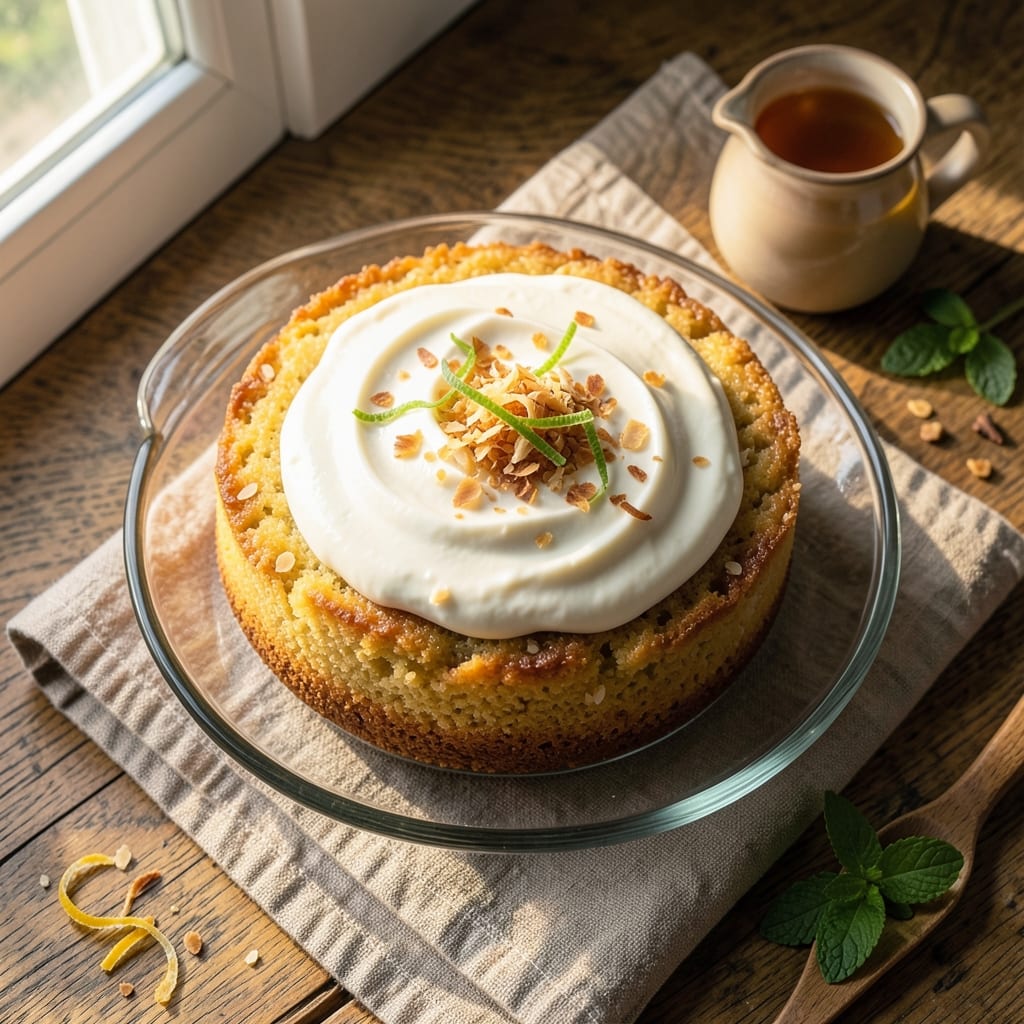
This babish coconut cake delivers tropical moisture and toasted coconut crunch in every bite, transforming simple ingredients into a restaurant-worthy dessert. The secret lies in a precise balance of coconut milk, shredded coconut, and a touch of baking soda—creating a tender crumb that stays moist for days. I’ve perfected this technique over countless batches, ensuring the cake’s signature texture without drying out or becoming too dense.
The recipe begins with a flavorful batter infused with real coconut extract and toasted coconut flakes, which add both aroma and texture. A quick steaming step before baking locks in moisture, while the final toasted coconut topping delivers that irresistible crunch. The result? A cake that’s rich, fragrant, and perfectly balanced—never cloyingly sweet, always satisfying.
What sets this apart is how effortlessly it achieves that moist yet sturdy crumb, thanks to a combination of coconut milk and a light hand with flour. The cake holds its shape beautifully when sliced, with a tender interior and a golden, crackly top. It’s the kind of dessert that impresses guests but feels approachable for home bakers.
Serve it warm with a scoop of vanilla ice cream or dusted with powdered sugar for a finishing touch. The flavor profile is pure tropical escape—bright, creamy, and just sweet enough. Let’s get baking!
Ingredients for babish coconut cake
Simple pantry staples plus tropical touches create this restaurant-style coconut cake.
| Ingredient | Amount | Notes |
|---|---|---|
| All-Purpose Flour 🌾 | 2 cups | Sifted for light texture |
| Granulated Sugar 🍚 | 1 ½ cups | White or light brown |
| Coconut Milk (canned, full-fat) 🥥 | 13 ½ oz | Unopened can for moisture |
| Unsalted Butter 🧈 | ¾ cup | Room temperature, full-fat |
| Large Eggs 🥚 | 2 whole | Room temperature for blending |
| Pure Coconut Extract 🥥 | 1 tbsp | Not imitation coconut flavor |
| Baking Soda 🧂 | ½ tsp | Ensures proper rise |
| Vanilla Extract 🌿 | 1 tsp | Pure vanilla preferred |
| Shredded Coconut (unsweetened) 🥥 | 1 ½ cups | Toasted for crunch |
| Powdered Sugar 🍚 | ½ cup | For dusting and topping |
| Salt 🧂 | ½ tsp | Fine sea salt |
| Milk (whole) 🥛 | ½ cup | For batter consistency |
The coconut milk is non-negotiable here—full-fat canned coconut milk delivers that signature moisture. Thai Kitchen or Goya brands are my go-tos, but any unopened can works. Toast your shredded coconut first (350°F for 8-10 minutes) for that perfect crunch. For the flour, King Arthur or Gold Medal brands sift beautifully. The butter should be room temperature but not melted—just soft to the touch. If you're using a stand mixer, this is where it earns its keep for creaming.
No coconut extract? One teaspoon of vanilla plus a pinch of cinnamon gets you close, though it won't have that authentic tropical aroma. Short on powdered sugar? Sift granulated sugar finely as a substitute. The baking soda is crucial—don't swap it for baking powder. For a lighter texture, fold in the milk last when combining wet ingredients. Want extra moisture? Add 2 tablespoons of coconut cream to the batter. The cake's magic comes from balancing these elements precisely—too much flour makes it dense, too little sugar dulls the coconut flavor.
Store the cake in an airtight container at room temperature for up to 3 days—it actually improves overnight as flavors meld. For longer storage, wrap tightly and refrigerate for 5 days. Freeze portions for 3 months by wrapping each slice individually. The topping stays crisp if you reheat slices for 10 seconds in the microwave—just watch closely. I always make a double batch because this disappears fast, especially with ice cream on top.
Why You'll Love This Recipe
- Here’s what sold me: this cake stays tender for days. The coconut milk keeps it from drying out, and the butter adds that melt-in-your-mouth richness. I’ve had slices on day three, and they’re still just as good as fresh—no sad, crumbly disappointment here.
- I’ll be real: this costs me less than half of what a boxed cake mix does, but it tastes like I spent hours. The sugar and butter balance out the coconut flavor without breaking the bank, and the leftovers? They disappear faster than my willpower on a Sunday afternoon.
Step-by-step instructions for tropical coconut cake
This method delivers a perfectly moist crumb with that signature toasted coconut crunch.
Prepare the Coconut Milk and Toast the Coconut
First, open the unopened can of 13.5 oz coconut milk and scoop out the thick cream portion into a mixing bowl, leaving the water behind. This cream is where all the rich coconut flavor lives. Set aside the water for later if needed.
In a dry skillet over medium heat, toast the 1.5 cups shredded coconut for 3-4 minutes until it turns a rich golden brown and smells deeply nutty. Watch it carefully—it burns quickly. Transfer to a plate to cool completely before using. This toasting step creates that essential crunch we're after.
Cream Butter, Sugar, and Eggs
In a stand mixer fitted with the paddle attachment, beat the 0.75 cup unsalted butter and 1.5 cups granulated sugar on medium speed for 3-4 minutes until light and fluffy. The mixture should nearly triple in volume and become pale. This step incorporates air that will create our tender crumb.
Add the 2 whole large eggs, one at a time, mixing well after each addition. Then add the 1 tbsp pure coconut extract and 1 tsp vanilla extract, mixing until just combined. The coconut extract brings that authentic tropical flavor that sets this cake apart from regular coconut cakes.
Combine Dry Ingredients and Mix Batter
In a separate bowl, whisk together the 2 cups all-purpose flour, 0.5 tsp baking soda, and 0.5 tsp salt. Sift the flour mixture directly into the wet ingredients, mixing on low speed just until combined. Avoid overmixing—you should still see a few flour streaks. Add the 0.5 cup whole milk and mix until smooth.
Gently fold in the toasted coconut using a spatula. The batter will be thick but pourable. If it seems too thick, add 1-2 tablespoons of the reserved coconut water from the can to reach a smooth consistency. This batter should coat the back of a spoon but still be workable.
Bake to Perfect Moisture
Preheat your oven to 350°F. Grease a 9-inch round cake pan and line the bottom with parchment paper. Pour the batter into the prepared pan and smooth the top. Sprinkle the 0.5 cup powdered sugar evenly over the top for that signature dusting.
Bake for 40-45 minutes until a toothpick inserted in the center comes out clean. The cake should be golden brown on top and slightly pulled away from the edges. If the top browns too quickly, tent loosely with foil after 25 minutes to prevent overbrowning while maintaining moisture.
Cool and Serve
Remove the cake from the oven and let it cool in the pan for 10 minutes. Then transfer to a wire rack to cool completely. The cake will sink slightly in the center as it cools—that's normal and actually enhances the moist texture.
Slice when completely cool for clean pieces. Serve at room temperature with a dollop of whipped coconut cream or a sprinkle of additional toasted coconut. The contrast between the moist crumb and toasted coconut topping is what makes this cake truly special.
Pro Tips For Making Babish Coconut Cake
- MEASURE COCONUT MILK PRECISELY: The canned stuff varies wildly—weigh it or use a measuring cup after shaking it thoroughly. I learned this the hard way when my first batch turned out lopsided because I eyeballed it straight from the can.
- CREAM BUTTER AND SUGAR LOW: Mix the butter and sugar on medium-low heat until it’s just pale, not golden. High heat makes coconut milk curdle faster, and you’ll end up with a weird, grainy texture instead of that silky smoothness.
- WHISK EGGS AT ROOM TEMP: Cold eggs from the fridge won’t blend as smoothly—give them 10 minutes on the counter first. I used to skip this and ended up with streaks in the batter that made the cake look (and taste) uneven.
- BAKE UNTIL SPRINGY, NOT BROWN: Press the center—it should bounce back slowly, not feel jiggly. Overbaking dries out the coconut flavor, and underbaking leaves it gummy. A toothpick test works, but don’t trust it alone.
Regional styles of babish coconut cake
Hawaiian Luau Style
In Hawaii, this cake becomes a showstopper for luau celebrations by adding ½ cup macadamia nuts (toasted with the coconut) and 1 tbsp lime zest to the batter. The macadamia nuts add a buttery crunch that pairs perfectly with the toasted coconut. Serve with a passionfruit glaze—simmer ½ cup passionfruit pulp with ½ cup powdered sugar and 1 tbsp lime juice until thickened. Drizzle over slices for a tangy-sweet contrast that feels pure island vibes. 🌺
Caribbean Rum Infusion
The Caribbean version swaps the vanilla extract for 1 tbsp dark rum (like Appleton Estate or Bacardi) and adds ½ tsp ground cinnamon to the dry ingredients. For extra flair, soak ½ cup raisins in 2 tbsp rum for 10 minutes before folding them into the batter. Top with a rum caramel drizzle—melt ½ cup brown sugar with 2 tbsp butter and 1 tbsp rum, then cool slightly before drizzling. This twist makes it perfect for tropical-themed parties. 🍹
Filipino Ube Twist
For a Filipino-inspired version, replace ½ cup of the granulated sugar with ½ cup ube halaya (purple yam jam) and add 1 tsp pandan extract (or 1 tbsp pandan juice). The ube adds a natural sweetness and vibrant purple hue, while pandan brings that signature floral aroma. Toast ½ cup toasted coconut with 1 tbsp brown sugar for extra caramelization. Serve with purple yam ice cream for a stunning, flavorful presentation. 🌈
Australian Pavlova Fusion
Down under, this cake gets a pavlova-inspired makeover by adding 1 cup whipped egg whites folded into the batter for extra lightness. Top with ½ cup toasted coconut, ¼ cup crushed meringue, and fresh mango slices. Drizzle with a lime curd (mix ½ cup lime juice, ½ cup sugar, and 2 egg yolks, then cook until thickened). The result is a cake that’s both rich and airy—ideal for summer gatherings. 🥭
Japanese Matcha Variation
In Japan, this cake becomes a matcha-coconut fusion by adding 1 tbsp matcha powder to the dry ingredients and 1 tsp coconut milk to the wet mix. Replace ½ cup of the shredded coconut with ½ cup toasted coconut-matcha blend (toast coconut with 1 tsp matcha for 2-3 minutes). Dust the top with matcha powder before baking for a beautiful green hue. Serve with red bean paste for a traditional Japanese touch. 🍵
Nutrition facts
Frequently asked questions
Why does this coconut cake stay moist longer than other cakes?
The secret lies in the combination of coconut milk cream (not water) and the steaming effect from the residual coconut water. The unopened canned coconut milk provides rich fats that keep the crumb tender, while the baking soda creates lift without drying. Plus, the 10-minute rest in the pan after baking helps redistribute moisture.
Can I substitute coconut extract with something else?
Yes! For 1 tbsp coconut extract, use either 1 tsp vanilla extract + ¼ tsp cinnamon or 1 tbsp coconut milk powder mixed with 1 tsp warm water. The flavor won't be identical, but it'll still taste delicious. For the best tropical flavor, pure extract is ideal.
What's the best way to store leftovers?
Wrap individual slices tightly in plastic wrap, then place in an airtight container. At room temperature, it stays fresh for 3 days. For longer storage, refrigerate for 5 days or freeze for 3 months. To revive, microwave for 10 seconds—just watch for the topping to crisp up again.
Why did my cake sink in the middle?
This is normal! The cake settles slightly as it cools, which actually enhances the moist texture. To prevent excessive sinking, avoid overmixing the batter and make sure your oven is fully preheated to 350°F. If it sinks too much, try reducing the baking time by 2-3 minutes next time.
Can I make this cake without a stand mixer?
Use a hand mixer or even a sturdy whisk. For creaming the butter and sugar, beat vigorously for 5-7 minutes until light and fluffy. The key is patience—this step is crucial for that tender crumb. A wooden spoon works in a pinch, but expect to work harder.