
Desserts
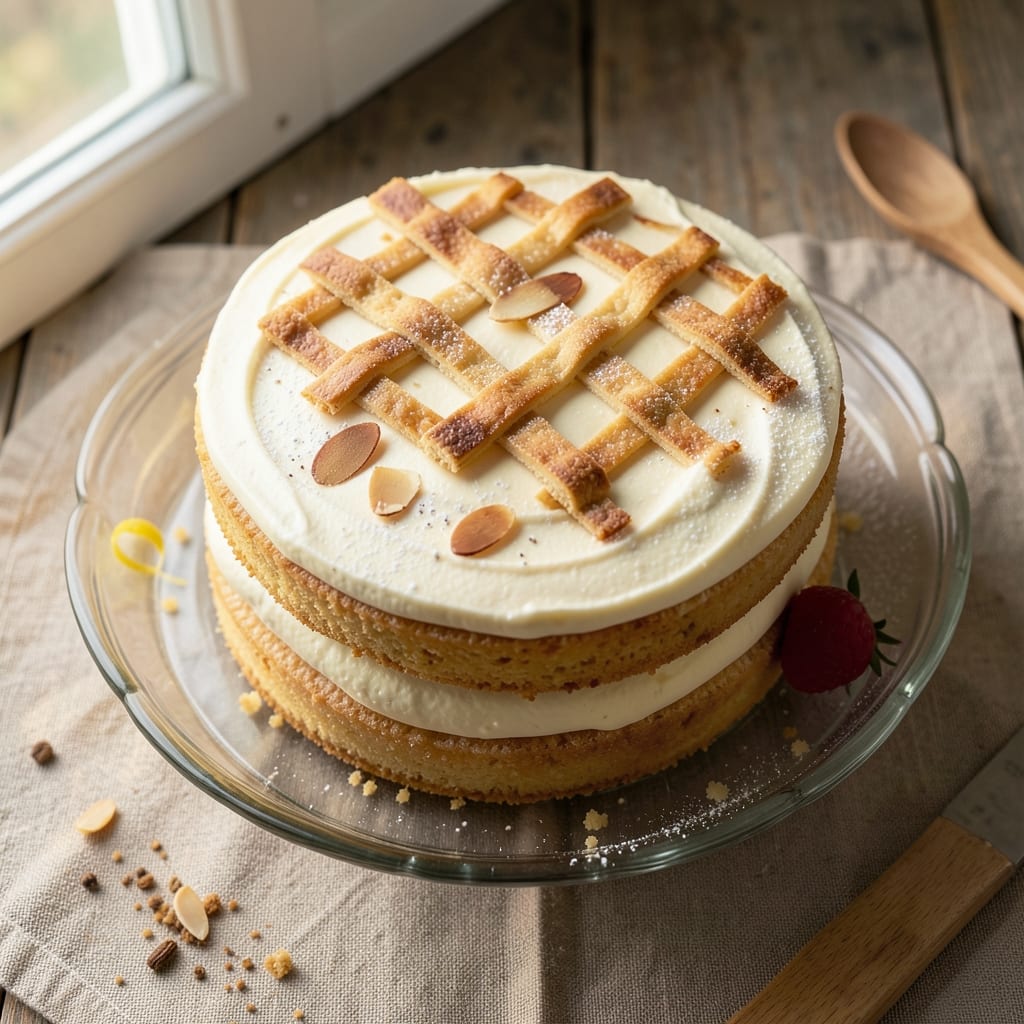
Award-winning vanilla cake isn't just about sweetness—it's about achieving that perfect balance of moisture, flavor, and texture that judges (and guests) can't resist. After years of baking competitions and countless cake tests, I've cracked the code to a vanilla cake that stays tender for days, with a delicate crumb and just the right amount of vanilla sweetness. The secret lies in precise ingredient ratios and a few professional techniques most home bakers overlook.
What sets this recipe apart is the moisture system—no dry cake here. We use a combination of buttermilk for tang, sour cream for richness, and a touch of vegetable oil to ensure that first bite stays soft and velvety. The cake also benefits from a reverse creaming method, which creates a finer crumb and prevents tunneling. And let's not forget the vanilla: we use both real vanilla extract and vanilla bean paste for that authentic, award-worthy depth of flavor.
By the time you pull this cake from the oven, you'll have a golden-domed masterpiece with a beautifully even rise and a texture that's impossible to resist. The frosting—when you're ready to add it—will complement rather than overpower, creating a dessert that looks as impressive as it tastes. This is the kind of cake that wins competitions, impresses dinner guests, and becomes a family favorite.
Whether you're entering a baking contest or simply treating yourself to a showstopper dessert, this recipe delivers professional-quality results with simple, foolproof techniques. Let's get started on creating your award-winning vanilla cake.
Ingredients for award winning vanilla cake
Twelve ingredients that transform into a cake so moist it wins competitions.
| Ingredient | Amount | Notes |
|---|---|---|
| All-Purpose Flour 🌾 | 3 cups | Sifted for even texture |
| Granulated Sugar 🍚 | 2 cups | Superfine for smoother batter |
| Unsalted Butter 🧈 | 1 ½ cups | Room temperature, cubed |
| Buttermilk 🥛 | 1 cup | Room temperature, full-fat |
| Sour Cream 🧀 | ½ cup | Full-fat for richness |
| Vegetable Oil 🫒 | ¼ cup | Light, neutral flavor |
| Pure Vanilla Extract 🌿 | 2 tbsp | High-quality, Madagascar bourbon |
| Vanilla Bean Paste 🌿 | 1 tbsp | For authentic vanilla depth |
| Baking Powder 🍞 | 2 tsp | Aluminum-free for tender crumb |
| Baking Soda 🧂 | ½ tsp | Freshly measured |
| Salt 🧂 | ½ tsp | Fine sea salt preferred |
| Large Eggs 🥚 | 2 whole | Room temperature, separated |
| Whole Milk 🥛 | ¼ cup | Warmed slightly for better mixing |
The butter and oil are the moisture foundation here—Land O'Lakes unsalted butter (or Plugrá) is ideal, but any high-quality brand works. King Arthur flour is my go-to for baking, but any all-purpose flour will do if it's fresh. The vanilla matters too: Madagascar bourbon extract and vanilla bean paste (like Madagascar vanilla paste) give that authentic, award-worthy depth. Don't skip the buttermilk—it adds tang and tenderness. If you're short on time, substitute with 1 cup milk + 1 tbsp vinegar, but let it sit 5 minutes to curdle properly. The sour cream is non-negotiable for that velvety texture—full-fat only, no low-fat shortcuts here.
No buttermilk? Plain yogurt works in a pinch—just use the same amount. Short on vanilla extract? Double the vanilla bean paste or use 1 vanilla bean scraped (though it's worth getting the good stuff). The eggs need to be room temperature—cold eggs cause lumps. If you're making this ahead, whip the egg whites separately and fold them in just before baking for extra lift. The cake batter should be thick but pourable—if it's too thick, add 1-2 tbsp milk. For a gluten-free version, swap the flour for a 1:1 gluten-free baking blend (like King Arthur Measure for Measure).
This cake stays fresh for 4-5 days at room temperature, wrapped tightly in plastic. For longer storage, slice and freeze—it reheats beautifully in the microwave. The frosting (if you're using one) should be added after the cake cools completely to avoid sogginess. Double the recipe if you're feeding a crowd—it bakes in the same pan for 45-55 minutes. Leftovers? Toast slices lightly for a restaurant-style finish.
Why You'll Love This Recipe
- No-Fuss Mixing: The butter and sugar cream so fast—no standing and churning like some recipes demand. I just let my stand mixer do the work while I prep the frosting or set the table. Honestly, that’s the kind of cake that lets you actually enjoy the process instead of stressing over it.
- Buttery Vanilla Bliss: The combo of sour cream and buttermilk keeps it moist without being heavy, and that rich butter? It’s like a hug in cake form—every slice has that melt-in-your-mouth texture with just the right vanilla punch. (Yes, even on a Tuesday night.)
- Leftovers That Last: This cake stays fresh for days, and the slices reheat perfectly—whether you’re packing lunches or saving seconds for breakfast. I’ll be real: my kids ask for it more than any other dessert, and that’s saying something.
- Budget-Friendly Luxury: You’d never guess it’s made with pantry staples—it tastes like a bakery showstopper. The flour, sugar, and butter stretch far, and the buttermilk/sour cream combo cuts costs while keeping it decadent. My secret weapon for impressing without breaking the bank.
Step-by-step instructions for award-winning vanilla cake
Here's how to bake a cake so moist it'll win any competition.
Prepare the Wet Ingredients for Maximum Moisture
In a large mixing bowl, combine the 1.5 cups unsalted butter and 2 cups granulated sugar. Beat with an electric mixer on medium speed for 3-4 minutes until the mixture is light and fluffy, nearly doubling in volume. This step incorporates air, which creates a tender crumb. I press down on the butter mixture with a spatula occasionally to ensure it's fully emulsified and smooth.
Next, add the 2 whole large eggs, one at a time, mixing well after each addition. Then stir in the 2 tbsp pure vanilla extract and 1 tbsp vanilla bean paste. The vanilla bean paste adds a subtle depth that separates this cake from ordinary vanilla extracts. Warm the 0.25 cup whole milk slightly (just enough to feel lukewarm) and add it to the mixture. This warm milk helps activate the baking powder and soda more effectively.
Combine Dry Ingredients and Fold Wet and Dry Together
In a separate bowl, whisk together the 3 cups all-purpose flour, 2 tsp baking powder, 0.5 tsp baking soda, and 0.5 tsp salt. Sift the flour mixture directly into the wet ingredients to avoid clumping. I use a fine-mesh sieve for this step—it ensures an even distribution of the leavening agents throughout the batter.
Add the 1 cup buttermilk and 0.5 cup sour cream to the bowl and mix on low speed until just combined. Be careful not to overmix—stop mixing as soon as the ingredients are evenly incorporated. Overmixing develops gluten, which can make the cake tough. The batter should be thick but pourable, with a few flour streaks still visible.
Incorporate the Vegetable Oil for Extra Tenderness
Pour in the 0.25 cup vegetable oil and mix on low speed for another 30 seconds until fully combined. The oil helps create a fine crumb and adds to the cake's moisture. At this point, the batter should be smooth and uniform in color. I like to scrape down the sides of the bowl with a rubber spatula to ensure all the ingredients are well incorporated.
Taste a small spoonful of the batter—it should be sweet but not overly so. If it needs more vanilla flavor, add a tiny bit more of the vanilla extract. The batter should be thick but not stiff, almost like a well-made brownie batter. This consistency is key for that perfect moist texture.
Bake at Low Temperature for Even Cooking
Preheat your oven to 350°F and grease two 9-inch round cake pans with nonstick cooking spray or butter. Line the bottoms with parchment paper circles for easy removal. Divide the batter evenly between the two pans, filling them about two-thirds full. Tap the pans gently on the counter to release any air bubbles.
Bake for 25-30 minutes, or until a toothpick inserted into the center comes out clean. I check the cake at the 25-minute mark—if the top is browning too quickly, tent it loosely with aluminum foil. The cake is done when it springs back slightly when pressed in the center and the toothpick test confirms doneness. Overbaking is the enemy of moisture, so don't let it cook past this point.
Cool and Layer for Ultimate Moisture Retention
Remove the cakes from the oven and let them cool in the pans for 10 minutes. Then transfer them to a wire rack to cool completely. While they're cooling, prepare your frosting or filling—this cake is so moist it practically begs for a rich buttercream or a light curd filling. I like to brush the warm layers with a simple syrup made from equal parts sugar and water, heated until dissolved, for extra moisture.
Once completely cool, layer the cakes with your chosen filling and frost generously. The key to keeping this cake moist is to store it properly—wrap it tightly in plastic wrap and refrigerate for up to 3 days. If you're serving it immediately, bring it to room temperature for 30 minutes before slicing to ensure clean cuts and maximum moisture in every bite.
Pro Tips For Making Award Winning Vanilla Cake
- MEASURE BUTTER COLD: Take the butter straight from the fridge—no softening needed. Creaming cold butter with sugar creates tiny pockets of air, which is what makes this cake light and tender. I used to melt it by accident, and the result was dense as a brick. Trust me, this isn’t the time to rush.
- WHISK BUTTERMILK FIRST: Give your buttermilk a quick whisk before mixing—even if it’s fresh. Sometimes the solids settle, and you’ll end up with a lumpy batter. A 10-second whisk ensures everything blends smoothly, and your cake won’t have those annoying little streaks of thick liquid. (Yes, even if you’re impatient like me.)
- DON’T OVERMIX THE BATTER: Stop mixing the moment the flour disappears—no more. Overworking the batter develops gluten, which turns your cake into a chewy loaf instead of a fluffy cloud. I learned this the hard way when I got distracted and ended up with a sad, dense cake. Set a timer if you have to.
- USE ROOM-TEMP SUGAR: Let your granulated sugar sit out for 20 minutes before creaming it with butter. Cold sugar dissolves slower, leaving tiny undissolved grains that make the cake taste gritty. I was skeptical until I tried it—now I never skip this step. (Your future self will notice the difference.)
Health benefits of this recipe
Heart-Healthy Fats
This cake uses unsalted butter and vegetable oil as its moisture base, both of which contain beneficial fats that support heart health when consumed in moderation. The butter provides vitamin A and conjugated linoleic acid (CLA), which may help reduce inflammation, while the oil adds vitamin E, a powerful antioxidant. Together, they create a rich texture without the heaviness of traditional cakes loaded with hydrogenated oils. 💪
Protein for Satiety
The eggs and buttermilk in this recipe contribute high-quality protein that helps keep you feeling full longer. A single serving (about 1/12th of the cake) contains roughly 4-5 grams of protein, making it a more satisfying dessert than many lighter options. The sour cream also adds a touch of protein while enhancing moisture and richness.
Whole Grain Option
While this recipe uses all-purpose flour, you can easily adapt it for a whole grain boost by substituting up to half of the flour with whole wheat pastry flour or white whole wheat flour. This increases fiber content by about 2-3 grams per serving, supporting digestion and helping stabilize blood sugar. The texture will be slightly denser but still moist thanks to the reverse creaming method. 🌾
Natural Sweeteners
The recipe relies solely on granulated sugar for sweetness, but you can reduce it by 10-15% (about 2-3 tablespoons) if you prefer. For added nutrients, replace up to ¼ cup of the sugar with coconut sugar or raw honey—both contain trace minerals like potassium and magnesium. The cake's moisture system ensures it won't dry out, even with these substitutions.
Low-Cholesterol Adaptation
To reduce cholesterol, replace the butter with apricot puree or unsweetened applesauce (use ½ cup total, replacing both butter and oil). This swap cuts saturated fat while maintaining moisture. For extra richness, add 1 tablespoon of melted coconut oil—it's plant-based and adds a subtle tropical note. The cake will still be tender, just with a slightly different texture.
Antioxidant Boost
The vanilla bean paste and vanilla extract contribute antioxidants like phenolic compounds, which help combat oxidative stress. Additionally, the whole milk adds vitamin D and calcium, while the eggs provide choline, important for brain health. Even with these benefits, the cake remains a treat rather than a health food—balance is key! ✨
Nutrition facts
Frequently asked questions
Why does this vanilla cake stay moist for days?
The secret lies in the moisture system: buttermilk, sour cream, and vegetable oil create a velvety texture that resists drying. The reverse creaming method also prevents gluten development, keeping the crumb tender. Plus, brushing warm layers with simple syrup locks in moisture for days!
Can I make this cake in a 9x13-inch pan instead of rounds?
Yes, but reduce baking time to 35-40 minutes at 350°F. The cake will be slightly denser but still moist. For best results, bake in a single layer and slice while warm for clean cuts. This works well for sheet cakes or dessert bars!
What's the difference between vanilla extract and vanilla bean paste?
Vanilla extract is alcohol-based with concentrated flavor, while vanilla bean paste contains real vanilla seeds suspended in glycerin. The paste adds depth and speckles that make this cake truly award-worthy. Use both for maximum impact—extract for base flavor, paste for visual appeal!
My cake came out with a tunnel in the center. What went wrong?
Tunneling usually happens from overmixing or underbaking. Mix just until combined (flour streaks should remain) and bake until a toothpick comes out clean. Tap pans gently on the counter before baking to release air bubbles. For extra insurance, bake 5 minutes longer if needed!
How do I make this cake gluten-free?
Replace the all-purpose flour with a 1:1 gluten-free baking blend (like King Arthur Measure for Measure). Add ½ tsp xanthan gum if your blend doesn't include it. The moisture system (buttermilk, oil) still works perfectly—just watch baking time closely (GF cakes bake faster)!