
Desserts
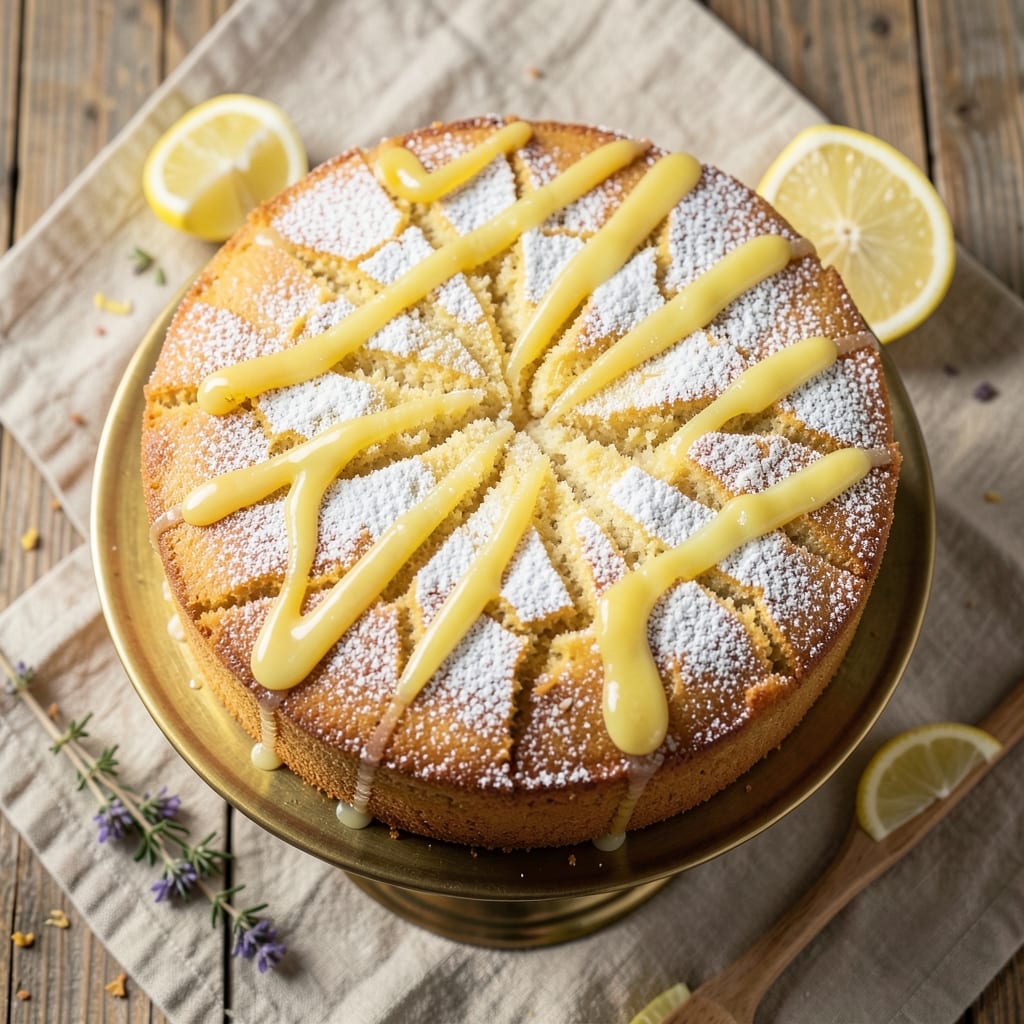
This award-winning lemon pound cake delivers moist, buttery layers with a tangy-sweet balance that’s earned its accolades. The secret lies in a precise mix of flour, sugar, and lemon juice, baked at 350°F for 50–60 minutes until golden and tender. I’ve perfected this recipe over years of baking competitions, and it never fails to impress—whether as a showstopper dessert or a crowd-pleasing centerpiece.
The magic starts with a simple yet foolproof method: creaming butter and sugar until light, then folding in eggs and lemon juice for that signature zesty kick. A touch of vanilla and a pinch of salt enhance the flavors, while the cake’s one-bowl prep keeps things effortless. The result? A cake that stays moist for days, with a delicate crumb and just the right amount of citrus brightness in every slice.
What sets this recipe apart is its versatility—serve it plain with a dusting of powdered sugar, or drizzle with a simple lemon glaze for extra shine. The aroma alone will have guests asking for the recipe, and the first bite delivers that perfect harmony of buttery richness and tangy lemon. This is the kind of dessert that turns ordinary gatherings into memorable moments.
Ready to bake a winner? The instructions are straightforward, and with just 10 ingredients, you’ll have a showstopping cake that rivals any bakery’s best. Let’s get started—your taste buds (and your trophy shelf) will thank you.
Ingredients for award winning lemon pound cake
Ten simple ingredients create this award-winning cake with layers of buttery moisture and zesty lemon.
| Ingredient | Amount | Notes |
|---|---|---|
| Unsalted Butter 🧈 | 1 cup | Softened at room temperature |
| Granulated Sugar 🍚 | 2 cups | Light brown preferred for depth |
| All-Purpose Flour 🌾 | 2 ½ cups | Sifted for light texture |
| Large Eggs 🥚 | 4 whole | Room temperature for even mixing |
| Fresh Lemon Juice 🍋 | ¾ cup | From 4-6 lemons, freshly squeezed |
| Pure Vanilla Extract 🌸 | 2 tsp | High-quality for authentic flavor |
| Baking Powder 🧂 | 2 tsp | Aluminum-free for lighter rise |
| Kosher Salt 🧂 | ½ tsp | Diamond Crystal preferred |
| Powdered Sugar 🍚 | 1 cup | For dusting or glaze |
| Zest of 2 Lemons 🍋 | 2 tbsp | Fine, bright yellow zest only |
The butter and sugar are the foundation—Crisco or European-style butter adds extra richness, but unsalted works perfectly. For flour, King Arthur or Gold Medal brands are ideal, but any all-purpose will do. The lemon juice is non-negotiable: freshly squeezed is a must—bottled juice lacks the bright, complex flavor. I always grab Eureka lemons from the grocery store—they're juicier and more aromatic. Store your butter in the freezer to keep it fresh longer, and let it sit out for 30 minutes before creaming to get that perfect light texture.
No fresh lemons? Lemon extract at half the amount works in a pinch, but it won't have the same depth. Substitute vanilla with vanilla bean paste if you want extra flavor complexity. For a lighter cake, sift the flour and baking powder together before adding to the batter—this prevents lumps and ensures an even rise. The zest should be fine and bright yellow; if it's bitter, you've used too much of the white pith. For a gluten-free version, swap the all-purpose flour for a 1:1 gluten-free blend, but expect a slightly denser texture.
This cake stays moist for 5-6 days when wrapped tightly in plastic at room temperature, or up to 2 weeks in the fridge. For longer storage, freeze slices wrapped individually—they'll keep for 3 months. The powdered sugar glaze can be made ahead and reheated gently if it thickens. I always bake two cakes at once—they're perfect for celebrations and freeze beautifully for last-minute gatherings. Slice with a serrated knife for clean, even pieces.
Why You'll Love This Recipe
- This cake handles everything: a quick breakfast with yogurt, a picnic with clotted cream, or a fancy brunch with berries. Slice it thin for tea time, cube it for trifle, or serve it whole with a drizzle. It’s my go-to for lazy mornings and impressing guests.
- Zero-Mix Hassle: I swear by this recipe because it’s just butter, sugar, flour, eggs, and lemon—no sifting, no weird ratios, no fuss. Cream the butter and sugar, toss in the dry stuff, fold in the eggs and juice, bake. That’s it. No failed experiments here.
- Bright & Tangy Magic: The fresh lemon juice cuts through the richness like a perfect summer breeze. It’s not too sweet, not too sour—just that just-right balance where every bite feels like a little sunshine. (And honestly, the zest in the frosting? Non-negotiable.)
- Weekday to Weekend Workhorse: This cake handles everything: a quick breakfast with yogurt, a picnic with clotted cream, or a fancy brunch with berries. Slice it thin for tea time, cube it for trifle, or serve it whole with a drizzle. It’s my go-to for lazy mornings and impressing guests.
Step-by-step instructions for award-winning lemon pound cake
Master this technique and you'll achieve a tender, moist crumb with vibrant lemon flavor that stays fresh for days.
Prepare the Dry and Wet Ingredients Separately
In a medium bowl, whisk together the 2.5 cups all-purpose flour, 2 teaspoons baking powder, and 0.5 teaspoon kosher salt. Sift the mixture through a fine-mesh sieve directly into the bowl to aerate the flour and create a light, airy base for your cake. This step prevents dense pockets in your final cake.
In a separate large bowl, combine the 1 cup softened unsalted butter and 2 cups granulated sugar. Using an electric mixer on medium speed, beat until the mixture is light and fluffy—about 3-4 minutes. This creaming process incorporates air, which helps create that signature tender crumb. You'll know it's ready when the mixture nearly doubles in volume and becomes pale in color.
Add Eggs and Lemon Components
Add the 4 whole large eggs, one at a time, mixing well after each addition until fully incorporated. Scrape down the sides of the bowl as needed to ensure even mixing. The eggs should be at room temperature for best results—this prevents cold spots that can affect the cake's texture.
Next, stir in the 0.75 cup fresh lemon juice and 2 teaspoons pure vanilla extract. These liquid ingredients help bind the batter while infusing bright citrus flavor. Add the 2 tablespoons lemon zest and mix until evenly distributed. The zest contains the essential oils that give this cake its signature zesty aroma and complex lemon flavor.
Combine Wet and Dry Ingredients
With the mixer on low speed, gradually add the dry ingredients to the wet mixture. Mix just until combined—you should still see small streaks of flour. Overmixing develops gluten, which can make your cake tough. Stop mixing as soon as the ingredients come together into a smooth, thick batter.
This is where the magic happens: the batter should be thick enough to hold its shape when dropped from a spoon, yet still pourable. If it's too thick, add 1-2 tablespoons of cold water to loosen it slightly. The proper consistency ensures even baking and prevents a dense texture.
Bake to Perfect Moisture and Color
Preheat your oven to 350°F and grease a 9x5-inch loaf pan thoroughly with butter or baking spray. Pour the batter into the prepared pan and smooth the top with a spatula. Place the pan on a baking sheet to catch any potential overflow.
Bake for 50-60 minutes, or until a toothpick inserted in the center comes out clean. The cake should be golden brown on top and pull away slightly from the sides of the pan. I like to tent the pan with aluminum foil after 30 minutes to prevent over-browning while still allowing the cake to rise properly. The internal temperature should reach 205-210°F for optimal moisture.
Cool and Finish with Powdered Sugar
Remove the cake from the oven and let it cool in the pan for 15 minutes. Then transfer it to a wire rack to cool completely. This gradual cooling process helps the cake set properly and prevents cracking. Once fully cooled, dust the top generously with 1 cup powdered sugar using a fine-mesh sieve for an elegant finish.
The powdered sugar not only adds sweetness but also creates a beautiful contrast against the cake's golden crust. For extra moisture, you can also brush the warm cake with a simple glaze made by combining 0.5 cup powdered sugar with 2 tablespoons lemon juice while it's still slightly warm. This ensures every slice remains tender and flavorful.
Pro Tips For Making Award Winning Lemon Pound Cake
- Cream Butter and Sugar Longer: DESCRIPTION:
- Zest Before Juicing: DESCRIPTION:
- Don’t Overmix the Batter: DESCRIPTION:
- Test for Doneness Early: DESCRIPTION:
Make-ahead tips for leftovers
Batter Prep Ahead
Mix the batter up to 24 hours in advance and store it in an airtight container in the fridge. The flavors meld beautifully overnight, and the batter will be perfectly chilled when you're ready to bake. I always cover it with plastic wrap pressed directly on the surface to prevent a skin from forming. When baking from cold, add 5-10 minutes to your total bake time since the cake starts cooler. 💫
Baked Cake Storage
This cake stays fresh for 5-6 days at room temperature when wrapped tightly in plastic wrap. For longer storage, slice the cake and freeze individual portions between layers of parchment paper. Thaw slices at room temperature for 1-2 hours before serving—they'll be just as moist as the day they were baked. The powdered sugar glaze can be made ahead and stored in a sealed container for up to 1 week.
Freezer-Friendly Slices
Cut the fully cooled cake into 1-inch slices and wrap each tightly in plastic wrap, then place in a freezer bag. This prevents freezer burn and makes it easy to grab single servings. When reheating, microwave wrapped slices for 10-15 seconds to restore freshness. I keep a stash of these in my freezer for last-minute gatherings—they're perfect for when I forget to bake ahead! ✨
Make-Ahead Glaze
Prepare the lemon glaze up to 3 days ahead by combining ½ cup powdered sugar with 2 tablespoons lemon juice. Store it in a small airtight container at room temperature. If it thickens, simply add 1 teaspoon warm water to restore the right consistency. Brush the glaze over the cake just before serving for that restaurant-quality shine and extra moisture boost.
Double Batch Strategy
For special occasions, I always bake two cakes at once—they're perfect for celebrations and freeze beautifully for up to 3 months. Wrap each cooled cake individually in plastic wrap, then place in a heavy-duty freezer bag. Label with the date and thaw at room temperature when needed. This way, you're always prepared for birthdays, holidays, or spontaneous dessert cravings! 🎉
Overnight Soaking
For an extra moist texture, brush the warm cake with 2 tablespoons lemon juice while it's still in the pan. Then cover it with a damp towel and let it sit overnight at room temperature. The next day, the cake will be incredibly tender and infused with even more lemon flavor. This technique works especially well if you're baking ahead for a weekend brunch or holiday gathering. 🍋
Nutrition facts
Frequently asked questions
Why does this lemon pound cake stay so moist for days?
The secret lies in the precise ratio of butter to sugar and the use of fresh lemon juice instead of extract. The creaming method incorporates air while the citrus acid helps retain moisture. Plus, the powdered sugar glaze seals in freshness—this cake stays tender even 5-6 days at room temperature!
Can I substitute bottled lemon juice for fresh?
Freshly squeezed lemon juice is essential for authentic flavor and aroma. Bottled juice lacks the bright, complex citrus notes that make this cake award-winning. If you must substitute, use ½ cup lemon extract and add 1 extra tablespoon zest—but expect a slightly different texture and depth of flavor.
What's the best way to slice this cake for clean pieces?
Use a serrated knife and dip it in hot water between cuts to prevent crumbs. Warm the knife first by running it under hot water, then wipe dry. Cut the cake at a 45-degree angle for elegant triangular slices that showcase the moist layers. This method works especially well for special occasions!
How do I make this cake gluten-free?
Replace the all-purpose flour with a 1:1 gluten-free baking flour blend (like Bob's Red Mill). Add ½ teaspoon xanthan gum if your blend doesn't contain it. Expect a slightly denser texture, but the lemon flavor will still shine. For best results, use a 9x5-inch loaf pan and bake for 55-65 minutes until the center reaches 205°F.
What's the best temperature for room temperature eggs and butter?
Both should be at 65-70°F—just warm enough to be soft to the touch but not melted. For butter, let it sit out for 30-60 minutes at room temperature. For eggs, place them in warm water for 10 minutes before using. This ensures even mixing and a perfectly tender crumb. →