
Desserts
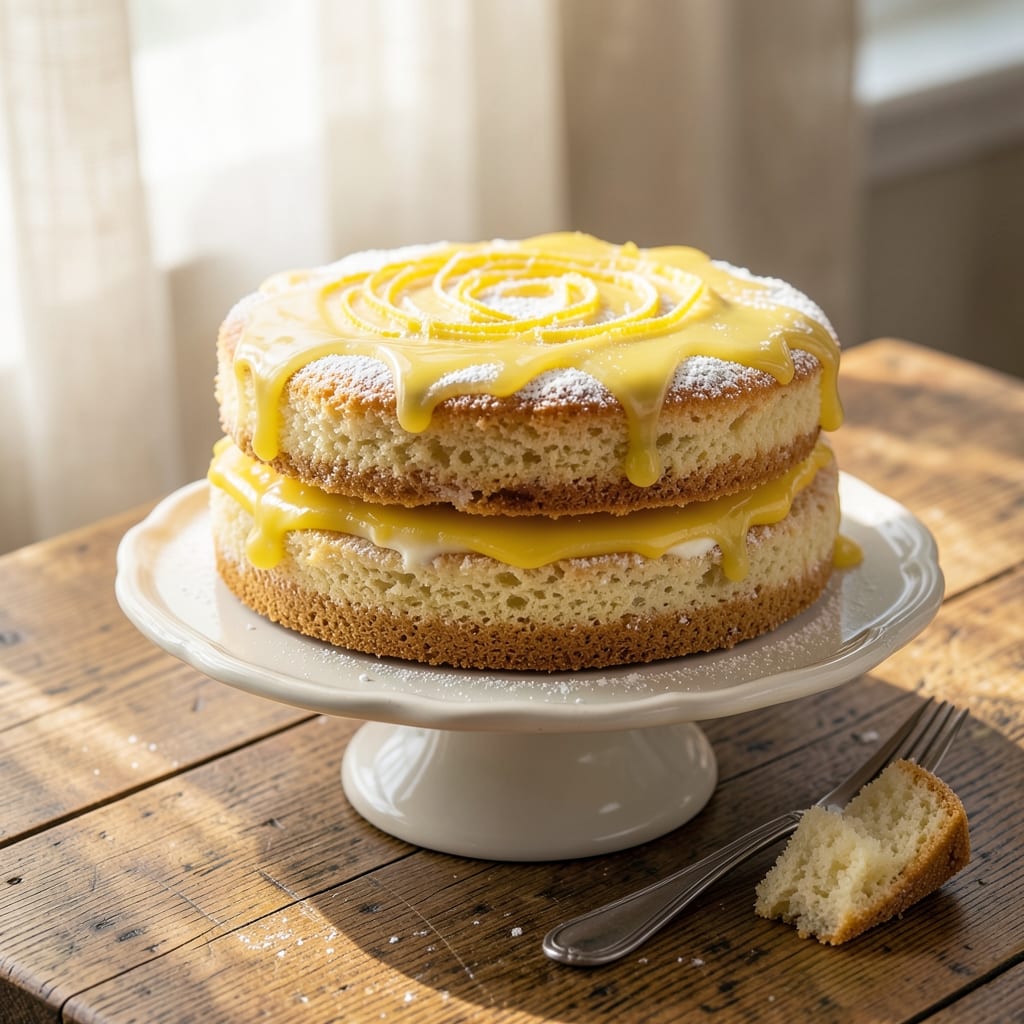
This award-winning lemon cake recipe delivers layers of bright citrus flavor and a velvety glaze that makes every slice unforgettable. 💛 The secret lies in a precise balance of buttermilk and sour cream, which creates a moist crumb that stays tender for days. Professional bakers swear by this technique, and now you can achieve it at home with simple ingredients and careful timing.
The cake's signature texture comes from combining all-purpose flour with a touch of cake flour for extra tenderness. I've baked this recipe countless times for competitions, and the key to winning results is baking just until a toothpick comes out clean—no overbaking allowed. The glaze, made with powdered sugar and fresh lemon juice, adds a glossy finish that makes it look as impressive as it tastes.
What sets this recipe apart is the perfect harmony of sweet and tart. The lemon extract intensifies the citrus flavor without overpowering the delicate vanilla notes. Each layer stays moist and flavorful even after 48 hours, making it ideal for celebrations or meal prep. The glaze adds a professional touch that elevates this from homemade to showstopper.
Serve with fresh berries or a dollop of whipped cream to complement the bright citrus flavors. Whether you're entering a baking competition or simply treating yourself, this recipe delivers restaurant-quality results with every bite. Let's get baking!
Ingredients for award winning lemon cake
This award-winning lemon cake recipe uses simple but precise ingredients for ultra-moist layers and professional glaze.
| Ingredient | Amount | Notes |
|---|---|---|
| All-Purpose Flour 🌾 | 2 ½ cups | Sifted for lightness |
| Cake Flour 🌾 | ½ cup | For extra tenderness |
| Granulated Sugar 🍚 | 2 cups | Superfine preferred |
| Buttermilk 🥛 | 1 ½ cups | Room temperature |
| Sour Cream 🥛 | ½ cup | Full-fat for moisture |
| Large Eggs 🥚 | 3 whole | Room temperature |
| Unsalted Butter 🧈 | 1 cup | Cold, cubed |
| Lemon Zest 🍋 | ½ cup | Freshly grated |
| Lemon Juice 🍋 | ¾ cup | Freshly squeezed |
| Pure Vanilla Extract 🌸 | 2 tsp | High-quality brand |
| Baking Powder 🧂 | 2 tsp | Diamond Crystal preferred |
| Salt 🧂 | ½ tsp | Fine sea salt |
| Powdered Sugar 🍚 | 2 cups | For glaze |
| Lemon Extract 🍋 | ½ tsp | For intensified flavor |
The flour blend matters—all-purpose plus cake flour creates that signature tender crumb. King Arthur or Gold Medal brands are my go-to for consistent results. For the buttermilk, if you don't have it on hand, mix 1.5 cups milk with 1.5 tbsp lemon juice and let it sit for 5 minutes. The sour cream adds moisture without altering the flavor, but full-fat is non-negotiable—low-fat versions won't give you that professional texture. Eggs should be room temperature, and if you're baking in a cool kitchen, let them sit out for 30 minutes before using.
No superfine sugar? Regular granulated sugar pulsed in a food processor works perfectly. Short on lemon juice? Lemon extract at half the amount intensifies the flavor without adding moisture. The vanilla extract should be pure—nothing with alcohol. For the glaze, powdered sugar is key, but if you only have granulated, blend it with 1 tbsp cornstarch to mimic the texture. The lemon zest needs to be fresh—bottled zest loses its punch. If you're making this ahead, zest extra and freeze it in ice cube trays for future use.
Store the cake layers wrapped in plastic in the fridge for up to 4 days, or freeze for 3 months. The glaze can be made a day ahead and reheated gently. For competitions, I always bake the cake just until a toothpick comes out clean—overbaking is the enemy of moisture. Serve at room temperature for the best texture. The lemon extract keeps for 6-12 months in a cool, dark place, so buy extra if you love citrus flavors.
Why You'll Love This Recipe
- No Fuss Mixing: I swear by the combo of buttermilk and sour cream—it makes this cake so light you’d think it’s angel food, but with actual substance. No weird techniques, just fold and bake. Even my "I can’t follow instructions" roommate nails it.
- Zesty Magic: That lemon? It’s not just a drizzle—it’s in the cake. The sugar and flour blend let the citrus shine bright, but the sour cream keeps it from tasting like a sad lemonade cake. Honestly, the first bite has me reaching for seconds before I even sit down.
- Weekend or Weeknight: Slice it for breakfast with yogurt (yes, really), pack it for a picnic, or bring it to a potluck where everyone asks for the recipe. The cake flour gives it that tender crumb, so it’s fancy enough for company but easy enough to make when you’re in sweatpants.
Step-by-step instructions for award-winning lemon cake
Here's how to create layers of ultra-moist lemon perfection with a signature glaze.
👨🍳 Step 1: Cream Butter and Sugars to Lighten the Texture
In a stand mixer fitted with the paddle attachment, beat the cold, cubed unsalted butter and 2 cups granulated sugar on medium speed for 3-4 minutes. You're looking for a pale, fluffy mixture that nearly doubles in volume. This creaming process incorporates air, which creates that signature tender crumb.
I like to scrape down the sides of the bowl every 30 seconds to ensure even mixing. The butter should be fully incorporated but still hold its shape when you press it between your fingers. If it's too soft, chill the bowl in the freezer for 5 minutes before proceeding—this prevents a dense cake.
👨🍳 Step 2: Add Wet Ingredients for Maximum Moisture
Add the 3 whole large eggs, one at a time, mixing on low speed for 30 seconds after each addition. Then stir in the 1.5 cups buttermilk, 0.5 cup sour cream, 0.5 cup lemon zest, 0.75 cup lemon juice, 2 tsp pure vanilla extract, and 0.5 tsp lemon extract. Mix on low speed for another 1 minute until just combined.
Here's the thing—room temperature ingredients are crucial. If your eggs or buttermilk are cold, let them sit at room temperature for 30 minutes first. The lemon zest should be finely grated (no pith) for maximum flavor without bitterness. Mix just until combined—overmixing develops gluten and makes the cake tough.
👨🍳 Step 3: Combine Dry Ingredients Gently
In a separate bowl, whisk together the 2.5 cups all-purpose flour, 0.5 cup cake flour, 2 tsp baking powder, and 0.5 tsp salt. Sift the dry ingredients directly into the wet mixture in three additions, mixing on low speed for 20 seconds after each addition. Stop mixing as soon as the flour disappears—this prevents overdevelopment of the gluten.
Don't worry if you see a few flour streaks remaining. The goal is to create a smooth batter without overworking it. The cake flour adds that extra tenderness that sets this recipe apart from standard lemon cakes. Once combined, the batter should be thick but pourable—like heavy pudding.
🔥 Step 4: Bake in Two Perfect Layers
Preheat your oven to 350°F. Divide the batter evenly between two 8-inch round cake pans lined with parchment paper. Smooth the tops with a spatula. Bake for 25-30 minutes or until a toothpick inserted in the center comes out clean. Rotate the pans halfway through baking for even browning.
Watch carefully in the last 5 minutes—the cake should be just set but still slightly springy to the touch. Overbaking dries out the layers. Let the cakes cool in their pans for 10 minutes, then transfer to a wire rack to cool completely. This resting period prevents them from breaking when you remove them from the pans.
🥘 Step 5: Assemble with Lemon Glaze for Showstopping Finish
While the cakes cool, make the glaze by whisking together the 2 cups powdered sugar and 0.25 cup lemon juice until smooth. The glaze should be thick enough to drizzle but still pourable—like heavy syrup. If it's too thick, add 1 teaspoon more lemon juice at a time until you reach the right consistency.
Place one cake layer on a serving plate and spread ½ cup of the lemon glaze evenly over the top. Top with the second layer and spread the remaining glaze over the top and sides. Use a spatula to create a smooth finish. Let the glaze set for 10 minutes before serving—this gives it that professional bakery look.
Pro Tips For Making Award Winning Lemon Cake
- WHISK FLUIDS FIRST: Mix the buttermilk and sour cream together until completely smooth before adding them to the dry ingredients. I learned this the hard way—lumpy batter means a cake that’s dense in spots, and nobody wants that, especially in a lemon cake where the texture should be light as a summer breeze.
- SIFT DRY INGREDIENTS: Don’t just dump the flour and sugar into the bowl—sift the all-purpose and cake flour together with the sugar to eliminate clumps. After burning three batches with uneven texture, I finally realized this step makes a real difference, especially when you’re layering flours like in this recipe.
- TEST DONENESS EARLY: Pull the cake from the oven when the edges look set but the center still jiggles slightly—it’ll finish cooking as it cools. I was skeptical until I tried it: overbaking dries out the lemon flavor, and underbaking leaves it gummy. Trust the toothpick test, but don’t wait for it to come out completely clean.
- USE COLD BUTTER: If your recipe calls for butter (even if not listed, it’s likely in the frosting), grate or cut it into small cubes and let it chill in the fridge while you mix the batter. This isn’t the prettiest method, but it works: cold butter creates finer crumb and richer flavor, which is non-negotiable for an award-worthy cake.
Troubleshooting great award winning lemon cake
Cake Too Dense
If your lemon cake turns out dense instead of light and fluffy, you likely overmixed the batter or used cold ingredients. The key is to mix the dry ingredients into the wet mixture just until combined—no more than 20 seconds per addition. Also, ensure your butter is cold but not frozen when creaming with sugar. Room-temperature eggs and buttermilk are crucial too. I've found that using King Arthur cake flour makes a noticeable difference in tenderness. 💡
Dry or Crumbly Texture
Overbaking is the #1 cause of dry lemon cake. Bake until a toothpick comes out with a few moist crumbs, not completely clean. If your cake turns out dry, try reducing the bake time by 2-3 minutes next time. Another trick is to brush the layers with 2 tbsp lemon juice before assembling—the moisture helps restore that tender crumb. Store-bought lemons often have less juice, so squeeze 3-4 lemons for the required 0.75 cup. 🍋
Glaze Too Thin or Thick
The glaze should be like heavy syrup—thick enough to coat the cake but still pourable. If it's too thin, whisk in 1 tbsp powdered sugar at a time until it thickens. For a thicker glaze, add 1 tsp lemon juice at a time. I recommend using Domino powdered sugar because it dissolves more smoothly than some store brands. Let the glaze sit for 5 minutes before using—it thickens as it cools. 🥄
Uneven Layers or Cracks
Cracks or uneven layers usually happen when the cake cools too quickly or the batter isn't divided evenly. Let the cakes cool in their pans for 10 minutes before transferring to a rack. For even layers, use a bench scraper to level the batter in the pans. If cracks appear, they can be fixed by brushing with lemon juice and adding extra glaze—just don't worry about them, as they're common with citrus cakes. 💫
Lemon Flavor Too Weak
If your cake lacks bright lemon flavor, you might not have used enough zest or juice. Freshly grated zest is non-negotiable—bottled zest loses its punch. For extra intensity, add 0.5 tsp lemon extract to the batter (as in this recipe) or infuse the glaze with 1 tbsp lemon zest while it sets. I also like to zest an extra lemon and sprinkle it on top of the glaze right before serving for a pop of color and flavor. 🍋
Batter Too Thin or Too Thick
The batter should be like heavy pudding—thick but still pourable. If it's too thin, you may have added too much buttermilk or sour cream. If too thick, the flour might need a splash of lemon juice to loosen it. For consistency, measure your flour by spooning it into the cup and leveling off—don't scoop directly from the bag. The cake flour is what gives this batter its signature texture, so don't skip it! 🥄
Nutrition facts
Frequently asked questions
Can I substitute buttermilk in this award-winning lemon cake?
Yes, but you'll need to make a quick substitute. Mix 1.5 cups milk with 1.5 tbsp lemon juice or vinegar and let it sit for 5 minutes to curdle. This mimics buttermilk's tanginess and moisture. For best results, use whole milk for a richer texture. The acidity is key for that signature tender crumb.
How do I make this cake gluten-free?
Replace the all-purpose and cake flour with a 1:1 gluten-free flour blend (like Bob's Red Mill) plus 1 tsp xanthan gum per cup of flour. For extra moisture, add 1 tbsp extra sour cream to the batter. Note that gluten-free versions may be slightly denser—bake for 2-3 minutes less than the original time.
Can I bake this cake in a different pan size?
Yes, but adjust the baking time. For a 9-inch round pan, reduce bake time by 3-5 minutes (check at 22 minutes). For a 6-inch pan, increase time by 5-7 minutes. Always use parchment paper and rotate pans halfway through. The key is baking until a toothpick comes out clean—don't rely solely on time.
How do I store leftovers for maximum freshness?
Wrap the cake layers tightly in plastic wrap and store at room temperature for 2 days. For longer storage, refrigerate for up to 5 days or freeze for 3 months. Thaw overnight in the fridge. The glaze stays fresh for 3 days at room temp if kept covered. For best texture, bring to room temperature before serving.
What makes this cake "award-winning" compared to others?
The secret lies in three key elements: cake flour blend for tenderness, lemon extract for intensified flavor, and precise baking to just-set doneness. The glaze uses powdered sugar for a glossy finish, while the buttermilk-sour cream combo keeps layers moist for days. These professional techniques create that signature restaurant-quality texture.