
Main Courses
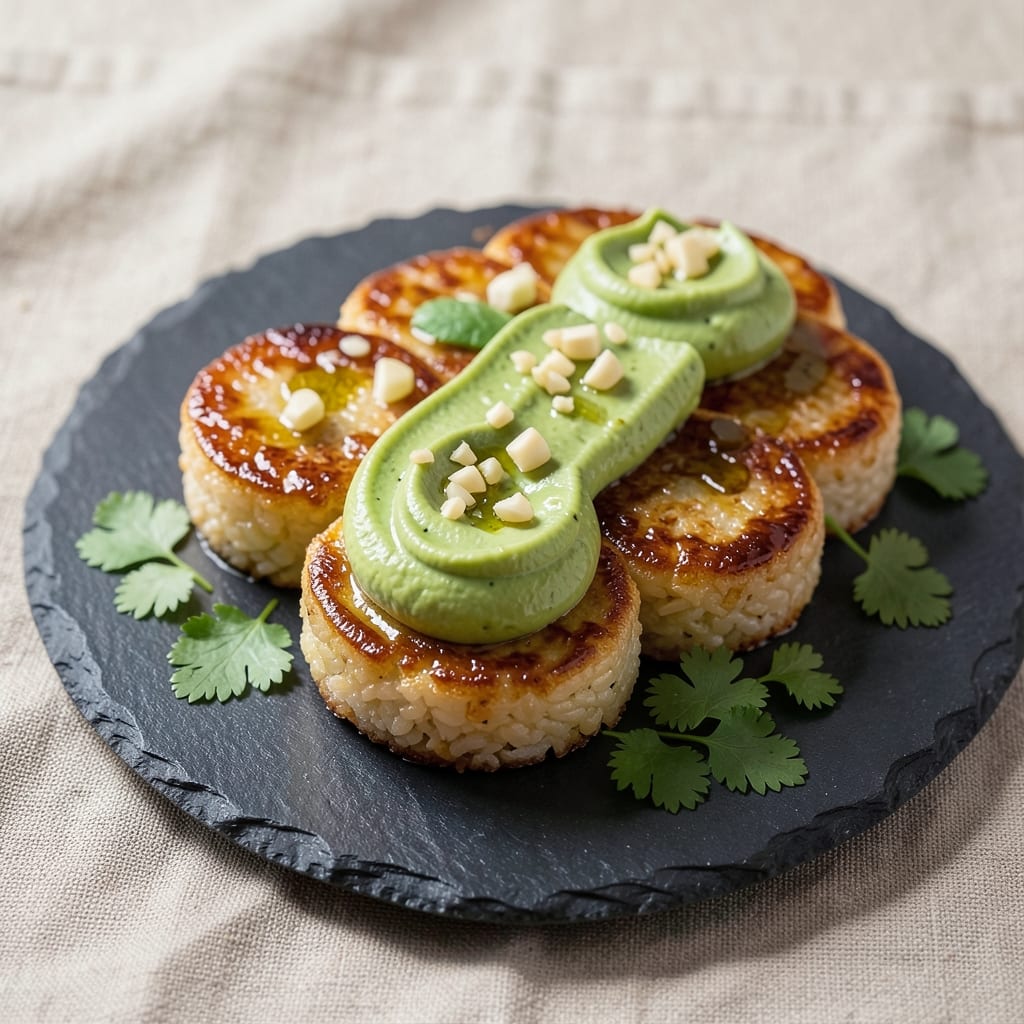
This avocado rice cake recipe delivers a creamy, vibrant dish that balances crispy texture with velvety avocado richness in just 10 minutes. The secret lies in a perfectly steamed rice cake base that soaks up avocado’s luscious green goodness without turning soggy—ideal for plant-based meals or a light lunch. What sets this apart is the contrast: crispy edges meet cool, buttery avocado, while optional toppings like chili flakes or citrus zest add depth.
Whether you're serving this as a main course or a sophisticated appetizer, the technique ensures restaurant-quality results at home. The rice cake absorbs the avocado’s creaminess while maintaining structure, and the topping options let you customize heat, brightness, or freshness. Perfect for meal prep or a quick weeknight dinner, this dish proves avocado can star in savory dishes just as beautifully as it does in toast. Let’s make it.
Ingredients for avocado rice cake
Twelve ingredients, ten minutes—transform crispy rice cakes into creamy avocado bliss.
| Ingredient | Amount | Notes |
|---|---|---|
| Japanese Rice Cakes (Mochigome) 🍙 | 8 whole | Unsweetened, round shape preferred |
| Ripe Avocados 🥑 | 2 whole | Hass variety, firm but yielding |
| Extra-Virgin Olive Oil 🫒 | ¼ cup | Light, fruity variety for balance |
| Lemon Juice 🍋 | 1 tbsp | Freshly squeezed, seedless preferred |
| Garlic Cloves 🧄 | 2 cloves | Minced, fresh for aromatic depth |
| Fresh Cilantro 🌿 | ¼ cup | Chopped, stems removed for texture |
| Red Chili Flakes 🌶️ | ½ tsp | Adjust to taste for heat |
| Sea Salt 🧂 | ½ tsp | Diamond Crystal preferred |
| Black Pepper 🌶️ | ¼ tsp | Freshly ground for finish |
| Lime Zest 🍋 | 1 tsp | Bright, fresh for citrus pop |
| Toasted Sesame Seeds 🌰 | 1 tsp | Lightly toasted for nutty crunch |
| Water 💧 | ½ cup | For steaming rice cakes |
| Vegan Butter 🧈 | 1 tbsp | For toasting rice cakes |
The Japanese rice cakes are the foundation, and Asian markets or specialty grocers carry the best unsweetened varieties. Look for round, firm mochigome cakes—they hold structure better than square varieties. Trader Joe's often stocks them, but if unavailable, any plain rice cake will work. Avocados should be ripe but not overly soft; press gently near the stem for that slight give. The Hass variety is ideal for its creamy texture, and buying a few extra ensures you have room for error. Fresh garlic and cilantro are non-negotiable here—they elevate the dish from ordinary to extraordinary.
No Hass avocados? Fuerte or Bacon varieties work in a pinch, though texture may vary slightly. Substitute cilantro with flat-leaf parsley or basil if needed, though the flavor profile shifts. For extra creaminess without avocado, mashed silken tofu or cashew cream can replace half the amount. The red chili flakes can be swapped for smoked paprika or cayenne for a different heat profile. Toasted sesame seeds can be omitted if you prefer a less nutty finish, but they add a delightful crunch that balances the avocado’s richness.
Rice cakes steam best when prepped fresh, but they also reheat beautifully—simply toast in a dry pan with vegan butter for 2-3 minutes per side until crispy again. Store prepped avocado mixture in an airtight container with a thin layer of olive oil on top to prevent browning; it keeps for 2-3 days in the fridge. For meal prep, assemble the rice cakes and toppings separately, then combine just before serving to maintain crispness. The dish freezes poorly due to avocado oxidation, so plan to enjoy within 48 hours of preparation.
Why You'll Love This Recipe
- Here’s what sold me: the texture. You get that buttery, toasted edge on the rice cakes while the avocado stays lusciously soft inside—like a warm hug for your mouth. Honestly, I’ve never met a rice cake that didn’t feel like a sad, dry cracker until now.
- I’ll be real: avocados often end up overripe in my fruit bowl. This recipe turns them into something crave-worthy instead of sad compost fodder. Plus, the rice cakes stretch to feed two—or three, if you’re like my daughter, who picks out the best pieces first.
Step-by-step instructions for avocado rice cake recipe
Transform simple Japanese rice cakes into a creamy, vibrant dish with this quick preparation method.
Toast the Japanese Rice Cakes
Preheat your oven to 350°F. Arrange the 8 whole Japanese Rice Cakes (Mochigome) on a baking sheet in a single layer, leaving about ½ inch between each cake. Brush each side lightly with 1 tablespoon vegan butter, ensuring even coverage.
Bake for 8-10 minutes until the edges begin to turn golden and the cakes feel slightly firm to the touch. The key here is gentle toasting—you want them warm and pliable, not crispy. Rotate the tray halfway through if your oven has hot spots. Remove from the oven and let them cool for 2 minutes before proceeding.
Prepare the Avocado Base
Cut the 2 whole Ripe Avocados in half lengthwise, remove the pits, and scoop the flesh into a food processor. Add the 0.25 cup extra-virgin olive oil, 1 tablespoon lemon juice, 2 cloves minced garlic cloves, 0.5 teaspoon sea salt, and 0.25 teaspoon black pepper. Pulse until completely smooth, scraping down the sides as needed.
Taste the mixture and adjust seasoning if necessary. The avocado should be creamy but still hold its shape slightly when dropped from a spoon—this ensures the rice cakes absorb the mixture without falling apart. Transfer the mixture to a medium bowl and set aside.
Build the Creamy Topping Layer
Add the 0.25 cup chopped fresh cilantro, 0.5 teaspoon red chili flakes, and 1 teaspoon lime zest to the avocado mixture. Gently fold these ingredients together using a silicone spatula until just combined—you want to maintain some texture from the cilantro and seeds while keeping the overall consistency smooth.
This is where the dish comes together. The lime zest brightens the avocado's richness, while the chili flakes add a subtle heat that balances the creamy texture. Taste again and adjust the salt or chili flakes if needed. The mixture should be vibrant green with flecks of cilantro and a hint of red from the chili.
Assemble and Serve
Place the toasted rice cakes on a serving platter. Spoon the avocado mixture evenly over each cake, pressing down gently to help it adhere. Sprinkle the 1 teaspoon toasted sesame seeds evenly over the top for added texture and nutty depth.
For an extra touch, steam the rice cakes lightly before assembling. Place them in a heatproof bowl, cover with a damp paper towel, and microwave for 20-30 seconds to soften slightly. This creates a more cohesive base for the creamy topping. Serve immediately while the rice cakes are still warm and the avocado mixture is at its peak creaminess.
Pro Tips For Making Avocado Rice Cake
- TOAST THE RICE CAKES: Skip the microwave—dry-toast your mochigome in a pan over medium heat for 30 seconds per side until golden. I learned this the hard way after soggy, gluey results from skipping this step; it adds texture and prevents the avocado from turning them into a mushy mess.
- SMASH THE AVOCADO COLD: Chill your avocado halves for 10 minutes before mashing—it yields smoother, less oily purée that clings better to the rice cakes. (Yes, even if you’re impatient like me.) Use the back of a fork for even pressure, and resist the urge to overmix; a few streaks of green look better than a paste.
- GARLIC: MINCE, DON’T GRATE: Finely mince your garlic (not grate) and let it sit in the olive oil for 2 minutes before adding lemon juice—this prevents bitterness and lets the flavor bloom without burning. I used to throw in whole cloves and wondered why the dish tasted raw; this change makes a real difference.
- LEMON JUICE: ZEST FIRST: Add the zest of half a lemon to the avocado mixture before the juice—it brightens the flavor without overpowering. (Save the rest for garnish or another dish.) Skip this, and your rice cakes will taste flat, even if the acidity seems "right." Trust the process.
Essential equipment for avocado rice cake
Steaming Basket
For perfectly steamed rice cakes, a bamboo or stainless steel steamer basket is essential. I use a 12-inch round steamer from OXO—it fits my standard pot perfectly and distributes steam evenly. If you don’t have one, a colander with a heatproof plate underneath works in a pinch, but steam may escape unevenly. The key is keeping the water at a gentle simmer—boiling water can make the rice cakes soggy. 💧
Food Processor
A high-quality food processor like the Ninja BN601 makes quick work of blending avocado into a silky-smooth base. Avoid hand mixers—they struggle with avocado’s thickness and can overheat. For smaller batches, a mini food processor (like the Cuisinart Mini-Prep) works well. Pulse the avocado in short bursts to avoid overheating, which can turn it grainy. Scrape down the sides between pulses for even blending.
Baking Sheet
Use a rimmed baking sheet with silicone baking mats or parchment paper to prevent sticking. I recommend a half-sheet pan (13x18 inches) for even heat distribution. If you don’t have mats, lightly grease the pan with vegan butter or olive oil spray—this ensures the rice cakes toast evenly without burning. Avoid nonstick pans for toasting; they can’t handle the higher heat needed for crispy edges.
Silicone Spatula
A flexible silicone spatula (like the OXO Good Grips) is a game-changer for spreading the avocado mixture evenly. Its soft edge glides over rice cakes without tearing them, and it’s heat-resistant for assembly. For extra precision, use a small offset spatula to create neat, restaurant-style swirls on top. A metal spatula can scratch the rice cakes, so silicone is a must for this delicate dish. 🍽️
Microwave (Optional)
If you prefer a quicker toasting method, a microwave-safe plate works for reheating prepped rice cakes. Place them on a plate, cover with a damp paper towel, and microwave for 10-15 seconds to soften slightly before assembling. This shortcut saves time but lacks the crispy texture of oven-toasting. For best results, stick to the oven method—it’s worth the extra 8 minutes for that perfect contrast. ⏱️
Small Mixing Bowls
Use two small mixing bowls (6-8 inches wide) for prep: one for the avocado base and another for the cilantro-chili topping. I like glass or ceramic bowls because they’re nonporous and easy to clean. A medium bowl works for combining everything, but a smaller one keeps ingredients contained and prevents spills. Keep a small bowl nearby for lime zest and sesame seeds to sprinkle at the end—this keeps your workspace organized and mess-free. 🧼
Nutrition facts
Frequently asked questions
Can I use store-bought rice cakes instead of Japanese mochigome?
Yes, but with adjustments! Store-bought rice cakes (like those from Trader Joe's or Whole Foods) work, but they may be denser. Toast them 2-3 minutes longer per side at 375°F to crisp up, and consider lightly steaming them for 30 seconds before adding avocado to help them absorb the mixture better.
How do I prevent the avocado from turning brown?
Keep the avocado mixture in an airtight container with a thin layer of olive oil or lemon juice on top to create a barrier. For extra protection, sprinkle a pinch of salt on the surface before sealing—it slows oxidation. Use within 2-3 hours for best texture and color.
What’s the best way to make this gluten-free?
All ingredients in this recipe are naturally gluten-free! Just ensure your Japanese rice cakes are certified gluten-free (check labels) and use tamari instead of soy sauce if you’re avoiding soy. The avocado base, cilantro, and spices are all safe as-is.
Can I prep this ahead of time for meal prep?
Toast and store the rice cakes separately in an airtight container for up to 3 days. Keep the avocado mixture in a sealed container with plastic wrap pressed directly on the surface. Assemble just before serving to maintain crispness—reheat rice cakes for 10 seconds in the microwave if needed.
What if my rice cakes get soggy?
Soggy rice cakes happen when they absorb too much moisture. To fix it, toast them again in a dry pan for 1-2 minutes per side until crispy. For prevention, press the avocado mixture gently onto the cakes rather than spooning it on thickly. A light steaming (20 seconds) before assembly also helps them hold up better.