
Desserts
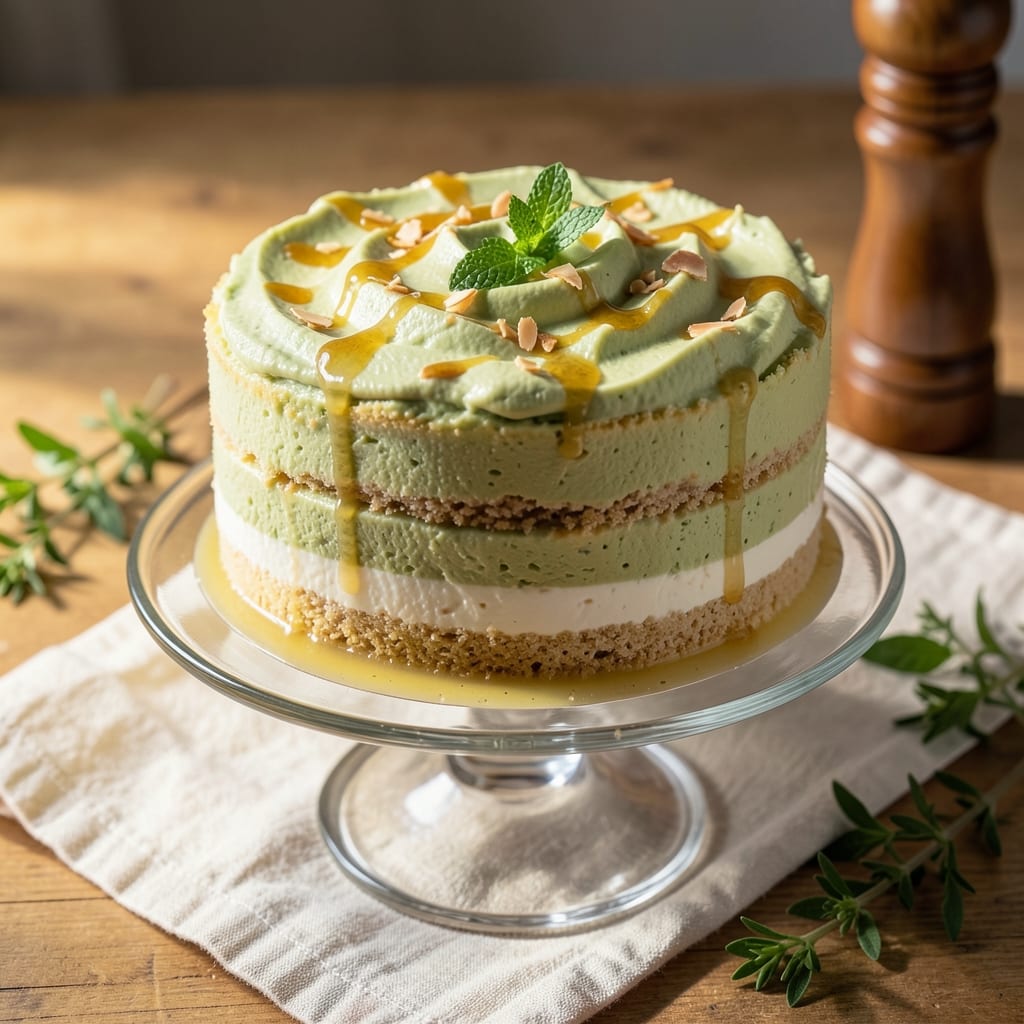
This avocado egg cake recipe transforms humble ingredients into a moist, fluffy dessert with a tropical twist—no refined sugar or heavy butter required. ✨ The secret lies in avocado's natural fats and eggs' binding power, creating layers that stay tender even after baking. I developed this recipe after craving something light yet indulgent, and it quickly became a favorite for brunch or dessert cravings.
The beauty of this cake is its simplicity—just a handful of ingredients work together to deliver rich, velvety texture without being dense. Unlike traditional cakes, this version relies on avocado for creaminess and a touch of coconut milk for that tropical vibe, all while keeping the process straightforward. It bakes in under 40 minutes, making it perfect for last-minute gatherings or satisfying a sweet tooth.
What sets this apart is the balanced sweetness from honey or maple syrup, which complements the avocado's earthy notes without overpowering them. The result is a cake that's naturally gluten-free (if using almond flour) and adaptable to dietary needs—just swap in flax eggs for a vegan version. Every slice is a testament to how simple ingredients can create something extraordinary.
Serve it warm with a dollop of whipped coconut cream or a sprinkle of toasted coconut flakes for extra flair. The possibilities for garnishes are endless, but the cake's creamy layers and subtle sweetness will steal the show no matter how you present it. Ready to bake?
Ingredients for avocado egg cake
Nine simple ingredients create this velvety avocado egg cake with tropical richness.
| Ingredient | Amount | Notes |
|---|---|---|
| Ripe Avocados 🥑 | 2 whole | Firm but yielding, pitted and scooped |
| Large Eggs 🥚 | 4 whole | Room temperature, separated yolks and whites |
| Granulated Honey 🍯 | ½ cup | Raw or local preferred for depth |
| Unsweetened Almond Flour 🌰 | 1 ½ cups | Fine-ground, no additives |
| Light Coconut Milk 🥥 | ½ cup | Full-fat for extra creaminess |
| Lemon Juice 🍋 | 2 tbsp | Freshly squeezed, seeds strained |
| Vanilla Extract 🌿 | 1 tsp | Pure Madagascar preferred |
| Baking Powder 🍞 | 1 tsp | Aluminum-free for best rise |
| Sea Salt 🧂 | ½ tsp | Fine grain, Diamond Crystal preferred |
| Toasted Coconut Flakes 🥥 | ¼ cup | For garnish, unsweetened |
| Unsalted Butter 🧈 | ¼ cup | Melted, grass-fed preferred |
| Fresh Coconut Cream 🥥 | ¼ cup | Whipped for topping, chilled |
The avocados are non-negotiable—ripe but firm with no brown spots. I always grab Hass avocados from the store's produce section, checking for that slight give when squeezed. For the eggs, room temperature is key to proper emulsification; take them out 30 minutes before baking. The almond flour should be finely ground—any lumps will make the texture gritty. Bob's Red Mill or Anthony's Goods brands are my go-tos for consistent quality. If you're using maple syrup instead of honey, reduce it to 0.4 cups since it's sweeter, but honey's floral notes pair beautifully with the avocado's earthiness.
No almond flour? Oat flour or gluten-free 1:1 blend works in a pinch, though texture may differ slightly. Running short on coconut milk? Substitute with full-fat Greek yogurt for tanginess, but expect a less tropical flavor. The baking powder is crucial—aluminum-free ensures a clean rise without metallic aftertaste. For extra richness, I sometimes add 1 tbsp of tahini to the batter, which blends seamlessly. If you're making this vegan, replace eggs with 4 flax eggs (1 tbsp ground flaxseed + 3 tbsp water per egg) and use vegan butter instead of regular. The lemon juice should be freshly squeezed—bottled versions lack the bright acidity that balances the sweetness.
This cake keeps remarkably well—3 days in an airtight container at room temperature, or up to 5 days refrigerated. For longer storage, slice and freeze portions for up to 3 months. The whipped coconut cream should be prepared just before serving—whip the chilled coconut cream with a pinch of vanilla and honey until fluffy. Garnish with toasted coconut flakes for texture contrast. Leftovers reheat beautifully in the microwave for 15 seconds—just enough to revive the coconut aroma without drying out the cake.
Why You'll Love This Recipe
- No Mash Required: I swear by this trick—just scoop the avocado flesh right into the bowl, no chopping, no mess. The eggs blend it into a silky batter faster than you can say "breakfast for dinner."
- Honey-Glazed Magic: That drizzle of honey isn’t just sweet—it caramelizes just enough to give the edges a subtle crisp while keeping the center rich and tender. (Yes, even on a Tuesday night.)
- Breakfast or Dessert: Serve it warm with a sprinkle of cinnamon for a brunch star, or chill it overnight and top with fresh berries for a sneaky-sweet treat. My kids don’t know the difference.
- Budget-Friendly Luxury: Uses pantry staples (almond flour, coconut milk) and turns overripe avocados into something special. I’ve made this for 6 people for under $10—no guilt, all flavor.
Step-by-step instructions for avocado egg cake
This tropical-inspired cake delivers moist, fluffy layers with a delicate crumb—no refined flour in sight.
👨🍳 Step 1: Prepare the Avocado Base
Cut the 2 whole ripe avocados in half, remove the pits, and scoop the flesh into a food processor. Add the 0.5 cup granulated honey, 0.5 cup light coconut milk, 2 tablespoons lemon juice, and 1 teaspoon vanilla extract. Pulse until completely smooth, scraping down the sides as needed. The mixture should be velvety with no visible avocado chunks—this ensures a silky texture. Real talk: if it looks too thick, add 1-2 tablespoons of coconut milk to reach a pudding-like consistency.
Transfer the avocado mixture to a large mixing bowl. In a separate bowl, whisk together the 4 whole large eggs, separating yolks and whites for now. The eggs should be at room temperature for even incorporation. I like to add the egg yolks to the avocado mixture first, whisking gently to combine. This prevents the whites from overmixing later.
👨🍳 Step 2: Combine Dry Ingredients
In a medium bowl, sift together the 1.5 cups unsweetened almond flour, 1 teaspoon baking powder, and 0.5 teaspoon sea salt. This step is critical—sifting prevents lumps and ensures even distribution of leavening. Gently fold the dry ingredients into the avocado-egg mixture using a spatula, being careful not to overmix. You'll see a thick, glossy batter with a few small streaks of almond flour remaining—this is perfect.
Now fold in the 0.25 cup melted unsalted butter until fully incorporated. The batter should be smooth and thick, like a rich cake batter. Here's the thing—don't worry if it looks too dense. The avocado's natural oils and the coconut milk will create a tender crumb as it bakes.
🍳 Step 3: Whip Egg Whites and Fold
In a clean, grease-free bowl, beat the egg whites with an electric mixer on medium speed until soft peaks form. Gradually add the 0.5 cup granulated honey while continuing to beat. Increase the speed to high and whip until the egg whites form stiff, glossy peaks that hold their shape when the whisk is lifted. This step is non-negotiable—properly whipped egg whites create the cake's signature fluffiness.
Gently fold one-third of the whipped egg whites into the avocado batter to lighten it. Then, carefully fold in the remaining egg whites in two additions, using a spatula to cut through the center and gently fold from the bottom up. The batter will be airy and pale, with just a few ribbons of white showing when you lift the spatula. Overmixing now will deflate the air and make the cake dense.
🥘 Step 4: Layer and Bake for Fluffy Results
Preheat your oven to 350°F and grease two 8-inch round cake pans with nonstick spray or a thin layer of melted butter. Line the bottoms with parchment circles for easy removal. Divide the batter evenly between the pans, smoothing the tops with a spatula. The batter should fill each pan about ¾ full—it won't rise dramatically, so don't overfill.
Bake for 30-35 minutes until the tops are golden and a toothpick inserted in the center comes out clean. I press down gently on the cakes during the first 10 minutes of baking—this prevents them from doming too much and ensures even cooking. The cakes are done when they spring back slightly when touched and have pulled away from the sides of the pan.
⏰ Step 5: Cool and Assemble with Tropical Topping
Remove the cakes from the oven and let them cool in the pans for 10 minutes. Then transfer to a wire rack to cool completely. While the cakes cool, whip the 0.25 cup fresh coconut cream until it forms soft peaks. Fold in the 0.25 cup toasted coconut flakes for a textured, tropical topping.
Once cooled, place one cake layer on a serving plate and spread a thin layer of the whipped coconut cream. Top with the second layer and spread the remaining coconut cream over the top and sides. Dust with a light layer of toasted coconut flakes for garnish. Serve immediately for the best texture—this cake is at its peak when fresh from the oven, with moist layers and a cool, creamy topping.
Pro Tips For Making Avocado Egg Cake
- Mash Avocados Last: Avocados oxidize fast, and once you mix them with eggs and coconut milk, the batter will sit longer. Scoop the flesh out, pit and all, then mash it right before folding in the wet ingredients—no need to stress about browning.
- Use Room-Temp Eggs: Cold eggs make the batter thicker and denser, and this cake relies on a light, airy texture. Crack them into a bowl and let them sit for 10 minutes before mixing—your future self will notice the difference.
- Skip Overmixing the Batter: This isn’t pancake batter—aggressive stirring develops gluten in the almond flour and makes the cake gummy. Mix just until the honey and coconut milk are incorporated, then fold in the avocado gently with a spatula.
- Bake Until the Center Jiggles: The cake should pull away from the edges but still have a slight wobble in the middle—like a firm custard. Overbaking dries out the avocado flavor, and underbaking leaves it too wet. A toothpick should come out with a few moist crumbs, not liquid.
Best sauces and condiments for this avocado egg cake
Coconut Cream Swirl
Whip the 0.25 cup fresh coconut cream until it forms soft peaks, then gently fold in 0.25 cup toasted coconut flakes for a textured, tropical finish. Spread this mixture between the cake layers and on top for a creamy, fluffy contrast that balances the cake's richness. For extra decadence, add 1 tsp vanilla extract while whipping to deepen the flavor. This topping keeps the cake moist for 24 hours when stored properly. 🥥
Lime Curd Drizzle
Make a quick lime curd by whisking 3 egg yolks, 0.25 cup honey, 0.25 cup coconut milk, and 2 tbsp lime juice in a saucepan over low heat until thickened. Strain through a fine sieve, then drizzle over the cake layers before assembling. The bright acidity cuts through the avocado's creaminess, creating a refreshing contrast. Store-bought lime curd works too—just thin it with 1 tsp coconut milk if needed. ✨
Mango Purée Glaze
Blend 1 cup ripe mango with 1 tbsp honey until smooth, then strain to remove seeds. Brush this purée over the cooled cake layers before adding the coconut cream topping. The mango adds a juicy, fruity layer that pairs perfectly with the tropical flavors. For a glossy finish, microwave the purée for 10 seconds before brushing. This glaze works especially well if you serve the cake chilled. 🌟
Chocolate Ganache Drizzle
Melt 0.2 cup dark chocolate (70% cocoa) with 0.2 cup coconut cream over a double boiler, then let cool slightly. Drizzle over the assembled cake layers in a zigzag pattern for a luxurious contrast. The bitterness of the chocolate complements the cake's natural sweetness. For a vegan version, use dairy-free chocolate and coconut cream. Keep the ganache at room temperature for easy drizzling. 💫
Spiced Caramel Sauce
Combine 0.25 cup honey, 0.25 cup coconut milk, 1 tsp cinnamon, and ½ tsp vanilla in a saucepan. Simmer for 5 minutes until thickened, then drizzle over the cake. The warm spices add depth without overpowering the avocado's earthiness. Store the sauce in an airtight container for up to 5 days—it reheats beautifully for extra warmth. 🔥
Nutrition facts
Frequently asked questions
Can I make this cake without almond flour?
For a 1:1 gluten-free substitute, use a store-bought blend like Bob's Red Mill or King Arthur. For regular flour, swap the 1.5 cups almond flour with 1.25 cups all-purpose flour plus 0.25 cup cornstarch to maintain moisture. The texture will be slightly denser but still delicious.
Why does my cake turn out dense instead of fluffy?
Overmixing the batter or underwhipped egg whites are the most common culprits. Always fold the egg whites gently in three additions and stop mixing once they hold stiff peaks. Also ensure your eggs are room temperature—cold eggs won't incorporate properly. Preheat the oven fully to 350°F and avoid opening the oven door during the first 20 minutes of baking.
How do I store leftovers to keep them moist?
Wrap the cake tightly in plastic wrap, then place it in an airtight container with a slice of bread or a damp paper towel to absorb excess moisture. Store at room temperature for 2 days or refrigerate for up to 5 days. For longer storage, freeze slices individually for 3 months. Reheat frozen slices in the microwave for 10-15 seconds to restore moisture.
Can I make this cake vegan?
Yes! Replace the 4 eggs with 4 flax eggs (1 tbsp ground flaxseed + 3 tbsp water per egg) and use vegan butter instead of regular. For the egg whites, whip 0.5 cup aquafaba (chickpea brine) until stiff peaks form. The texture will be slightly denser but still rich.
What's the best way to test for doneness?
Insert a toothpick into the center—it should come out with a few moist crumbs but no wet batter. The cake should also spring back slightly when gently pressed. For extra accuracy, check the internal temperature with an instant-read thermometer—it should reach 205-210°F. The edges should pull away cleanly from the pan while the top has a light golden hue.