
Desserts
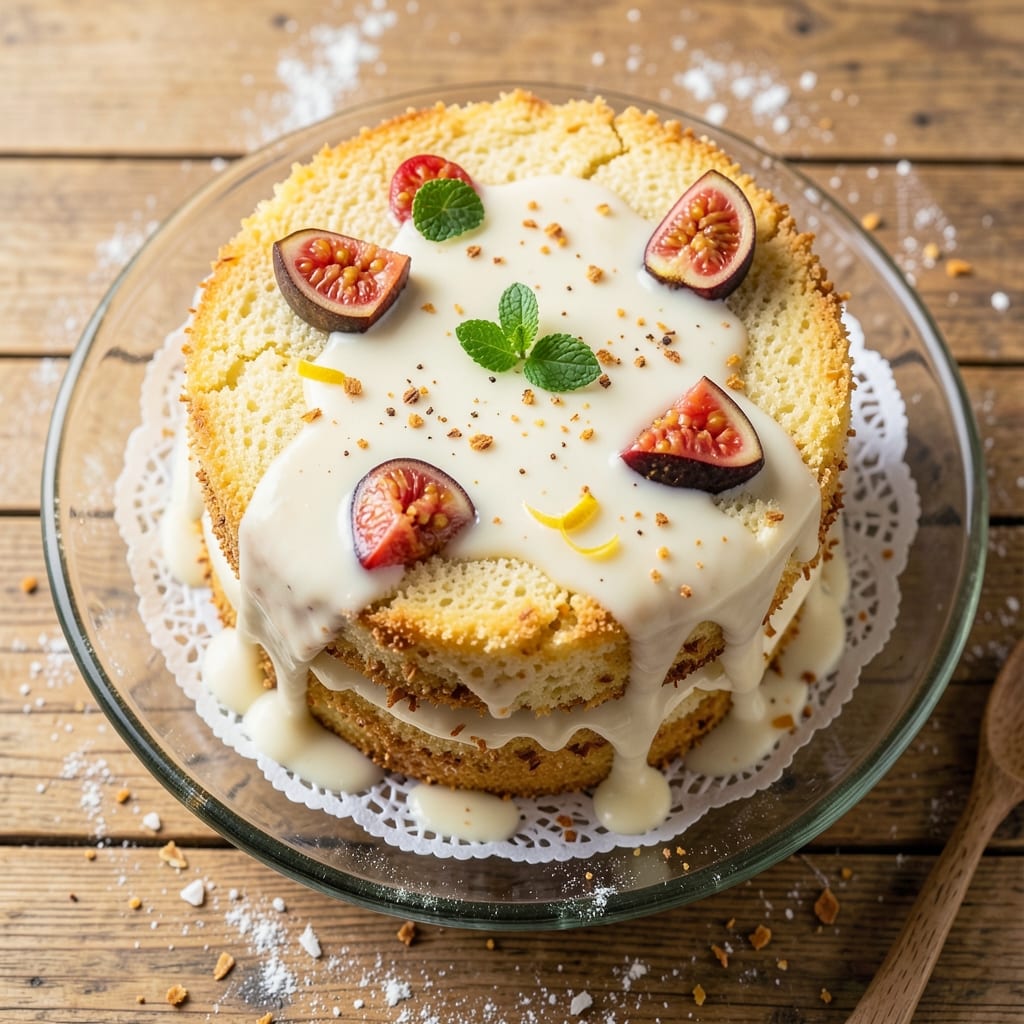
This authentic Puerto Rican tres leches cake delivers the signature moist, creamy layers that make it legendary—no shortcuts, just tradition. The secret lies in light sponge cake soaked in a perfect blend of evaporated milk, condensed milk, and heavy cream, all infused with coconut milk for that unmistakable Caribbean touch. I’ve baked this version countless times, and the difference between homemade and store-bought is night and day.
The key to success is patience: baking the cake just until set, letting it cool completely before soaking, and assembling layers with precision. This isn’t a rushed dessert—it’s a labor of love that rewards with every tender, milk-soaked bite. The coconut milk adds a subtle richness that elevates the classic tres leches, making it taste like a slice of Puerto Rico itself.
What you’ll end up with is a cake that’s impossibly moist, with each layer drenched in creamy milk mixture and topped with fluffy whipped cream or a dusting of cinnamon. The texture is light yet substantial, and the flavors—sweet, milky, and just slightly tropical—are pure comfort. No one will guess it’s made from simple ingredients and a few hours of careful assembly.
Perfect for celebrations, family gatherings, or when you want to impress with a dessert that feels special. The recipe scales easily, so you can make it for a crowd or save half for later—though I can’t promise it’ll last that long. Let’s get started on creating this Puerto Rican classic.
Ingredients for authentic puerto rican tres leches cake
Simple pantry staples transform into Puerto Rico's most beloved dessert—creamy, tropical, and impossible to resist.
| Ingredient | Amount | Notes |
|---|---|---|
| All-Purpose Flour 🌾 | 2 ½ cups | Sifted for light texture |
| Granulated Sugar 🍚 | 1 ½ cups | White or light brown |
| Unsalted Butter 🧈 | 1 cup | Room temperature, full-fat |
| Large Eggs 🥚 | 5 whole | Room temperature, separated |
| Baking Powder 🧂 | 1 ½ tsp | Aluminum-free preferred |
| Salt 🧂 | ½ tsp | Fine sea salt |
| Vanilla Extract 🌿 | 1 tbsp | Pure, high-quality |
| Evaporated Milk 🥛 | 12 oz | Full-fat for creaminess |
| Sweetened Condensed Milk 🥛 | 14 oz | Standard can size |
| Heavy Cream 🥛 | 1 cup | Full-fat for stability |
| Coconut Milk 🥥 | 13 ½ oz | Full-fat canned version |
| Whole Milk 🥛 | ½ cup | For thinning if needed |
| Ground Cinnamon 🌿 | 1 tsp | For dusting top |
The coconut milk is non-negotiable here—full-fat canned version gives that authentic Caribbean richness. Goya or Dole brands are my go-tos, but any full-fat can works. For the evaporated milk, Carnation is the classic choice, but store brands are fine too. The condensed milk? Don't skimp on quality—the cheaper brands can taste overly sweet. Room temperature butter is crucial for light layers, so take it out 30 minutes before baking. Eggs should be separated carefully—room temperature helps them whip better for the filling.
No evaporated milk? Whole milk reduced by half works in a pinch, but the texture won't be quite the same. Short on coconut milk? Substitute with extra heavy cream, though you'll lose some tropical depth. The cinnamon can be swapped for vanilla sugar if you prefer. For the cake layers, don't overbake—they should be just set in the center. The milk mixture needs to be poured hot over the cooled cake for perfect absorption. If your mixture seems too thick, add whole milk 1 tbsp at a time until it reaches a pourable consistency.
This cake keeps beautifully—3-4 days refrigerated with layers separated by parchment. For longer storage, freeze assembled layers for up to 3 months. The soaked layers actually improve overnight as the flavors meld. To serve, dust generously with cinnamon and add whipped cream just before slicing. The cake reheats beautifully—30 seconds in microwave restores its softness. Portion into individual slices for parties—it disappears fast!
Why You'll Love This Recipe
- Here’s what sold me: it’s cheap to make but feels fancy. All-purpose flour, basic sugar, and eggs? That’s it for the base. The tres leches mix is just pantry staples, and the butter gives it that real cake flavor without breaking the bank. Leftovers? They disappear fast—trust me, I’ve tested this.
- One-Bowl Wonder: I swear by this recipe because it’s that simple—just mix the flour, sugar, butter, and eggs right in the bowl. No separate pans, no fussing with layers. The baking powder keeps it light, and honestly? That’s half the battle won before you even preheat the oven.
- Creamy Magic: Between us, the tres leches soak is where this cake really shines. That buttery sponge? It’s like a blank canvas for the sweetened condensed milk, evaporated milk, and heavy cream. The texture—moist but not soggy, rich but not cloying—is ridiculously good. My husband licks the plate.
- Party Ready: This cake is my go-to for birthdays, graduations, or just because. The vanilla extract in the batter ties into the cinnamon in the syrup, and it’s always a crowd-pleaser. Plus, I can make it ahead—it actually tastes better the next day, so it’s perfect for gatherings. (Yes, even on a Tuesday night.)
Step-by-step instructions for authentic Puerto Rican tres leches cake
Here's how to bake this legendary cake with light layers and silky coconut-soaked goodness.
Prepare the Cake Batter for Light Layers
Preheat your oven to 350°F and grease three 8-inch round cake pans. Line the bottoms with parchment paper for easy removal. In a large mixing bowl, combine the 2.5 cups all-purpose flour, 1.5 cups granulated sugar, 1.5 tsp baking powder, and 0.5 tsp salt. Sift this dry mixture together to avoid lumps in your cake.
In a separate bowl, beat the 1 cup unsalted butter and 5 whole large eggs (separated) until light and fluffy. I like to use a stand mixer for this—beat the yolks first until pale, then gradually add the whites while mixing on low. Add the 1 tbsp vanilla extract and mix just until combined. Gently fold the dry ingredients into the wet mixture until just combined—overmixing develops gluten and makes the cake dense.
Bake Three Even Layers
Divide the batter evenly among the three prepared pans. Bake for 25-30 minutes or until a toothpick inserted into the center comes out clean. The cakes should be golden brown on top but still slightly springy to the touch. Real talk: don't overbake these layers—they'll firm up as they cool.
Let the cakes cool in their pans for 10 minutes before transferring to a wire rack to cool completely. I press a clean kitchen towel over each pan while they cool—this helps prevent the bottoms from becoming gummy. Once fully cooled, level the tops if needed with a serrated knife for even layers when assembling.
Create the Signature Tres Leches Filling
In a large bowl, whisk together the 12 oz evaporated milk, 14 oz sweetened condensed milk, 1 cup heavy cream, and 13.5 oz coconut milk. This is the heart of your cake—don't substitute any of these ingredients. The coconut milk gives it that authentic Puerto Rican touch while keeping it rich and creamy.
Taste the mixture and adjust sweetness if needed by adding a splash of the 0.5 cup whole milk if it's too thick. You want a smooth, pourable consistency that will soak into the cake layers beautifully. Set this aside while you prepare the cake assembly.
Assemble and Soak the Layers
Place the first cake layer on a serving plate. Using a fork or skewer, poke holes all over the surface—about ¼-inch deep and 1-inch apart. This creates channels for the tres leches mixture to soak in evenly. Pour about ⅓ of the milk mixture over the first layer, letting it absorb completely.
Repeat with the remaining two layers, adding the milk mixture between each layer. For the top layer, poke holes and pour the remaining mixture evenly over the entire surface. Let the cake soak for at least 1 hour at room temperature—this is where the magic happens. The cake will develop that signature moist, creamy texture that makes this dessert legendary.
Chill and Finish with Cinnamon
After the soaking time, transfer the cake to the refrigerator and chill for at least 4 hours, preferably overnight. This chilling step is crucial—it allows all the flavors to meld together and gives you that perfect firm-yet-creamy texture when you cut into it.
Before serving, dust the top generously with 1 tsp ground cinnamon. I like to use a fine-mesh sieve for an even, elegant coating. Serve chilled with fresh whipped cream and sliced fruit if desired. Each slice should be moist, lightly sweet, and have that perfect balance of creamy coconut flavor throughout.
Pro Tips For Making Authentic Puerto Rican Tres Leches Cake
- Bake Until Springy: I learned this the hard way—overbaking turns your cake into a brick. Test doneness by gently pressing the center: it should bounce back slowly, not stay indented. Take it out when the edges pull away but the middle’s still slightly jiggly (yes, even if you’re impatient like me).
- Whip Eggs Room Temp: Cold eggs? Skip it. Whip large eggs at room temperature for at least 30 minutes beforehand—they’ll incorporate air better and give you that light, fluffy texture Puerto Rican tres leches deserves. I used to rush this, and the cake always came out dense.
- Mix Milk Gradually: Pour the evaporated milk, condensed milk, and heavy cream slowly into the cake layers while it’s still warm. Dumping it all at once makes a soggy mess. Let it soak in for 5 minutes before refrigerating—this guarantees every bite stays moist, not waterlogged.
- Use Cold Butter for Layers: Spread softened (not melted) butter between the cake layers—it should hold its shape but still press in easily. Cold butter creates crisp edges that hold up to the syrup, while melted butter makes everything greasy. Trust me, it’s worth the extra 10 minutes in the fridge.
Serving suggestions for this authentic puerto rican tres leches cake
Classic Presentation
Serve this tres leches cake on a beautiful ceramic cake stand or wooden board to showcase its elegant layers. I like to place a handwritten "Feliz Cumpleaños" or "¡Buen Provecho!" label on the side for that authentic Puerto Rican touch. The cake looks stunning with a light dusting of cinnamon on top—use a fine-mesh sieve for an even, professional finish. 🌟
Whipped Cream Toppings
Freshly whipped cream is a must—whip 1 cup heavy cream with 1 tbsp powdered sugar until soft peaks form. Pipe decorative swirls on top using a star tip or simply spread it with a spatula. For extra flair, mix in ½ tsp vanilla extract or a pinch of ground cinnamon before whipping. Store-bought whipped cream works in a pinch, but homemade tastes infinitely better.
Fruit Garnishes
Fresh fruit adds brightness and color. Try sliced mango, passion fruit, or guava arranged in a circular pattern around the cake. For a tropical twist, add toasted coconut flakes or dried pineapple on top. I often serve it with a side of sliced papaya or strawberries for guests to add to their plates. The acidity cuts through the richness beautifully.
Coffee Pairing
Puerto Rican café con leche or espresso makes the perfect beverage pairing. The warm, slightly bitter notes complement the sweet, creamy cake. For a festive touch, serve dark rum (like Don Q Cristal) alongside—just a splash over the cake or in coffee for adults. For a non-alcoholic option, coconut milk horchata adds a creamy, tropical contrast.
Individual Portions
For parties, portion the cake into 8-10 individual servings using a sharp serrated knife dipped in hot water between slices. Place each slice on a small dessert plate with a dollop of whipped cream and a sprinkle of cinnamon. I like to serve them on colorful paper doilies or mini cake stands for a festive look. This makes it easy to share and ensures every guest gets a perfect slice.
Nutrition facts
Frequently asked questions
Why does this recipe use coconut milk in the tres leches mixture?
The coconut milk is essential for that authentic Puerto Rican flavor profile! It adds a subtle tropical richness that sets this version apart from traditional tres leches cakes. The full-fat canned version blends perfectly with the evaporated and condensed milk, creating a creamier texture with just the right hint of coconut sweetness.
Can I make this cake in a single layer instead of three?
but you'll need to adjust the baking time. Use one 9-inch or 10-inch round pan and reduce the batter by ⅓. Bake for 35-40 minutes until set, then soak the entire layer with the milk mixture. The texture will be just as moist, but the presentation will be different.
What's the best way to store leftovers?
Store this cake in an airtight container in the refrigerator for up to 4 days. To reheat, microwave individual slices for 10-15 seconds to restore softness. For longer storage, freeze the assembled cake (without whipped cream) for up to 3 months—thaw overnight in the fridge before serving.
How do I prevent the cake layers from becoming soggy?
Let the cake layers cool completely before soaking, and don't skip the 4-hour chilling time after assembly. The cold helps set the milk mixture properly. Also, ensure your milk mixture isn't too hot when poured—room temperature works best. If your kitchen is humid, consider refrigerating during the soaking process.
Can I substitute any of the milk products?
For best results, stick to the traditional mix. However, if needed: substitute evaporated milk with whole milk reduced by half**, and coconut milk with extra heavy cream. Avoid powdered milk—it won't give the same creamy texture. The condensed milk is non-negotiable for that signature sweetness and thickness.