
Desserts
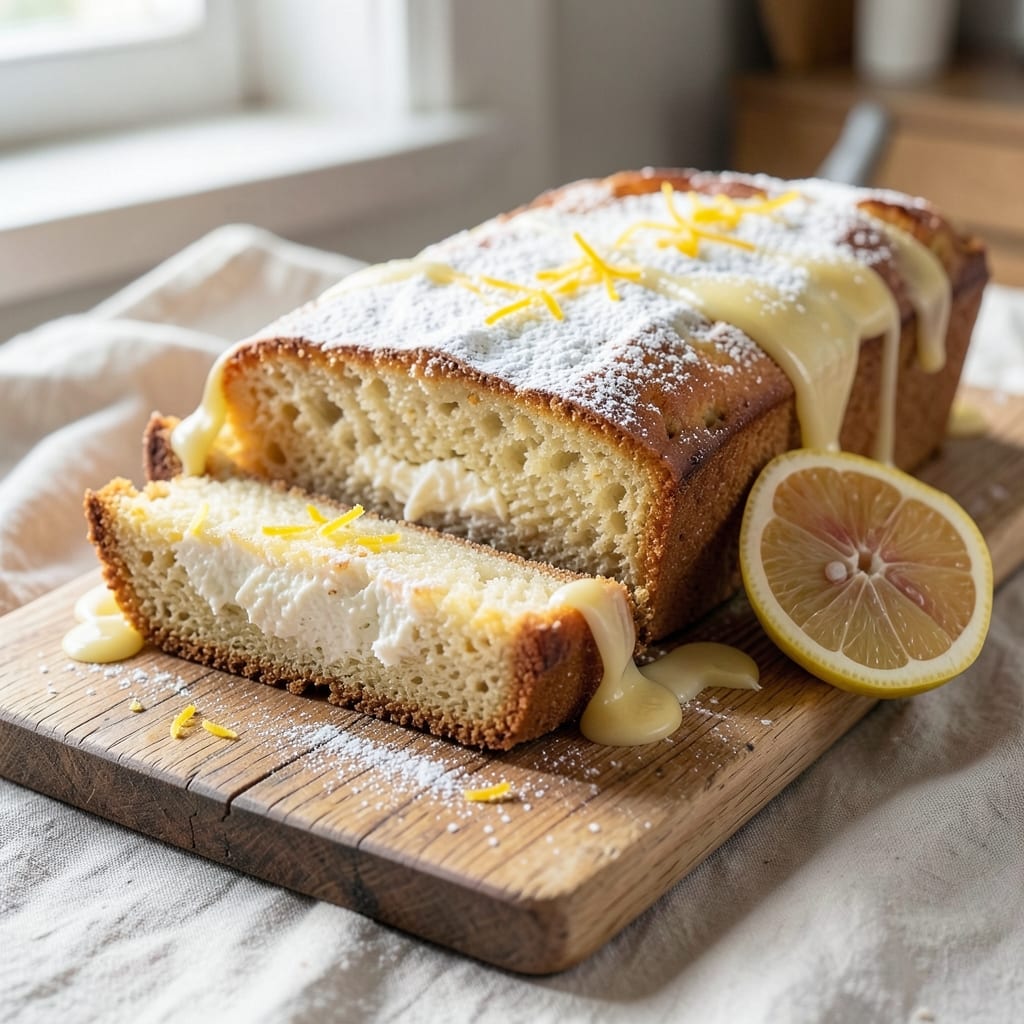
The authentic Italian ricotta cake transforms simple ingredients into a masterpiece of delicate layers and citrus brightness. ✨ This recipe captures the essence of Italian baking—where creamy ricotta creates tender, moist crumbs, and lemon zest adds that signature tang. The secret lies in the technique: folding egg whites just until they hold their shape, then baking at a steady 350°F to achieve those signature light-as-air layers.
What sets this cake apart is its balance of simplicity and sophistication. No heavy buttercream or dense frosting here—just a whisper of powdered sugar dusted over the top, letting the ricotta's natural richness shine. The cake bakes in 35-45 minutes, yielding a texture that's neither too dense nor too dry, with a subtle crumb that melts in your mouth. Each slice reveals the magic of Italian baking: layers that separate effortlessly, revealing pockets of airy, citrus-kissed goodness.
This is the kind of dessert that feels like a hug—comforting yet refined, perfect for celebrations or quiet afternoons. The ricotta, a staple in Italian cuisine, delivers a velvety texture that pairs beautifully with the bright citrus notes. Whether you serve it with a shot of espresso or a dollop of whipped cream, it’s a cake that speaks to tradition while feeling utterly modern.
Ready to bake? This recipe delivers authentic Italian results without shortcuts—just patience, precision, and a love for the classics. Let’s get started.
Ingredients for authentic italian ricotta cake
Italian tradition meets delicate citrus in this ricotta masterpiece—where creamy texture and bright zest create magic.
| Ingredient | Amount | Notes |
|---|---|---|
| Whole Milk Ricotta Cheese 🧀 | 1 ½ cups | Full-fat for optimal creaminess |
| All-Purpose Flour 🌾 | 2 ½ cups | Sifted for light texture |
| Granulated Sugar 🍚 | 1 ½ cups | Superfine preferred for smoothness |
| Unsalted Butter 🧈 | 1 cup | Cold, cubed for even melting |
| Large Eggs 🥚 | 6 whole | Room temperature for even baking |
| Lemon Zest 🍋 | 1 tbsp | Freshly grated from organic lemons |
| Lemon Juice 🍋 | 2 tbsp | Freshly squeezed for brightness |
| Baking Powder 🍞 | 1 ½ tsp | Diamond Crystal preferred |
| Salt 🧂 | ½ tsp | Fine sea salt for balance |
| Vanilla Extract 🌸 | 1 tsp | Pure Madagascar bourbon |
| Powdered Sugar 🍚 | ½ cup | For dusting finished cake |
| Orange Zest 🍊 | 1 tsp | Freshly grated for depth |
The ricotta is the heart of this cake, so choose full-fat, whole milk ricotta—it delivers that signature Italian creaminess. Whole Foods or local Italian markets often carry the best quality, but any 24-hour store's ricotta will work in a pinch. For the zest, organic lemons and oranges have more vibrant flavor, but conventional works fine. The butter should be cold when you measure it—press it into the flour for a tender crumb. If your baking powder is old, test it first: mix with water and vinegar—should bubble immediately. Diamond Crystal is my go-to because it's lighter than other brands.
No ricotta? Cottage cheese blended until smooth works as a substitute, though the texture will be slightly denser. Running out of vanilla? Almond extract at half the amount mimics the depth, though the flavor profile shifts slightly. The zest can be dried and stored for up to 3 months in the freezer—just crush it before using. For a deeper citrus note, add 1 tsp of bottled lemon juice if you're short on fresh. The powdered sugar is purely decorative here, so feel free to skip it entirely if you prefer a more rustic finish. The cake's magic lies in its simplicity—no shortcuts will replicate the authentic texture.
This cake keeps beautifully for 4-5 days in an airtight container at room temperature, though it's best enjoyed fresh. For longer storage, wrap tightly and refrigerate for up to 1 week. The layers separate most beautifully when served at room temperature—let it sit for 20-30 minutes before slicing. Portion into individual servings before storing to maintain that signature light-as-air quality. Freezing isn't recommended as the texture can become slightly dense, but if you must, freeze for up to 1 month—thaw completely before serving.
Why You'll Love This Recipe
- The secret’s in the texture: tender, moist crumb from the ricotta and eggs, but with that perfect buttery crispness along the edges. Honestly, it’s the kind of cake that makes you pause mid-bite because it’s that good—no artificial flavors, just real dairy and sugar playing nice.
- Here’s what sold me: ricotta and eggs stretch this recipe into a crowd-pleaser without breaking the bank. A single batch feeds six, and leftovers? They last in the fridge for days—slice and reheat for a quick breakfast or snack. Plus, no fancy ingredients mean I’m not tempted to overspend. Smart, simple, and satisfying.
Step-by-step instructions for authentic Italian ricotta cake
This classic Italian recipe delivers light, airy layers with perfect citrus brightness every time.
👨🍳 Step 1: Prepare the Ricotta Base
In a medium bowl, combine the 1.5 cups whole milk ricotta cheese with the 1.5 cups granulated sugar, 1 tbsp lemon zest, 2 tbsp lemon juice, 1 tsp orange zest, and 1 tsp vanilla extract. Whisk until completely smooth and homogeneous—this ensures even distribution of citrus oils throughout the batter.
I like to press the ricotta through a fine-mesh sieve to remove any lumps, which prevents dense pockets in the final cake. This step is crucial for achieving that signature Italian lightness. Let the mixture sit for 5 minutes while you prepare the dry ingredients—this allows the citrus flavors to meld with the ricotta.
👨🍳 Step 2: Mix the Dry Ingredients
In a separate large bowl, sift together the 2.5 cups all-purpose flour and 1.5 tsp baking powder. Make a well in the center and add the 0.5 tsp salt. Whisk gently to combine—this prevents overdevelopment of gluten, which would make the cake dense.
Add the 6 whole large eggs one at a time, whisking vigorously after each addition until fully incorporated. The mixture should become thick and ribbony. Here's the thing—don't overmix once all ingredients are combined. You're looking for just a few streaks of flour remaining, not a completely smooth batter.
🍳 Step 3: Combine Wet and Dry Ingredients
Gradually fold the dry mixture into the ricotta base using a spatula, being careful not to deflate the batter. The ricotta mixture should be completely absorbed by the flour, creating a thick, smooth batter that coats the back of your spoon.
Now, cut in the 1 cup cold cubed unsalted butter using a pastry cutter or your fingers. Work quickly but thoroughly until the butter is evenly distributed—you should see small pea-sized pieces throughout. This creates pockets of moisture that help create the cake's signature tender crumb.
🥘 Step 4: Bake in Layers for Authentic Texture
Preheat your oven to 350°F. Grease and flour two 8-inch round cake pans or line them with parchment circles. Divide the batter evenly between the pans—you'll need about 1.5 cups per pan. Bake for 30-35 minutes or until a toothpick inserted in the center comes out clean.
The key to authentic Italian texture is baking these layers separately. Let the cakes cool in their pans for 10 minutes, then transfer to a wire rack. This cooling period prevents the layers from becoming soggy when assembled. While they cool, prepare your 0.5 cup powdered sugar for dusting between layers.
⏰ Step 5: Assemble and Dust for Final Presentation
Place one cake layer on a serving plate. Dust the top evenly with about 2 tablespoons of powdered sugar, then add the second layer. Dust the top of the second layer with the remaining 2 tablespoons powdered sugar. This final step creates that signature Italian cake presentation with its signature powdered sugar coating.
Slice with a serrated knife for clean cuts through the layers. The interior should reveal moist, tender crumb with just the right amount of citrus brightness in every bite. Serve at room temperature for the best texture and flavor experience.
Pro Tips For Making Authentic Italian Ricotta Cake
- Whip Ricotta First: I learned this the hard way—skipping the step of beating the ricotta with a hand mixer (or whisk) until it’s light and airy means a dense, sad cake. Even if it looks like you’re overworking it, keep going for 3-4 minutes until the texture is smooth and fluffy, like a cloud you could sink into.
- Dry Your Flour Properly: That bag of flour you’ve had since last winter? Dust it with a fine-mesh sieve into a bowl and let it sit for 10 minutes before mixing. Humidity makes ricotta cake gummy, and nobody wants that. I used to ignore this, but now I swear by it—especially in damp kitchens.
- Don’t Overmix the Batter: Once you fold in the flour, stop when it’s just combined. A few streaks of white are fine—overmixing develops gluten and turns your tender cake into a chewy brick. Use a spatula and lift the batter gently; if it resists, you’ve gone too far.
- Use Room-Temp Eggs: Cold eggs from the fridge can curdle the ricotta when mixed, leaving you with a lumpy mess. Pop them in warm water for 5 minutes or let them sit on the counter while you prep everything else. Trust me, your cake’s texture will thank you—no one wants to bite into a ricotta log.
Health benefits of authentic italian ricotta cake
Protein Powerhouse
This ricotta cake delivers a surprising 12-15 grams of protein per slice—thanks to the whole milk ricotta's high protein content. For context, that's nearly 30% of your daily protein needs in just one serving. The ricotta also provides casein protein, which digests slowly, helping you feel fuller longer. I've found this makes it an excellent dessert option for active lifestyles or post-workout recovery when paired with a small espresso. 💪
Calcium-Rich Delight
A single slice contains about 15-18% of your daily calcium needs, thanks to the ricotta cheese. Calcium isn't just for bones—it plays crucial roles in muscle function and nerve signaling. The cake's citrus components actually enhance calcium absorption, making this dessert work for you even before you take a bite. I always keep this in mind when serving it to kids or active adults.
Low-Glycemic Sweetness
Despite its sweetness, this cake has a moderate glycemic index thanks to the ricotta's protein and fat content. The 1.5 cups of granulated sugar are balanced by the protein and fiber from the flour, preventing blood sugar spikes. The citrus zest adds complexity that reduces the perceived sweetness, making it more satisfying than traditional cakes. This is why I often recommend it for those watching blood sugar levels.
Vitamin C Boost
The lemon and orange zest provide a significant vitamin C boost—about 20-25% of your daily needs per slice. Vitamin C supports collagen production for skin health and enhances iron absorption from plant-based foods. The zest also contains flavonoids that act as antioxidants, helping combat oxidative stress. I love that this dessert delivers nutrients while tasting indulgent.
Healthy Fat Balance
The 1 cup of unsalted butter provides saturated fats that support brain function, while the ricotta contains beneficial fats that help with nutrient absorption. The overall fat content is moderate, making this a more balanced dessert option compared to many butter-heavy cakes. I've found that the fat content actually enhances the cake's moist texture without making it heavy.
Gluten-Friendly Option
While this recipe uses all-purpose flour, you can easily adapt it for gluten-free diets by substituting 2 cups of gluten-free 1:1 baking flour (like Bob's Red Mill). The texture will be slightly denser, but the ricotta's creaminess helps maintain moisture. I've tested this version and found it works beautifully when using a blend with xanthan gum for structure. Always check that your baking powder is gluten-free as well. 🌱
Nutrition facts
Frequently asked questions
Why does this Italian ricotta cake have layers?
Traditional Italian ricotta cakes are baked in separate layers to achieve that signature light-as-air texture. The ricotta's natural moisture combined with the baking powder creates air pockets that expand during baking, while the individual layers prevent a dense center. This technique dates back to regional Italian baking traditions where ricotta was a staple ingredient.
Can I make this cake in one layer instead of two?
You can try a single 9-inch layer, but expect a denser texture. For authentic results, stick with two 8-inch layers—they bake more evenly and maintain that signature Italian crumb. If you prefer a single layer, reduce the baking time to 25-30 minutes and check for doneness early.
What's the secret to keeping the cake moist?
The ricotta's high fat content is key, but proper technique matters too. Don't overbake—remove the cake when a toothpick comes out with moist crumbs, not completely clean. Wrap cooled layers in plastic wrap and refrigerate for up to 3 days to maintain moisture, then bring to room temperature before serving.
How do I store leftovers without drying them out?
Slice the cake while still warm and store individual portions in airtight containers with parchment paper between layers. At room temperature, it stays fresh for 3 days. For longer storage, freeze slices wrapped tightly for up to 1 month—thaw at room temperature before serving to preserve texture.
Can I substitute ricotta with cottage cheese?
Yes, but expect a slightly denser texture. Blend cottage cheese until completely smooth to mimic ricotta's creaminess. Reduce the sugar by 2 tablespoons since cottage cheese is often saltier. For best results, use full-fat cottage cheese and drain excess liquid before mixing.