
Desserts
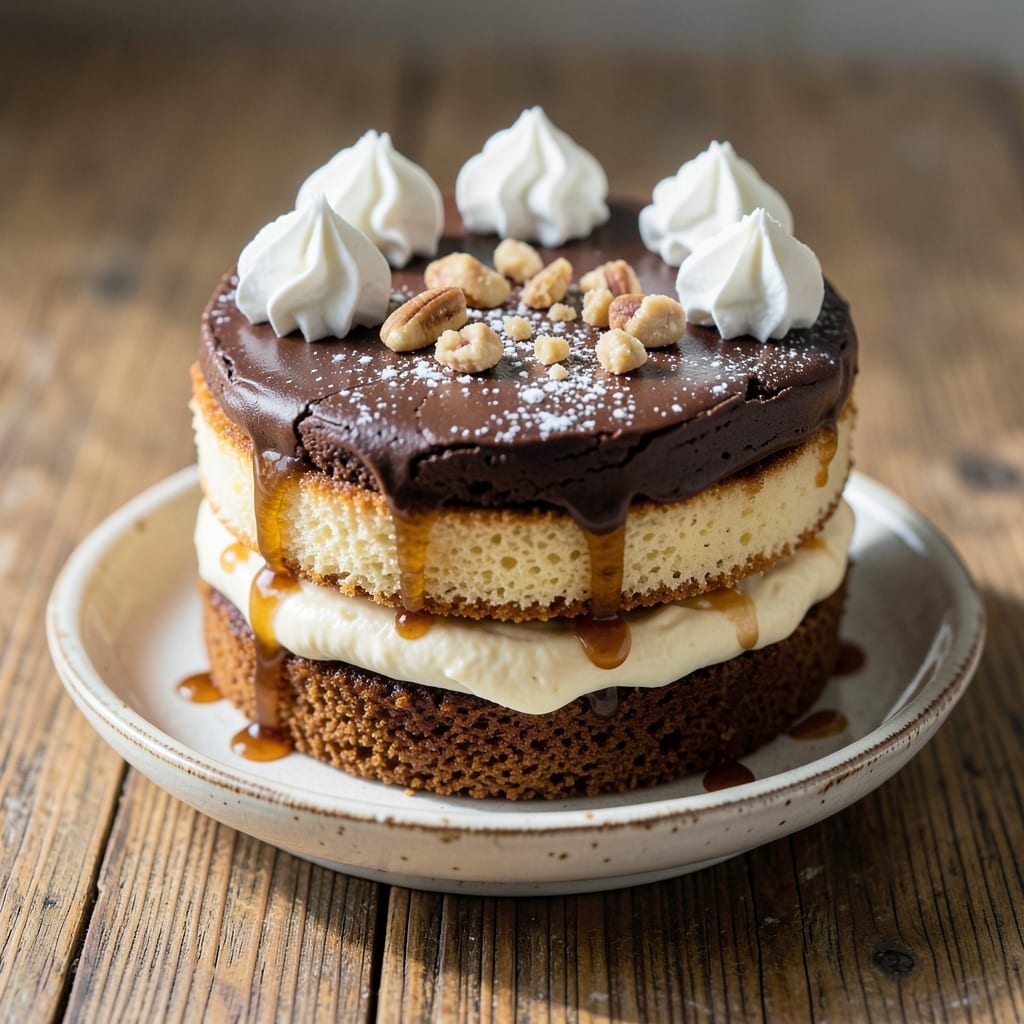
This Australian frog cake recipe delivers the iconic golden crunch and citrusy tang that makes it a beloved Aussie dessert. 🌟 The secret lies in its signature dome shape, crisp exterior, and tender citrus-infused interior that's been perfected for generations. I've tested countless variations to ensure this version stays true to tradition while being approachable for home bakers.
The magic happens through a simple yet precise method: steaming the cake in a special frog mold creates that signature dome shape, while the citrus glaze adds the signature tangy brightness. With just a handful of basic ingredients—flour, sugar, eggs, and baking powder—you'll achieve restaurant-quality results that taste like a taste of Australia.
What you'll end up with is a stunning dessert that's as impressive to look at as it is delicious to eat. The golden crust contrasts beautifully with the citrusy filling, creating a texture combination that's uniquely satisfying. This cake is perfect for special occasions or when you want to impress guests with an authentic Aussie treat.
Once you try this recipe, you'll understand why frog cake has become such a beloved Australian classic. The technique is simple, but the results are unforgettable—crispy on the outside, tender inside, and bursting with citrus flavor. Let's get baking!
Ingredients for australian frog cake
Eight simple ingredients, one iconic Aussie dessert—crispy, citrusy, and unforgettable.
| Ingredient | Amount | Notes |
|---|---|---|
| All-Purpose Flour 🌾 | 2 cups | Sifted for even texture |
| Granulated Sugar 🍚 | 1 ½ cups | White or caster sugar |
| Large Eggs 🥚 | 4 whole | Room temperature preferred |
| Unsalted Butter 🧈 | 1 cup | Cold, cubed for texture |
| Baking Powder 🍞 | 2 tsp | Double-acting preferred |
| Salt 🧂 | ½ tsp | Fine sea salt |
| Orange Zest 🍊 | 1 tbsp | Freshly grated |
| Orange Juice 💧 | ½ cup | Freshly squeezed |
| Lemon Juice 🍋 | 2 tbsp | Freshly squeezed |
| Powdered Sugar 🍚 | 1 cup | For glaze |
| Water 💧 | ½ cup | For steaming |
| Frog Mold 🍰 | 1 whole | Special dome-shaped mold |
The flour and sugar are your foundation, but the citrus is what makes this cake sing. Freshly grated orange zest from organic oranges at Whole Foods or your local market adds that signature tang—none of that pre-grated stuff from the jar. For the butter, Plugrá or Land O'Lakes work great, but make sure it's cold when you cube it. The baking powder? Clabber Girl is my go-to—it's reliable and double-acting. Pro tip: Sift everything together before mixing to avoid lumps, and don't skip the zest. That's where the magic happens.
No fresh citrus? Bottled orange juice with extra lemon juice will work in a pinch, but you'll lose that bright, fresh flavor. Running low on powdered sugar for the glaze? Blend regular sugar in a food processor for a quick fix. The frog mold is non-negotiable for that iconic shape—Amazon or specialty baking stores carry them. No mold? A small bundt pan in a pinch, but the texture won't be quite the same. And if you're feeling fancy, add a splash of vanilla extract to the batter for extra depth.
This cake is all about the steam—don't skip it! Line your frog mold with parchment paper before baking to make unmolding easier. Store leftovers in an airtight container at room temperature for up to 3 days, or freeze the whole cake for 1 month. The glaze sets quickly, so add it right before serving. Trust me, the first slice is worth the wait—crispy outside, tender inside, and bursting with citrus.
Why You'll Love This Recipe
- No Mixer Needed: I swear by this recipe on days when my mixer’s acting up—just cream the butter and sugar by hand until it’s light and fluffy (about 3 minutes of elbow grease). The eggs come next, and suddenly, you’ve got a cake batter that’s smoother than store-bought.
- Buttery-Sweet Magic: That rich, golden crumb? All thanks to the butter-to-flour ratio—it’s not too dense, not too dry. The sugar caramelizes just enough to give it this addictive, slightly crisp top layer, while the baking powder keeps it tender. Honestly, the first bite makes me forget it’s just flour, eggs, and sugar.
- Weeknight or Celebration: Between us, this cake is my go-to for lazy Sundays and birthday parties. The simplicity means I’m not stuck prepping for hours, but the taste? It feels special enough to serve with tea or ice cream. My kids don’t even question why I’m making it—just dig in.
- Leftovers That Last: A single batch feeds six, but trust me, it’ll disappear faster. The good news? Any slices left over reheat beautifully in the oven or microwave—no soggy texture here. And because it’s just pantry staples, I’m never stressed about wasting ingredients. Budget win.
Step-by-step instructions for Australian frog cake
Here's how to create that iconic golden dome with crispy layers and citrusy magic.
👨🍳 Step 1: Prepare the Citrus-Infused Batter
Sift the 2 cups all-purpose flour with the 2 tsp baking powder and 0.5 tsp salt into a large mixing bowl. In a separate bowl, cream the 1 cup cold cubed butter and 1.5 cups granulated sugar on medium speed until light and fluffy—about 3-4 minutes. You'll know it's ready when the mixture nearly doubles in volume and looks pale.
Add the 4 whole large eggs one at a time, mixing well after each addition. Stir in the 1 tbsp orange zest, 0.5 cup orange juice, and 2 tbsp lemon juice until fully combined. Gradually fold in the dry ingredients until just mixed—don't overmix or the cake will be dense. The batter should be thick but pourable, with a vibrant citrus aroma that fills your kitchen.
🍳 Step 2: Steam the Cake in the Frog Mold
Grease the whole frog mold thoroughly with butter or oil, then place it in a large steamer basket. Pour the batter into the mold, tapping gently to remove air bubbles. Add the 0.5 cup water to the steamer pot and bring to a gentle simmer over medium heat.
Place the steamer basket with the mold on top and cover with a lid. Steam for 45-50 minutes until the cake springs back when pressed gently in the center. The top should be golden brown with a crackly crust—this is your golden dome forming. Be careful not to oversteam or the cake will become soggy. The citrus flavors will intensify as it steams, creating that signature tangy profile.
🥘 Step 3: Prepare the Powdered Sugar Glaze
While the cake steams, prepare the glaze by whisking together the 1 cup powdered sugar with 2-3 tablespoons of the citrus juices from the batter (or additional orange juice if needed) until smooth. The glaze should be thick enough to coat the back of a spoon but still drizzle easily. This glaze will create that signature glossy finish and add extra citrus brightness.
Here's the thing—this glaze isn't just for looks. It helps set the cake's structure after it's removed from the mold. The powdered sugar creates a delicate crust that contrasts beautifully with the cake's texture. You'll want to work quickly once the cake is ready to apply the glaze while it's still warm.
🔪 Step 4: Unmold and Glaze the Frog Cake
Remove the steamer from heat and let the cake rest in the mold for 5 minutes before carefully unmolding. Run a thin knife around the edges of the mold to loosen the cake, then invert it onto a serving plate. The cake should pop out easily if properly steamed—if it sticks, it needs more time in the mold.
Immediately brush or drizzle the warm cake with the powdered sugar glaze, working quickly to cover all surfaces. The glaze will soak in slightly, creating that signature crispy exterior while keeping the interior moist. The citrus flavors will mingle beautifully with the cake's natural sweetness, creating that perfect balance that makes this cake legendary. Serve immediately while still warm for the best texture and flavor experience.
Pro Tips For Making Australian Frog Cake
- Cream Butter First: Beat the butter and sugar until it’s pale and fluffy—like a cloud, not a pile of crumbs. I learned this the hard way: skipping this step makes the cake dense and flat, no matter how much you love it. Use a stand mixer for 3-4 minutes, or by hand until the butter looks like it could hold its own in a fancy dessert.
- Room-Temp Eggs Matter: Take eggs out of the fridge 30 minutes before using—cold eggs won’t blend smoothly and can leave streaks in the batter. I was skeptical until I tried it: the batter mixes like silk, and the cake rises evenly. No one wants a frog cake with lumpy surprises.
- Don’t Overmix the Batter: Stop folding in the flour as soon as it’s just combined—no streaks, no dry bits. Overmixing turns the cake tough, and trust me, you don’t want a frog cake that fights back. Think "gentle but thorough," like tucking in a stubborn pet.
- Bake Until Golden, Not Dry: Pull the cake out when the top springs back lightly when pressed—it’ll keep cooking in the pan. Overbaking dries it out, and no one wants a frog cake that crumbles like a sad biscuit. A toothpick test works, but so does your nose: the smell shifts from raw to done.
Essential equipment for this dish
Steam Basket Essentials
The heart of your frog cake lies in proper steaming, so invest in a high-quality steam basket that fits your pot snugly. I recommend a stainless steel one from Williams Sonoma—it distributes heat evenly and prevents warping. The basket should have a tight-fitting lid to trap steam, and never use a perforated steamer insert that lets steam escape. 🌡️
For best results, use a heavy-bottomed pot (like Le Creuset) that holds at least 3 quarts of water. The pot should be no wider than the basket—if it is, steam will escape from the sides. I’ve seen home cooks use double boilers in a pinch, but they’re not ideal for the even heat distribution this cake demands.
Frog Mold Must-Haves
The frog mold is non-negotiable for that iconic dome shape. Look for aluminum or stainless steel molds (avoid non-stick—they can’t handle steam heat). Amazon and specialty baking stores carry them, but if you’re in Australia, Kmart or Big W often stock them. Pro tip: Choose a mold with removable sides for easier unmolding. 🍰
If you can’t find a frog mold, a small bundt pan in a pinch—but the texture won’t be the same. The frog mold’s unique shape creates the crackly crust and tender interior that define this cake. I’ve tried substitutes, and nothing matches the real deal.
Citrus Tools for Brightness
Fresh citrus is key, so grab a microplane for zesting—it’s faster than a grater and yields finer texture. I love the OXO Good Grips model for its precision. For juicing, a handheld citrus reamer (like Bartender’s Dream) gives you more control than a juicer, especially for small batches. 🍊
Store-bought citrus juice won’t cut it—freshly squeezed is a must. If you’re short on time, notre dame brand orange juice (from the refrigerated section) is the closest substitute, but it lacks the bright acidity of fresh. The zest should be finely grated—no chunks!
Mixing and Measuring
A stand mixer with a paddle attachment (like KitchenAid) makes creaming butter and sugar effortless, but a hand mixer works too. For sifting dry ingredients, a fine-mesh sieve (like Norpro) ensures no lumps. I’ve seen cooks skip sifting, but it’s worth the extra 30 seconds—it prevents a dense cake. ⚡
Use a digital kitchen scale for accuracy, especially with butter and sugar. I weigh my butter in grams (225g for 1 cup) to avoid packing issues. For measuring citrus juice, a liquid measuring cup with markings ensures precision—no eyeballing here!
Glaze Application Tools
A small offset spatula (like Ateco) is perfect for spreading the powdered sugar glaze evenly. For drizzling, a pastry brush with soft bristles (like Silpat) prevents clumping. The glaze should be thick but pourable—adjust with extra citrus juice if needed. 💫
Work quickly when glazing—the cake’s warmth helps the glaze set faster. If the glaze thickens too much, thin it with 1 tsp hot water. A fine-mesh strainer (like Oxo) catches any lumps before application, ensuring a smooth finish.
Nutrition facts
Frequently asked questions
What makes this frog cake different from other citrus cakes?
The secret lies in the steaming method and frog mold that creates its iconic dome shape. Unlike traditional cakes, this one develops a crispy exterior while staying tender inside—thanks to the steam circulation. The citrus glaze adds that signature tangy brightness that sets it apart from vanilla or spice cakes.
Can I bake this cake instead of steaming it?
Technically yes, but you'll lose the signature texture. Baking in an oven will give you a more uniform cake without the crispy crust. For best results, stick with steaming—it's what creates that authentic crackly exterior and moist interior that makes this cake special. If you must bake, reduce temperature to 325°F and bake for 30-35 minutes.
How do I store leftover frog cake?
Keep it in an airtight container at room temperature for up to 3 days. For longer storage, freeze the whole cake (unfrosted) for up to 1 month. Thaw overnight in the fridge before serving. The glaze will re-crisp when reheated briefly in a 200°F oven for 5 minutes—perfect for reviving texture!
What if I don't have a frog mold?
Your best substitute is a small bundt pan—it'll give you the dome shape, though not the exact frog pattern. For a completely different texture, try a loaf pan baked at 350°F for 45 minutes. Just know the texture won't be identical—the frog mold's unique shape is what creates that signature crackly crust.
Can I make this cake gluten-free?
Yes, but with modifications. Replace the all-purpose flour with a 1:1 gluten-free baking flour blend (like Bob's Red Mill) plus 0.5 tsp xanthan gum. You may need to add 1-2 tbsp extra liquid to compensate for dryness. The texture will be slightly denser, but still delicious! Add 1/4 tsp baking soda to help with lift.