
Desserts
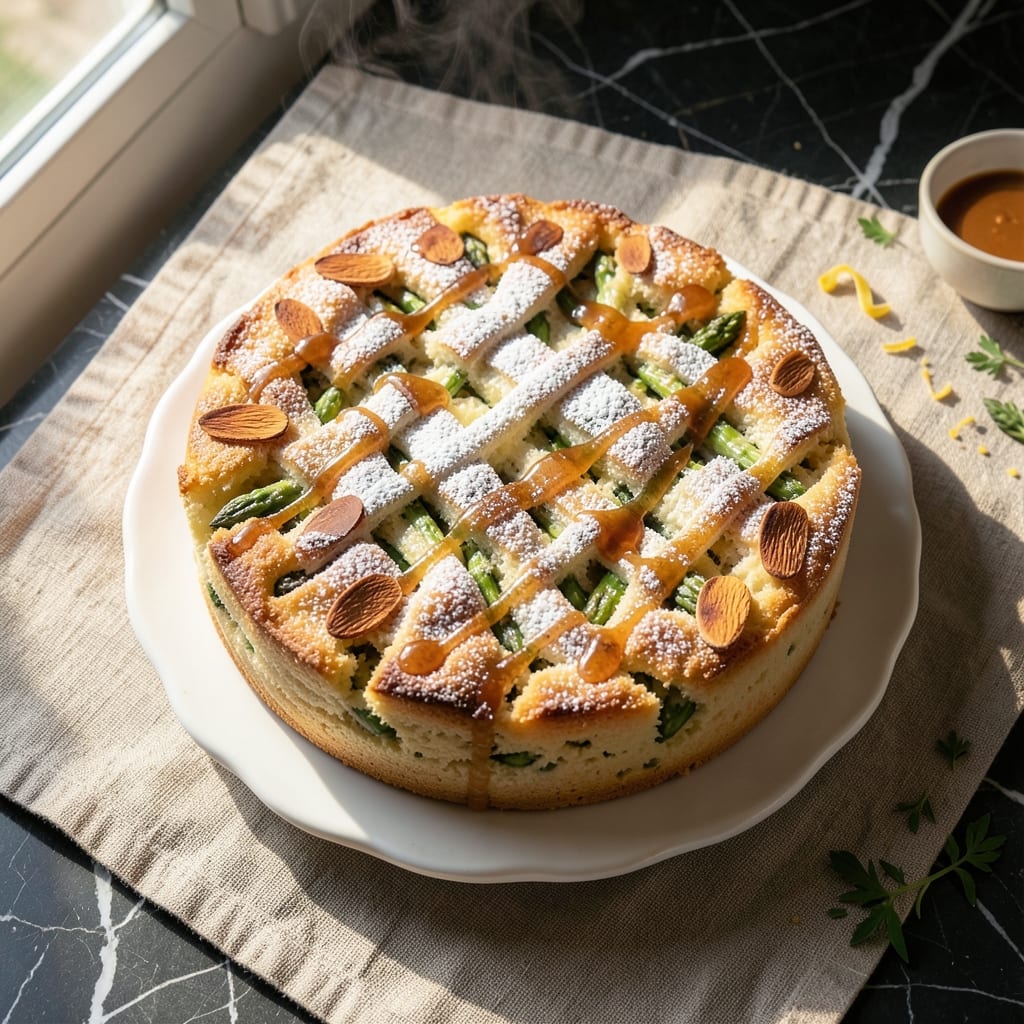
This asparagus cake recipe transforms spring's freshest ingredient into a moist, vibrant dessert with layers of earthy green flavor hiding in every bite. The secret lies in blending tender asparagus stems into a classic vanilla cake batter, creating a texture that's surprisingly tender and a color that's stunningly unique. What makes this recipe special is how it cleverly masks the vegetable's natural bitterness with warm spices and sweet frosting.
Baking at 350°F for 30-35 minutes yields a cake with a golden crust and perfectly domed layers, where the asparagus adds subtle earthiness without overpowering the sweetness. The recipe uses simple ingredients you likely already have—flour, sugar, eggs, and of course, fresh asparagus—making it accessible yet impressive enough for special occasions. What you'll end up with is a cake that looks like a showstopper but tastes like comfort food.
The real magic happens when you fold in the puréed asparagus during the batter stage, ensuring even distribution throughout each layer. This method creates a cake with a delicate green hue and a moist crumb that stays tender even after slicing. The frosting—whether buttercream or cream cheese—becomes the perfect contrast, balancing the cake's subtle earthiness with sweet, creamy richness.
Serve this cake at brunch to impress guests with its unexpected color and sophisticated flavor, or enjoy it as an after-dinner treat with a cup of tea. The asparagus adds a surprising depth that pairs beautifully with citrus glaze or fresh berries on top. Here's how to create this hidden-veggie masterpiece!
Ingredients for asparagus cake
Pantry staples meet spring's freshest ingredient for a showstopping cake with hidden veggie depth.
| Ingredient | Amount | Notes |
|---|---|---|
| Fresh Asparagus Stems 🌱 | 1 ½ lb | Trimmed, blanched, and puréed |
| All-Purpose Flour 🌾 | 2 cups | Sifted for light texture |
| Granulated Sugar 🍚 | 1 ½ cups | White or light brown |
| Unsalted Butter 🧈 | 1 cup | Room temperature, European-style preferred |
| Large Eggs 🥚 | 3 whole | Room temperature, separated |
| Vanilla Extract 🌿 | 1 tbsp | Pure Madagascar preferred |
| Baking Powder 🧂 | 2 tsp | Diamond Crystal preferred |
| Ground Cinnamon 🌶️ | 1 tsp | Freshly ground for warmth |
| Salt 🧂 | ½ tsp | Fine sea salt |
| Buttermilk 🥛 | ½ cup | Homemade or store-bought |
| Lemon Zest 🍋 | 1 tbsp | Freshly grated |
| Powdered Sugar 🍚 | 2 cups | For buttercream frosting |
| Heavy Cream 🥛 | 1 cup | Cold for frosting |
| Vanilla Bean Paste 🌿 | 1 tsp | For enhanced flavor |
The asparagus is the star—fresh, vibrant stalks from a spring farmers' market yield the best flavor. Look for bright green, firm stems with tightly closed tips. Blanching (boiling 3 minutes, then ice bath) removes bitterness before puréeing. Whole Foods or local organic farms often carry the freshest asparagus, but regular grocery stores work too. For puréeing, a food processor or blender is ideal—avoid over-processing to prevent wateriness. The purée should be smooth but not soupy; strain if needed for silky texture. Costco often sells pre-trimmed asparagus bundles, saving prep time without sacrificing quality.
No fresh asparagus? Frozen asparagus works in a pinch—thaw and drain well before puréeing, but texture may be slightly grainier. Substituting spinach or zucchini purée (½ cup each) maintains moisture but alters flavor. For the buttercream, cream cheese frosting (8 oz cream cheese + ½ cup butter + powdered sugar) adds tangy contrast. Store-bought vanilla extract is fine, but Madagascar vanilla elevates the flavor profile. The buttermilk can be substituted with milk + ½ tsp vinegar if needed. Diamond Crystal baking powder rises better than generic brands—worth the splurge for this delicate cake.
Store the asparagus purée in an airtight container in the fridge for up to 3 days before using. The cake batter can be prepped a day ahead and refrigerated, but bake immediately for best texture. Room-temperature eggs and butter are critical—whip them together for 5 minutes to incorporate air. The finished cake keeps at room temperature for 2 days or refrigerated for 5 days, though it's best enjoyed fresh. Freeze slices for up to 3 months—wrap tightly in plastic wrap and foil. The frosting can be made 2 days ahead and stored in the fridge, rewhipped to fluffy perfection before serving.
Why You'll Love This Recipe
- No-Fuss Prep: I swear by this one—just trim the asparagus, pulse it briefly in the food processor, then mix it right into the batter. No chopping, no fuss, and the stems blend in like magic.
- Sweet-Savory Magic: That caramelized sugar crust? Chef’s kiss. The asparagus adds a fresh, slightly earthy note while the butter and eggs make it rich enough to stand on its own—like a cake that’s also a veggie.
- Weeknight Wonder: Between us, this is my go-to when I’m low on groceries but still want something impressive. The batter’s forgiving, bakes in under 40 minutes, and slices like a dream—perfect for dinner guests or lazy Sundays.
- Budget-Friendly Staples: Honestly, the ingredients won’t break the bank. You’re using pantry basics (flour, sugar, butter) with asparagus—something I buy in bulk and freeze. Leftovers? They reheat beautifully or even toast up crispy the next day.
Step-by-step instructions for asparagus cake
Transform humble asparagus into a moist, vibrant cake with layers of hidden vegetable goodness.
Prepare the Asparagus Purée
Trim the tough ends from the 1.5 lb fresh asparagus stems and discard. Cut the remaining stems into 2-inch pieces. Blanch in boiling salted water for 3 minutes until bright green and tender. Drain immediately and transfer to an ice bath to stop cooking.
Drain well and transfer to a food processor. Pulse until completely puréed, scraping down the sides as needed. The purée should be smooth with no visible chunks. Strain through a fine-mesh sieve if necessary for extra smoothness. You should yield about 1 cup of purée. Set aside to cool completely before using.
Mix Dry and Wet Ingredients Separately
In a medium bowl, whisk together the 2 cups all-purpose flour, 1.5 cups granulated sugar, 2 tsp baking powder, 1 tsp ground cinnamon, and 0.5 tsp salt. Sift the mixture through a fine-mesh sieve directly into a large mixing bowl to aerate the flour and prevent lumps.
In a separate large bowl, cream together the 1 cup unsalted butter and 3 whole large eggs at medium speed until light and fluffy, about 3-4 minutes. The mixture should nearly double in volume and become pale. Add the 1 tbsp vanilla extract and mix for another 30 seconds. This creaming process incorporates air, creating a light texture crucial for the cake's rise.
Combine Ingredients for the Cake Batter
Gradually add the dry ingredients to the butter mixture in three additions, mixing on low speed just until combined after each addition. Scrape down the sides of the bowl as needed. Add the 0.5 cup buttermilk and mix until just incorporated.
In a small bowl, whisk together the 1 cup asparagus purée, 1 tbsp lemon zest, and 1 tsp vanilla bean paste. With the mixer on low speed, pour this mixture into the cake batter and mix until completely combined. The batter should be smooth and slightly thinner than traditional cake batter due to the purée. Avoid overmixing—stop as soon as the ingredients are fully incorporated to maintain a tender crumb.
Bake the Asparagus Cake
Preheat your oven to 350°F. Grease and flour two 8-inch round cake pans or line them with parchment paper. Divide the batter evenly between the pans. Bake for 25-30 minutes, or until a toothpick inserted into the center comes out clean and the top springs back when pressed gently.
Begin checking for doneness at the 25-minute mark, as ovens vary. The cake should be golden on top with no signs of wet batter around the edges. Allow the cakes to cool in their pans for 10 minutes, then transfer to a wire rack to cool completely before frosting. This gradual cooling prevents cracking and ensures even layers.
Prepare the Vanilla Buttercream Frosting
In a stand mixer fitted with the whisk attachment, beat the 1 cup cold heavy cream on medium-high speed until soft peaks form, about 2-3 minutes. In a separate large bowl, beat the 1 cup unsalted butter until smooth and creamy, about 2 minutes on medium speed.
Gradually add the 2 cups powdered sugar to the butter, mixing on low speed until combined. Add the 1 tbsp vanilla extract and 1 tsp vanilla bean paste, mixing until fully incorporated. With the mixer running, add the whipped cream in batches until fully combined. The frosting should be light, fluffy, and pipeable. If too thick, add 1-2 teaspoons milk at a time until reaching desired consistency.
Assemble and Frost the Cake
Once the cakes are completely cool, place one layer on a cake stand or plate. Spread a thin layer of frosting over the top to create a "crumb coat." Place the second layer on top and repeat with the remaining frosting. Smooth the frosting over the entire cake using an offset spatula, creating a clean finish.
For presentation, pipe additional frosting around the edges or create decorative swirls on top. The asparagus cake's natural green hue will show through the frosting, creating beautiful marbled layers. Serve at room temperature for the best texture and flavor experience.
Pro Tips For Making Asparagus Cake
- Trim Woodiness First: Snap off the tough bottom inch of each asparagus stem before cooking—it’s the only part that’s truly bitter and fibrous. I used to skip this and wondered why my cake had that odd, slightly chewy texture. Takes 2 minutes but makes a real difference in tenderness.
- Don’t Overmix the Batter: Stir just until the flour disappears—lumpy or not. Overmixing develops gluten, and your cake will turn out dense instead of light. I learned this after making a brick the first time; now I count to 10 after adding the flour.
- Bake Until Springy: Check doneness by pressing the center lightly—it should bounce back, not feel squishy. My first batch came out gummy because I pulled it too soon. A toothpick test works too, but the spring test is foolproof.
- Chill Before Slicing: Let the cake cool completely, then refrigerate for 30 minutes. Warm cake falls apart when sliced—trust me, I’ve dropped plates. This also sharpens the asparagus flavor, which mellows as it cools. (Yes, even if you’re impatient like me.)
Pro cooking tips for this dish
Blanching Perfection
Blanching the asparagus is the secret to eliminating bitterness and achieving a silky purée. Bring a pot of salted water to a rolling boil, then blanch the asparagus for exactly 3 minutes—no longer or it will turn mushy. Immediately transfer to an ice bath to halt cooking and preserve vibrant green color. This step is non-negotiable for that clean, sweet flavor that blends seamlessly into the cake batter. 🌱
Batter Consistency
The asparagus purée makes this batter slightly thinner than traditional cake batter, so resist the urge to add extra flour. The purée adds natural moisture that keeps the cake tender. Mix just until combined—overmixing develops gluten and creates a tough crumb. I use a spatula to gently fold in the purée mixture to maintain airiness. The batter should coat the back of a spoon but remain pourable.
Layering Technique
For even layers, divide the batter precisely between your two 8-inch pans. Use a kitchen scale for accuracy—each pan should receive exactly half. Tap the pans gently on the counter after filling to release any air bubbles. Bake on the middle rack where heat circulates evenly. The cakes will pull away from the edges when done, signaling perfect doneness. 🍰
Frosting Mastery
Chill the buttercream for 15 minutes before assembling to make it easier to work with. Use a bench scraper to create clean edges when smoothing frosting. For that showstopping look, pipe a thin layer of frosting between cake layers to prevent crumbs from showing. The cold heavy cream should whip to soft peaks—if it curdles, start over with fresh cream. A touch of vanilla bean paste elevates the flavor from ordinary to extraordinary.
Oven Calibration
Every oven behaves differently, so start checking for doneness at 25 minutes. The cake should spring back when pressed gently in the center and register 210°F on an instant-read thermometer. If the edges brown too quickly, cover them loosely with aluminum foil. The cake's interior should be moist but not wet—this is where the asparagus magic happens, keeping it tender even when sliced. 🌡️
Make-Ahead Magic
Prepare the batter up to 24 hours ahead and refrigerate in an airtight container. The flavors meld beautifully overnight. For the frosting, make it 1 day ahead and store in the fridge—it actually improves in texture. Bring both components to room temperature before assembling. The cake itself keeps well at room temperature for 3 days or refrigerated for 5 days, though it's best enjoyed fresh from the oven.
Nutrition facts
Frequently asked questions
Can I make this asparagus cake without blanching the asparagus?
Blanching is essential for removing bitterness and creating a smooth purée. If you skip it, the asparagus flavor will be stronger and the texture may be grainy. For a quick alternative, try steaming the asparagus for 3 minutes instead—it's gentler than boiling and still effective. Just ensure it's fully cooled before puréeing.
How do I adjust this recipe for gluten-free baking?
Replace the all-purpose flour with a 1:1 gluten-free baking flour blend (like Bob's Red Mill) and add ½ teaspoon xanthan gum to improve structure. You may also need to increase the buttercream slightly—gluten-free cakes tend to be denser. Test with 1 extra tablespoon powdered sugar if the frosting seems too stiff.
Why does my asparagus cake turn out dense instead of light?
Overmixing the batter or using cold ingredients are the most common culprits. Cream the butter and eggs for 3-4 minutes until pale and fluffy, and ensure your eggs and butter are room temperature. Also, avoid adding extra flour—the asparagus purée already adds moisture. If the cake still feels dense, try reducing the baking powder by ½ teaspoon next time.
Can I substitute the asparagus with another vegetable?
Yes! Try zucchini or spinach purée (½ cup each) for a similar texture, though the flavor will differ. For a sweeter profile, use steamed and puréed sweet potato (1 cup). The key is to strain the purée well—vegetables like kale or collards need extra straining to avoid a gritty texture. Adjust liquid ingredients if the purée is watery.
How can I make this cake vegan?
Replace the eggs with 3 tablespoons ground flaxseed + 9 tablespoons water (let sit for 5 minutes to gel), use vegan butter, and swap buttermilk for ½ cup almond milk + ½ teaspoon apple cider vinegar. For the frosting, use vegan powdered sugar and coconut cream (chilled) instead of heavy cream. The texture will be slightly denser, but the flavor remains rich and satisfying.