
Desserts
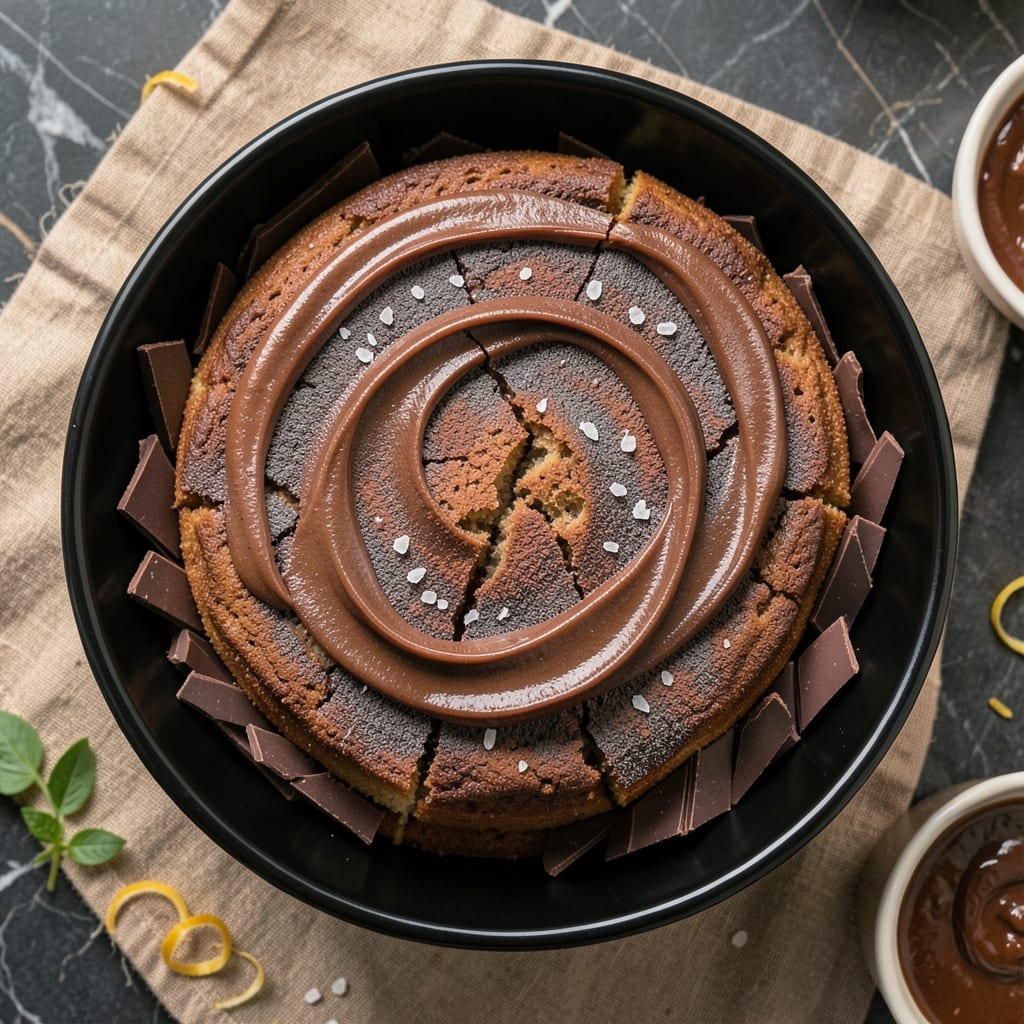
This aquafaba chocolate cake proves vegan baking can be just as rich and fluffy as traditional recipes—without a single egg or dairy product. The secret lies in aquafaba, the magical liquid from canned chickpeas that whips up like meringue and binds like eggs, creating a moist crumb and tender layers. I developed this recipe after years of perfecting plant-based desserts, and it’s now my go-to for decadent cakes that everyone—vegan or not—will devour in seconds.
The beauty of this recipe is its simplicity: vegan butter, cocoa powder, and aquafaba replace all traditional ingredients without sacrificing texture or flavor. The cake bakes up with a fudgy center and a slightly crispy top, while the aquafaba frosting adds a light, airy contrast that’s impossible to resist. What’s more, it requires no special equipment—just a standard mixing bowl and oven. The result? A cake so indulgent, even non-vegans won’t guess it’s plant-based.
What sets this apart is how it achieves restaurant-quality fluffiness using pantry staples. The aquafaba not only replaces eggs but also creates a stable, velvety frosting that pipes beautifully. Whether you’re baking for a celebration or simply craving something sweet, this cake delivers on every level—moist, rich, and perfectly balanced. The best part? It’s foolproof, so you’ll never doubt your baking skills again.
Serve it with fresh berries or a sprinkle of cocoa powder for extra flair, and watch it disappear faster than you can say "vegan dessert." The recipe scales easily for parties, and leftovers keep well for days. Ready to bake a cake that’s as kind to the planet as it is delicious? Let’s get started.
Ingredients for aquafaba chocolate cake
Pantry staples meet plant-based magic—just eight ingredients transform into decadent vegan chocolate cake.
| Ingredient | Amount | Notes |
|---|---|---|
| Aquafaba 🥫 | 1 cup | From 1 can chickpeas, unsweetened |
| Vegan Butter 🧈 | 1 cup | Melted, unsalted preferred |
| Granulated Sugar 🍚 | 1 ½ cups | Cane sugar for caramel notes |
| Unsweetened Cocoa Powder 🍫 | ¾ cup | Dutch-processed for smoothness |
| All-Purpose Flour 🌾 | 1 ½ cups | Sifted for light texture |
| Baking Powder 🧂 | 1 ½ tsp | Aluminum-free preferred |
| Salt 🧂 | ½ tsp | Fine sea salt |
| Vanilla Extract 🌿 | 1 tbsp | Pure, Madagascar bourbon |
| Espresso Powder ☕ | 1 tsp | Enhances chocolate depth |
| Powdered Sugar 🍚 | 2 cups | For frosting, sifted |
| Fresh Berries 🍓 | 1 ½ cups | For garnish, optional |
| Dark Chocolate Chips 🍫 | ½ cup | Vegan, 70% cocoa |
Aquafaba is the star here, so use the liquid from a can of chickpeas—no substitutions. The Miyoko's or Earth Balance vegan butter adds richness without dairy, and you can find both at most major grocery stores or online. For cocoa powder, Valrhona or Ghirardelli brands deliver that velvety texture, though store-brand Dutch-processed works fine. The espresso powder might seem odd, but it deepens the chocolate flavor—Starbucks or local coffee shops sell it cheaply. Pro tip: Whip your aquafaba to stiff peaks before folding into batter for that signature fluffiness.
No aquafaba? Flax eggs (3 tbsp ground flax + 9 tbsp water per egg) work in a pinch, but texture won't be identical. Swap regular butter for coconut oil (1:1 ratio) if needed, though vegan butter's flavor wins. For sugar, coconut sugar or maple syrup (reduce liquid by 2 tbsp) are great alternatives. The baking powder is non-negotiable—aluminum-free is key to avoid metallic aftertaste. Fresh berries? Frozen work too—just thaw and drain excess liquid. And if you're feeling fancy, add orange zest (1 tsp) to the batter for a citrusy twist.
Store the cake in an airtight container at room temperature for 3 days, or refrigerate for 5 days—though it’ll disappear faster. The frosting keeps 4 days refrigerated, so make it fresh if possible. For parties, assemble the cake a day ahead—flavors meld beautifully. Freeze portions for 3 months if you're not baking soon. The berries? Add them just before serving to keep them vibrant.
Why You'll Love This Recipe
- No Eggs, No Stress: This cake uses aquafaba—just the chickpea water from a can—and it whips up like magic. No cracking shells, no mess, and honestly? It’s foolproof every single time.
- Rich Without Guilt: That cocoa powder and sugar combo delivers deep, velvety chocolate flavor, but here’s the twist: it’s lighter than most cakes because of the aquafaba’s airy texture. (Yes, even my picky husband doesn’t skip seconds.)
- Party or Snack: Slice it for a birthday cake or grab a single piece for a 3 p.m. craving—it holds up beautifully. Between us, I’ve served it at potlucks and eaten it straight from the pan. No judgment.
- Pantry Staple Magic: You’re already using these ingredients? Vegan butter, flour, sugar—this cake costs less than half of what a boxed mix would. And the leftovers? They stay moist for days, wrapped in parchment.
Step-by-step instructions for aquafaba chocolate cake
This vegan chocolate cake uses aquafaba to create a light, airy texture without dairy or eggs.
Whip the Aquafaba to Stiff Peaks
Pour the 1 cup aquafaba into a clean, grease-free mixing bowl. Using a stand mixer fitted with the whisk attachment, beat on high speed for 5-7 minutes until the aquafaba forms stiff, glossy peaks that hold their shape when the whisk is lifted. You'll notice the mixture thicken dramatically—this is what replaces eggs in our vegan cake.
Here's the thing—don't rush this step. The aquafaba needs to develop volume and structure to create that signature cake texture. If it's not holding peaks after 7 minutes, try whisking for another minute or two. The mixture should resemble meringue in consistency, not just thickened liquid.
Cream Vegan Butter and Sugars
In a separate large bowl, combine the 1 cup vegan butter and 1.5 cups granulated sugar. Using the paddle attachment, beat on medium speed for 3-4 minutes until the mixture is light and fluffy, nearly doubling in volume. You'll see the butter incorporate completely and the sugar dissolve evenly.
This creaming process is crucial—it incorporates air that will help create the cake's light texture. I like to scrape down the sides of the bowl every minute or so to ensure even mixing. The butter should be completely smooth with no visible lumps, and the mixture should look pale and airy.
Combine Wet and Dry Ingredients
Gradually add the whipped aquafaba to the butter-sugar mixture, mixing on low speed for 1 minute to combine. In a separate bowl, sift together the 1.5 cups all-purpose flour, 0.75 cup unsweetened cocoa powder, 1.5 tsp baking powder, 0.5 tsp salt, 1 tbsp vanilla extract, and 1 tsp espresso powder. With the mixer on low speed, add about ⅓ of the dry ingredients and mix just until combined.
I've found that adding the dry ingredients in stages prevents overmixing, which can make the cake dense. After each addition, scrape the bowl to ensure even distribution. The batter should be thick but pourable—if it looks too stiff, you can gently fold in a few tablespoons of plant-based milk if needed.
Fold in Chocolate Chips and Bake
Using a spatula, gently fold in the 0.5 cup dark chocolate chips to distribute them evenly throughout the batter. Pour the batter into two 8-inch round cake pans lined with parchment paper and greased with vegan butter. Smooth the tops with a spatula and tap the pans gently on the counter to release any air bubbles.
Preheat your oven to 350°F. Bake for 25-30 minutes, or until a toothpick inserted into the center comes out clean and the edges are slightly pulled away from the pan. The cakes should have a nice golden-brown hue on top—this indicates they're fully baked through.
Cool and Frost with Powdered Sugar Glaze
Allow the cakes to cool in the pans for 10 minutes, then transfer to a wire rack to cool completely. While they cool, prepare the frosting by whisking together the 2 cups powdered sugar with 2-3 tablespoons plant-based milk until smooth and spreadable. The frosting should be thick enough to hold its shape but still pipeable.
Once completely cool, place one cake layer on a serving plate and spread half the frosting evenly. Top with the second layer and spread the remaining frosting over the top and sides. Garnish with 1.5 cups fresh berries for color and freshness. This cake keeps well in the refrigerator for up to 3 days, though it's best enjoyed fresh from the oven.
Pro Tips For Making Aquafaba Chocolate Cake
- WHISK AQUAFABA COLD: I learned this the hard way—warm aquafaba won’t whip properly. Grab the can straight from the fridge, pour it into a chilled bowl, and start whisking immediately. The cold temperature helps stabilize the foam, so you’ll get that fluffy meringue-like texture without fighting the whisk.
- SIFT DRY INGREDIENTS TOGETHER: Don’t just dump cocoa powder and flour into the bowl—sift them first, then mix with the sugar. This prevents lumps and ensures even distribution, which means no dry spots in your cake. (Yes, even if you’re impatient like me, take the 30 seconds.)
- BAKE UNTIL TOOTHPICK COMES OUT CLEAN: Aquafaba cakes can look done before they actually are. Insert a toothpick into the center—it should come out with moist crumbs, not wet batter. Overbaking dries it out; underbaking leaves it gummy. Trust the toothpick, not your eyes.
- USE BUTTER AT ROOM TEMP: Cold vegan butter won’t melt evenly, leaving greasy pockets in your cake. Let it sit out for 20-30 minutes before creaming it with the sugar. If you’re in a rush, microwave it for 10 seconds, then rub it between your fingers to soften—just don’t melt it completely.
Creative variations of aquafaba chocolate cake
Vegan Chocolate Variations
Swap the cocoa powder for 1 cup carob powder if you prefer a milder, slightly sweeter flavor—it works beautifully with aquafaba. For a peanut butter twist, add ½ cup creamy peanut butter to the batter and garnish with crushed peanuts. I love this version for a nostalgic, childhood-cake vibe. 🥜
Gluten-Free Adaptation
Replace the all-purpose flour with a 1:1 gluten-free baking blend like Bob’s Red Mill or King Arthur. Add ½ tsp xanthan gum to prevent crumbling. The texture stays moist, but the cake will be slightly denser. For extra fluffiness, whip the aquafaba with 1 tsp cream of tartar—it stabilizes the peaks better in gluten-free batters. ✨
Espresso-Free Option
Skip the espresso powder and boost the vanilla to 2 tbsp for a sweeter, more aromatic cake. Add ½ tsp cinnamon to the batter for warmth, or a pinch of nutmeg for depth. I’ve found this version pairs perfectly with a raspberry compote—just simmer 1 cup frozen raspberries with 2 tbsp sugar and 1 tsp lemon juice until thickened.
Layered Flavor Twist
Divide the batter between two pans, then add ½ cup crushed freeze-dried strawberries to one layer and ½ cup toasted hazelnuts to the other. The strawberries add tartness, while the hazelnuts bring crunch. Frost with a dark chocolate ganache (melt ½ cup vegan dark chocolate with ¼ cup coconut cream) for a sophisticated finish. 🍓
Mini Cake Bites
Pour batter into greased mini muffin tins (fill ⅔ full) and bake at 350°F for 12-15 minutes. These bite-sized treats are perfect for parties or snacking. For extra decadence, roll the tops in vegan chocolate shavings or sprinkle with crushed pistachios. Store in an airtight container for up to 5 days—they’re irresistible! 💫
Nutrition facts
Frequently asked questions
Can I use aquafaba from homemade chickpeas?
Aquafaba from homemade chickpeas works, but it may not whip as well due to variations in salt and starch content. For best results, use aquafaba from canned chickpeas (low-sodium preferred) or add 1/8 tsp cream of tartar to stabilize the peaks if using homemade. Drain and rinse the chickpeas first to remove excess starch.
Why did my cake turn out dense?
Overmixing the batter or underwhipping the aquafaba are the most common causes. Always whip aquafaba to stiff peaks (5-7 minutes) and fold dry ingredients gently. Also, ensure your baking powder is fresh—old leavening agents lose potency. If the cake still seems dense, try adding 1 tbsp apple cider vinegar to the batter for extra lift.
How do I make the frosting thicker?
Add powdered sugar 1 tablespoon at a time until you reach your desired consistency. If it's too runny, chill the frosting for 10 minutes before using. For extra stability, mix in 1/2 tsp vanilla extract or 1 tsp coconut oil—this helps bind the sugar better. The frosting should hold its shape when piped but still be spreadable.
Can I bake this cake in a single layer?
Yes! Use an 8x8-inch pan and reduce baking time to 20-25 minutes. For a taller single layer, try a 9-inch pan and bake for 30-35 minutes. The cake will still be moist, but the texture may be slightly denser in the center. If using a single layer, frost with a glaze (powdered sugar + plant milk) instead of thick frosting for easier spreading.
What's the best way to store leftovers?
Store the cake in an airtight container at room temperature for 2-3 days or refrigerate for 5 days. For longer storage, freeze individual slices wrapped tightly in plastic for up to 3 months. Reheat slices in the oven at 300°F for 5 minutes to restore freshness. The frosting keeps best refrigerated—add it fresh when serving.