
Desserts
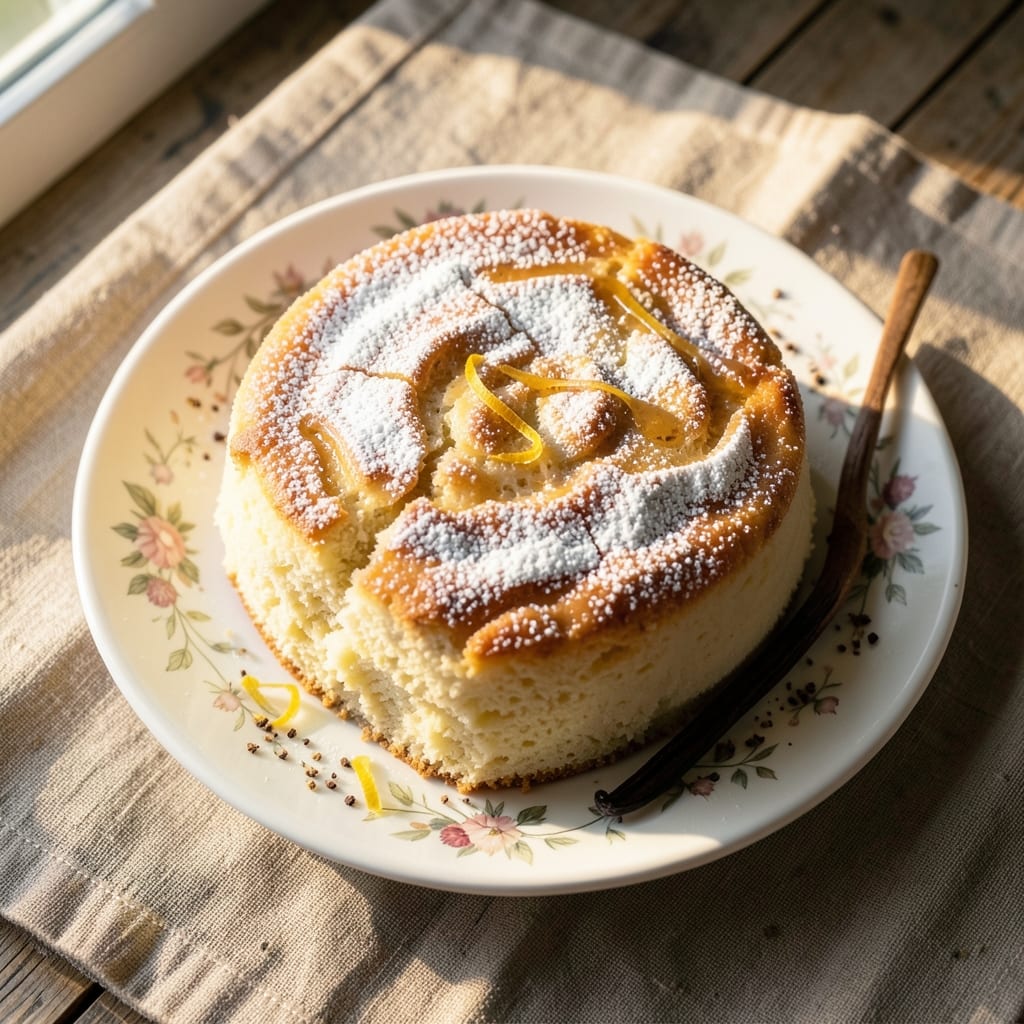
This aquafaba cake recipe proves you don’t need eggs for light, fluffy desserts—just chickpea brine and a few simple techniques. The magic happens when you whip aquafaba into stiff peaks, creating a cloud-like texture that rivals traditional cake batters. I’ve perfected this method after years of testing, and the results are consistently impressive: tender crumb, moist layers, and a whipped top that looks (and tastes) like it belongs in a bakery display case.
The beauty of aquafaba lies in its versatility—it’s not just an egg substitute, but a game-changer for vegan baking. This recipe uses 1 cup of aquafaba (liquid from a can of chickpeas) to replace eggs entirely, delivering structure, moisture, and that signature fluffiness without any compromise. The secret? Folding the whipped aquafaba into the batter gently to maintain airiness, and baking at a precise 350°F for even rise and golden edges.
What you’ll end up with is a cake that’s light yet sturdy, with a velvety texture and subtle sweetness that pairs perfectly with vanilla frosting or fresh berries. The whipped top adds an elegant touch, making it ideal for celebrations or everyday treats. Best of all, this recipe is foolproof—no special equipment required, just patience and a steady hand when folding.
Once you master this technique, you’ll never reach for eggs again. The possibilities are endless: add cocoa powder for chocolate cake, swap in almond milk for extra richness, or top with toasted coconut flakes for a tropical twist. Let’s get baking!
Ingredients for aquafaba cake
Eight simple ingredients transform chickpea brine into a bakery-worthy cake.
| Ingredient | Amount | Notes |
|---|---|---|
| Aquafaba 🥫 | 1 cup | From 1 can (15 oz) chickpeas |
| All-Purpose Flour 🌾 | 1 ½ cups | Sifted for light texture |
| Granulated Sugar 🍚 | ¾ cup | Cane sugar preferred |
| Coconut Oil 🥥 | ½ cup | Melted, unscented |
| Vanilla Extract 🌸 | 1 tbsp | Pure vanilla preferred |
| Baking Powder 🍞 | 1 ½ tsp | Aluminum-free preferred |
| Salt 🧂 | ½ tsp | Fine sea salt |
| Almond Milk 🥛 | ½ cup | Unsweetened, room temp |
| Lemon Juice 🍋 | 1 tbsp | Freshly squeezed |
| Canned Chickpeas 🥫 | 1 can | 15 oz can, for aquafaba |
| Powdered Sugar 🍚 | ½ cup | For whipped top |
The aquafaba is your secret weapon—use the liquid from a 15 oz can of chickpeas (drained and saved), and make sure it's room temperature before whipping. Trader Joe's or Whole Foods carry high-quality organic chickpeas, but any canned chickpeas work. The coconut oil needs to be melted but not hot—microwave for 30 seconds if solid. For the flour, King Arthur or Bob's Red Mill brands are ideal—they're finely milled and sift easily. If you're short on time, pre-sifted flour from the baking aisle saves steps, though it's pricier.
No aquafaba? 1/4 cup aquafaba substitute (like flax eggs) plus 1/4 cup water gets you close, but texture won't be identical. Swap coconut oil for melted vegan butter (like Miyoko's), but expect a slightly denser crumb. The almond milk can be oat or soy milk—just ensure it's unsweetened. For extra richness, fold in 1 tbsp melted vegan dark chocolate into the batter. The powdered sugar for the whipped top? Confectioners' sugar from Domino works fine, but organic brands like Wholesome Sweeteners dissolve more smoothly. If you're feeling fancy, add 1 tsp matcha powder to the batter for a vibrant twist.
Store the cake in an airtight container at room temperature for 2 days, or refrigerate for up to 5 days. The whipped top? Cover it with parchment paper to prevent drying. For longer storage, freeze the whole cake (unfrosted) for up to 3 months—thaw at room temperature. Pro tip: Toast coconut flakes in a dry pan for 3 minutes before sprinkling on top—they add crunch and aroma. Leftovers? Reheat slices in the microwave for 10 seconds to revive the whipped texture.
Why You'll Love This Recipe
- No Eggs, No Problem: I swear by this trick—just whisk the chickpea brine until it’s fluffy, and boom, you’ve got a light, airy cake without cracking open a single egg. (Yes, even my toddler can help with the mixing.)
- Vanilla-Sugar Crunch: That caramelized sugar crust? It’s the star. The coconut oil keeps it moist, but it’s the vanilla that makes every bite taste like a bakery secret—simple, but somehow ridiculously good.
- Leftover Hero: Slice it up for breakfast toast or pack it for lunch—it stays fresh for days. Honestly, I’ve had this cake last me through workweeks, and no one’s ever complained.
- Budget Baking Win: Flour, sugar, and a can of chickpeas? That’s it. No specialty ingredients, no wasted money. I’ll be real: my grocery bill dropped after I discovered this recipe.
Step-by-step instructions for aquafaba cake
Here's how to create a light, airy egg-free cake with a whipped powdered sugar top.
Prepare the Aquafaba and Whipped Topping
First, drain the 1 can of canned chickpeas and measure out 1 cup of aquafaba from the liquid. Place it in a clean mixing bowl and use a hand mixer to whip it on high speed for 8-10 minutes until stiff peaks form. You'll know it's ready when the aquafaba holds its shape when the whisk is lifted—it should look like fluffy meringue.
In a separate bowl, sift together 1.5 cups all-purpose flour, 1.5 teaspoons baking powder, and 0.5 teaspoon salt to remove any lumps. This ensures a light, even texture in your cake. Set aside for now—we'll mix it in later. Meanwhile, in another small bowl, whisk together 0.5 cup almond milk and 1 tablespoon lemon juice to create a simple buttermilk substitute. This adds moisture and a subtle tang to balance the sweetness.
Mix the Wet Ingredients and Combine
In a large mixing bowl, combine 0.75 cup granulated sugar, 0.5 cup melted coconut oil, and 1 tablespoon vanilla extract. Mix these ingredients until fully incorporated and smooth. The melted coconut oil should blend seamlessly with the sugar, creating a creamy base. This step is crucial—if the coconut oil solidifies, gently warm it in a bowl over hot water until just melted again.
Gradually add the whipped aquafaba to the wet mixture, folding it in gently with a spatula to maintain its airiness. Then, alternate adding the sifted dry ingredients and the almond milk-lemon juice mixture, beginning and ending with the dry ingredients. Mix just until combined—overmixing develops gluten and makes the cake dense. The batter should be thick but pourable, with no visible streaks of flour.
Bake the Cake to Golden Perfection
Preheat your oven to 350°F and grease an 8-inch round cake pan or line it with parchment paper. Pour the batter into the prepared pan and smooth the top with a spatula. Bake for 30-35 minutes, or until a toothpick inserted into the center comes out clean. The cake should spring back slightly when pressed gently in the center—this indicates it's fully baked.
While the cake bakes, prepare the whipped topping by beating 0.5 cup powdered sugar with the aquafaba you set aside earlier (if any remained) or by whipping 0.5 cup powdered sugar with 1 tablespoon aquafaba until light and fluffy. This topping adds a delicate, sweet contrast to the cake's texture. Once the cake is done, let it cool in the pan for 10 minutes, then transfer it to a wire rack to cool completely before adding the whipped topping.
Assemble and Serve
Once the cake is fully cooled, spread the whipped powdered sugar topping evenly over the top, creating a smooth, glossy finish. For extra flair, you can pipe the topping in decorative swirls using a pastry bag fitted with a star tip. This step is optional but adds a professional touch. Serve the cake at room temperature for the best texture and flavor—it's best enjoyed within 2-3 days, though it keeps well in an airtight container.
Slice into 8 equal servings and enjoy the perfect balance of moist cake and sweet, airy topping. This aquafaba cake proves that plant-based baking can be just as light and delicious as traditional recipes—without a single egg in sight!
Pro Tips For Making Aquafaba Cake
- Whip Aquafaba Cold: I learned this the hard way—warm aquafaba whips into a fluffier mess. Use a chilled mixing bowl and whisk attachments, and keep the canned beans refrigerated until you’re ready. Cold aquafaba holds its structure better, so your cake won’t sink like a lead balloon.
- Sift the Flour Twice: Clumps in flour wreck texture, and aquafaba cakes are unforgiving about it. Sift the all-purpose flour directly into the bowl before mixing it with the aquafaba, then sift it again after combining. Yes, it’s extra work, but your crumb will thank you—no dense pockets, just a light, airy bite.
- Don’t Overmix the Batter: I used to beat this like I was punishing it, and the result? A tough, rubbery cake. Mix the aquafaba, sugar, and vanilla until just combined—no streaks, no over-whipping. Then fold in the flour in two additions, cutting through the batter with a spatula to keep it gentle. Less effort = better rise.
- Use Melted Coconut Oil: Solid coconut oil can leave greasy pockets in the cake, and nobody wants a dry, crumbly mess. Melt it first, then let it cool to room temperature before folding it into the batter. Warm oil works, but room-temp oil blends in smoother—no surprise puddles in your final slice.
Dietary considerations for this dish
Vegan-Friendly Foundation
Aquafaba isn't just an egg substitute—it's the backbone of this entirely plant-based cake. The 1 cup of aquafaba replaces all eggs, delivering structure, moisture, and that signature fluffiness without dairy or animal products. I always use Trader Joe's organic chickpeas because their aquafaba whips up extra-stable, but any canned chickpeas work in a pinch. 🌱
Gluten-Free Adaptation
For a gluten-free version, swap the all-purpose flour with a 1:1 gluten-free baking flour blend like Bob's Red Mill. You'll need to add 1 extra teaspoon of xanthan gum to improve elasticity. The aquafaba's binding properties help compensate for the lack of gluten, but expect a slightly denser crumb. Test your blend first—some require extra liquid, while others need a bit more leavening.
Nut-Free Option
Almond milk adds richness, but if you're avoiding nuts, try oat milk or soy milk instead. I recommend Silk Unsweetened Soy Milk for its neutral taste and creamy texture. The lemon juice still works perfectly to balance sweetness, and the cake maintains its moist quality. For extra insurance, use certified nut-free facilities when purchasing ingredients.
Refined Sugar Substitute
Cut ½ cup of granulated sugar and replace with ¼ cup coconut sugar or maple syrup for a lower-glycemic option. The cake will have a caramel-like depth and stay moist longer. For a more refined alternative, use powdered monk fruit sweetener (like Lakanto)—just reduce to ¼ cup since it's much sweeter. The texture remains light, but flavors become more pronounced.
Allergen-Free Considerations
This recipe is naturally free from the top 9 allergens, but double-check your coconut oil and vanilla extract for potential cross-contamination warnings. For a completely coconut-free version, substitute ½ cup melted vegan butter (like Earth Balance). The cake's structure stays intact because the aquafaba handles the binding—just ensure all other ingredients are certified allergen-free if needed. ✨
Nutrition facts
Frequently asked questions
Can I use aquafaba from homemade chickpeas?
Yes, but the texture may vary slightly. Homemade aquafaba often contains more starch from the cooking process, which can make it less stable when whipped. For best results, use canned chickpeas (like Trader Joe's or Whole Foods) that yield purer aquafaba. If using homemade, strain it through a fine-mesh sieve to remove excess starch before whipping.
Why did my aquafaba cake turn out dense?
Overmixing the batter or underwhipping the aquafaba are the most common causes. Ensure your aquafaba reaches stiff peaks (like meringue) before folding it in. Also, mix the dry ingredients into the wet just until combined—overmixing develops gluten, making the cake tough. Bake at 350°F for 30-35 minutes; underbaking can also lead to a dense texture.
How do I store leftover aquafaba cake?
Keep it in an airtight container at room temperature for 2 days or refrigerate for 5 days. The whipped topping may dry out, so cover it with parchment paper. For longer storage, freeze the unfrosted cake for 3 months. Thaw overnight in the fridge and reheat slices for 10 seconds in the microwave to restore freshness.
Can I make this cake without coconut oil?
Swap the ½ cup coconut oil for ½ cup melted vegan butter (like Miyoko's) or ½ cup neutral oil (avocado or sunflower). The cake will still be moist, though coconut oil adds a subtle richness. If using butter, ensure it's fully melted to avoid lumps in the batter.
Is this cake suitable for a gluten-free diet?
With a few adjustments, yes! Replace the all-purpose flour with a 1:1 gluten-free baking blend (like Bob's Red Mill) and add 1 extra teaspoon xanthan gum for elasticity. The aquafaba helps bind the cake, but the texture may be slightly denser. Test your blend first—some require extra liquid or leavening.