
Beverages
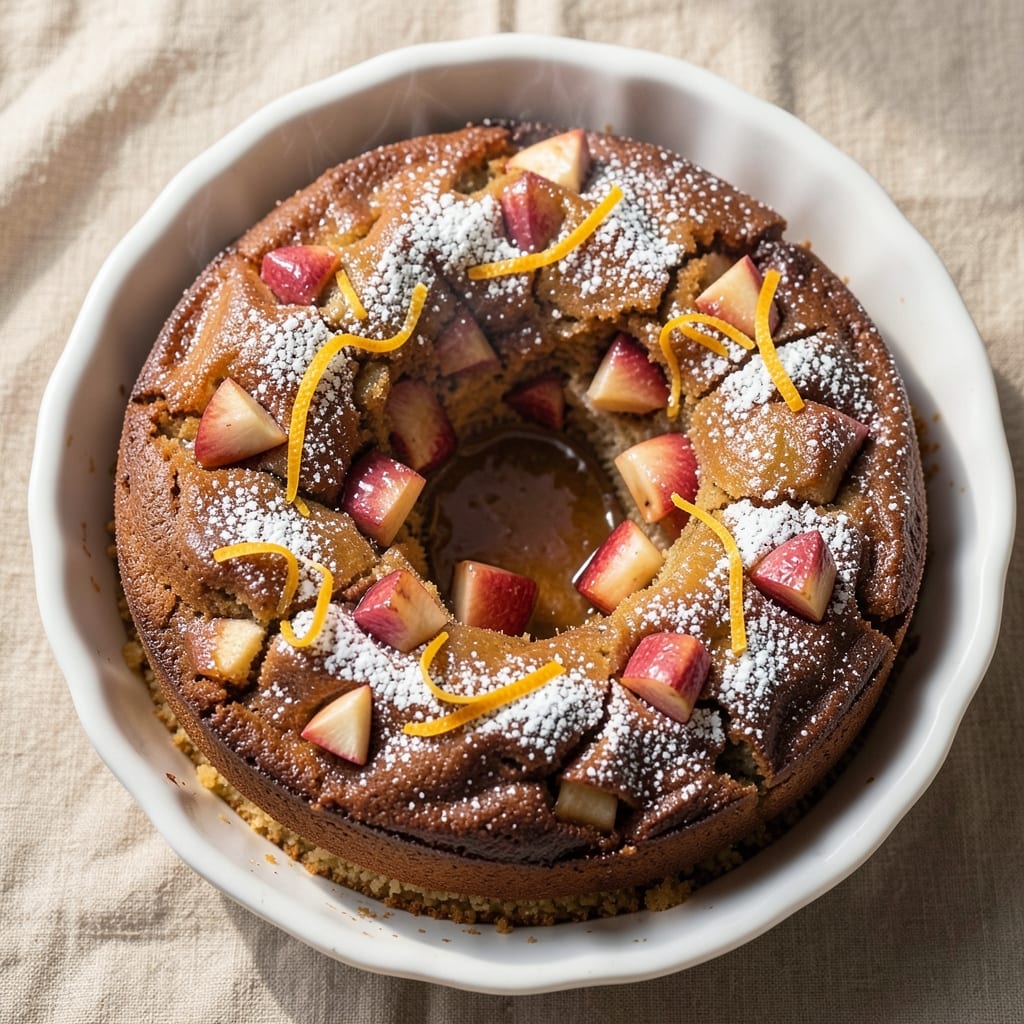
This apple bundt cake recipe with orange juice delivers a perfect balance of spiced apples and bright citrus that keeps every slice moist for days. The secret lies in substituting orange juice for some of the liquid—its natural acidity tenderizes the cake while adding a subtle tang that cuts through the sweetness. I perfected this version after years of battling dry bundt cakes, and the difference is night and day.
What makes this recipe work is the combination of warm spices—cinnamon, nutmeg, and allspice—that complement the apples while the orange juice prevents the cake from drying out. The batter goes into a bundt pan, where it bakes at 350°F until golden, creating a tender crumb with just enough structure to hold its shape. The citrus notes in every bite make it feel special without being overly complicated.
Once out of the oven, the cake stays moist for 5-6 days when stored properly, making it ideal for holiday gatherings or meal prep. A light dusting of powdered sugar or a sprinkle of orange zest adds that final touch of elegance. Serve with vanilla ice cream or whipped cream to enhance the citrus-apple harmony.
This recipe is designed for reliability—no guesswork, just proven techniques that deliver a bundt cake with the perfect balance of moisture, flavor, and texture. The orange juice isn’t just a substitution; it’s the key to that signature tenderness that keeps this cake a favorite year after year.
Ingredients for apple bundt cake recipe with orange juice
This citrus-infused cake relies on fresh apples and bright orange juice for signature moisture and zing.
| Ingredient | Amount | Notes |
|---|---|---|
| All-Purpose Flour 🌾 | 2 ½ cups | Sifted for light texture |
| Granulated Sugar 🍚 | 1 ¾ cups | White or light brown |
| Orange Juice 🍊 | 1 cup | Freshly squeezed, no pulp |
| Vegetable Oil 🫒 | ¾ cup | Light or neutral flavor |
| Large Eggs 🥚 | 2 whole | Room temperature |
| Unsalted Butter 🧈 | ½ cup | Melted, cooled slightly |
| Vanilla Extract 🌸 | 2 tsp | Pure, no imitation |
| Ground Cinnamon 🌿 | 2 tsp | Freshly ground preferred |
| Ground Nutmeg 🌿 | ½ tsp | Freshly grated |
| Ground Allspice 🌶️ | ½ tsp | For warm depth |
| Baking Powder 🧂 | 2 tsp | Aluminum-free preferred |
| Salt 🧂 | ½ tsp | Fine sea salt |
| Apples 🍎 | 3 medium | Peeled, diced, tart variety |
| Orange Zest 🍊 | 1 tbsp | From 1 orange, finely grated |
| Powdered Sugar 🍚 | ¼ cup | For dusting, optional |
The apples are everything here. Granny Smith or Honeycrisp work best—their tartness balances the sweetness. Costco or local orchards often have the freshest, firmest fruit. Peel and dice them into even 1/4-inch pieces so they cook through without turning mushy. If you can't find tart apples, Greenings or Fuji are decent substitutes, but you might want to add an extra 1/4 tsp of cinnamon to compensate for the milder flavor. Store your apples in the fridge until ready to use—they'll stay crisp longer.
No fresh orange juice? Notre Dame or Tropicana work in a pinch, but the pulp can weigh down the batter. For zest, use a microplane—it's the only way to get those fine, fragrant strips without the bitter white pith. Substituting applesauce for the orange juice? Use half the amount and add 1/2 tsp more baking powder to keep the cake light. The vegetable oil is key—it stays liquid at room temperature, ensuring a tender crumb. If you're out, melted coconut oil or avocado oil are great swaps, but don't overmix once combined with the dry ingredients.
This cake stays moist for up to 5-6 days when wrapped tightly in plastic at room temperature. For longer storage, freeze slices wrapped individually for up to 3 months. The powdered sugar dusting is optional but adds that restaurant-quality finish—sift it through a fine mesh sieve for an even coat. Reheat slices in the microwave for 10-15 seconds to restore freshness. Double the recipe? Use two bundt pans or a 9x13-inch dish for a crowd-pleasing sheet cake.
Why You'll Love This Recipe
- No-Fuss Mixing: I swear by this recipe—just toss the dry ingredients, stir in the wet, and let the Bundt pan do the work. No food processor, no weird ratios, just five basic pantry staples (including that orange juice from last week’s grocery haul).
- Citrus-Kissed Magic: That orange juice isn’t just flavor—it’s the secret. It keeps the cake moist for days while giving it this bright, almost marmalade-like depth that pairs perfectly with the apples. Honestly, the first time I made it, my husband asked for seconds before I even sliced it.
- Weekend Brunch Star: This cake is my go-to for lazy mornings or when friends drop by unannounced. Serve it warm with a dollop of whipped cream, or save slices for a quick breakfast later—no reheating needed. (Yes, even on a Tuesday night.)
- Budget-Friendly Stretch: A single batch costs me under $3 and feeds six. The leftovers? Perfect for school lunches or a midweek snack. I’ve even turned extra into mini cakes for potlucks—no one ever guesses how cheaply it came together.
Step-by-step instructions for apple bundt cake with orange juice
Here's how to achieve a perfectly moist bundt cake with vibrant citrus notes and tender apple throughout.
Prepare the Apples and Mix Dry Ingredients
Start by peeling and dicing the 3 medium apples into small, even pieces—about ¼-inch cubes. Toss them with 1 tablespoon orange zest and set aside. In a medium bowl, whisk together the 2.5 cups all-purpose flour, 1.75 cups granulated sugar, 2 teaspoons ground cinnamon, 0.5 teaspoon ground nutmeg, 0.5 teaspoon ground allspice, 2 teaspoons baking powder, and 0.5 teaspoon salt. Sifting the flour first ensures a light, airy texture without lumps.
This dry mixture forms the foundation of the cake's structure. The spices create that warm, aromatic backbone, while the baking powder provides lift. Don't skip sifting—it makes a noticeable difference in the final crumb. Keep the dry ingredients ready as we'll combine them with wet ingredients in the next step.
Combine Wet Ingredients and Fold in Apples
In a separate large bowl, whisk together the 1 cup orange juice, 0.75 cup vegetable oil, 2 whole large eggs, 0.5 cup melted (but slightly cooled) unsalted butter, and 2 teaspoons vanilla extract until smooth. The mixture should be well-combined but not overly thick. Gradually add the dry ingredients while gently folding with a spatula, mixing just until combined—overmixing develops gluten and can make the cake dense.
Once the batter looks uniform, fold in the prepared apple mixture. You'll notice the apples distribute evenly throughout the batter. The orange juice keeps the cake wonderfully moist while balancing the sweetness of the apples. Here's the thing—don't worry if the batter looks slightly thick; it will spread properly in the bundt pan.
Bake to Perfect Doneness
Preheat your oven to 350°F and grease a 10-12 cup bundt pan thoroughly with butter or baking spray, tapping out any excess. Pour the batter into the prepared pan and smooth the top. Bake for 50-60 minutes, or until a toothpick inserted into the center comes out clean. The cake is done when the edges pull away slightly from the pan and the top springs back when gently pressed.
I like to tent the pan loosely with aluminum foil after 30 minutes to prevent over-browning while still allowing steam to escape. The citrus notes will become more pronounced as it bakes, creating that signature zesty aroma. The internal temperature should reach about 205°F—this ensures complete doneness without drying out the cake.
Cool and Serve with Optional Powdered Sugar
Remove the cake from the oven and let it cool in the pan for 10 minutes before carefully inverting it onto a wire rack to cool completely. This gradual cooling prevents cracking. The cake should have a moist, tender crumb with visible apple pieces throughout. The orange juice infuses every bite with bright citrus flavor that complements the warm spices.
For serving, dust the cooled cake with 0.25 cup powdered sugar if desired. The sugar adds a delicate sweetness that enhances the natural flavors of the apples and citrus. Serve slices warm or at room temperature with a dollop of whipped cream or a scoop of vanilla ice cream for an extra indulgent treat.
Pro Tips For Making Apple Bundt Cake Recipe With Orange Juice
- Preheat to 350°F: This cake’s magic happens at steady heat—no rushing. I learned the hard way that 325°F leaves the center gummy, while 375°F burns the edges before the middle sets. The oven’s hot spot will still play tricks, so rotate the pan halfway through.
- Strain the Orange Juice: Pulp in your juice? Skip it. I used to blend fresh oranges and ended up with a cake that tasted like orange marmalade. Strain it through a fine-mesh sieve—smooth juice keeps the texture light and the flavor bright.
- Grease the Bundt and dust: Butter alone won’t cut it. After greasing with oil (or melted butter), dust the pan with flour and tap out the excess. I used to skip the flour, and the cake stuck like glue—now it releases clean every time.
- Whisk the Eggs Cold: Room-temperature eggs? Not here. Whisk them straight from the fridge—they’ll hold more air and create a lighter crumb. I was skeptical until I tried it: the cake’s rise is noticeably taller.
Troubleshooting great apple bundt cake recipe with orange juice
Cake Stuck in Pan
If your bundt cake refuses to release from the pan, it’s usually due to insufficient greasing or an overly dry batter. I swear by using Wilton Non-Stick Cooking Spray—it creates a barrier that makes removal effortless. Always grease the pan before preheating the oven, and use a pastry brush to apply melted butter to every crevice. For extra insurance, dust with 1 tablespoon flour after greasing. Tap the pan gently on the counter to loosen the cake before inverting. 🔥
Dry or Crumbly Texture
Orange juice is key to moisture, but if your cake turns out dry, you likely overbaked it or used too much flour. The internal temperature should reach 205°F, not higher. For a second batch, reduce flour by 1-2 tablespoons or add 2 tablespoons extra orange juice to the wet ingredients. Also, check your baking powder—old leavening agent loses potency. Store it in an airtight container and replace if over 6 months old.
Soggy Bottom
A soggy bottom means your cake baked too long or the pan wasn’t properly preheated. Always let the cake cool in the pan for 10 minutes before inverting—this helps set the structure. If you notice the bottom browning too quickly, tent the pan with foil after 30 minutes to slow cooking. For future bakes, try placing the pan on a silicon baking mat to improve even heat distribution. A wire cooling rack underneath the pan also prevents sogginess.
Apples Too Mushy
Overly soft apples usually mean they were too ripe or cooked too long. Stick to firm, tart apples like Granny Smith, and dice them into ¼-inch pieces for even cooking. Toss them with 1 tablespoon orange zest right before folding into the batter—this helps preserve their texture. If your apples still turn mushy, reduce baking time by 5-10 minutes and check for doneness at 45 minutes. The cake is done when a toothpick comes out with moist crumbs, not wet batter. 🍎
Uneven Baking
Hot spots in your oven can cause uneven baking. Rotate the bundt pan halfway through baking (after 30 minutes) for even heat exposure. If your oven runs hot, reduce the temperature to 340°F. A thermometer probe in the center helps track doneness accurately. For stubborn hot spots, place a baking stone on the lower rack to improve air circulation. Always use an oven thermometer to confirm your oven’s actual temperature—many run 25°F hotter than set.
Cracked Top
Sudden temperature changes or overmixing cause cracks. Let the cake cool gradually in the pan for 15 minutes before inverting. Avoid opening the oven door frequently—each time you do, the temperature drops, causing the cake to sink or crack. If cracks appear, dust with powdered sugar and serve as-is—they don’t affect flavor! For a smoother top next time, whisk the wet ingredients gently and fold in the dry ingredients just until combined. Overmixing develops gluten, leading to a tough, cracked crust.
Nutrition facts
Frequently asked questions about apple bundt cake with orange juice
Can I substitute orange juice with another liquid?
Yes, but the citrus flavor and moisture will change. For similar moisture, use apple cider or pineapple juice (add 1/2 tsp extra cinnamon to balance sweetness). Avoid water—it makes the cake dense. If using yogurt, reduce flour by 2 tablespoons to maintain tenderness. The orange juice isn't just a liquid; it's the secret to that signature bright flavor!
How do I store leftovers to keep them moist?
Wrap the cake tightly in plastic wrap and store at room temperature for 5-6 days. For longer storage, slice and freeze portions for up to 3 months. To revive stale slices, microwave for 10-15 seconds or warm at 300°F for 5 minutes. The orange juice helps preserve moisture, but proper wrapping is key to maintaining that tender crumb.
What's the best way to make this cake gluten-free?
Replace the all-purpose flour with a 1:1 gluten-free baking flour blend (like Bob's Red Mill) plus 1 extra teaspoon xanthan gum. Add 2 tablespoons extra orange juice to compensate for reduced moisture in GF flours. Let the batter rest for 10 minutes before baking to improve texture. Expect a slightly denser but still moist result—the orange juice helps balance the differences.
Can I make this cake ahead of time?
Bake it 1 day ahead and store wrapped at room temperature. For 2-3 days ahead, refrigerate the whole cake (unwrap before serving). The flavors actually improve as the citrus and apple notes meld. If freezing, wrap tightly and thaw overnight at room temperature. The orange juice prevents drying, making it perfect for make-ahead desserts.
Why does my bundt cake sometimes crack on top?
Cracks usually happen from overmixing the batter or sudden temperature changes. Mix just until combined (lumps are okay!) and avoid opening the oven door during baking. Let the cake cool in the pan for 15 minutes before inverting. The cracks don't affect flavor—they're just a sign of a properly baked cake! For a smoother top, reduce baking powder by 1/2 teaspoon next time.