
Desserts
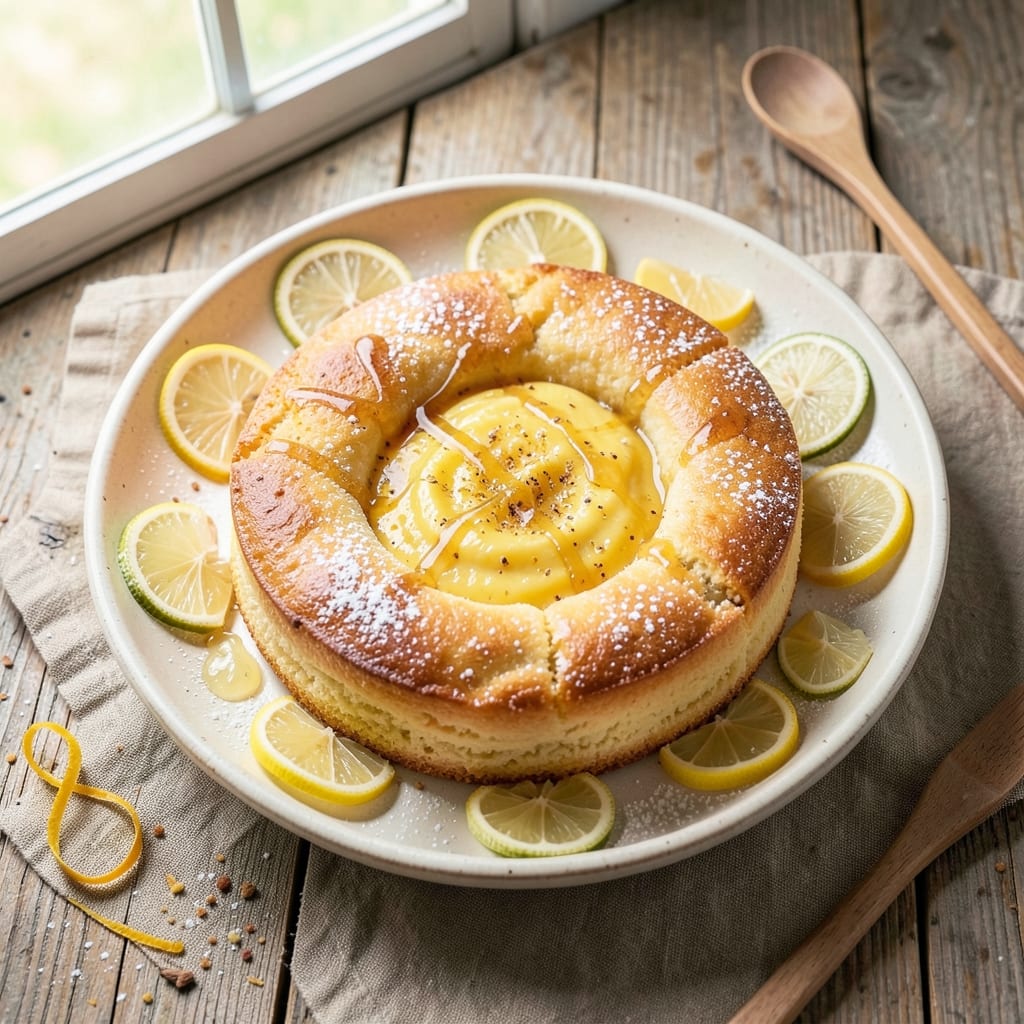
This anytime lemon cake recipe delivers bright, tangy-sweet layers with minimal effort—perfect for breakfast, brunch, or dessert cravings. The secret lies in a simple one-bowl method that guarantees a moist crumb and vibrant lemon flavor without fuss. I developed this recipe after years of testing, ensuring it's foolproof for both beginners and experienced bakers alike.
What sets this lemon cake apart is its versatility—ready in just 35 minutes at 350°F, it bakes up golden and tender with a perfect balance of sweetness and zesty citrus. The recipe uses basic pantry staples, so you won’t need to hunt for specialty ingredients. Whether you're serving it warm with ice cream or saving slices for later, this cake stays fresh and delicious.
The recipe includes optional variations like a lemon glaze or cream cheese frosting to elevate it further, but even plain, it’s a standout. The cake’s moist texture comes from a few key techniques, including buttermilk for richness and baking powder for lift. No special equipment is needed—just a standard mixing bowl and a 9-inch pan.
Store leftovers in an airtight container for up to 3 days, or freeze slices for longer enjoyment. This lemon cake is the ideal solution for when you crave something bright and cheerful without the complexity. Let’s get baking!
Ingredients for anytime lemon cake
Bright citrus meets simple baking—just twelve ingredients for perfect lemon cake every time.
| Ingredient | Amount | Notes |
|---|---|---|
| All-Purpose Flour 🌾 | 2 cups | Sifted for light texture |
| Granulated Sugar 🍚 | 1 ½ cups | White or light brown |
| Unsalted Butter 🧈 | 1 cup | Cold, cubed for easy mixing |
| Buttermilk 🥛 | 1 cup | Room temperature preferred |
| Fresh Lemon Juice 🍋 | ¾ cup | From 3-4 medium lemons |
| Lemon Zest 🍋 | ¼ cup | Finely grated, vibrant color |
| Baking Powder 🍞 | 2 tsp | Diamond Crystal preferred |
| Salt 🧂 | ½ tsp | Fine sea salt |
| Large Eggs 🥚 | 2 whole | Room temperature |
| Vanilla Extract 🌸 | 2 tsp | Pure vanilla preferred |
| Powdered Sugar 🍚 | ½ cup | For optional lemon glaze |
| Heavy Cream 🥛 | ¼ cup | For optional lemon glaze |
The flour and sugar form the foundation, but the butter matters most—use unsalted and keep it cold until mixing to prevent overdevelopment. For the best flavor, freshly grated lemon zest beats bottled versions, and lemon juice from 3-4 medium lemons ensures vibrant acidity. Diamond Crystal baking powder is ideal here—it's lighter than other brands. If you don't have buttermilk, mix 1 cup milk with 1 tbsp vinegar and let sit for 5 minutes. The eggs should be at room temperature for even mixing, and vanilla extract from a dark bottle (like Nielsen-Massey) adds depth without overpowering.
No fresh lemons? Bottled lemon juice works in a pinch, though it lacks zest's brightness. Substitute buttermilk with 1 cup plain yogurt if needed—just reduce the milk slightly for consistency. For the sugar, light brown sugar adds subtle molasses notes that complement the citrus. If you're making the optional glaze, powdered sugar from a canister (not the clumpy boxed kind) dissolves smoothly. The recipe calls for heavy cream, but half-and-half works too—just add a splash more lemon juice to balance the richness. For a dairy-free version, swap the butter and cream for coconut oil and coconut cream.
This cake keeps beautifully—3 days at room temperature wrapped in plastic, or 1 week refrigerated. For longer storage, freeze slices in an airtight container for up to 3 months. The glaze, if made, adds 2 days of freshness—it's best applied when the cake is still slightly warm. I always bake two cakes at once, one for immediate serving and one to freeze for later. The lemon flavor actually intensifies overnight, making leftovers a treat. For best results, let the cake cool completely before slicing—it's worth the wait.
Why You'll Love This Recipe
- No Mixer Needed: I swear by this recipe when I’m in a rush—just a bowl and a whisk. The buttermilk keeps it tender without overworking, and the butter stays cool enough to fold in smoothly. No stand mixer, no stress.
- Zesty Magic: That bright lemon juice cuts through the richness of the butter, giving you a cake that’s light but packed with flavor. Honestly, the first bite makes me want to skip dessert—it’s that good.
- Weeknight to Party: Same batter, endless uses. Serve it plain for a quick breakfast, drizzle with honey for a snack, or add a lemon glaze for a showstopper at brunch. My go-to when I need something effortless but impressive.
- Budget-Friendly Staples: Flour, sugar, butter—ingredients you already have. Buttermilk? Use a splash of milk and vinegar if you’re out. And leftovers? They last days, perfect for lunchboxes or a midweek pick-me-up.
Step-by-step instructions for anytime lemon cake
This one-bowl method delivers tender, moist layers with vibrant citrus flavor—no mixing bowls or complicated steps.
Cream Butter and Sugar for Light Texture
In a large mixing bowl, combine the 1 cup unsalted butter (cold, cubed) and 1.5 cups granulated sugar. Using an electric mixer on medium-high speed, beat for 3-4 minutes until the mixture becomes pale and fluffy. You'll notice the volume nearly double—this incorporates air that creates the cake's signature tender crumb.
The butter should be completely creamed with no visible streaks of white fat. If your kitchen feels warm, chill the bowl for 10 minutes before proceeding to prevent melting. This step is critical for achieving that perfect balance between moistness and structure in your lemon cake.
Add Wet Ingredients and Mix Thoroughly
Add the 2 whole large eggs, one at a time, mixing well after each addition until fully incorporated. Then stir in the 1 cup buttermilk, 0.75 cup fresh lemon juice, 2 tsp vanilla extract, and 0.25 cup lemon zest. Mix on low speed until just combined—about 30 seconds—being careful not to overmix.
The lemon zest should be finely grated and vibrant yellow, adding both color and intense citrus flavor. Here's where the magic happens: the acidity from the lemon juice will react with the baking powder later, creating lift. If your mixture looks curdled after adding eggs, don't worry—it will smooth out when you incorporate the dry ingredients.
Combine Dry Ingredients for Perfect Rise
In a separate bowl, whisk together the 2 cups all-purpose flour, 2 tsp baking powder, and 0.5 tsp salt. Sift the flour mixture directly over the wet ingredients, then gently fold together using a spatula until just combined. Avoid overmixing—you should still see small flour streaks in the batter.
This cake relies on proper gluten development without overworking the batter. The baking powder will create lift, while the lemon zest and juice prevent a dense texture. For best results, scrape down the sides of the bowl occasionally to ensure even mixing. The batter should be thick but pourable, with a bright yellow hue from the lemon components.
Bake Until Golden and Springy
Preheat your oven to 350°F. Pour the batter into two 8-inch round cake pans lined with parchment paper. Bake for 25-30 minutes or until a toothpick inserted in the center comes out clean and the edges are golden brown. Rotate the pans halfway through baking for even browning.
Don't overbake—the cake should spring back slightly when touched. The lemon flavor intensifies as it cools, so resist the urge to pull it out early. For extra moisture, you can tent the pans with foil if your oven runs hot. Once baked, transfer to a wire rack to cool completely before adding any glaze.
Prepare Optional Lemon Glaze (If Desired)
While the cakes cool, combine the 0.5 cup powdered sugar and 0.25 cup heavy cream in a small bowl. Whisk until smooth, then gradually add 1-2 tablespoons fresh lemon juice until you reach a drizzling consistency. The glaze should coat the back of a spoon but remain pourable.
Drizzle the glaze evenly over the cooled cake layers, allowing it to drip down the sides. This step enhances the lemon flavor and adds a professional finish. For extra zing, you can add a sprinkle of additional lemon zest on top. The glaze sets within 10 minutes, creating a beautiful sheen that complements the cake's tender crumb.
Pro Tips For Making Anytime Lemon Cake
- Whisk Butter & Sugar Longer: Three minutes of steady whisking until the mixture looks like wet sand—yes, it’s tedious, but this incorporates air and makes the cake tender. I used to skip it, and the texture always ended up dense. Trust me, the extra effort pays off in fluffiness.
- Measure Buttermilk Precisely: Buttermilk’s tanginess is non-negotiable here, but cheap brands with additives can throw off the flavor. If yours tastes weak, mix 1 tablespoon vinegar or lemon juice into whole milk, let it sit 5 minutes, then measure. No shortcuts—this is the acid that keeps the cake bright.
- Avoid Overmixing the Batter: Once you fold in the dry ingredients, stop after 10 strokes—any more and gluten forms, making the cake tough. I learned this after a batch turned out like a sad sponge. The batter will look lumpy, and that’s exactly how it should be.
- Bake Until Internal Temp Hits 205°F: The cake will look done at 190°F, but pulling it out too soon means a gummy center. Use an instant-read thermometer—205°F guarantees a fully set crumb. (Yes, even if the edges brown first.)
Serving suggestions for leftovers
Breakfast Brilliance
Start your day with lemon cake by slicing it into thick pieces and toasting them lightly in a buttered skillet over medium heat for 1-2 minutes per side. Top with a dollop of Greek yogurt and a drizzle of local honey—the warmth enhances the lemon's natural brightness. I love pairing this with a cup of Earl Grey tea for a sophisticated morning treat that feels like a vacation. 🌞
Afternoon Tea Elevation
For an elegant afternoon tea, stack two slices with a layer of whipped cream cheese frosting (mix 4 oz cream cheese, 2 tbsp powdered sugar, and 1 tsp lemon juice) between them. Serve with fresh berries and a pot of chamomile tea. The cream cheese balances the tartness beautifully, while the berries add a pop of color. I always use Wilton 1M piping tips to create decorative rosettes on top for a restaurant-quality finish.
Dessert Showstopper
Turn your lemon cake into a dessert masterpiece by layering it with lemon curd filling (simmer ½ cup lemon juice, ½ cup sugar, 2 egg yolks, and ¼ cup butter until thick). Add a final drizzle of the optional glaze and garnish with edible lemon flowers or toasted coconut flakes for texture. Serve with vanilla bean ice cream on the side for scooping. The contrast of warm cake and cold ice cream is pure magic. 🍰
Coffee Pairings
Pair your lemon cake with light roast coffee to complement the citrus notes. I recommend a Colombian Supremo or Ethiopian Yirgacheffe—their bright acidity mirrors the lemon's tang. For espresso lovers, a double shot of dark roast cuts through the sweetness beautifully. Avoid heavy, bold brews that might overpower the delicate flavors. A small slice with coffee makes the perfect 3:00 PM pick-me-up.
Make-Ahead Serving
Prep ahead by baking the cake a day in advance and storing it in an airtight container. Reheat slices in the oven at 300°F for 5-7 minutes to restore freshness before serving. I often make a batch on Sunday to enjoy throughout the week—slice and freeze individual portions between parchment paper for easy grab-and-go treats. The flavors actually improve with time, making this cake perfect for meal prep. ✨
Seasonal Twists
In summer, serve chilled slices with sparkling lemonade (mix 1 cup sparkling water, 2 tbsp fresh lemon juice, and 1 tbsp honey) for a refreshing dessert. For fall, add candied pecans on top and pair with pumpkin spice latte for a cozy contrast. Winter calls for a dusting of powdered sugar and a side of hot buttered rum—the warmth and spice complement the bright lemon perfectly.
Nutrition facts
Frequently asked questions
Can I make this lemon cake in a 9-inch pan instead of two 8-inch pans?
Yes, but you'll need to adjust the baking time. For a single 9-inch pan, bake at 350°F for 35-40 minutes instead of 25-30 minutes. The cake will be thicker, so check for doneness with a toothpick—it should come out clean. Reduce the butter by ¼ cup to prevent overfilling the pan.
What makes this lemon cake extra moist compared to other recipes?
The secret lies in the buttermilk and cold butter—both retain moisture while baking. The lemon juice also breaks down the gluten slightly, creating a tender crumb. Plus, we avoid overmixing the batter, which develops too much gluten and makes cakes tough. The 350°F temperature ensures even baking without drying out.
How do I fix a cake that's cracked on top?
Cracking usually happens from overbaking or opening the oven too soon. If it's minor, simply spread a thin layer of lemon glaze over the cracks before serving—it'll disguise them beautifully. For prevention, bake until a toothpick comes out clean but the edges are just starting to pull away from the pan. Avoid high altitudes (above 3,500 feet) unless you reduce baking powder by ¼ tsp.
Can I substitute buttermilk with something else?
Mix 1 cup milk (any kind) with 1 tablespoon vinegar or lemon juice, then let it sit for 5 minutes to curdle. For a dairy-free version, use 1 cup coconut milk mixed with 1 tablespoon apple cider vinegar. The acidity is key—it reacts with baking powder for proper rise. Just don't skip the waiting time, or your cake may turn out flat.
Why does my lemon cake taste more bitter than sweet?
This usually means you used too much lemon juice or zest. The recipe calls for 0.75 cup juice and 0.25 cup zest—that's about 3-4 medium lemons. If your lemons are very tart, reduce juice by 1-2 tablespoons. Also, ensure you're using granulated sugar (not powdered) and that your baking powder is fresh. Old baking powder loses its lift and can make flavors seem off.