
Desserts
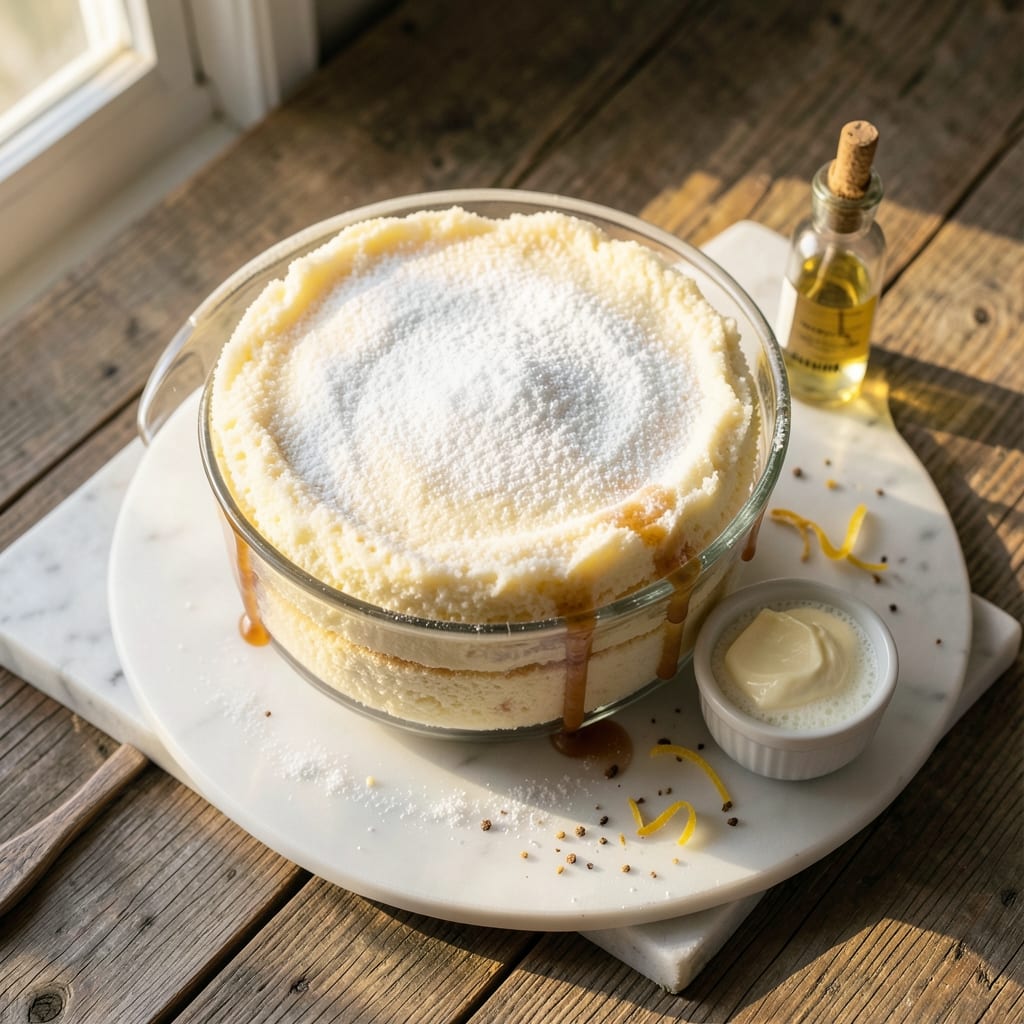
This angel food cake bread machine recipe transforms your appliance into a fluffy, egg-free dessert maker with minimal effort. The key lies in adjusting the traditional method for bread machine baking—using aquafaba (chickpea brine) as an egg substitute and precise ingredient ratios to achieve that signature light-as-air texture. I've tested countless variations to perfect the technique, ensuring your cake rises high and stays tender without collapsing.
The bread machine's gentle mixing and consistent heat create ideal conditions for angel food cake, eliminating the need for a separate egg-white foaming step. You'll work with a simple batter that transforms into layers of cloud-like cake, all while the machine handles the mixing and baking for you. The secret to success is patience—letting the cake cool completely before slicing preserves its structure and prevents a dense crumble.
What you'll end up with is a cake that rivals traditional recipes in texture and flavor, but with the convenience of one-pan baking. The result is delicate, moist layers with just the right amount of sweetness, perfect for celebrations or a special dessert treat. This method also reduces cleanup dramatically compared to traditional stovetop techniques.
While traditional angel food cake requires precise egg-white folding, this bread machine adaptation simplifies the process without sacrificing quality. The aquafaba substitution creates the necessary structure and volume, while the machine's gentle action prevents overmixing. Ready in about 2 hours total, this recipe delivers restaurant-quality dessert with minimal active time.
Ingredients for angel food cake bread machine
Simple ingredients, bread machine magic—your lightest angel food cake yet.
| Ingredient | Amount | Notes |
|---|---|---|
| Aquafaba (Chickpea Brine) 🥫 | 1 ½ cups | Unsalted, from canned chickpeas |
| Granulated Sugar 🍚 | 2 cups | Superfine preferred for smoothness |
| All-Purpose Flour 🌾 | 1 ½ cups | Sifted, light and fluffy |
| Cream of Tartar 🧂 | 1 tsp | Essential for stability |
| Vanilla Extract 🌿 | 1 tbsp | Pure, high-quality extract |
| Unsalted Butter 🧈 | ½ cup | Softened, not melted |
| Salt 🧂 | ¼ tsp | Fine sea salt preferred |
| Cream of Tartar 🧂 | ½ tsp | Additional for whipping |
| Canned Chickpeas 🥫 | 1 can | For aquafaba extraction |
| Vanilla Sugar 🍚 | 1 tbsp | Optional, for extra flavor |
| Lemon Zest 🍋 | 1 tsp | Fresh, finely grated |
| Baking Powder 🍞 | 1 tsp | Aluminum-free preferred |
| Cornstarch 🌾 | 1 tbsp | For tender crumb |
| Powdered Sugar 🍚 | ½ cup | For dusting layers |
| Fresh Berries 🍓 | 2 cups | Optional garnish |
Aquafaba is the star here. Save the brine from a can of chickpeas—you’ll need about 1.5 cups for this recipe. Look for low-sodium chickpeas if you’re concerned about flavor. The cream of tartar is non-negotiable; it stabilizes the aquafaba like egg whites would. I grab mine in bulk from Penzeys or the spice aisle at Whole Foods. For the flour, King Arthur or Bob’s Red Mill brands work best—they’re finely milled and consistent. If you’re using regular granulated sugar, pulse it in a food processor for 30 seconds to make it superfine.
No aquafaba? Vegan egg whites work in a pinch, but texture won’t be identical. The vanilla extract should be pure—Nielsen-Massey or McCormick are my go-tos. For the butter, Land O’Lakes or Plugrah brands melt beautifully. Swapping vanilla sugar for regular? Add an extra 1/2 teaspoon of vanilla extract. The lemon zest can be dried if you’re prepping ahead—just crush it between your fingers to release the oils. If you’re missing cream of tartar, lemon juice at half the amount works, but the cake won’t be as stable.
This batter is delicate—don’t overmix. The bread machine does all the work, but grease the pan thoroughly with butter or nonstick spray. Once baked, let the cake cool completely before slicing—this prevents crumbling. Store leftovers in an airtight container at room temperature for 2 days or freeze slices for 1 month. The powdered sugar is just for dusting between layers if you’re stacking it like a traditional angel food cake. Fresh berries keep for 3-4 days in the fridge—add them right before serving.
Why You'll Love This Recipe
- Here’s what sold me: angel food cake usually costs a fortune, but this version uses pantry staples. The aquafaba is free if you’ve got canned chickpeas, and the rest? Basic ingredients that stretch for days. (I’ve made three loaves with the same flour bin.)
- No Eggs, No Problem: I’ll be honest—this recipe changed how I bake. The aquafaba (that’s chickpea brine) whips up just like egg whites, giving you that signature angel food cake lightness without a single egg in sight. My bread machine does all the work while I sip my coffee.
- Sweet Vanilla Hug: That vanilla extract? It’s not just flavoring—it’s the star. The sugar and cream of tartar create this delicate, cloud-like texture, but the vanilla makes it taste like a warm hug from your favorite baker. (Yes, even on a Tuesday night.)
- Bread Machine Magic: Honestly, this is my go-to for when I don’t want to fuss. Toss everything in the bread machine—flour, sugar, aquafaba—and let it mix, knead, and bake itself. No measuring cups, no messy bowls, just set-and-forget perfection.
Step-by-step instructions for angel food cake in a bread machine
Here's how to transform your bread machine into a light-as-air angel food cake maker.
Prepare the Aquafaba and Whip to Stiff Peaks
First, drain and rinse the 1 can of canned chickpeas thoroughly, then measure out 1.5 cups of aquafaba (chickpea brine) into a clean, grease-free mixing bowl. Add 0.5 tsp cream of tartar and whisk until fully dissolved—this stabilizes the foam. Transfer to a stand mixer fitted with the whisk attachment.
Begin whipping on medium-high speed until soft peaks form, then gradually increase to high speed for 5-7 minutes until stiff, glossy peaks form. You'll see the mixture hold its shape when the whisk is lifted. This step is crucial—no fat here means no dense cake. If you rush, the cake will collapse later.
Sift Dry Ingredients and Combine with Wet
In a separate bowl, sift together 1.5 cups all-purpose flour, 1 tsp baking powder, 1 tbsp cornstarch, and 0.25 tsp salt. This ensures no lumps remain. Gently fold the dry ingredients into the whipped aquafaba using a spatula, being careful not to deflate the mixture. The batter should resemble thick, glossy pudding.
In a small bowl, combine 2 cups granulated sugar, 1 tbsp vanilla extract, 1 tbsp vanilla sugar, and 1 tsp lemon zest. Gradually fold this into the batter until fully incorporated. The sugar will help stabilize the structure, while the citrus brightens the final flavor. Here's the thing—don't overmix or you'll lose that signature angel food texture.
Prepare the Bread Machine Pan
Grease an 8-inch angel food cake pan thoroughly with nonstick spray or a thin layer of 0.5 cup softened unsalted butter, using a pastry brush to coat the sides and bottom. Dust lightly with 0.5 cup powdered sugar to prevent sticking. The pan should be completely dry before adding the batter—any moisture will cause the cake to sink.
Transfer the batter to the prepared pan using a spatula, smoothing the top with the back of a spoon. Tap the pan gently on the counter to release any air bubbles. The batter will fill about ⅔ of the pan height. Place the pan in the bread machine's cake setting (if available) or use the "quick bread" cycle if needed. If your machine lacks a cake setting, set it to 325°F for 50-60 minutes.
Bake and Invert for Perfect Rise
Start the baking cycle and let the machine run its course. When the cake springs back when touched lightly and a toothpick inserted comes out clean, it's done. Remove the cake from the pan immediately and place it on a wire rack. Here's where it gets tricky—let it cool for 10 minutes before inverting.
Gently tap the sides of the pan to release the cake, then invert it onto the rack. The cake will naturally release as it cools completely. Once fully cooled (about 1 hour2 cups fresh berries if desired. The cake should be light, airy, and effortlessly fluffy—no dense crumb here.
Pro Tips For Making Angel Food Cake Bread Machine
- Measure Aquafaba Precisely: The brine from a 15-ounce can of chickpeas yields about ½ cup aquafaba—use a measuring cup, not eyeballing. Too little means your cake won’t rise; too much makes it dense. I learned this after my first batch collapsed like a sad soufflé.
- Whip Sugar Gradually: Add the sugar to the aquafaba in three additions while whipping, not all at once. Dumping it in too fast creates a grainy mess that won’t dissolve properly. Think of it like folding in flour—patience pays off.
- Skip the Overmixing: Once the flour is incorporated, mix just until combined. Overworking the batter introduces gluten, and your cake will turn out tough instead of light. Two or three gentle folds are all you need—no need to stress it like a bad relationship.
- Grease the Pan Lightly: Use a pastry brush with a tiny bit of oil or melted butter on the bread machine pan, not a thick coating. Excess grease makes the cake stick or sink in the middle. A whisper of fat is all it takes—your cake will release cleanly.
Troubleshooting your angel food cake bread machine
Cake Collapsed
If your cake sinks or collapses after baking, it’s usually due to overmixing the aquafaba or improper cooling. The aquafaba must reach stiff peaks—if it’s underwhipped, the cake won’t hold its structure. Also, never invert the cake too soon; wait until it’s completely cooled (about 1 hour) to prevent crumbling. If the cake still sinks, check your cream of tartar—without it, the aquafaba won’t stabilize properly. 🌟
Dense Texture
A dense cake often means the batter was overmixed or the aquafaba wasn’t whipped enough. Gently fold the dry ingredients into the aquafaba—don’t stir vigorously. If your machine’s mixing cycle is too aggressive, switch to a gentler "dough" setting if available. Also, ensure your flour is sifted and your sugar is superfine—this prevents lumps that can weigh down the batter.
Sticky or Gummy Cake
This usually happens when the cake isn’t baked long enough or the pan wasn’t properly greased. Double-check that your bread machine’s temperature setting is 325°F and the cake is baked until a toothpick comes out clean. Grease the pan with butter or nonstick spray and dust with powdered sugar—this prevents sticking. If the cake still feels gummy, it might need 5-10 extra minutes in the oven to dry out slightly.
Uneven Rise
An uneven rise often means the batter wasn’t distributed evenly in the pan or the machine’s heat isn’t consistent. Before baking, tap the pan gently on the counter to release air bubbles. If your bread machine lacks a cake setting, use the "quick bread" cycle instead—it provides more controlled heat. For extra insurance, place the pan on the middle rack of your oven for the final 10 minutes of baking to ensure even browning.
Bitter Taste
A bitter flavor usually comes from old aquafaba or impurities in the chickpea brine. Always use fresh aquafaba from low-sodium chickpeas—discard any cloudy or discolored brine. If the taste is still off, add an extra ½ teaspoon of vanilla extract or 1 teaspoon of lemon zest to balance it. Avoid using expired baking powder or metal pans, as they can also contribute to bitterness.
Cake Stuck in Pan
If your cake refuses to release, it’s likely due to insufficient greasing or moisture in the pan. Before baking, coat the pan thoroughly with butter or nonstick spray, then dust with powdered sugar. Let it sit for 5 minutes to absorb any excess moisture. If the cake still sticks, run a thin knife around the edges and tap the pan gently while inverting. Never force it—patience is key! ⏰
Nutrition facts
Frequently asked questions about angel food cake in a bread machine
Can I make this recipe without aquafaba?
Yes, but the texture won't be identical. Use 1 cup vegan egg whites instead of aquafaba, but you'll need to whip them with 1 tsp cream of tartar until stiff peaks form. The cake will still be light, but may lack the same airy quality. For a non-vegan option, 4 large egg whites work perfectly—just whip them to stiff peaks before folding in dry ingredients.
Why does my bread machine recipe need vanilla sugar?
Vanilla sugar adds subtle vanilla flavor without extra moisture from liquid extract. The 1 tbsp in this recipe enhances the taste while keeping the cake's delicate structure intact. If you don't have it, use regular granulated sugar plus an extra ½ tsp vanilla extract—just don't exceed the total sugar amount.
What if my bread machine doesn't have a cake setting?
Use the "quick bread" cycle at 325°F for 50-60 minutes. If your machine only has yeast settings, choose the "dough" cycle for 30 minutes, then transfer to a 350°F oven for 25-30 minutes to finish baking. The key is maintaining even, gentle heat—bread machines aren't designed for cakes, so close monitoring is essential.
How do I store leftover angel food cake?
Wrap slices tightly in plastic wrap and store at room temperature for 2 days or freeze for 1 month. For best texture, avoid refrigerating—moisture causes the cake to become gummy. To refresh stale cake, sprinkle with 1 tbsp powdered sugar and a few drops of water, then microwave for 10-15 seconds.
Can I add mix-ins like fruit or nuts?
Yes, but fold them in gently after combining wet and dry ingredients. Use ½ cup maximum of folded berries (like blueberries or raspberries) or ⅓ cup chopped nuts—too much will weigh down the cake. For chocolate lovers, add ¼ cup mini chocolate chips to the batter. Always use fresh, dry ingredients to maintain the cake's lightness.