
Desserts
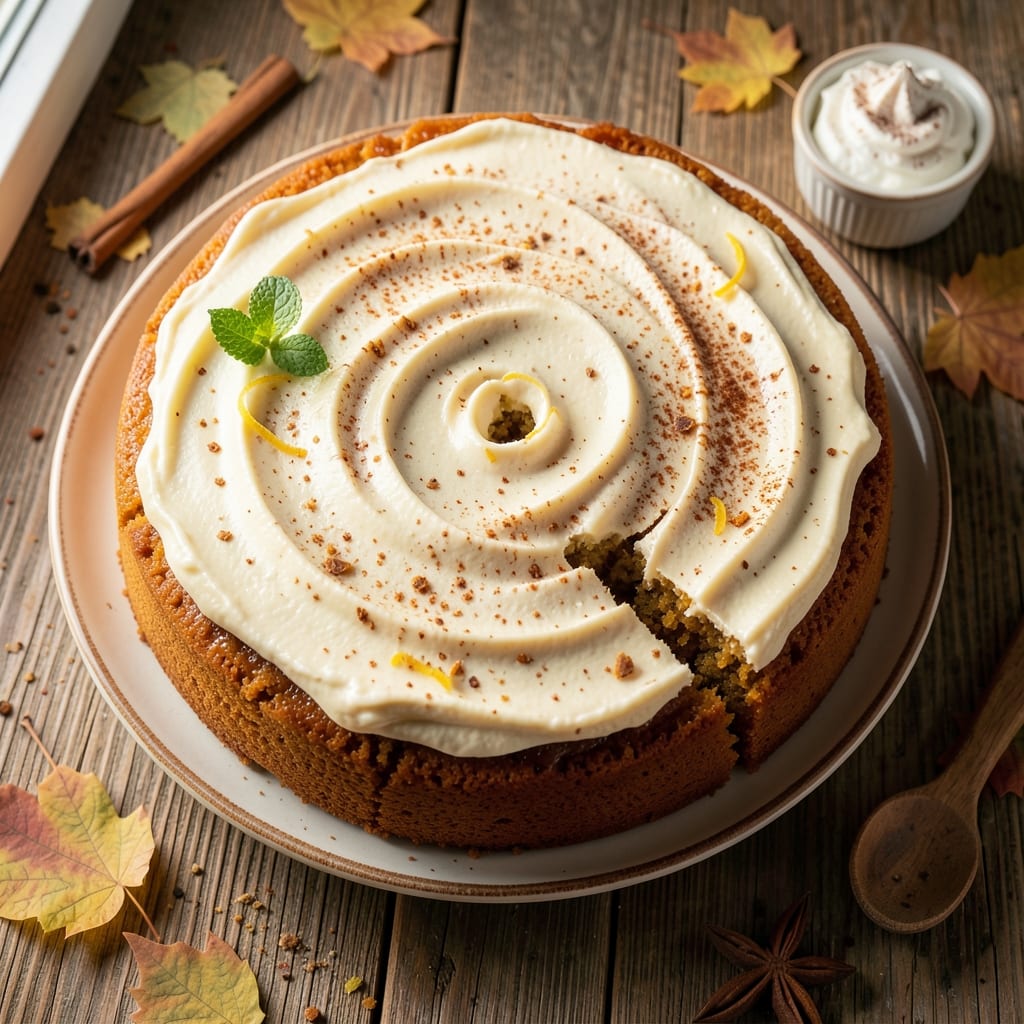
This Amish pumpkin cake delivers the perfect balance of moist, spiced layers and a crispy crumb topping—all baked in one bowl. The secret lies in traditional techniques like a warm spice blend and proper pumpkin puree preparation, creating that signature tender yet structured texture. I developed this recipe after years of perfecting Amish baking methods, ensuring every bite delivers authentic flavor without shortcuts.
The recipe combines simple pantry staples—flour, sugar, eggs, and pumpkin puree—with warm spices like cinnamon, nutmeg, and cloves for that classic Amish flavor profile. What sets this apart is the crunchy topping baked directly in the same bowl, eliminating extra dishes while achieving professional results. The cake stays moist for days, making it ideal for gatherings or holiday baking.
Expect a tender crumb with just the right amount of density, complemented by a golden, crackly top that adds satisfying texture. The warm spices infuse every layer, creating a dessert that feels both comforting and special. This version maintains the traditional Amish approach while being accessible for home bakers—no special equipment required.
Perfect for fall celebrations or cozy weeknight desserts, this cake pairs beautifully with whipped cream or a scoop of vanilla ice cream. The recipe scales easily for larger crowds, and leftovers keep well for up to five days. Let's get baking!
Ingredients for amish pumpkin cake
Simple pantry staples transform into a moist, spiced cake with a crispy crunch topping—all in one bowl.
| Ingredient | Amount | Notes |
|---|---|---|
| All-Purpose Flour 🌾 | 2 ½ cups | Sifted for even texture |
| Granulated Sugar 🍚 | 2 cups | White or light brown preferred |
| Packed Brown Sugar 🍚 | ½ cup | For moisture and depth |
| Pumpkin Puree 🎃 | 1 cup | Unsweetened, 100% pure |
| Large Eggs 🥚 | 4 whole | Room temperature for even mixing |
| Unsalted Butter 🧈 | 1 cup | Softened, not melted |
| Ground Cinnamon 🌿 | 2 tsp | Freshly ground for best flavor |
| Ground Nutmeg 🌿 | ½ tsp | Freshly grated preferred |
| Ground Cloves 🌿 | ½ tsp | Lightly toasted for warmth |
| Ground Ginger 🌿 | 1 tsp | Freshly ground for brightness |
| Baking Soda 🧂 | 2 tsp | For proper rise |
| Salt 🧂 | ½ tsp | Diamond Crystal preferred |
| Vanilla Extract 🍯 | 1 tbsp | Pure, high-quality extract |
| Chopped Walnuts 🥜 | 1 cup | Toasted for enhanced flavor |
| Oats 🌾 | ½ cup | Old-fashioned, rolled |
| Melted Butter 🧈 | ¼ cup | For topping mixture |
The pumpkin puree should be 100% pure, with no added spices or fillers—Libby’s or local farmers' market brands deliver the best flavor. Freshly ground spices make all the difference, so invest in whole spices and grind them yourself if possible. Diamond Crystal kosher salt enhances the warm spices without overpowering. For the walnuts, toast them in a dry skillet until fragrant—this deepens their flavor significantly. If you're using a mix of sugars, brown sugar adds moisture, while white sugar provides structure. The butter should be softened but not melted for proper incorporation into the batter.
No pumpkin puree? Canned pumpkin pie filling works in a pinch, but drain off excess liquid first. Substitute applesauce for half the pumpkin if needed, though texture will differ slightly. Almond extract can replace vanilla if you're out, though the flavor profile shifts. For a nut-free version, swap walnuts for toasted pecans or omit entirely. If your oats are old, toast them lightly to revive their crunch. The baking soda is critical—don’t substitute baking powder as it won’t provide the same lift. For a gluten-free adaptation, use a 1:1 gluten-free flour blend, though texture may vary.
This cake keeps beautifully—wrap tightly in plastic wrap and store at room temperature for up to 5 days. For longer storage, freeze the whole cake for up to 3 months. The topping stays crisp for about 2 days before softening, so bake fresh if serving to a crowd. Reheat slices in a 350°F oven for 5-10 minutes to restore crispness. Portion into individual servings before freezing for easy reheating. The cake’s moisture means it reheats beautifully—almost better the second time around
Why You'll Love This Recipe
- No Fuss Mixing: I swear by this recipe—just toss the dry ingredients (flour, sugars, spices) in a bowl, then fold in the pumpkin puree and eggs. No sifting, no overmixing, no stress. The batter comes together smoother than my great-aunt’s famous pie crust.
- Spiced to Perfection: That combo of brown sugar and pumpkin puree? It’s like autumn in a box. The brown sugar adds a deep caramel note while the puree keeps it moist—no dry crumbs here. Honestly, I’ve made it without frosting, and it’s still dangerously good.
- Crowd Pleaser Any Day: Serve it warm with a scoop of vanilla ice cream for Thanksgiving, or pack slices in lunchboxes for school bake sales. The eggs and flour make it sturdy enough to travel, and the flavor? Even my picky 10-year-old niece asks for seconds.
- Budget-Friendly Staples: You’re using pantry basics—flour, sugar, eggs—plus a can of pumpkin puree. No specialty ingredients, no last-minute grocery runs. I’ve made this for under $3 a serving, and it still tastes like a bakery showstopper. Leftovers? They disappear faster than my willpower on a Sunday morning.
Step-by-step instructions for Amish pumpkin cake
This one-bowl method delivers a moist, spiced pumpkin cake with a crunchy oat-walnut topping—no mixing bowls required.
Prepare the Dry Ingredients and Toast the Topping
In a large mixing bowl, sift together the 2.5 cups all-purpose flour, 2 tsp baking soda, 0.5 tsp salt, 2 tsp ground cinnamon, 0.5 tsp ground nutmeg, 0.5 tsp ground cloves, and 1 tsp ground ginger. Whisk until evenly distributed and no lumps remain—this ensures a light, tender crumb. In a separate small bowl, combine the 0.5 cup oats and 1 cup chopped walnuts, then toast them in a dry skillet over medium heat for 3-4 minutes until fragrant and lightly golden. Remove from heat immediately to prevent burning, then set aside to cool slightly.
Here's the thing—properly toasting the walnuts and oats brings out their nutty depth, which balances the sweetness of the pumpkin. If you skip this step, the topping will taste flat. While the topping cools, measure out the 2 cups granulated sugar and 0.5 cup packed brown sugar in the same bowl with the dry cake ingredients, whisking to blend evenly.
Cream the Butter and Sugars
Using an electric mixer on medium speed, beat the 1 cup softened unsalted butter with the 2 cups granulated sugar and 0.5 cup packed brown sugar for 3-4 minutes until the mixture is light, fluffy, and nearly doubles in volume. You'll notice the color lighten slightly—this indicates proper aeration, which creates that classic Amish cake texture. Scrape down the sides of the bowl with a rubber spatula to ensure even mixing.
I press down gently on the butter mixture with my fingers during the first minute—this prevents it from curdling when the eggs are added later. The butter should leave a slight indentation when pressed, but still hold its shape. If it feels too soft or melts, chill the bowl in the freezer for 5 minutes before proceeding.
Combine Wet Ingredients and Fold in Dry Mix
Add the 4 whole large eggs one at a time, mixing on low speed for 30 seconds after each addition until fully incorporated. The batter will look slightly curdled at first, but don't worry—it will smooth out. Stir in the 1 tbsp vanilla extract and 1 cup pumpkin puree, mixing on low speed until just combined. This step is where the cake's signature moistness comes from, so avoid overmixing.
With the mixer on low speed, gradually add the dry ingredients from the bowl in three additions, mixing just until the flour disappears. Be careful not to overmix—stop as soon as the batter comes together. The final batter should be thick but pourable. Fold in the toasted oat-walnut mixture by hand using a spatula, ensuring even distribution throughout.
Bake to Golden Perfection
Preheat your oven to 350°F and grease a 9-inch round cake pan or line it with parchment paper. Pour the batter into the prepared pan and smooth the top with a spatula. Bake for 50-55 minutes, or until a toothpick inserted into the center comes out clean. The edges should be golden brown, and the top should spring back when gently pressed.
Real talk: Your oven might run hot, so start checking at the 45-minute mark. If the top browns too quickly, tent the cake with aluminum foil. The cake is done when the internal temperature reaches 205°F—this ensures it's fully cooked without being dry. Let it cool in the pan for 10 minutes, then transfer to a wire rack to cool completely before slicing.
Pro Tips For Making Amish Pumpkin Cake
- STOP OVERMIXING THE BATTER: Amish pumpkin cake relies on a tender crumb, and beating the eggs and sugars into a thick, pale ribbon is tempting—but you’ll kill the texture if you go past that stage. Once the batter looks like it could stand on its own (about 3-4 minutes with a hand mixer), stop. I learned this the hard way when my cake turned out dense and sad.
- USE ROOM-TEMPERATURE EGGS: Cold eggs from the fridge won’t blend smoothly with the pumpkin puree and sugars, leaving little streaks in your batter. Crack them into a bowl 10 minutes before mixing—it’s a small step that makes a real difference in how evenly the cake bakes.
- WEIGH YOUR FLOUR (OR SCOOP LIKE A PRO): Packed brown sugar and all-purpose flour can vary wildly by scoop. If you’re measuring by cups, spoon the flour into the cup and level it off—don’t scoop directly from the bag. I skip weighing for most things, but this cake’s structure suffers if the flour-to-sugar ratio isn’t spot-on.
- BAKE UNTIL THE CENTER HITS 205°F: The cake will look set before it’s truly done—insert a skewer at the center, and if it comes out clean but the cake still jiggles slightly, it’s not ready. Wait until that thermometer reads 205°F (yes, hotter than you’d think) for a cake that’s moist but firm. Pulling it too soon = a gummy middle.
Storing and reheating your leftovers
Room-Temp Storage
Wrap your freshly baked Amish pumpkin cake tightly in plastic wrap and store it at room temperature for up to 5 days. The warm spices and moist texture actually improve overnight, making it perfect for meal prep. I always slice it into individual portions before wrapping—this prevents the topping from getting soggy when you're ready to serve. 🍂
Fridge Preservation
If you're planning to keep it longer than 5 days, transfer the cake to an airtight container and refrigerate for up to 7 days. The cold temperature helps maintain the topping's crispness slightly longer, though it will soften more than at room temperature. I recommend reheating slices before serving to restore that perfect texture contrast between the moist cake and crunchy top.
Freezer Perfection
For maximum longevity, freeze the whole cake (wrapped tightly in plastic followed by foil) for up to 3 months. The texture remains excellent when thawed properly. To serve frozen cake, let it sit at room temperature for 1-2 hours before slicing. For individual servings, wrap each slice tightly in plastic wrap and freeze—they'll reheat beautifully in the microwave or oven. 💫
Reheating Secrets
For the best results, reheat individual slices in a 350°F oven for 5-10 minutes until the topping is crisp again. Microwave reheating works in a pinch: cover the slice with a damp paper towel and heat for 15-20 seconds on medium power. The microwave method is faster but may make the topping slightly softer than oven reheating.
Topping Refresh
If your cake's topping loses its crunch after storage, sprinkle 1 tsp granulated sugar and 1 tsp chopped walnuts on each slice before reheating. The sugar caramelizes slightly in the oven, recreating that satisfying crunch. This trick works especially well for frozen cake that's been thawed—it brings back that bakery-fresh quality. 🔥
Nutrition facts
Frequently asked questions
Why does this Amish pumpkin cake have a crunchy topping?
The crunchy topping comes from toasted walnuts and oats baked right into the cake. This traditional technique creates satisfying texture contrast with the moist pumpkin layers. The oats add a subtle sweetness while the walnuts provide rich, nutty depth—both toasted to enhance their flavor before mixing.
Can I make this cake without walnuts?
Swap the walnuts for 1 cup toasted pecans or omit them entirely for a nut-free version. If using pecans, toast them until fragrant for maximum flavor. For extra crunch without nuts, add ½ cup chopped pecans or extra oats—just adjust the topping recipe to maintain the same ratio of ingredients.
How do I know when the cake is fully baked?
Your cake is done when a toothpick inserted in the center comes out clean and the internal temperature reaches 205°F. The edges should be golden brown, and the top should spring back when gently pressed. Start checking at 45 minutes—if the top browns too quickly, tent with foil to prevent over-browning.
What's the secret to keeping this cake moist for days?
The moisture comes from the combination of pumpkin puree, brown sugar, and proper baking time. The pumpkin puree adds natural moisture while the brown sugar helps retain it. Baking at 350°F for the full 50-55 minutes ensures even cooking without drying out the center. Wrapping tightly in plastic also helps preserve moisture for up to 5 days at room temperature.
Can I use pumpkin pie filling instead of puree?
Yes, but drain excess liquid first to avoid a soggy cake. Pumpkin pie filling contains added spices and sugar, so reduce the recipe's cinnamon to 1.5 tsp and sugar to 1.5 cups total. The texture will be slightly denser but still delicious. For best results, use unsweetened pumpkin puree when possible—it gives you more control over the flavor and sweetness.