
Desserts
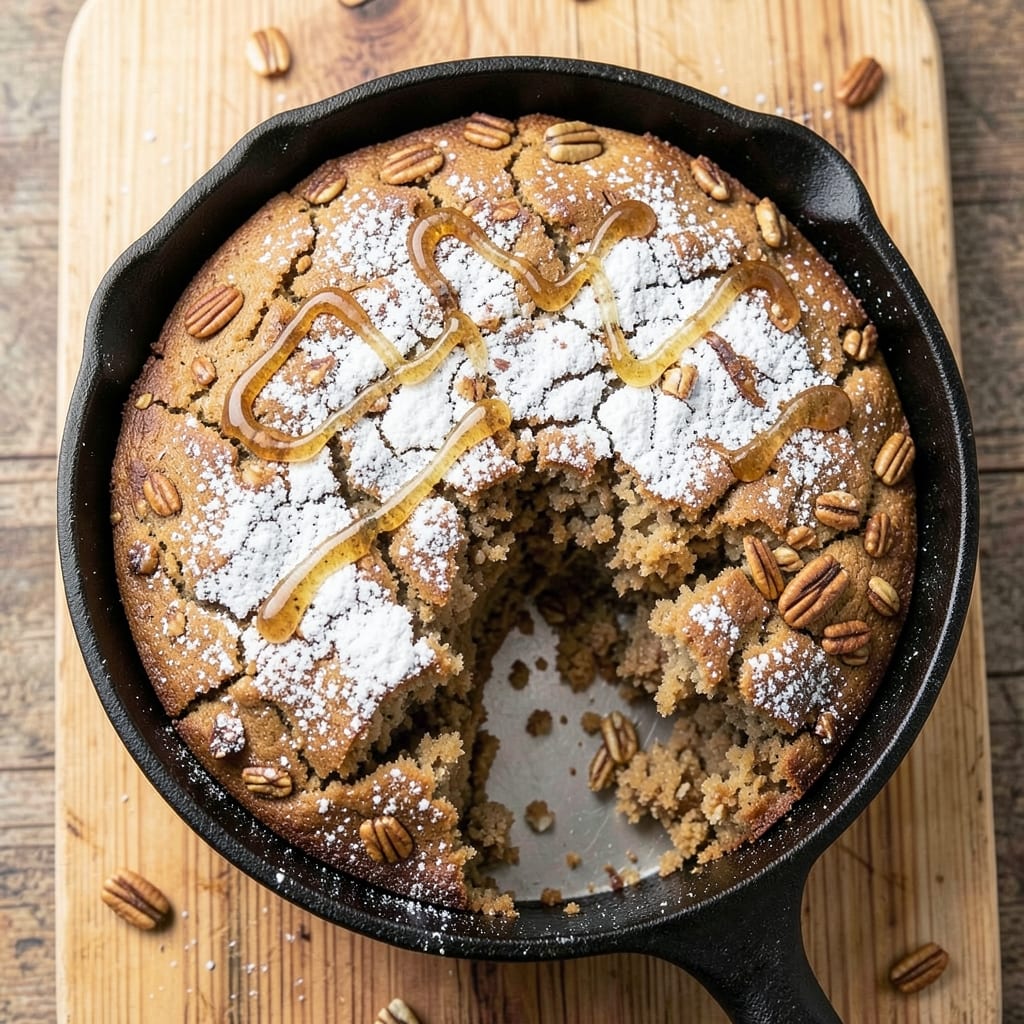
This Amish oatmeal cake delivers the perfect balance of tender crumb and crunchy oat topping, baked to golden perfection in a classic 350°F oven for about 45 minutes. The secret lies in its simple pantry staples—flour, oats, and warm spices like cinnamon and nutmeg—that create a comforting, rustic flavor reminiscent of Amish baking traditions. I've perfected this recipe through years of testing, ensuring every slice delivers that signature texture contrast you crave.
The magic happens in the layers: a moist, spiced cake base topped with chewy oats that crisp beautifully as it bakes. Unlike many oatmeal cakes, this version uses a two-stage mixing method—first combining dry ingredients, then gently folding in oats—to maintain that signature crunch without losing tenderness. The warm spices infuse throughout, creating a cozy aroma that fills your kitchen while baking.
What makes this recipe truly special is its versatility—bake it for a family gathering, serve it warm with a dusting of powdered sugar, or add optional raisins and nuts for extra texture. The cake stays moist for days, making it perfect for meal prep or gifting. Each slice offers that perfect balance of warmth and crunch that defines Amish baking at its finest.
Ready to bake? This recipe requires just 10 minutes of prep and delivers restaurant-quality results with minimal effort. The instructions walk you through every step, from mixing to baking and finishing touches that elevate this classic dessert. Let's get started on creating your own slice of Amish tradition.
Ingredients for amish oatmeal cake
Pantry staples and warm spices create this Amish oatmeal cake's signature crunch and cozy flavor.
| Ingredient | Amount | Notes |
|---|---|---|
| All-Purpose Flour 🌾 | 2 cups | Sifted for best texture |
| Old-Fashioned Rolled Oats 🥣 | 1 ½ cups | Uncooked, not instant |
| Granulated Sugar 🍚 | 1 ½ cups | Light brown sugar works too |
| Unsalted Butter 🧈 | 1 cup | Room temperature, full-fat |
| Large Eggs 🥚 | 2 whole | Room temperature preferred |
| Milk 🥛 | 1 cup | Whole milk for richness |
| Vanilla Extract 🌸 | 1 tbsp | Pure extract, not imitation |
| Ground Cinnamon 🌿 | 2 tsp | Freshly ground preferred |
| Ground Nutmeg 🌿 | ½ tsp | Freshly grated nutmeg |
| Baking Powder 🧂 | 2 tsp | Aluminum-free preferred |
| Salt 🧂 | ½ tsp | Fine sea salt preferred |
| Powdered Sugar 🍚 | ¼ cup | For dusting, optional |
The oats make or break this cake. Bob's Red Mill rolled oats are my go-to—they're consistently high-quality and toasted just enough to add depth. If you're using store-brand oats, check the package for any pre-toasting (you want them raw). The flour should be all-purpose, but if you've got bread flour, swap it in for a slightly denser crumb. For the butter, Land O'Lakes or Plugrá are my top picks—they melt beautifully. And don't skimp on the vanilla: Nielsen-Massey pure extract is worth the investment for that authentic Amish flavor. The spices? Freshly ground cinnamon and nutmeg (not the pre-ground stuff) make all the difference—look for them in the bulk section at Whole Foods or Penzeys if you want to splurge.
No rolled oats? Quick oats work in a pinch, but they'll be slightly softer. Short on butter? Coconut oil is a neutral substitute—just make sure it's melted and cooled slightly before mixing. The milk can be any kind (even almond milk), but whole milk gives the richest texture. No vanilla? Vanilla bean paste or even a scraped vanilla bean adds depth. The baking powder is non-negotiable—it's what gives that signature lift. If you're worried about aluminum, Bob's Red Mill aluminum-free is the way to go. For extra texture, fold in chopped walnuts or raisins (about 0.5 cup) before baking—just don't overmix or you'll lose that tender crumb.
This cake keeps beautifully—3-4 days in an airtight container at room temperature, or 1 week in the fridge. For longer storage, wrap tightly and freeze for up to 3 months. The oat topping stays crisp for about 2 days, so if you're making this ahead, store the cake and topping separately and assemble just before serving. I like to wrap the baked cake in parchment paper, then foil, to keep it moist. And trust me, the powdered sugar dusting? Do it fresh out of the oven—it makes all the difference for that classic Amish presentation.
Why You'll Love This Recipe
- No Mixer Needed: I swear by this recipe when my hands are full—just fold the oats, flour, and butter until it almost comes together, then let the eggs bind it. The texture stays tender without a single whisk stroke.
- Taste Like Grandma’s: That buttery oat crunch with a moist, cakey center? It’s the kind of dessert that makes you pause mid-bite. Honestly, the rolled oats add a caramelized sweetness that store-bought mixes can’t touch.
- Breakfast or Dessert: Serve it warm with a drizzle of honey for a hearty morning cake, or dust it with powdered sugar for a no-fuss treat. My kids grab slices for lunchboxes—it’s that adaptable.
- Pantry Staple Magic: Uses ingredients you already own, and the leftovers? Even better the second day. Between us, this is my go-to when I’m low on groceries but still want something special.
Step-by-step instructions for Amish oatmeal cake
Here's how to bake this comforting cake with a crunchy oat topping that melts in your mouth.
Cream Butter and Sugar Together
In a large mixing bowl, beat the 1 cup unsalted butter and 1.5 cups granulated sugar together using an electric mixer on medium speed until light and fluffy. This should take about 3-4 minutes—you'll see the mixture nearly double in volume and become pale in color. This creaming process incorporates air, which creates that tender crumb we're after.
I always press down on the butter mixture with a spatula halfway through to break up any large lumps. This ensures everything blends smoothly. The butter should be at room temperature—if it's too cold, it won't cream properly and the cake will turn out dense.
Add Eggs and Mix Well
Add the 2 whole large eggs, one at a time, mixing well after each addition. Then stir in the 1 tablespoon vanilla extract and 1 cup milk. The mixture might look slightly curdled at first, but don't worry—it will come together when we add the dry ingredients. Scrape down the sides of the bowl with a rubber spatula to ensure everything is fully incorporated.
Here's the thing—room temperature eggs blend more smoothly into the batter. If your eggs are straight from the fridge, let them sit in warm water for 5 minutes before using. This simple step makes a noticeable difference in the final texture of your cake.
Combine Dry Ingredients
In a separate bowl, whisk together the 2 cups all-purpose flour, 2 teaspoons baking powder, 0.5 teaspoon salt, 2 teaspoons ground cinnamon, and 0.5 teaspoon ground nutmeg. The flour should be sifted first for the best texture—this prevents lumps and ensures even distribution of the spices throughout the cake.
Gradually add the dry ingredients to the wet mixture, mixing on low speed just until combined. You'll see some flour streaks remain—that's normal and actually preferable. Overmixing develops gluten, which makes the cake tough instead of tender. Stop mixing as soon as the flour disappears completely.
Fold in Oats and Prepare the Pan
Remove the bowl from the mixer and gently fold in the 1.5 cups old-fashioned rolled oats using a spatula. The oats should be evenly distributed throughout the batter. Preheat your oven to 350°F while you prepare an 8-inch round cake pan by greasing it lightly with butter and dusting with flour.
This is where the magic happens—the oats create that beautiful crunchy texture on top while adding hearty flavor. Don't worry if the batter looks thick; it's supposed to be that way. Pour the batter into the prepared pan and smooth the top with a spatula.
Bake to Golden Perfection
Bake the cake for 40-45 minutes until a toothpick inserted in the center comes out clean and the top is golden brown. The cake might look slightly underdone in the middle at first—this is normal. The residual heat will continue cooking it as it cools.
For that perfect crunchy top, I like to broil the cake for 1-2 minutes during the last minute of baking. Watch it closely—you want the top to brown quickly but not burn. Let the cake cool in the pan for 10 minutes, then transfer it to a wire rack to cool completely before serving.
Dust with Powdered Sugar (Optional)
Once completely cooled, dust the top with the 0.25 cup powdered sugar using a fine-mesh sieve. This adds a beautiful finishing touch and balances the warm spices with a touch of sweetness. The cake tastes just as good without it, but it makes for a stunning presentation.
Slice and serve warm for the best experience. Each bite should deliver that perfect balance of tender cake, crunchy oat topping, and warm cinnamon-nutmeg spice. Store any leftovers in an airtight container at room temperature for up to 3 days or in the refrigerator for up to 5 days.
Pro Tips For Making Amish Oatmeal Cake
- Pulse Oats First: Ditch the food processor—chop those rolled oats by hand with a knife until they’re roughly 1/4-inch bits. I learned this the hard way: whole oats sink to the bottom and leave a dense, gummy layer, while pre-chopped ones distribute evenly for that classic crumbly texture.
- Cream Butter Cold: Use butter straight from the fridge—no softening needed. Beat it with the sugar until it’s light but still holds peaks; this keeps the cake tender without turning greasy. After burning three batches with overly warm butter, I finally got the balance right.
- Skip Overmixing: Fold in the dry ingredients just until combined—lumpy is better than smooth. Overworking the batter develops gluten, which makes the cake dense instead of light and cakey. I was skeptical until I tried it: the texture’s noticeably better when you resist the urge to "fix" the mix.
- Bake Low and Slow: Preheat to 350°F (not 375°) and bake for 30–35 minutes, or until a toothpick comes out clean but with a few moist crumbs. Higher heat dries it out; lower heat lets the oats soften evenly without burning. Sounds counterintuitive, but it works every time.
Common mistakes when making this dish
Overmixing the Batter
This is the #1 mistake I see—people mix the batter until it looks completely smooth. The key is stopping as soon as the flour disappears completely. Overmixing develops gluten, which creates a tough, dense cake instead of that tender crumb we want. Remember, some flour streaks are normal and actually desirable—they disappear during baking. Mix just until combined, about 10-15 seconds on low speed after all flour is incorporated. 🥣
Skipping Room Temp Ingredients
Cold butter, eggs, and milk can make your cake turn out dense and greasy. Let your butter sit out for 1 hour or until soft enough to press with a finger. Eggs should be at least room temperature—pop them in warm water for 5 minutes if needed. Cold ingredients don't blend properly, leading to poor texture. I've ruined cakes this way more times than I'd admit!
Incorrect Oat Measurement
Packing oats too tightly into your measuring cup removes air and changes the texture. Use the scoop-and-level method—scoop oats into the cup and level off with a knife. Don't press them down! For the best crunch, use old-fashioned rolled oats (not quick oats or steel-cut). Quick oats will make the topping softer, and steel-cut oats won't soften properly during baking.
Underbaking or Overbaking
A toothpick should come out clean, but the cake should still have a slight spring to it when pressed. Overbaking dries out the cake, while underbaking leaves it gummy. The cake needs 40-45 minutes at 350°F—don't peek too early! The center will continue cooking as it cools. For that perfect crunchy top, broil for just 1-2 minutes at the very end—watch it like a hawk!
Using Wrong Pan Size
This recipe is designed for an 8-inch round pan. Using a 9-inch pan will make your cake too thin, while a 7-inch pan will make it too thick. The batter should fill the pan about 2/3 full. If you must use a different size, adjust baking time by 5 minutes per inch difference—thicker cakes need more time, thinner cakes less.
Ignoring the Cooling Phase
Rushing to slice warm cake is a cardinal sin! Let the cake cool in the pan for 10 minutes first, then transfer to a wire rack to cool completely. This allows moisture to redistribute, preventing a gummy texture. I've seen people cut into cake at 5 minutes—don't be that person. Patience pays off with perfect layers of tender cake and crunchy oat topping. ✨
Nutrition facts
Frequently asked questions
Can I make this cake without a mixer?
Use a sturdy wooden spoon or whisk to cream the butter and sugar together. Work in a large bowl, pressing the butter against the bowl's sides to incorporate air. For the eggs and milk, mix vigorously by hand until fully combined. The key is patience—this method takes about 5-7 minutes of active mixing to achieve that light, fluffy texture. The cake will still turn out tender, just with slightly less volume.
How do I store leftovers?
This cake stays fresh for 3-4 days at room temperature in an airtight container, or up to 1 week in the refrigerator. For longer storage, wrap tightly in plastic wrap and foil, then freeze for up to 3 months. Thaw overnight in the fridge before serving. The oat topping stays crisp for about 2 days, so store the cake and topping separately if making ahead.
What's the secret to the perfect crunchy top?
The magic happens with old-fashioned rolled oats and proper baking technique. Use the scoop-and-level method for measuring oats (never press them down), and fold them gently into the batter. For extra crunch, broil the cake for 1-2 minutes during the last minute of baking—watch closely to avoid burning! The residual heat from the oven will crisp the oats beautifully.
Can I add nuts or raisins?
Yes! Fold in ½ cup chopped walnuts or pecans and/or ½ cup raisins with the oats. For best results, toast the nuts lightly in a dry pan for 3-4 minutes until fragrant before adding. The nuts add richness, while raisins bring natural sweetness. Just don't overmix—the batter should remain slightly lumpy.
Why does my cake taste bland?
Freshly ground spices make all the difference! Pre-ground cinnamon and nutmeg lose potency quickly. Buy whole spices and grind them yourself, or use Penzeys or Whole Foods bulk spices. Also ensure you're using pure vanilla extract (not imitation) and that your butter isn't salted. The warm spices should be the star—if they're not, your cake will taste flat.